Other10 recipes
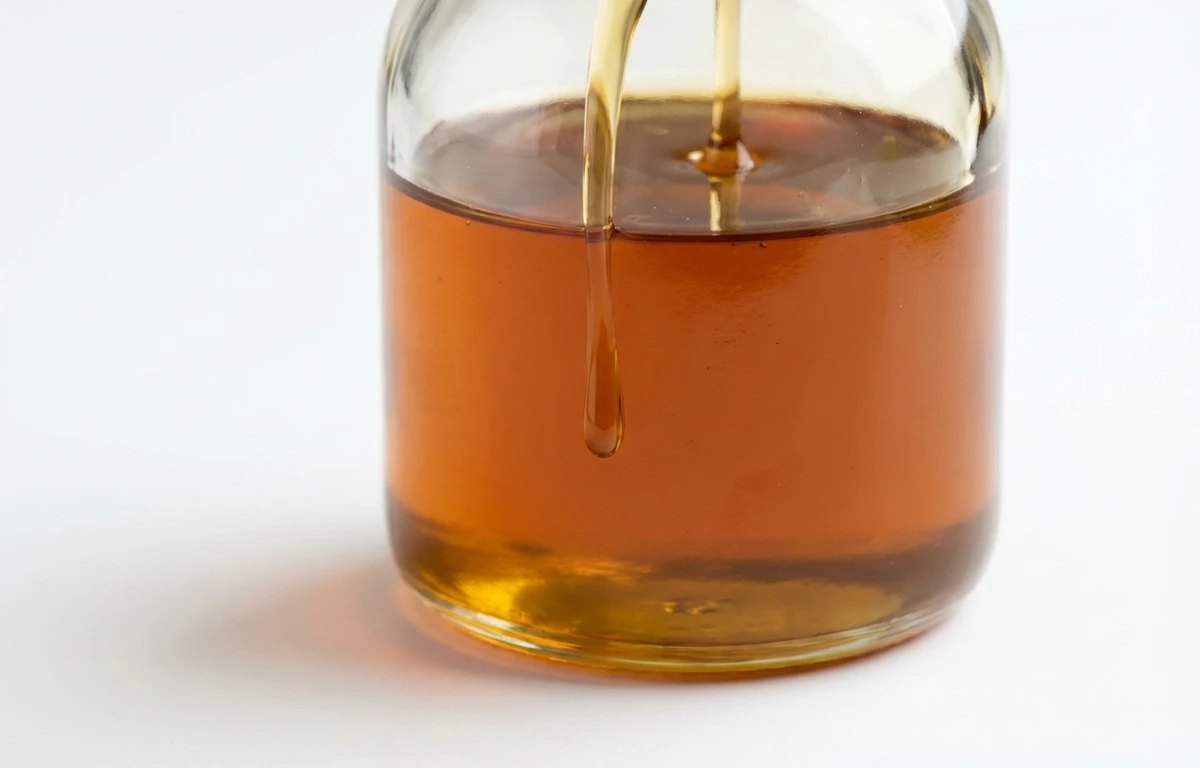
maple syrup.
VegetarianVeganGluten-freeDairy-freeNut-freePeanut-freeSoy-freeEgg-freeShellfish-freeHoney-freeAlcohol-free
ALSO KNOWN AS
maplemaple syruppure maple syrup
SERVING
CALORIES
260
PROTEIN
0.04g
CARBS
67g
FAT
0.06g
FIBER
0g
NUTRITION PROFILE · per 100 g
Everything in this ingredient.
MACRONUTRIENTS
Calories260kcal—
Protein0.04g0%
Carbohydrates67g24%
Fiber0g0%
Sugar60.5g121%
Total fat0.06g0%
Saturated fat0.01g0%
Cholesterol0mg0%
Water32.4g—
MINERALS
Sodium12mg1%
Potassium212mg5%
Calcium102mg8%
Iron0.11mg1%
Magnesium21mg5%
Phosphorus2.0mg0%
Zinc1.5mg13%
Copper0.02mg2%
Manganese2.9mg127%
Selenium0.60µg1%
VITAMINS
Vitamin A0µg0%
Vitamin C0mg0%
Vitamin D0µg0%
Vitamin E0mg0%
Vitamin K0µg0%
Thiamin (B1)0.07mg6%
Riboflavin (B2)1.3mg98%
Niacin (B3)0.08mg1%
Pantothenic acid (B5)0.04mg1%
Vitamin B60mg0%
Folate (B9)0µg0%
Vitamin B120µg0%
%DV based on a 2,000 cal diet. Source: USDA FoodData Central. A dash in the %DV column means there’s no established Daily Value for that nutrient.
MEASUREMENT CONVERSIONS
How much is what.
1 cup315g
1 tablespoon20g
1 teaspoon6.7g
1 ml1.3g
1 liter1333.3g
HEALTH BENEFITS
Why eat it.
- ✓Contains a good source of minerals, particularly manganese and zinc.
- ✓Provides numerous antioxidants, including polyphenols, which can help reduce oxidative stress.
- ✓Has a lower glycemic index than refined white sugar, causing a slower rise in blood sugar levels.
- ✓Contains natural compounds with potential anti-inflammatory properties.
COOKING TIPS
In the kitchen.
- 1Use as a 1:1 substitute for honey or agave in recipes. When replacing granulated sugar, use 3/4 cup of maple syrup for every 1 cup of sugar and reduce the recipe's liquid by about 3 tablespoons.
- 2The flavor intensifies with heat, making it an excellent glaze for roasted vegetables like carrots and Brussels sprouts, or proteins like salmon and pork.
- 3Different grades offer different flavors: use lighter grades (Golden, Amber) for a delicate sweetness in dressings or on pancakes, and darker grades (Dark, Very Dark) for a robust flavor in baking and sauces.
STORAGE
Keep it fresh.
- Store unopened pure maple syrup in a cool, dark pantry for up to two years.
- Once opened, transfer to an airtight container and refrigerate immediately to prevent mold growth. It can last for up to one year in the refrigerator.
FAQ
Frequently asked questions.
Is maple syrup healthy?
Maple syrup offers some health benefits compared to refined sugar, containing minerals like manganese and zinc, and numerous antioxidants. It also has a slightly lower glycemic index. However, it is still high in sugar and calories, so consume it in moderation as part of a balanced diet.
How much sugar and calories are in maple syrup?
Per 100g, maple syrup contains approximately 260 calories and 67.04g of carbohydrates, almost all of which are sugars. While it provides some beneficial compounds, its primary nutritional contribution is as a concentrated source of energy from sugar.
Is maple syrup good for weight loss?
Maple syrup is not inherently good for weight loss due to its high calorie and sugar content. While it offers some nutrients, consuming too much can contribute to excess calorie intake. For weight loss, it's best to limit all added sugars, including maple syrup.
Is maple syrup vegan?
Yes, pure maple syrup is vegan. It is a plant-based product derived directly from the sap of maple trees and does not involve any animal products or by-products in its production.
Can diabetics eat maple syrup?
Diabetics can consume maple syrup in very small, controlled amounts, but it should be done with caution and consideration of its sugar content. Although it has a slightly lower glycemic index than refined sugar, it still significantly impacts blood sugar levels. It's best to consult a healthcare professional or dietitian for personalized advice.
What does maple syrup taste like?
Maple syrup has a distinct sweet, rich, and earthy flavor with notes of caramel, vanilla, and sometimes a hint of woodiness. The intensity and specific nuances can vary depending on its grade, with darker syrups generally having a stronger, more robust taste.
How can I use maple syrup in cooking?
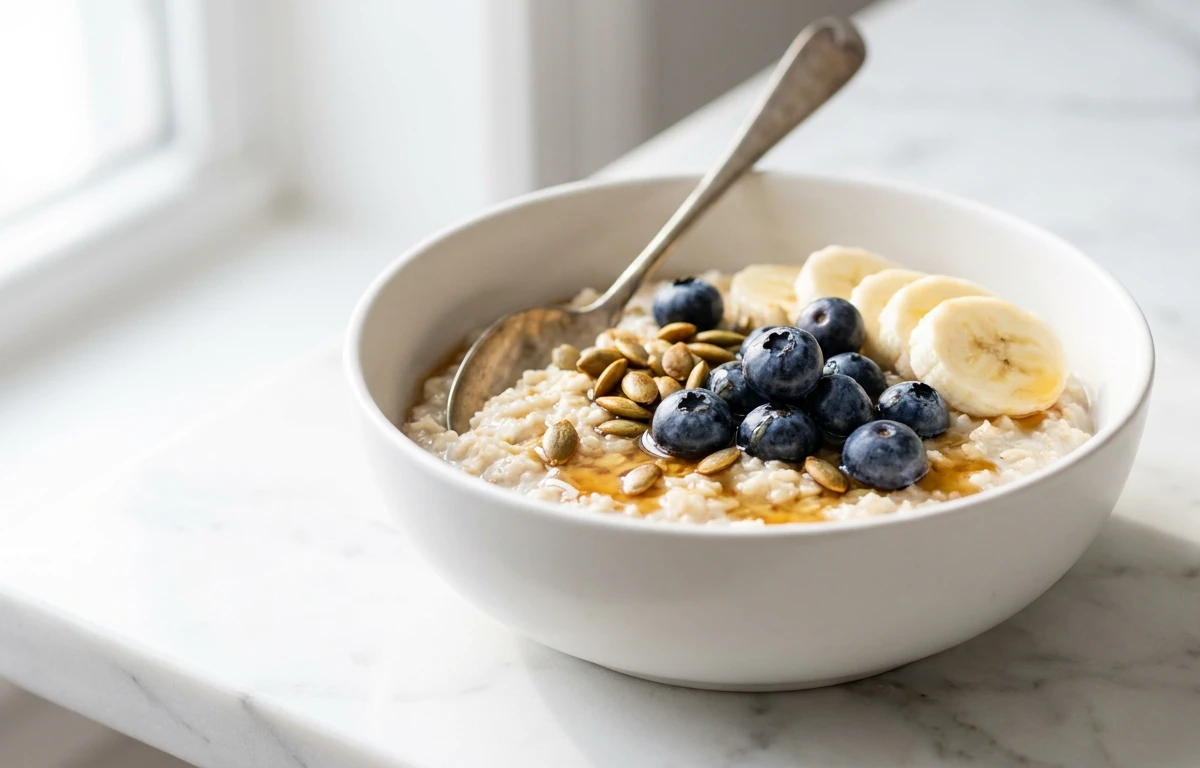
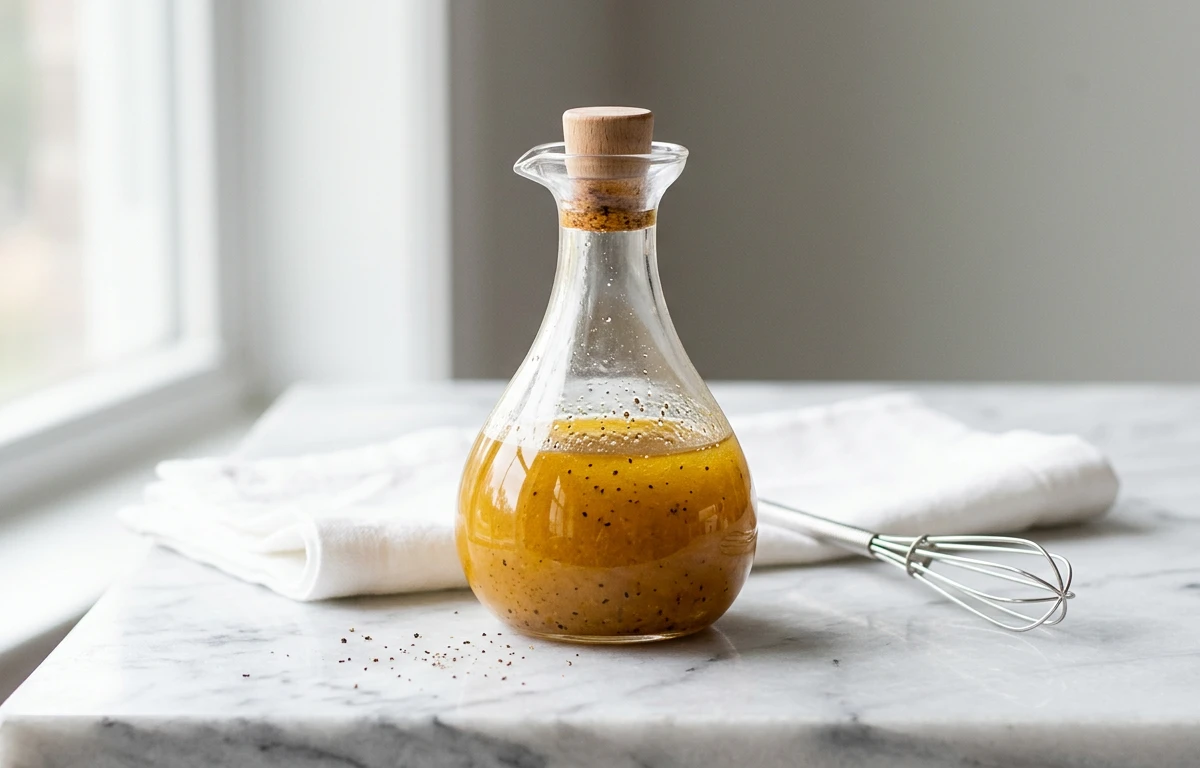
Maple syrup is incredibly versatile. It's commonly used as a topping for pancakes, waffles, and oatmeal, but also works well in baking, marinades for meats, salad dressings, and to sweeten beverages like coffee or tea. It can often replace other liquid sweeteners in recipes.
How do you store maple syrup?
Unopened maple syrup can be stored in a cool, dark place like a pantry for several years. Once opened, it should be refrigerated to prevent mold growth and maintain its quality. Properly stored in the refrigerator, it can last for up to a year.
How do you know if maple syrup is spoiled?
Spoiled maple syrup will typically show signs of mold growth on the surface, which can appear as fuzzy white or green spots. It might also develop an off-odor or taste. If you see mold, it's best to discard the syrup, as the mold can penetrate deeper than just the surface.
What are the different grades of maple syrup?
Maple syrup is graded based on its color and flavor intensity, with common grades including Golden (Delicate Taste), Amber (Rich Taste), Dark (Robust Taste), and Very Dark (Strong Taste). Lighter grades are typically milder, while darker grades have a more pronounced maple flavor, making them suitable for different culinary uses.
RECIPES
Cook with maple syrup.
10 recipes · sorted by what’s quick