
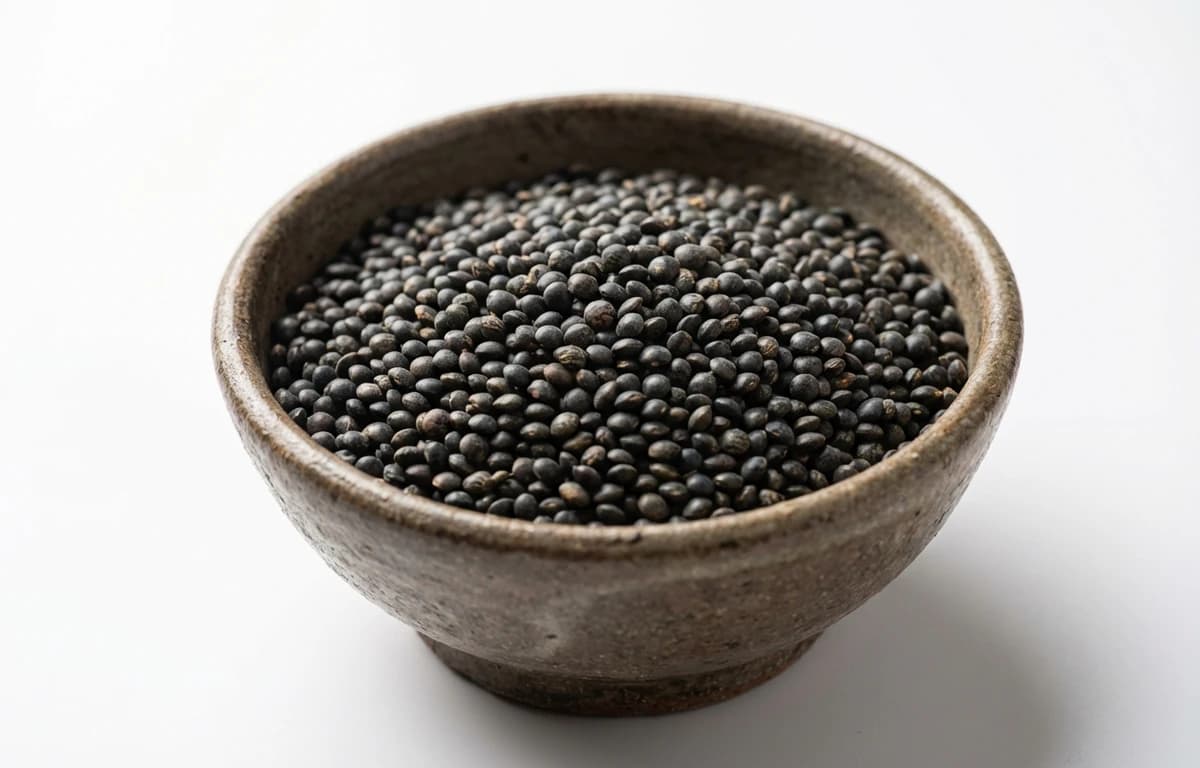
mati mah
Also known as:
Loading...
Also known as:
Per 100g
Nutrition data source: USDA FoodData Central
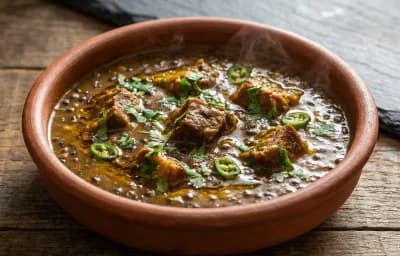
A hearty and rustic pork curry from Assam, slow-cooked with whole black gram lentils until tender. This flavorful dish, infused with ginger, garlic, and chilies, is a true taste of North-Eastern Indian comfort food.
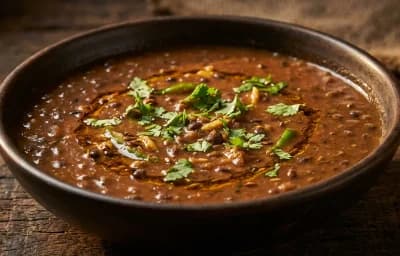
A traditional Assamese delicacy, this dal features whole black gram lentils slow-cooked to a creamy consistency. Its unique earthy flavor, enhanced by ginger and mustard oil, makes it a comforting and soulful dish.
Yes, mati mah is very healthy. It's a powerhouse of plant-based protein and dietary fiber, which supports digestion and keeps you feeling full. It's also an excellent source of iron, magnesium, and potassium, contributing to energy levels, heart health, and blood pressure regulation.
Per 100g, mati mah contains approximately 341 calories and an impressive 25.21g of protein. It also provides nearly 59g of carbohydrates and a very low 1.64g of fat, making it a nutrient-dense food.
Yes, mati mah can be beneficial for weight loss. Its high protein and fiber content promotes satiety, helping to reduce overall calorie intake. The sustained energy release from its complex carbohydrates can also help manage cravings.
Yes, mati mah is naturally vegan as it is a plant-based legume. It is also naturally gluten-free, making it a suitable ingredient for individuals following a gluten-free diet.
Yes, mati mah is generally considered beneficial for diabetics. It has a low glycemic index, meaning it causes a slower and more gradual rise in blood sugar levels compared to high GI foods. Its fiber content also helps in blood sugar management.
Mati mah, often used as a whole bean or split dal, typically requires soaking before cooking to reduce cooking time and improve digestibility. After soaking, it can be boiled, pressure-cooked, or simmered until tender, then used in curries, stews, or ground into flour for various dishes.
Mati mah has a slightly earthy, nutty flavor and a creamy texture when cooked. It's a staple in Indian cuisine, commonly used to make dal, idli, dosa, vada, and papad. It can also be sprouted or ground into flour for baking.
mati mah is a versatile ingredient found in cuisines around the world. With 341 calories per 100g and 25.21 grams of protein, it's a nutritious addition to many dishes.
Explore more ingredients in the legume category with complete nutrition information.
View all legume →Store dried mati mah in an airtight container in a cool, dry, and dark place, away from direct sunlight and moisture. Properly stored, it can last for up to a year or even longer. Cooked mati mah should be refrigerated and consumed within 3-4 days.
Yes, it is highly recommended to soak whole mati mah (black gram) for at least 6-8 hours or overnight before cooking. Soaking helps to soften the beans, significantly reduces cooking time, and can also aid in digestibility by breaking down some anti-nutrients.
Yes, "mati mah" is another name for black gram, which is also widely known as urad dal in India. It refers to the same legume, Vigna mungo, whether whole (with skin) or split (with or without skin).