matzo
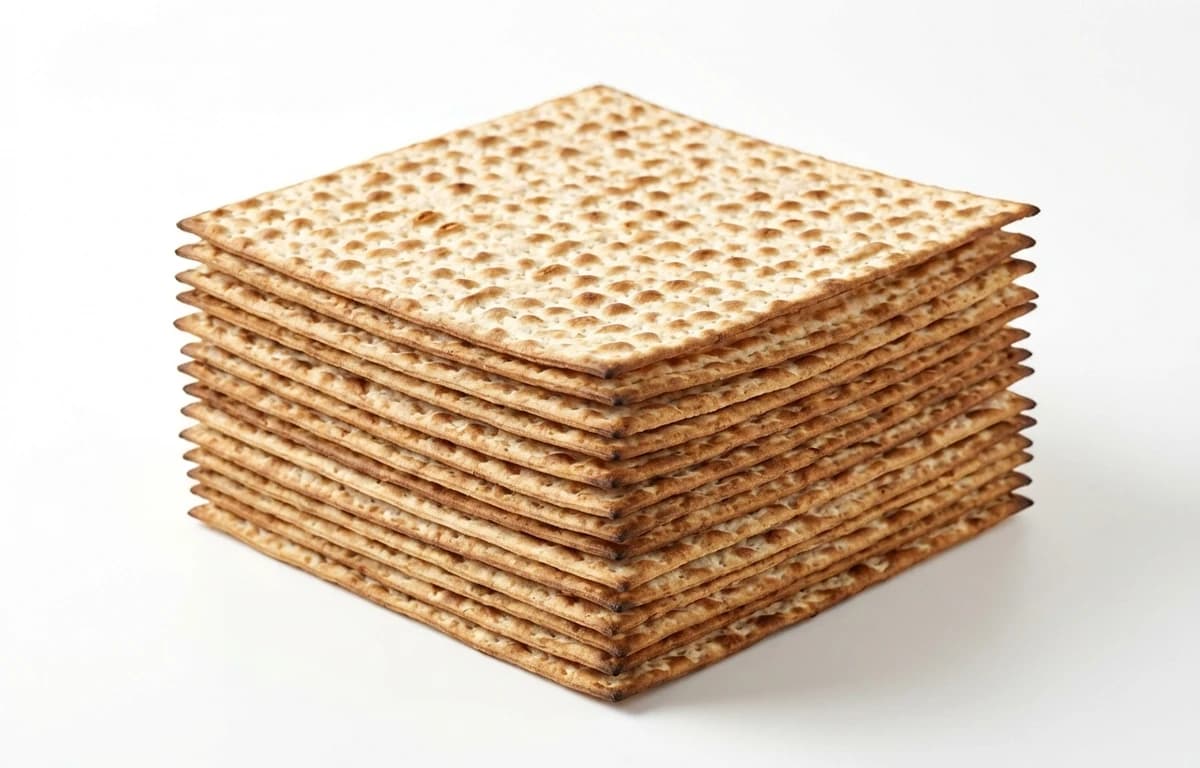
Also known as: unleavened bread, matzah
Loading...
Also known as: unleavened bread, matzah
Per 100g
Nutrition data source: USDA FoodData Central
Common measurement equivalents in grams

A classic Jewish deli staple, this salad combines savory pickled herring with sweet apple, sharp onion, and rich hard-boiled eggs. It's a wonderfully complex spread perfect for rye bread or matzo.

A delightful twist on classic matzo brei! Soft, savory fried matzo and eggs are topped with silky lox, creamy cheese, and briny capers. It's the perfect savory brunch for Passover or any time of year.
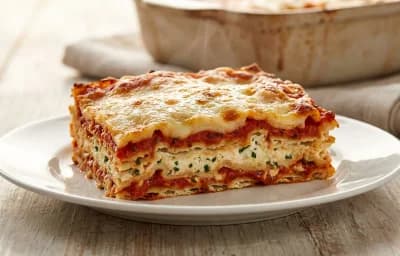
A beloved Passover tradition, this Matzo Lasagna swaps pasta for tender matzo sheets, layered with a rich tomato sauce, creamy ricotta filling, and bubbly mozzarella. It's the ultimate comfort food for the holiday Seder or any family dinner.
Matzo is a low-fat, low-cholesterol carbohydrate source, providing quick energy. While traditional matzo is low in fiber, whole wheat varieties offer dietary fiber beneficial for digestion and blood sugar control. It's a simple, unleavened bread.
Per 100 grams, matzo contains approximately 390 calories and 80 grams of carbohydrates. It also provides about 11.5 grams of protein and 1.5 grams of fat, making it primarily a carb-rich food.
Matzo is relatively high in calories per serving due to its dense carbohydrate content. While low in fat, portion control is key for weight management. Opting for whole wheat matzo can provide more fiber, which aids satiety, but it's not inherently a 'diet food.'
No, traditional matzo is made from wheat flour and therefore contains gluten. However, gluten-free matzo varieties made from ingredients like potato starch, tapioca, or oats are available for those with gluten sensitivities or celiac disease.
Yes, traditional matzo is typically vegan. It is made from simple ingredients: flour and water. Always check the ingredient list, as some specialty matzo products might contain eggs or other non-vegan ingredients, though this is uncommon for standard matzo.
Diabetics can eat matzo, but it's important to do so in moderation and consider its high carbohydrate content, which can impact blood sugar levels. Whole wheat matzo may be a better choice due to its fiber content, which can help slow glucose absorption. Portion control and pairing with protein or healthy fats are recommended.
Matzo is often eaten plain as a cracker, spread with butter, cream cheese, or jam. It can also be broken into pieces and used in dishes like matzo brei (fried with eggs), matzo ball soup, or as a breading. It's a versatile ingredient for both sweet and savory applications.
matzo is a versatile ingredient found in cuisines around the world. With 390 calories per 100g and 11.5 grams of protein, it's a nutritious addition to many dishes.
Explore more ingredients in the other category with complete nutrition information.
View all other →Matzo has a very mild, slightly nutty, and plain flavor, similar to an unsalted cracker or a very thin, crisp flatbread. Its primary characteristic is its dry, crunchy texture, which can soften when moistened.
Matzo should be stored in a cool, dry place in an airtight container or its original sealed packaging. This prevents it from absorbing moisture, which can make it stale or soft. Proper storage helps maintain its crisp texture.
Matzo is an unleavened flatbread, traditionally made from flour and water, baked quickly before it can rise. It is central to the Jewish holiday of Passover, symbolizing the bread the Israelites ate when they fled Egypt, not having time for their dough to rise.