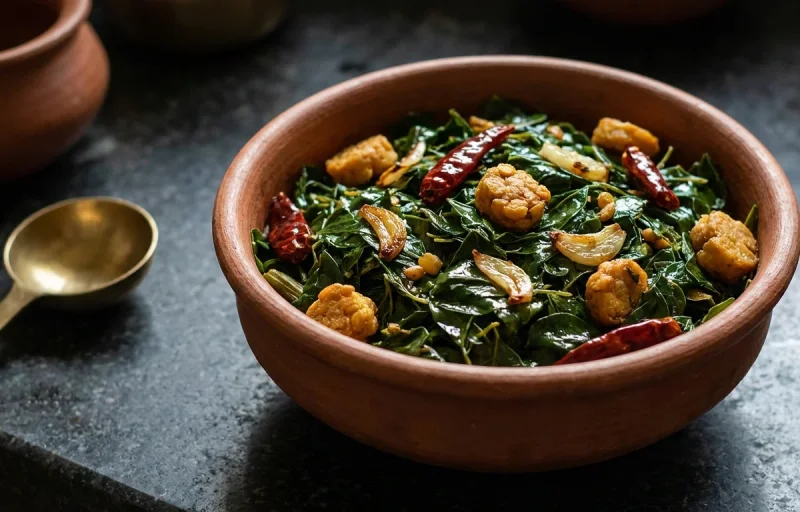
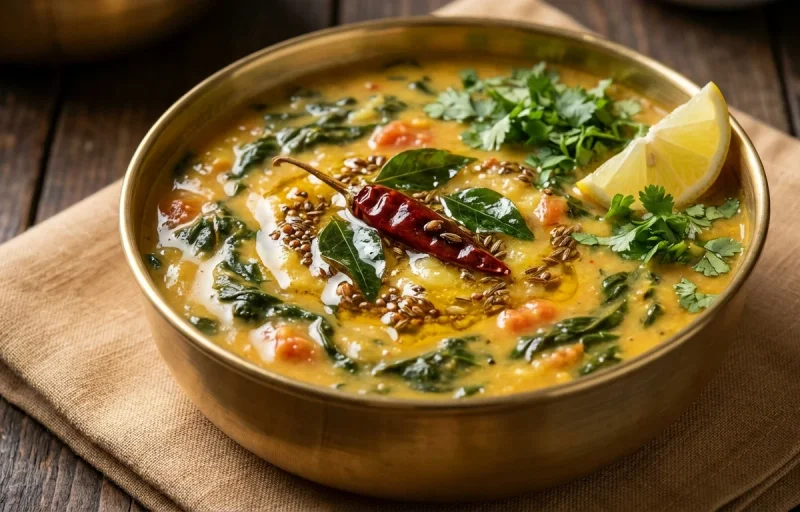
Other4 recipes
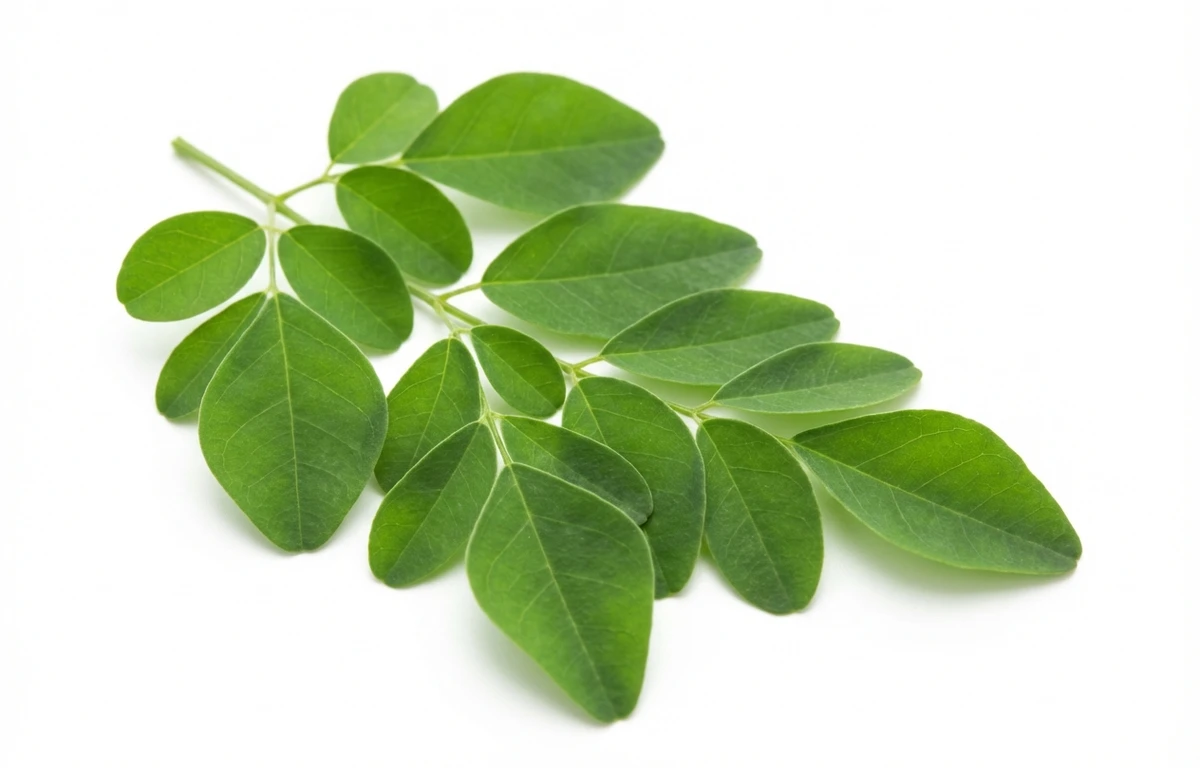
moringa leaves.
VegetarianVeganGluten-freeDairy-freeNut-freePeanut-freeSoy-freeEgg-freeShellfish-freeHoney-freeAlcohol-free
ALSO KNOWN AS
moringa leavesraw drumstick leavesdrumstick leavessahjan ke pattemurungai keeraimuringa elashevga pansigrumalunggaymunagakunugge soppumoringa oleifera leaves
SERVING
CALORIES
83
PROTEIN
9.4g
CARBS
8.3g
FAT
1.4g
FIBER
2.0g
This ingredient is flagged as naturally gluten-free. Per 100 g, it provides 109 µg of vitamin K.
NUTRITION PROFILE · per 100 g
Everything in this ingredient.
MACRONUTRIENTS
Calories83.4kcal—
Protein9.4g19%
Carbohydrates8.3g3%
Fiber2.0g7%
Sugar0.60g1%
Total fat1.4g2%
Saturated fat0.30g2%
Trans fat0g—
Cholesterol0mg0%
Water78.7g—
MINERALS
Sodium9.0mg0%
Potassium337mg7%
Calcium185mg14%
Iron4.0mg22%
Magnesium147mg35%
Phosphorus112mg9%
Zinc0.60mg5%
Copper0.10mg11%
Manganese1.1mg48%
Selenium0.90µg2%
VITAMINS
Vitamin A378µg42%
Vitamin C51.7mg57%
Vitamin D0µg0%
Vitamin E0.10mg1%
Vitamin K109µg90%
Thiamin (B1)0.26mg22%
Riboflavin (B2)0.66mg51%
Niacin (B3)2.2mg14%
Pantothenic acid (B5)0.13mg3%
Vitamin B61.2mg71%
Folate (B9)40µg10%
Vitamin B120µg0%
%DV based on a 2,000 cal diet. Source: USDA FoodData Central. A dash in the %DV column means there’s no established Daily Value for that nutrient.
MEASUREMENT CONVERSIONS
How much is what.
1 cup21g
1 tablespoon4g
1 oz28.4g
1 lb453.6g
HEALTH BENEFITS
Why eat it.
- ✓High plant-based protein content compared to other leafy greens
COOKING TIPS
In the kitchen.
- 1Strip the leaves from the tough woody stems before cooking
- 2Add leaves at the very end of cooking to preserve heat-sensitive Vitamin C
- 3Sauté with a small amount of fat (oil/ghee) to improve absorption of Vitamin A
STORAGE
Keep it fresh.
- Wrap in a damp paper towel and store in a perforated plastic bag in the fridge
- Best consumed within 2-3 days of purchase for maximum nutrient density
- Can be dried in the shade and ground into a powder for long-term storage
FAQ
Frequently asked questions.
How long do fresh moringa leaves last?
Fresh moringa leaves are highly perishable and typically last 2-3 days in the refrigerator when stored in a breathable bag.
Can you eat moringa leaves raw?
Yes, they can be eaten raw in salads or smoothies, though they have a slightly peppery taste similar to radish.
What is the best substitute for moringa leaves?
Spinach or fenugreek (methi) leaves are the best substitutes, though the nutritional profile and flavor will differ slightly.
How do I prepare moringa leaves for cooking?
Hold the stem at the top and pull your fingers down to strip the small leaves off. Discard the tough stems as they do not soften during cooking.
Can moringa leaves be frozen?
Yes, you can blanch the leaves for 30 seconds, shock them in ice water, and then freeze them in airtight containers for up to 6 months.
What do moringa leaves taste like?
They have a mild, earthy, and slightly peppery flavor, often compared to a cross between spinach and horseradish.
How can I tell if moringa leaves are fresh?
Look for bright green, firm leaves. Avoid bunches that are yellowing, wilting, or have a slimy texture.
Are there any side effects to eating moringa leaves?
While generally safe, consuming very large quantities may have a laxative effect. Pregnant women should consult a doctor before consuming concentrated moringa products.
RECIPES
Cook with moringa leaves.
4 recipes · sorted by what’s quick