
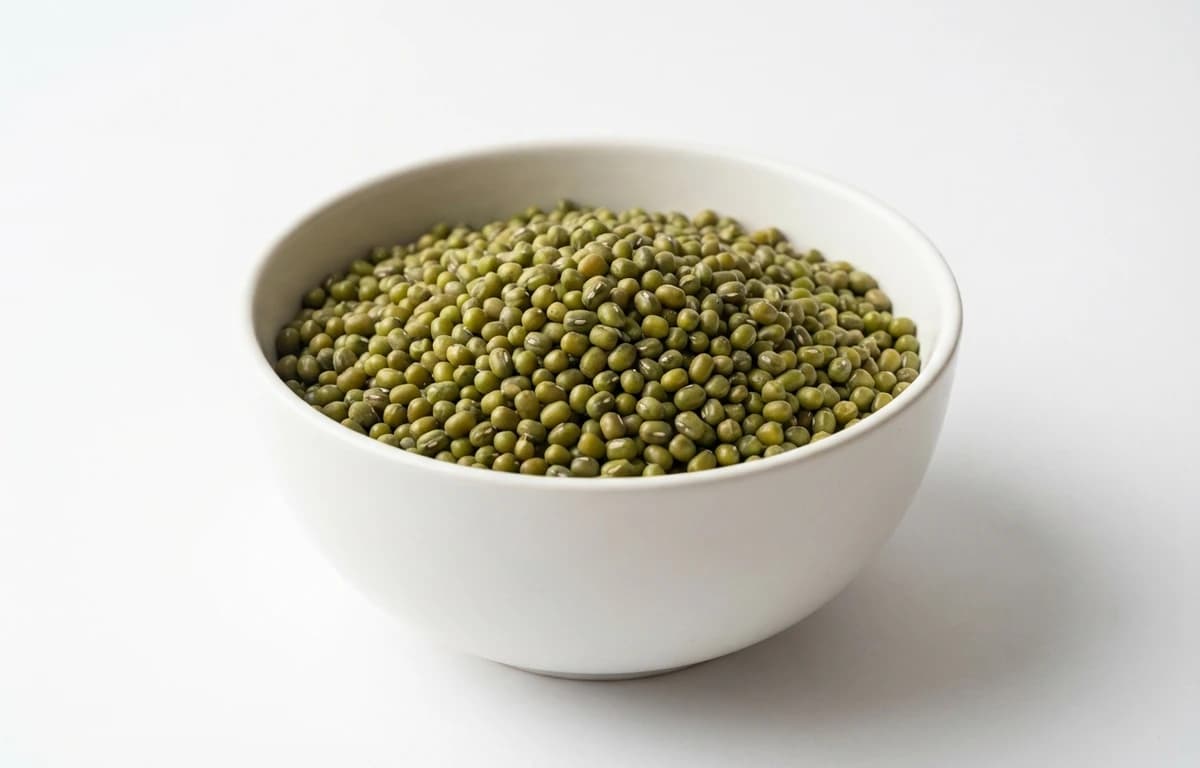
muga dali
Also known as:
Loading...
Also known as:
Per 100g
Nutrition data source: USDA FoodData Central
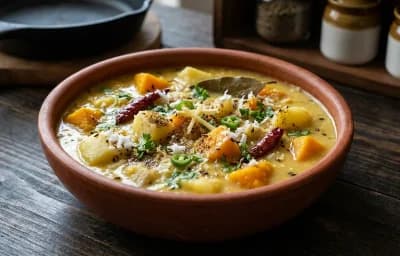
A comforting and nutritious Odia lentil curry made with roasted yellow moong dal and mixed vegetables. This simple, aromatic dish is a staple in Odia households, perfect with steamed rice.
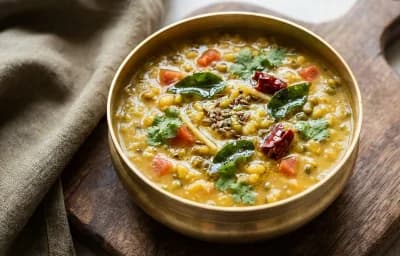
A light, aromatic, and comforting yellow lentil curry from Odisha. The signature nutty flavor comes from dry-roasting the moong dal before cooking. Tempered with ghee and simple spices, this dal is a staple served with steamed rice, embodying the soulful simplicity of Odia cuisine.
Yes, muga dali is very healthy. It's a powerhouse of plant-based protein and dietary fiber, essential for muscle repair and digestive health. It also provides vital nutrients like folate, magnesium, and potassium, supporting overall well-being.
Muga dali is highly nutritious, offering approximately 23.86g of protein and 62.62g of carbohydrates per 100g (dry). It's rich in dietary fiber, which aids digestion and promotes satiety. Additionally, it's a good source of essential minerals like folate, magnesium, and potassium.
Yes, muga dali can be beneficial for weight loss. Its high protein and fiber content helps you feel full longer, reducing overall calorie intake. With only 1.15g of fat per 100g (dry), it's a low-fat option that supports a balanced diet.
Yes, muga dali is both vegan and vegetarian. As a legume, it is entirely plant-based and does not contain any animal products or by-products, making it an excellent protein source for plant-based diets.
Yes, muga dali (mung bean dal) is naturally gluten-free. It is a safe and nutritious option for individuals with celiac disease or gluten sensitivity, provided it hasn't been cross-contaminated during processing.
Yes, muga dali is a good choice for diabetics. It has a low glycemic index, which helps in regulating blood sugar levels and preventing sharp spikes. Its high fiber content also contributes to better glucose management.
Muga dali is typically cooked by rinsing it thoroughly and then boiling it in water until tender, which usually takes 15-20 minutes. It can be cooked plain or seasoned with spices like turmeric, cumin, and ginger to make a flavorful dal, often served with rice or bread.
muga dali is a versatile ingredient found in cuisines around the world. With 347 calories per 100g and 23.86 grams of protein, it's a nutritious addition to many dishes.
Explore more ingredients in the legume category with complete nutrition information.
View all legume →Muga dali has a mild, slightly sweet, and earthy flavor. When cooked, it develops a creamy texture, making it a versatile base for various dishes. Its subtle taste allows it to absorb the flavors of accompanying spices and ingredients well.
Dry muga dali should be stored in an airtight container in a cool, dry, and dark place, away from direct sunlight and moisture. Properly stored, it can last for up to a year or even longer. Cooked muga dali should be refrigerated and consumed within 3-4 days.
Yes, muga dali is known for being easier to digest compared to many other legumes. This makes it a suitable option for individuals with sensitive stomachs or those who experience digestive discomfort from other beans and lentils.