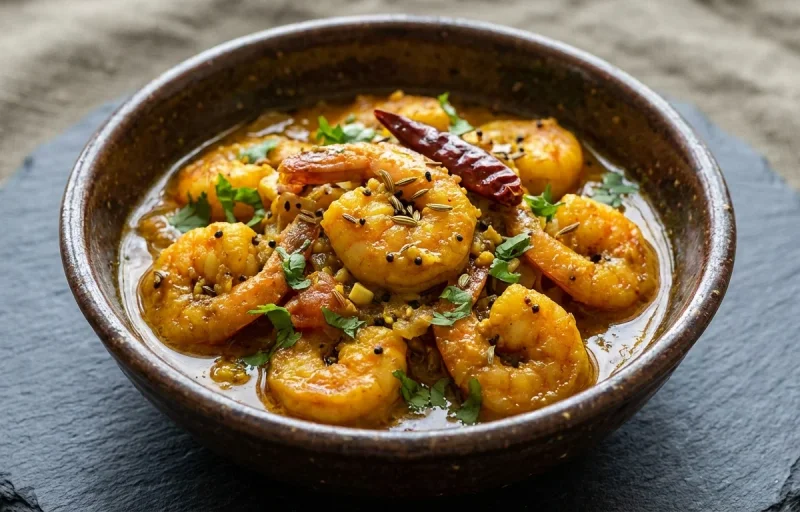
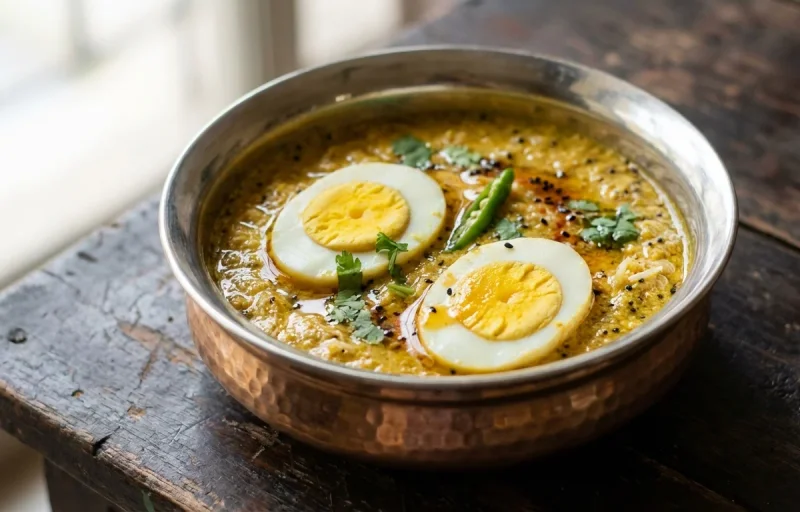
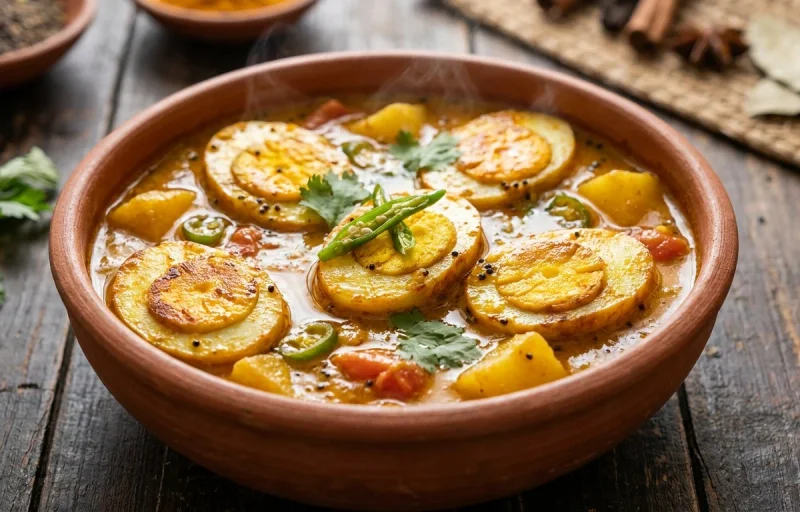
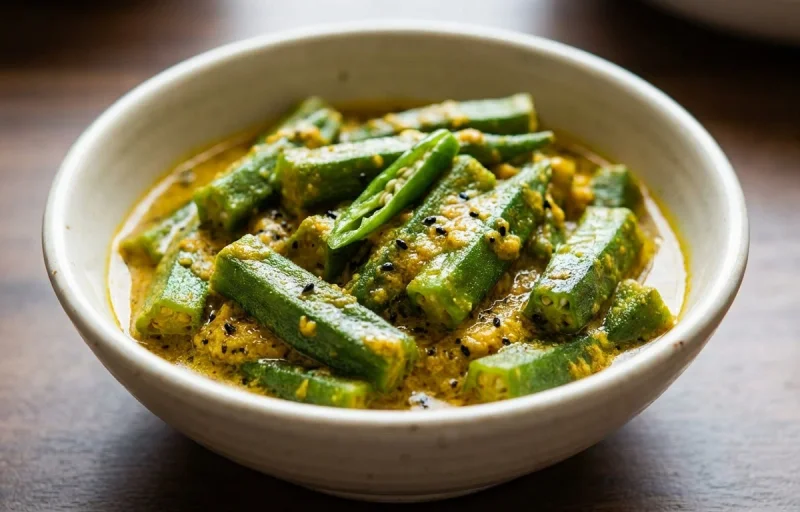
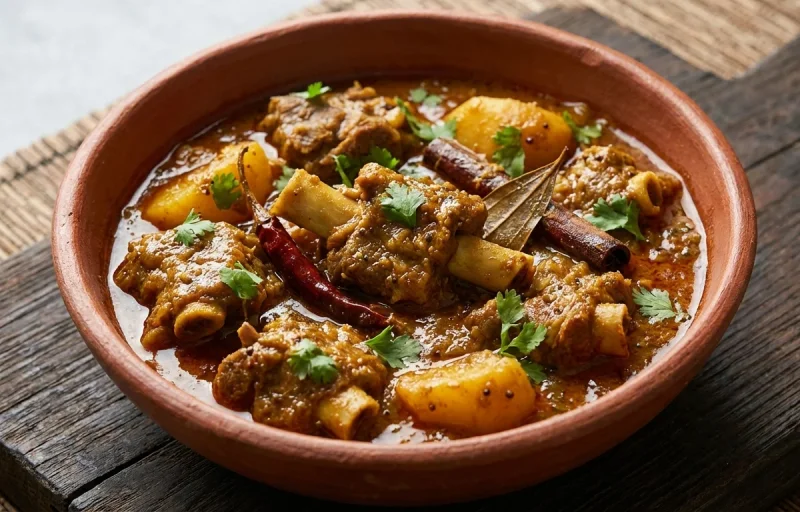
Other2 recipes
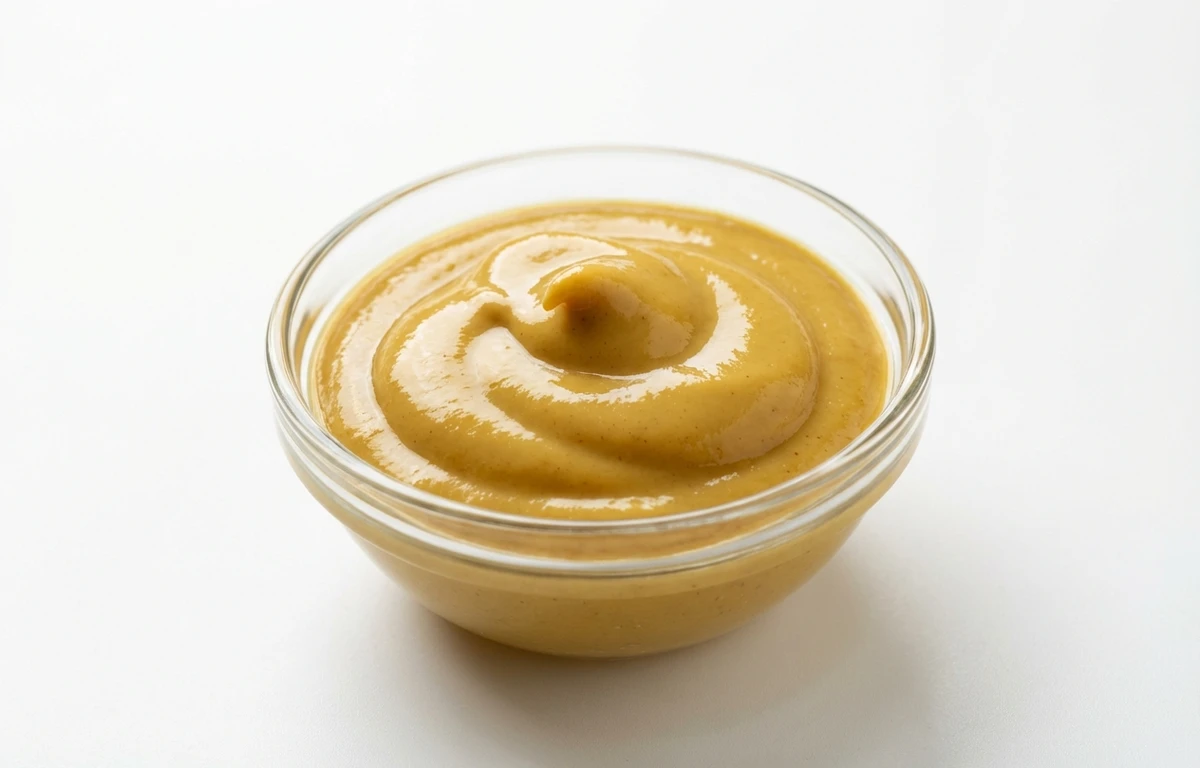
mustard paste.
VegetarianVeganGluten-freeDairy-freeNut-freePeanut-freeSoy-freeEgg-freeShellfish-freeHoney-freeAlcohol-freeFermented
ALSO KNOWN AS
prepared mustardground mustard pastesarson ka paste
SERVING
CALORIES
66
PROTEIN
4.4g
CARBS
5.8g
FAT
4.0g
FIBER
3.3g
This ingredient is flagged as naturally gluten-free. Per 100 g, it provides 0.50 µg of vitamin K.
NUTRITION PROFILE · per 100 g
Everything in this ingredient.
MACRONUTRIENTS
Calories66kcal—
Protein4.4g9%
Carbohydrates5.8g2%
Fiber3.3g12%
Sugar0.90g2%
Total fat4.0g5%
Saturated fat0.20g1%
Trans fat0g—
Cholesterol0mg0%
Water82g—
MINERALS
Sodium1135mg49%
Potassium138mg3%
Calcium58mg4%
Iron1.5mg8%
Magnesium49mg12%
Phosphorus105mg8%
Zinc0.60mg5%
Copper0.10mg11%
Manganese0.40mg17%
Selenium20.8µg38%
VITAMINS
Vitamin A4.0µg0%
Vitamin C0.50mg1%
Vitamin D0µg0%
Vitamin E1.5mg10%
Vitamin K0.50µg0%
Thiamin (B1)0.08mg7%
Riboflavin (B2)0.06mg5%
Niacin (B3)0.60mg4%
Pantothenic acid (B5)0.20mg4%
Vitamin B60.10mg6%
Folate (B9)6.0µg2%
Vitamin B120µg0%
%DV based on a 2,000 cal diet. Source: USDA FoodData Central. A dash in the %DV column means there’s no established Daily Value for that nutrient.
MEASUREMENT CONVERSIONS
How much is what.
1 cup250g
1 tablespoon15g
1 teaspoon5g
1 oz28.4g
1 lb453.6g
1 ml1.1g
1 liter1050g
HEALTH BENEFITS
Why eat it.
- ✓Low in calories compared to oil-based condiments like mayonnaise
- ✓Contains selenium and magnesium which support metabolic health
- ✓Acts as a natural digestive stimulant
COOKING TIPS
In the kitchen.
- 1Add at the end of the cooking process to preserve the heat and volatile oils
- 2Use as an emulsifier in vinaigrettes to keep oil and vinegar from separating
- 3Mix with yogurt or honey to create a balanced marinade for proteins
STORAGE
Keep it fresh.
- Store in a cool, dry place away from direct sunlight before opening
- Refrigerate after opening to maintain the sharp flavor and pungency
- Ensure the lid is tightly sealed to prevent the paste from drying out or oxidizing
FAQ
Frequently asked questions.
How long does mustard paste last in the refrigerator?
Once opened, mustard paste typically lasts 6 to 12 months in the refrigerator, though it may lose its pungency over time.
Can mustard paste be frozen?
It is not recommended to freeze mustard paste as the texture can become watery and the flavor profile may change significantly upon thawing.
What is the best substitute for mustard paste?
You can substitute with mustard powder mixed with a little water or vinegar, or use horseradish for a similar spicy kick.
Is mustard paste gluten-free?
Pure mustard seeds are gluten-free, but some commercial pastes use wheat flour as a thickener. Always check the label for gluten-containing ingredients.
Why does my mustard paste have liquid on top?
This is natural separation. Simply stir the liquid back into the paste before using; it does not indicate the product has spoiled.
How can I tell if mustard paste has gone bad?
Look for signs of mold, a very dark discoloration, or an off-smell. If it lacks its characteristic sharp scent, it has likely lost its quality.
Is mustard paste the same as mustard sauce?
Mustard paste is usually thicker and more concentrated, while mustard sauce often contains additional liquids, sugars, or fats.
Does mustard paste contain many calories?
No, mustard paste is very low in calories, typically containing only 5-10 calories per tablespoon, making it a diet-friendly condiment.
Can I make my own mustard paste at home?
Yes, by grinding mustard seeds and mixing them with water, vinegar, and salt. Letting it sit for a few days allows the flavors to mellow.
What causes the 'heat' in mustard paste?
The heat comes from enzymes that are released when mustard seeds are crushed and mixed with cold liquid, creating allyl isothiocyanate.
RECIPES
Cook with mustard paste.
2 recipes · sorted by what’s quick