Chicken Besara
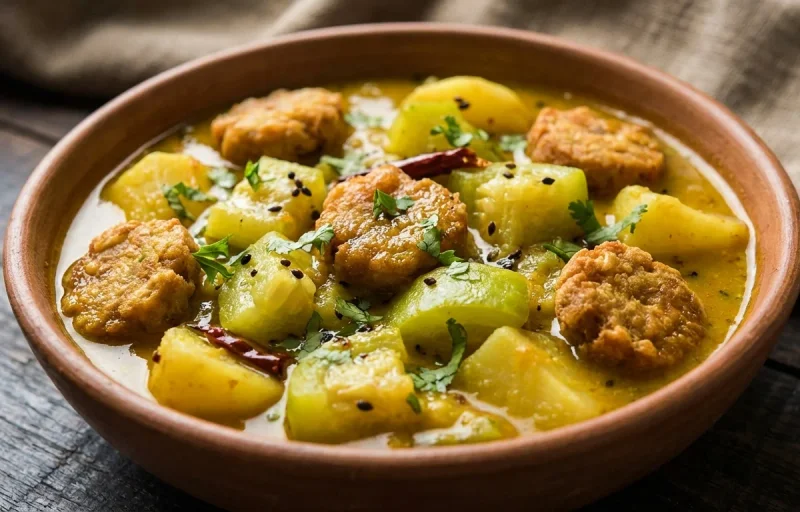
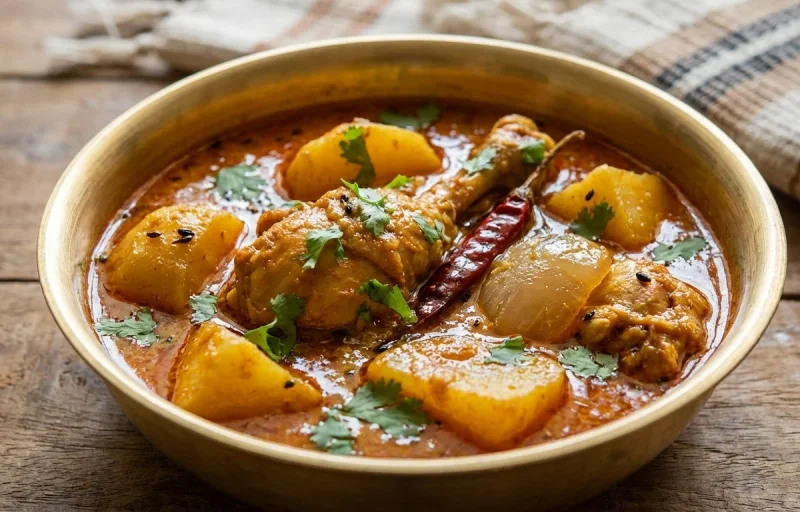
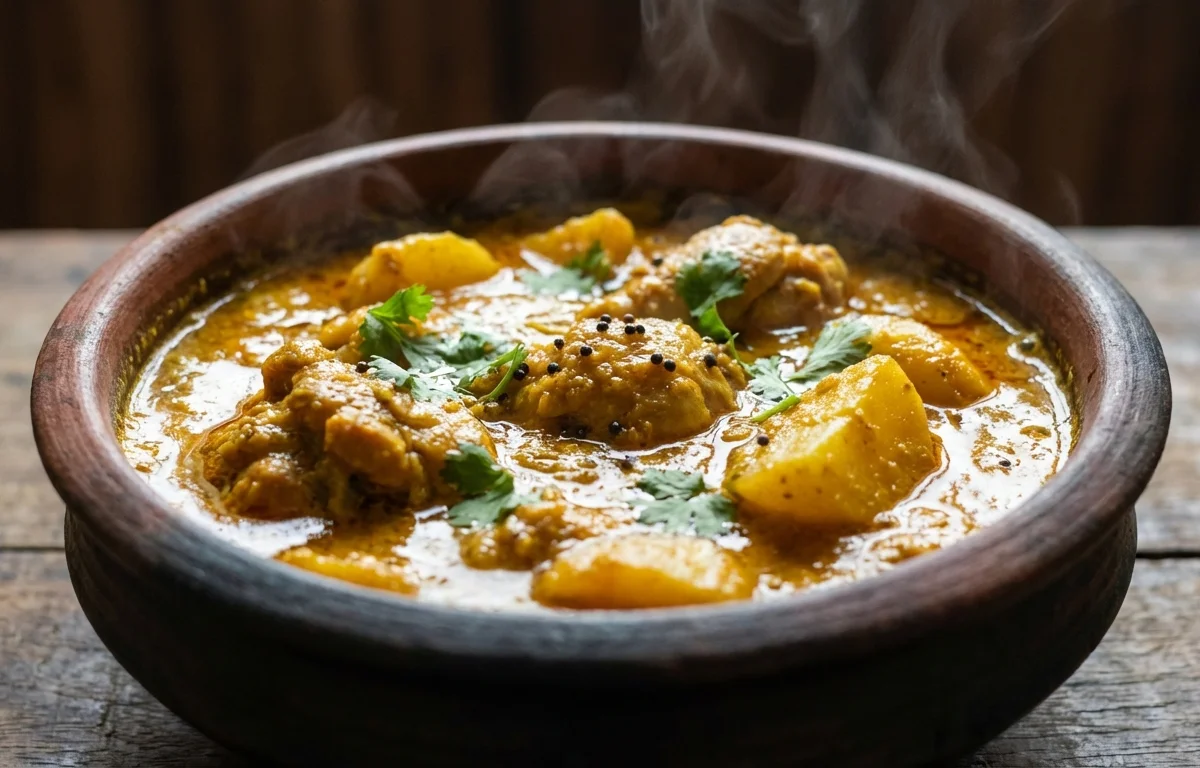
A rustic Odia-style chicken curry where mustard paste takes center stage, giving the gravy a bold, pungent kick that mellows into a creamy, earthy warmth as it cooks. Whole spices, garlic, and green chilies build layers of flavor, while slow simmering makes the chicken tender and succulent. This is the taste of an Odia home kitchen — unpretentious, deeply satisfying, and best mopped up with hot steamed rice.
For 4 servings
- prep
Soak mustard seeds and marinate the chicken.
1.Soak black mustard seeds in ½ cup warm water for 30 minutes.2.Rinse chicken pieces, pat dry, and rub with 1 pinch turmeric and 1 pinch salt.3.Set aside for 15 minutes.TIPSoaking mustard seeds removes bitterness and makes grinding smoother. - prep
Grind the mustard-garlic paste.
1.Drain soaked mustard seeds and add to a mixer grinder.2.Add 6 garlic cloves and 1 green chili.3.Add 2-3 tbsp water and grind to a smooth, thick paste.4.Keep the paste aside.TIPDon't add too much water — a thick paste gives the best flavor. Taste a tiny bit; if overly bitter, add a pinch of salt and let rest 5 minutes. - temper · ~1 min
Temper the whole spices in mustard oil.
1.Heat mustard oil in a heavy-bottomed pan over medium-high heat until it smokes lightly.2.Lower the heat to medium, add cumin seeds and broken dried red chilies.3.Let them splutter and turn fragrant (20-30 seconds).TIPLetting mustard oil reach its smoking point removes its raw pungency and makes it mellow. - saute · ~9 min
Sauté onions, remaining garlic, and green chilies.
1.Add sliced onions to the pan and sauté until golden brown (7-8 minutes).2.Crush the remaining 2 garlic cloves roughly and add them along with the slit green chilies.3.Sauté for 1 minute until the raw garlic smell disappears. - saute · ~7 min
Cook the tomatoes and spice powders.
1.Add chopped tomatoes and cook until they soften and release oil (4-5 minutes).2.Add turmeric powder (1 pinch), cumin powder, coriander powder, and red chili powder.3.Stir well and cook for 2 minutes until the spices are fragrant.TIPCook the spices well — raw spice taste will ruin the gravy. The oil should start separating from the masala. - simmer · ~6 min
Add the mustard paste and cook it thoroughly.
1.Lower the heat to low, add the ground mustard-garlic paste, and stir continuously.2.Cook the paste for 5-6 minutes, stirring often to prevent sticking.3.The paste is ready when the raw mustard smell transforms into a nutty, cooked aroma.TIPMustard paste must be cooked on low heat — high heat makes it bitter and it will splutter everywhere. - simmer · ~30 min
Cook the chicken in the mustard masala.
1.Add the marinated chicken pieces to the pan and stir to coat each piece with the masala.2.Cook on medium heat for 5 minutes, turning the pieces until they are lightly seared.3.Add 0.5 cup water and 0.25 tsp salt, stir well, and bring to a boil.4.Lower heat, cover with a lid, and simmer for 20-25 minutes until chicken is tender.5.Open the lid and check gravy consistency — if too thin, simmer uncovered for 5 more minutes.TIPBone-in chicken releases more flavor into the gravy and stays juicier. Don't rush the simmer — this is where all the flavors marry. - garnish · ~5 min
Finish with fresh coriander and rest the curry.
1.Turn off the heat and sprinkle chopped coriander leaves on top.2.Cover and let the curry rest for 5 minutes before serving.TIPResting lets the mustard flavor settle and mellow further. The gravy thickens slightly as it cools.
What to keep in mind.
6 tips from the recipe — small details that make a real difference to the final dish.
- 1Soaking mustard seeds in warm water for 30 minutes removes bitterness and ensures a smooth, creamy paste.
- 2Cook the mustard paste on low heat only; high heat turns it bitter and causes spluttering.
- 3Use bone-in chicken for deeper flavor and juicier meat — it releases collagen into the gravy.
- 4Let mustard oil reach its smoking point before tempering to mellow its raw pungency.
- 5Rest the finished curry for 5 minutes off the heat so the mustard flavor settles and the gravy thickens slightly.
- 6Taste a tiny bit of the mustard paste after grinding; if overly bitter, stir in a pinch of salt and let it rest 5 minutes.
Adapt it for your goals.
Vegetarian besara
Replace chicken with 400g paneer (cubed) or mixed vegetables like potato, pumpkin, and brinjal. Keep all other steps the same; simmer vegetables until tender. Ideal for a meatless weeknight dinner.
thicker gravyThicker gravy
Add 1 tbsp raw rice flour or gram flour (besan) mixed into a slurry with 2 tbsp water after adding water in step 7. This thickens the gravy and gives a velvety texture, perfect for those who prefer a less runny curry.
extra pungentExtra pungent
Increase black mustard seeds to 3 tbsp and add 1 tsp yellow mustard seeds for a sharper, more complex mustard heat. Best for mustard lovers who want an intense kick.
coconut twistCoconut twist
Stir in 3 tbsp fresh or frozen grated coconut along with the mustard paste. This adds a subtle sweetness and richness that balances the mustard's heat, a common variation in coastal Odia homes.
Why this is on our healthy list.
High-quality protein
Chicken provides lean, complete protein essential for muscle repair and satiety. Bone-in pieces also supply collagen and minerals like calcium and phosphorus.
Packed with anti-inflammatory spices
Turmeric, cumin, and coriander powder contain curcumin and other antioxidants shown to reduce inflammation and aid digestion.
Gut-friendly mustard
Mustard seeds are rich in selenium and glucosinolates, which support digestive health and liver function. Soaking makes them easier to digest.
Low in added fats
This recipe uses a modest 2 tbsp mustard oil for cooking, keeping the fat content reasonable while delivering essential omega-3 fatty acids.
Rich in immune-supporting garlic
Garlic provides allicin, a compound known for its antimicrobial and immune-boosting properties, fresh from 8 cloves used in the paste and sauté.
Frequently asked questions
Yes, but black mustard seeds are preferred for their stronger, more pungent flavor. Yellow seeds are milder and will produce a less intense besara.