Vegetable5 recipes
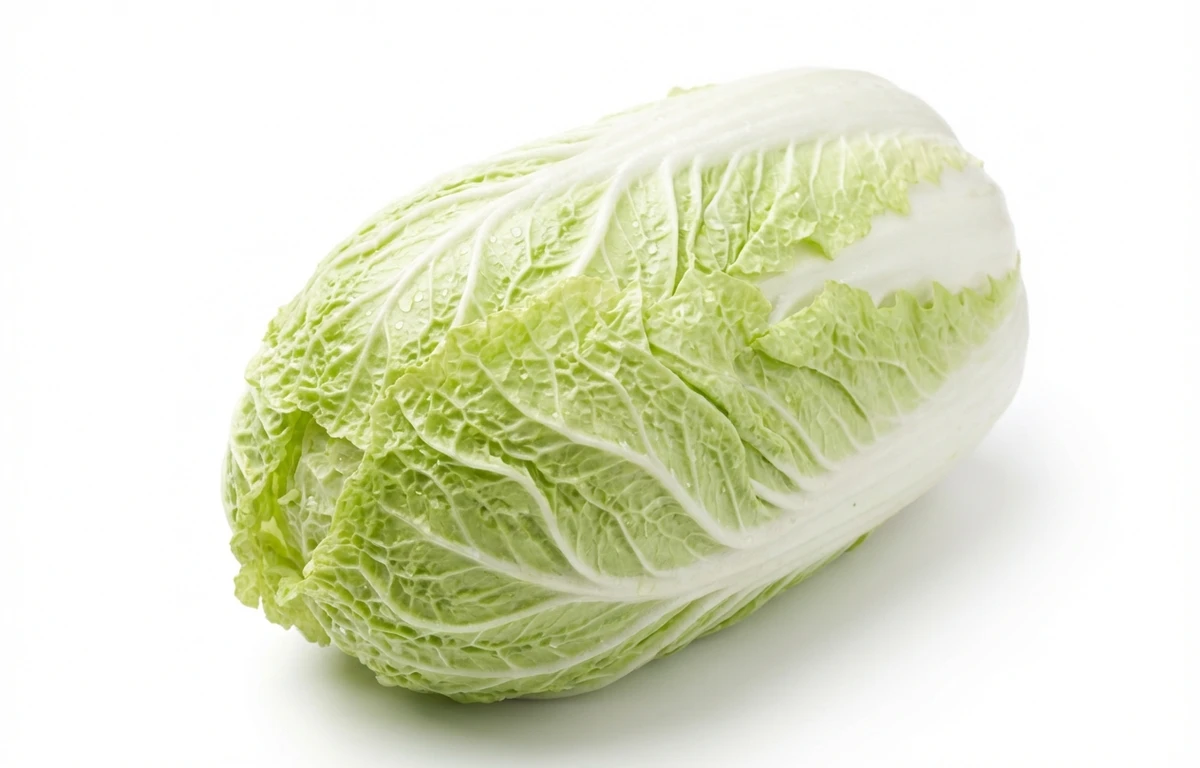
napa cabbage.
VegetarianVeganGluten-freeDairy-freeNut-freePeanut-freeSoy-freeEgg-freeShellfish-freeHoney-freeAlcohol-freeHalalKosher
ALSO KNOWN AS
Peking cabbagewombokChinese cabbagecelery cabbage
SERVING
CALORIES
17
PROTEIN
1.5g
CARBS
2.2g
FAT
0.20g
FIBER
1.0g
This ingredient is flagged as naturally gluten-free.
NUTRITION PROFILE · per 100 g
Everything in this ingredient.
MACRONUTRIENTS
Calories16.6kcal—
Protein1.5g3%
Carbohydrates2.2g1%
Fiber1.0g4%
Sugar1.2g2%
Total fat0.20g0%
Saturated fat0.03g0%
Cholesterol0mg0%
Water95.4g—
MINERALS
Sodium9.0mg0%
Potassium252mg5%
Calcium40mg3%
Iron0.40mg2%
Magnesium11.3mg3%
Phosphorus34.4mg3%
Zinc0.25mg2%
Copper0.02mg2%
Manganese0.20mg9%
VITAMINS
Vitamin A22µg2%
Vitamin C27mg30%
Vitamin D0µg0%
Thiamin (B1)0.04mg3%
Riboflavin (B2)0.04mg3%
Niacin (B3)0.40mg3%
Vitamin B60.09mg5%
%DV based on a 2,000 cal diet. Source: USDA FoodData Central. A dash in the %DV column means there’s no established Daily Value for that nutrient.
MEASUREMENT CONVERSIONS
How much is what.
1 cup70g
1 tablespoon4.4g
1 teaspoon1.5g
1 oz28.4g
1 lb453.6g
1 ml0.3g
1 liter291.7g
1 piece900g
HEALTH BENEFITS
Why eat it.
- ✓Excellent source of dietary fiber, promoting digestive health and regularity.
COOKING TIPS
In the kitchen.
- 1For stir-fries, separate the crisp white stems from the tender green leaves. Cook the stems first for a minute or two before adding the leaves, which cook much faster.
- 2Shred raw napa cabbage for a crisp and refreshing base for salads and slaws; its mild flavor pairs well with a variety of dressings.
- 3Its tender leaves are excellent for wrapping fillings, such as in dumplings or rolls, and can be steamed or blanched.
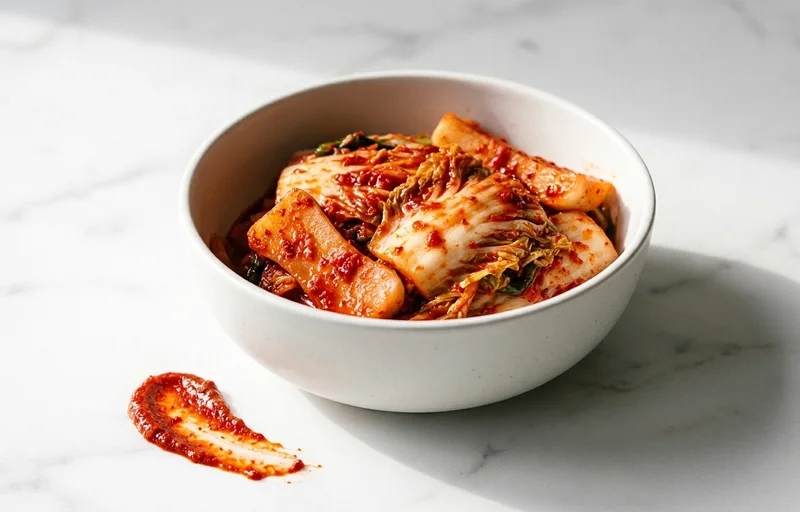
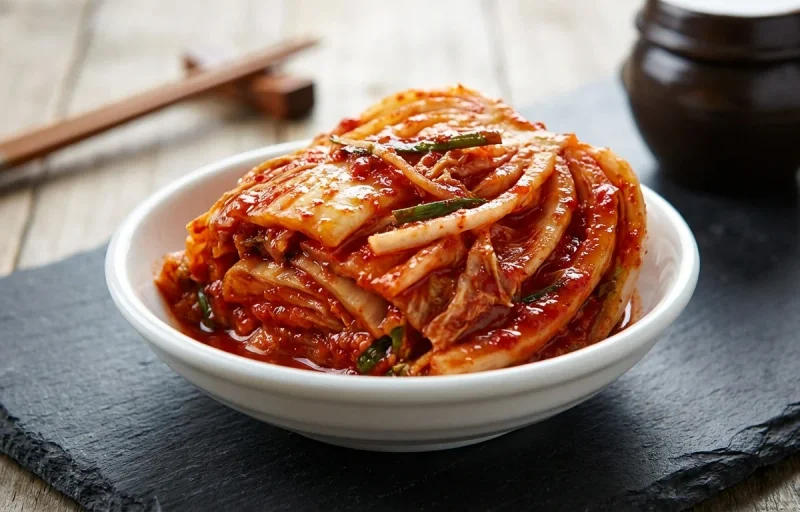
- 4Napa cabbage is the traditional choice for making kimchi, a fermented Korean dish, due to its ability to absorb flavors while retaining a slight crunch.
STORAGE
Keep it fresh.
- Store the whole, unwashed head in a plastic bag in the refrigerator's crisper drawer for up to two weeks.
- Once cut, wrap the remaining portion tightly in plastic wrap or place in an airtight container and use within 3-4 days to maintain crispness.
FAQ
Frequently asked questions.
Is napa cabbage keto-friendly?
Yes, napa cabbage is very keto-friendly. It contains only 2.2g of carbohydrates per 100g, making it a great low-carb vegetable option for those following a ketogenic diet. It can be used in various keto recipes.
Is napa cabbage gluten-free and vegan?
Yes, napa cabbage is naturally gluten-free and vegan. As a vegetable, it contains no animal products or gluten-containing grains, making it suitable for a wide range of dietary preferences and restrictions.
How do you cook napa cabbage?
Napa cabbage is incredibly versatile. It can be stir-fried, sautéed, steamed, added to soups and stews, or used in kimchi. Its tender leaves cook quickly, making it a great addition to quick meals.
Can you eat napa cabbage raw?
Yes, napa cabbage can be eaten raw. Its crisp texture and mild flavor make it an excellent addition to salads, slaws, or as a crunchy wrap for other ingredients. Ensure it's thoroughly washed before consuming raw.
What does napa cabbage taste like?
Napa cabbage has a mild, slightly sweet flavor with a crisp, tender texture. It's less peppery than green cabbage and absorbs flavors well from other ingredients, making it a versatile base for many dishes.
How do you store napa cabbage?
To keep napa cabbage fresh, store it unwashed in a plastic bag in the crisper drawer of your refrigerator. It can typically last for 1-2 weeks when stored properly. Wash only right before use.
How do I choose a fresh napa cabbage?
Look for a head of napa cabbage that feels firm and heavy for its size. The leaves should be crisp, vibrant green at the top, and free from wilting, blemishes, or yellowing. Avoid heads with soft spots or discoloration.
RECIPES
Cook with napa cabbage.
5 recipes · sorted by what’s quick