Other10 recipes
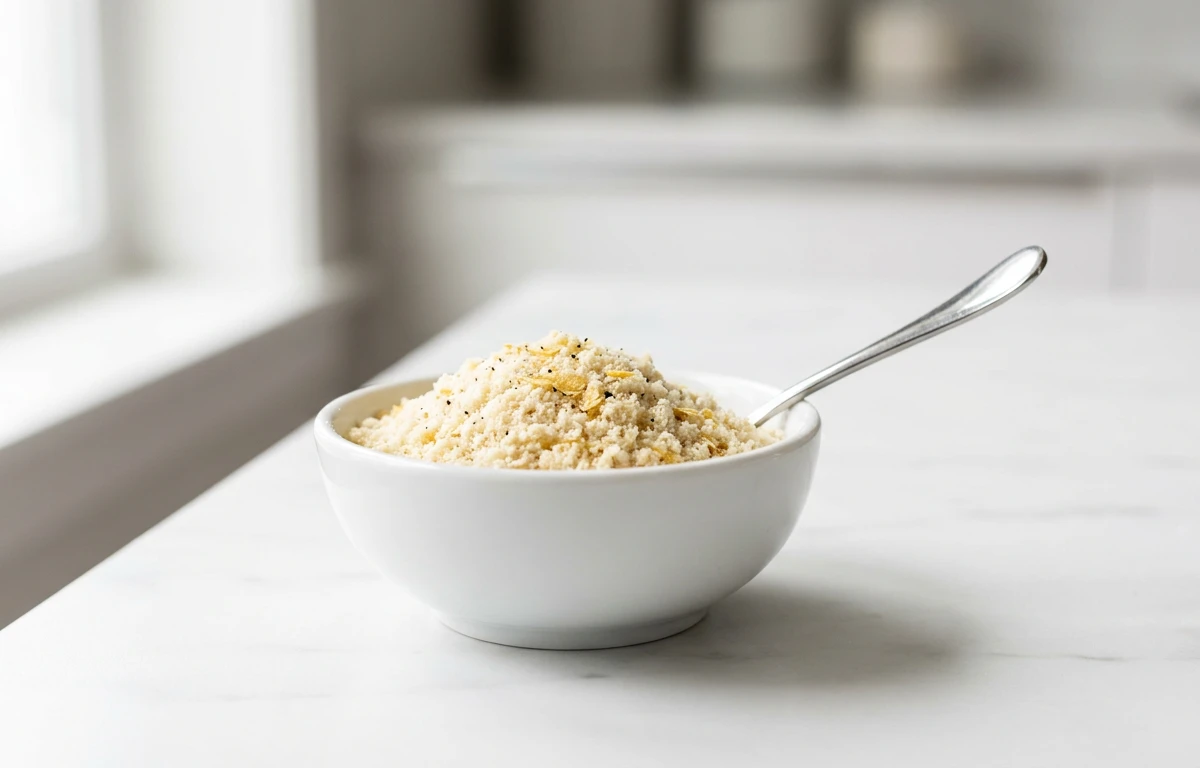
nutritional yeast.
VegetarianVeganGluten-freeDairy-freeNut-freePeanut-freeSoy-freeEgg-freeShellfish-freeHoney-freeAlcohol-freeFermented
ALSO KNOWN AS
noochsavoury yeast flakes
SERVING
CALORIES
388
PROTEIN
50g
CARBS
35g
FAT
5.0g
FIBER
20g
NUTRITION PROFILE · per 100 g
Everything in this ingredient.
MACRONUTRIENTS
Calories388kcal—
Protein50g100%
Carbohydrates35g13%
Fiber20g71%
Sugar0g0%
Total fat5.0g6%
Saturated fat1.0g5%
Trans fat0g—
Cholesterol0mg0%
Water5.0g—
MINERALS
Sodium50mg2%
Potassium1500mg32%
Calcium50mg4%
Iron2.0mg11%
Magnesium100mg24%
Phosphorus1000mg80%
Zinc10mg91%
Copper0.50mg56%
Manganese0.50mg22%
Selenium10µg18%
VITAMINS
Vitamin A0µg0%
Vitamin C0mg0%
Vitamin D0µg0%
Vitamin E0mg0%
Vitamin K0µg0%
Thiamin (B1)20mg1667%
Riboflavin (B2)20mg1538%
Niacin (B3)100mg625%
Pantothenic acid (B5)10mg200%
Vitamin B610mg588%
Folate (B9)2500µg625%
Vitamin B1250µg2083%
%DV based on a 2,000 cal diet. Source: USDA FoodData Central. A dash in the %DV column means there’s no established Daily Value for that nutrient.
MEASUREMENT CONVERSIONS
How much is what.
1 cup85g
1 tablespoon5g
1 teaspoon2g
1 ml0.4g
1 liter333.3g
1 piece50g
HEALTH BENEFITS
Why eat it.
- ✓Excellent source of B vitamins, especially B12, which is crucial for energy production and nerve function, particularly in vegan diets.
- ✓Provides all nine essential amino acids, making it a complete protein source that supports muscle repair and growth.
- ✓Contains antioxidants like glutathione and selenomethionine, which help protect cells from oxidative stress and damage.
- ✓Rich in beta-glucan, a type of soluble fiber that may help boost the immune system and lower cholesterol levels.
COOKING TIPS
In the kitchen.
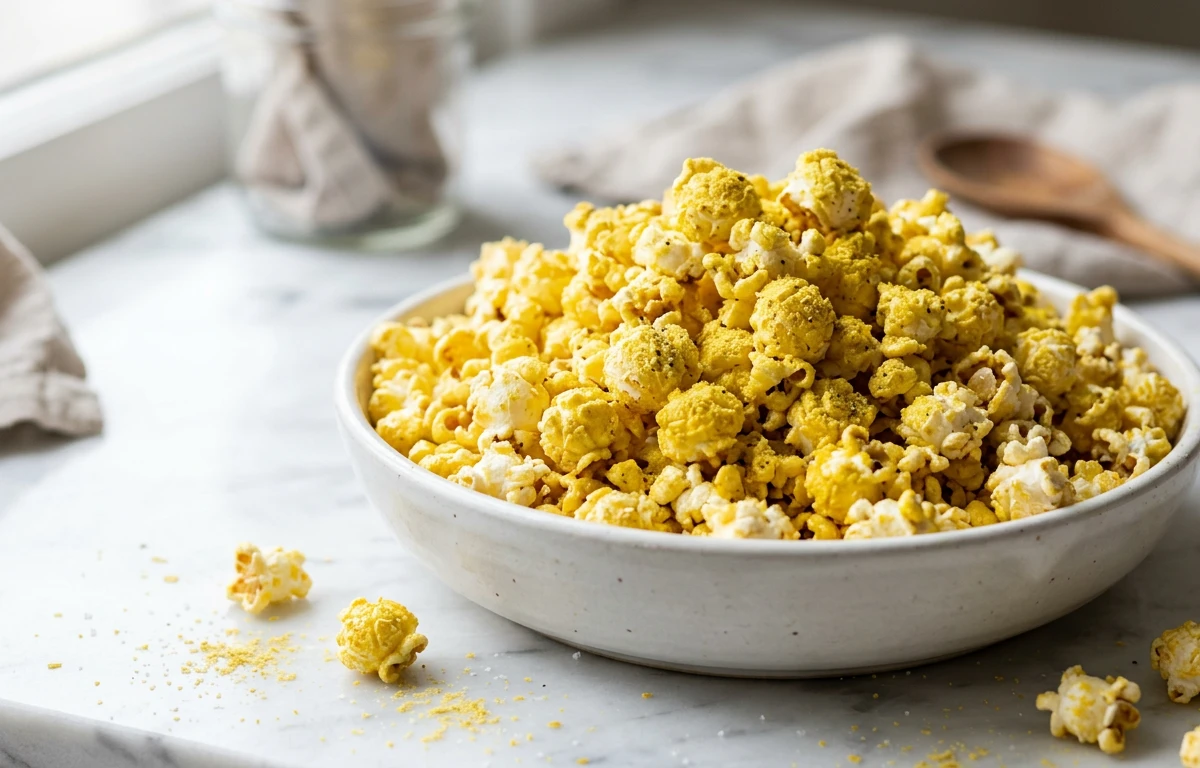
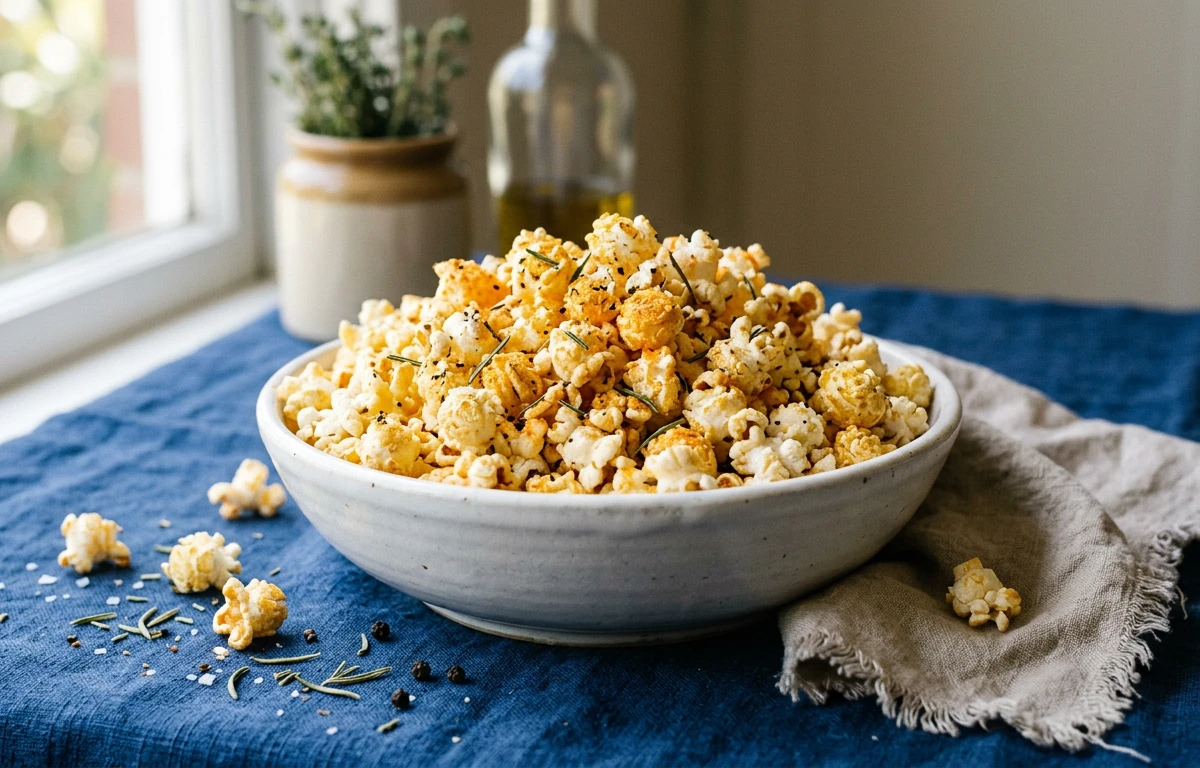
- 1Sprinkle over popcorn, pasta, salads, or roasted vegetables as a savory, cheesy-tasting topping.
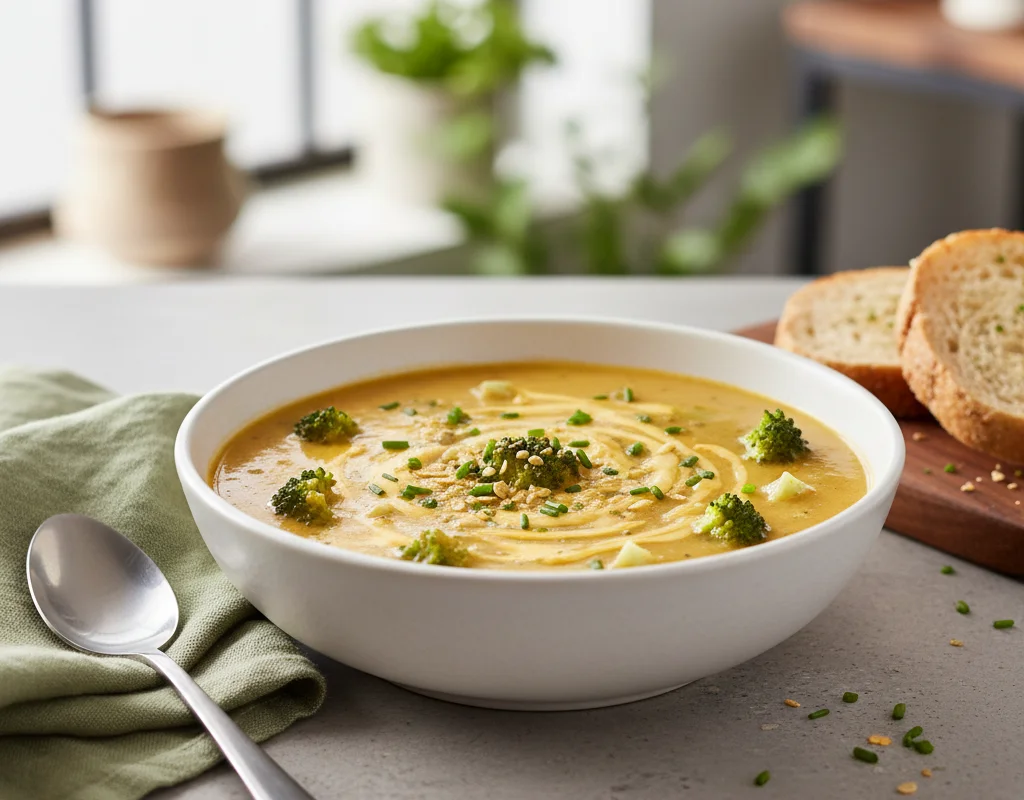
- 2Stir into soups, stews, and gravies to add a rich umami flavor and to act as a natural thickener.
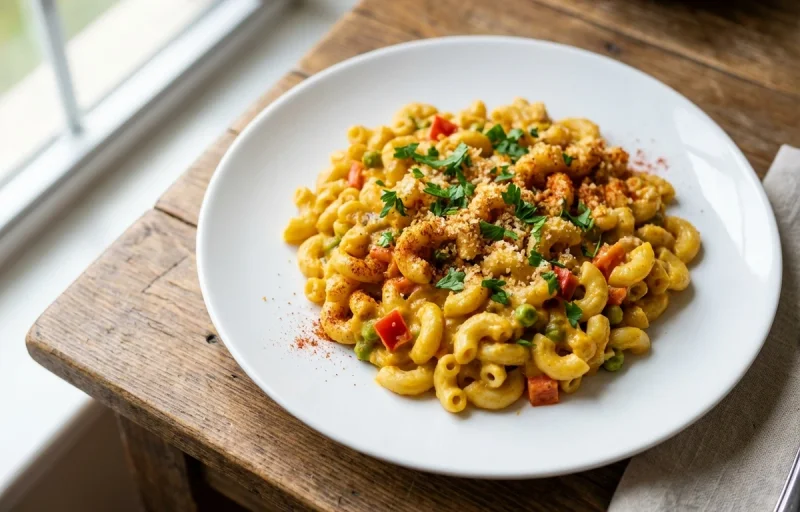
- 3Blend with soaked cashews, water, and seasonings to create a creamy, dairy-free cheese sauce for nachos or macaroni.
- 4To preserve its heat-sensitive B vitamins, add nutritional yeast towards the end of the cooking process or use it in no-cook recipes.
STORAGE
Keep it fresh.
- Store in a cool, dark, and dry place, such as a pantry or cupboard, to maintain its flavor and nutritional value.
- Keep in an airtight container to prevent moisture absorption, which can cause clumping and spoilage.
- For long-term storage, especially in warm or humid climates, it can be refrigerated or frozen to extend its shelf life up to two years.
FAQ
Frequently asked questions.
Is nutritional yeast healthy?
Yes, nutritional yeast is highly nutritious. It's an excellent source of B vitamins, including B12, and provides all nine essential amino acids, making it a complete protein. It also contains antioxidants and beta-glucan, which supports immune health.
What are the nutritional benefits of nutritional yeast?
Nutritional yeast is packed with B vitamins, crucial for energy and nerve function, especially B12 for vegans. It's a complete protein, aiding muscle repair, and contains antioxidants that protect cells. Its beta-glucan content may also boost immunity and help lower cholesterol.
How much protein is in nutritional yeast?
Nutritional yeast is a protein powerhouse, with approximately 50g of protein per 100g. This makes it an excellent plant-based source of complete protein, providing all essential amino acids necessary for the body.
Is nutritional yeast vegan?
Yes, nutritional yeast is inherently vegan. It is a deactivated yeast, typically grown on molasses, and contains no animal products or by-products, making it a popular staple in plant-based diets.
Is nutritional yeast gluten-free?
Yes, nutritional yeast is naturally gluten-free. It is not derived from wheat, barley, or rye. However, always check the product label for certification to ensure there's no cross-contamination during processing if you have severe gluten sensitivity.
Is nutritional yeast keto-friendly?
While nutritional yeast contains carbohydrates (35g per 100g), it's typically used in small serving sizes (e.g., 1-2 tablespoons). A typical serving contains only a few grams of carbs, making it generally suitable for keto diets when used sparingly as a flavor enhancer.
What does nutritional yeast taste like and how is it used?
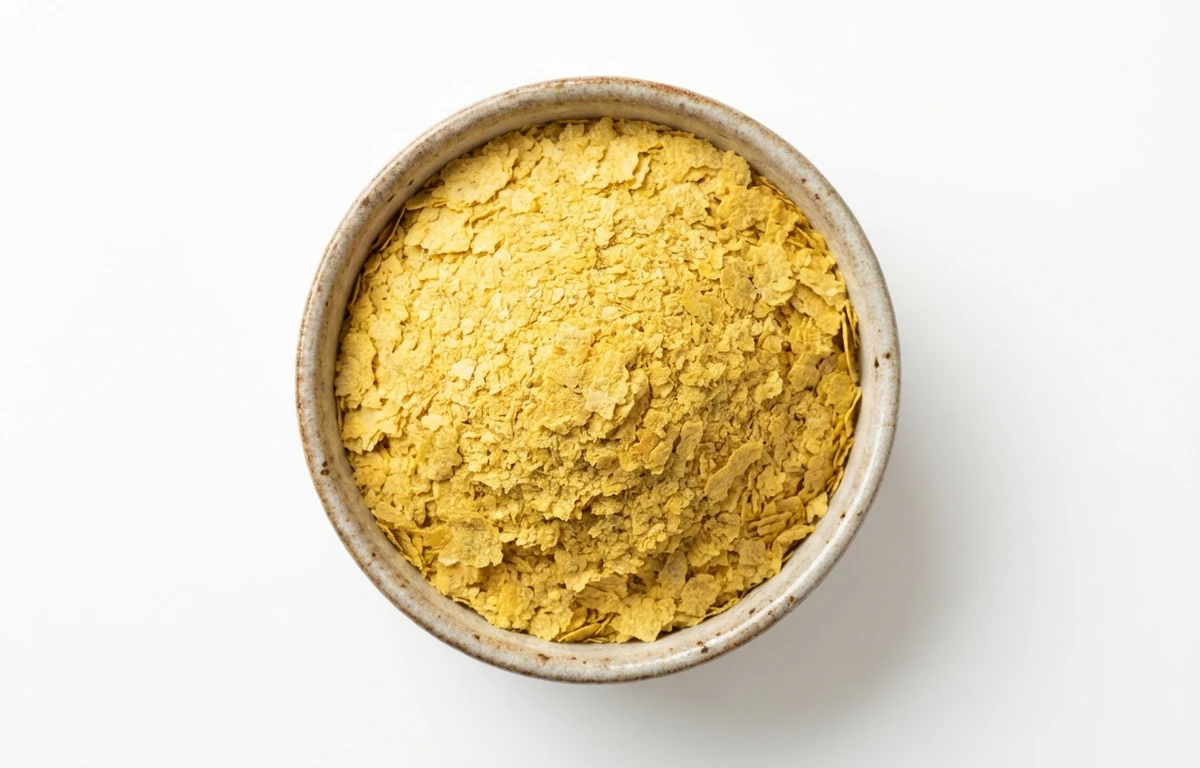
Nutritional yeast has a savory, cheesy, and slightly nutty flavor, often described as umami. It's commonly used as a seasoning for popcorn, sprinkled over pasta, added to sauces for a cheesy flavor, or used in vegan cheese substitutes.
Can nutritional yeast be cooked or heated?
Yes, nutritional yeast can be cooked or heated, but excessive heat can reduce the potency of some B vitamins, particularly B1. For maximum nutritional benefit, it's often added at the end of cooking or sprinkled on dishes after preparation.
How should I store nutritional yeast?
Nutritional yeast should be stored in an airtight container in a cool, dark, and dry place, such as a pantry. Proper storage helps maintain its flavor and extends its shelf life, typically for up to two years.
Does nutritional yeast contain live yeast?
No, nutritional yeast does not contain live yeast. It is made from a strain of Saccharomyces cerevisiae that has been deactivated with heat during processing, meaning it cannot cause yeast infections or leaven bread.
RECIPES
Cook with nutritional yeast.
10 recipes · sorted by what’s quick