
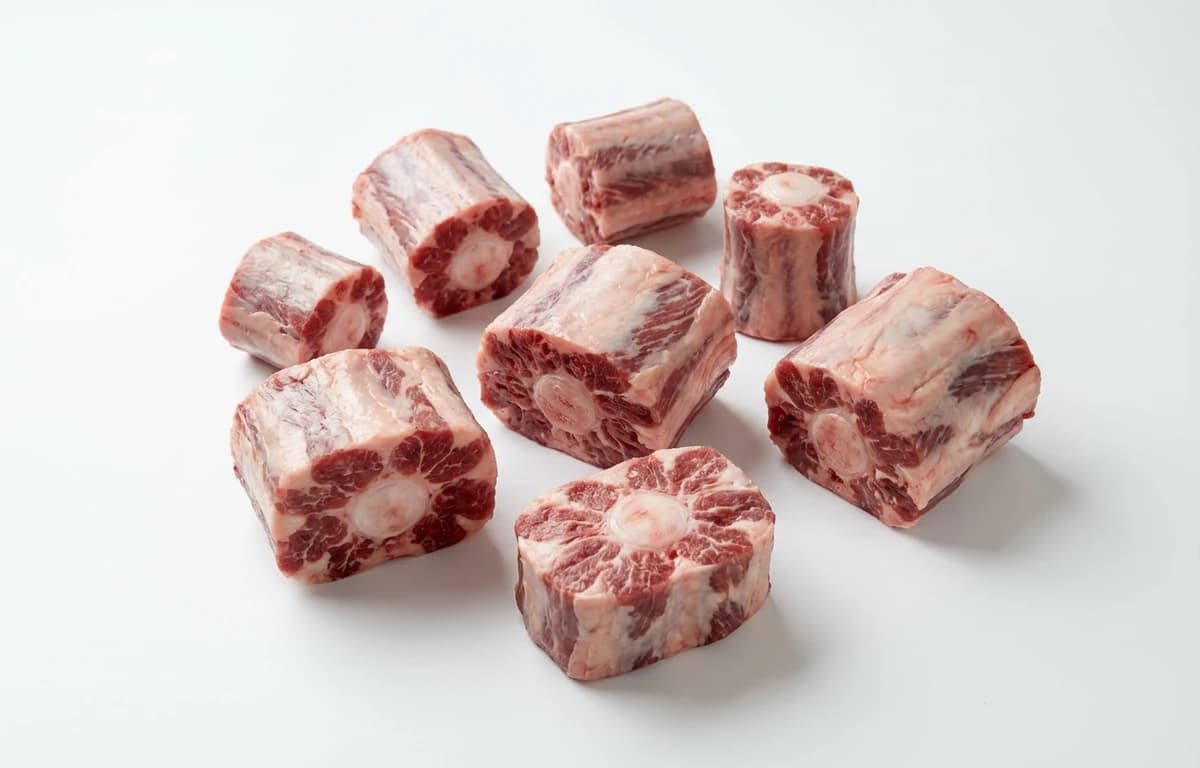
oxtail
Also known as: bullock's tail
Loading...
Also known as: bullock's tail
Per 100g
Nutrition data source: USDA FoodData Central
Common measurement equivalents in grams
A classic Karnataka one-pot meal, reimagined for a low-glycemic diet. This version uses wholesome foxtail millet instead of rice, combined with lentils and vegetables in a fragrant, spicy tamarind broth. It's comfort food that's both hearty and healthy.
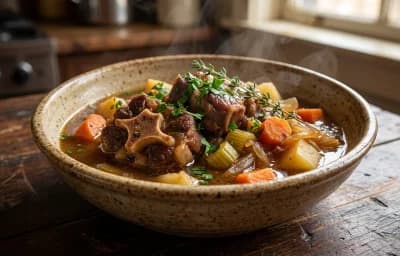
Fall-off-the-bone tender oxtails simmered in a rich, savory beef broth with hearty vegetables. This classic Southern comfort food is slow-cooked to perfection, creating a deeply flavorful and satisfying meal.
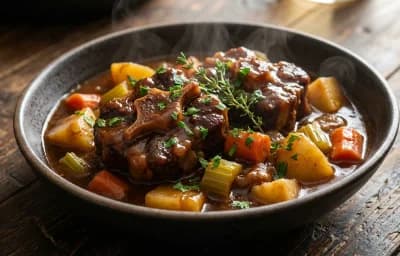
Fall-off-the-bone tender oxtail slow-braised in a rich, savory gravy with hearty root vegetables. This Southern comfort food classic is deeply flavorful and perfect for a cozy family dinner, especially when served over creamy grits or rice.
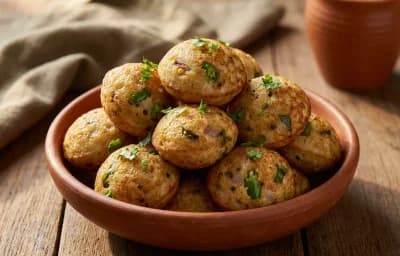
Fluffy, savory pan-fried dumplings made from healthy foxtail millet. These gluten-free Thinai Paniyaram are a traditional South Indian breakfast, perfectly crispy on the outside and soft inside. Best served with coconut or tomato chutney.
Oxtail is a nutrient-dense cut of meat, rich in protein, iron, and essential minerals like zinc and selenium. It's particularly valued for its high collagen and gelatin content, which support joint and gut health. However, it is also high in fat and calories, so it's best enjoyed in moderation as part of a balanced diet.
Oxtail is an excellent source of collagen and gelatin, which are beneficial for joint health, skin elasticity, and gut integrity. It provides high-quality complete protein for muscle repair and growth, and is rich in iron, crucial for preventing anemia. Additionally, it contains zinc and selenium, supporting immune function and acting as antioxidants.
Per 100g, oxtail contains approximately 262 calories and 27.6g of protein. It also has 16.7g of fat and 0g of carbohydrates, making it a substantial source of energy and protein.
Yes, oxtail is very keto-friendly and suitable for low-carb diets. It contains 0g of carbohydrates per 100g, along with a good balance of protein and fat, making it an excellent choice for those following these dietary approaches.
Yes, oxtail is naturally gluten-free. As a pure cut of meat, it does not contain any gluten. However, always check ingredients if purchasing pre-marinated or processed oxtail products to ensure no gluten-containing additives have been used.
Oxtail is best cooked using slow, moist heat methods like braising, stewing, or slow-cooking. This breaks down the tough connective tissues and renders the meat incredibly tender and flavorful, while also extracting the beneficial collagen and gelatin into a rich sauce or broth.
oxtail is a versatile ingredient found in cuisines around the world. With 262 calories per 100g and 27.6 grams of protein, it's a nutritious addition to many dishes.
Explore more ingredients in the other category with complete nutrition information.
View all other →Oxtail has a rich, deep beefy flavor, often described as more intense than other beef cuts. When properly slow-cooked, its texture becomes incredibly tender, falling off the bone, with a luxurious, gelatinous mouthfeel due to its high collagen content.
Fresh oxtail should be stored in the coldest part of your refrigerator, ideally in its original packaging or a sealed container, for no more than 1-2 days. For longer storage, it is best to freeze it.
Cooked oxtail, when properly stored in an airtight container, can last for 3-4 days in the refrigerator. Ensure it cools down quickly before refrigerating to maintain freshness and safety.
Yes, oxtail can be frozen both raw and cooked. Raw oxtail can be frozen for up to 6-12 months, while cooked oxtail can be frozen for 2-3 months. Wrap it tightly in freezer-safe packaging to prevent freezer burn.