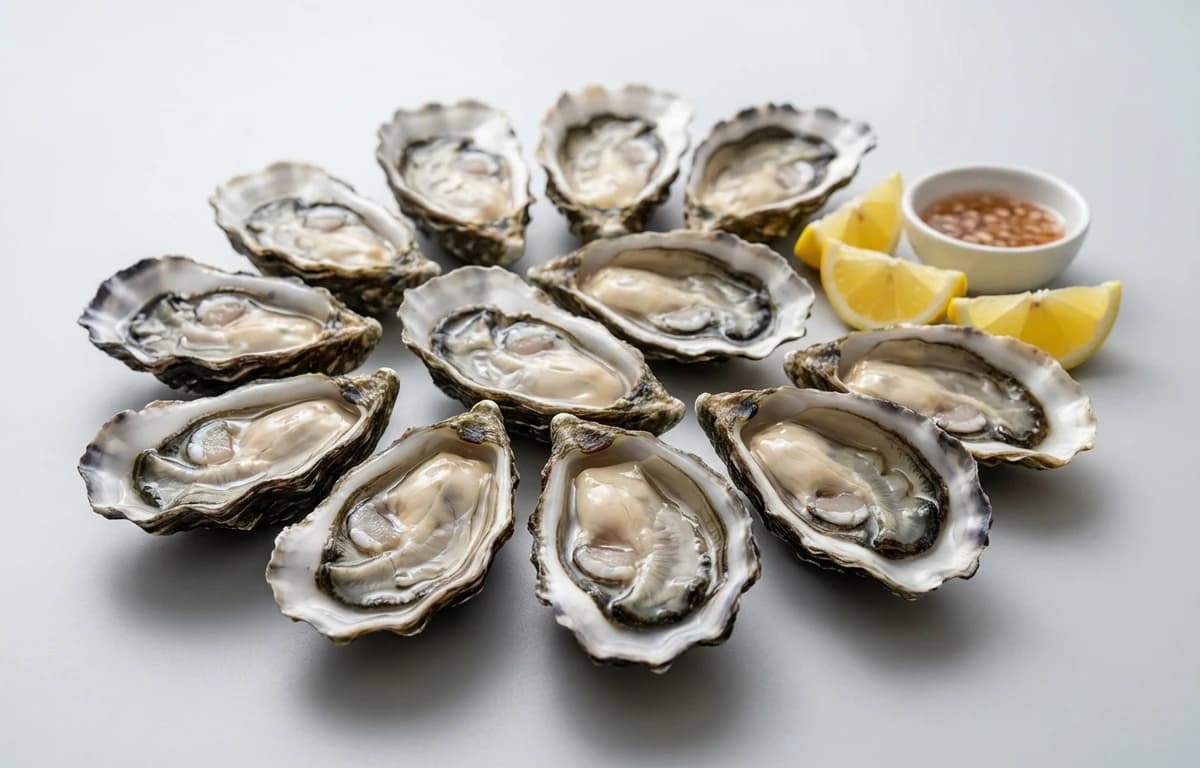
oyster
Also known as: sea oyster, true oyster
Loading...
Also known as: sea oyster, true oyster
Per 100g
Nutrition data source: USDA FoodData Central
Common measurement equivalents in grams
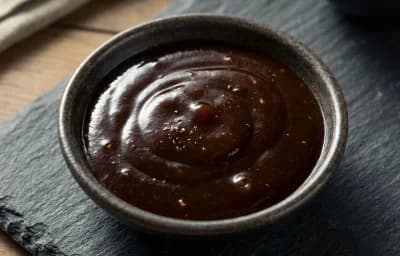
A classic Japanese sauce with a perfect balance of sweet, savory, and tangy flavors. This authentic homemade recipe combines ketchup, Worcestershire, oyster sauce, and mirin to create the quintessential dipping sauce for crispy pork or chicken katsu. Ready in just 5 minutes, it's a simple way to elevate your meal.
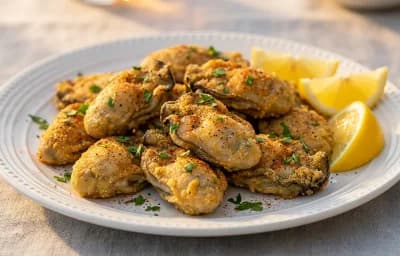
Plump, juicy oysters coated in a seasoned cornmeal crust and pan-fried to a perfect golden brown. Crispy on the outside, tender on the inside, this classic coastal favorite is ready in minutes and perfect with a squeeze of fresh lemon.

Crispy, golden-brown oysters with a savory, seasoned cornmeal crust. This classic Southern delicacy is juicy on the inside, crunchy on the outside, and perfect with a squeeze of fresh lemon and a side of tangy tartar sauce.
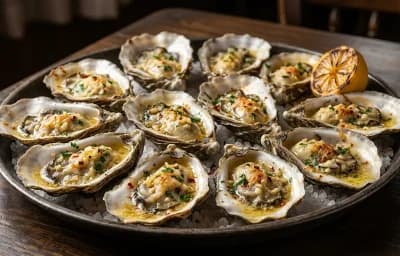
Freshly shucked oysters are grilled on the half shell with a savory garlic-herb butter and a sprinkle of Parmesan cheese. This elegant appetizer is surprisingly simple to make, perfect for summer barbecues, and ready in about 30 minutes.
Yes, oysters are highly nutritious. They are an excellent source of essential vitamins and minerals, including zinc, vitamin B12, and iron, which support immune function, nerve health, and energy levels. They also provide high-quality protein and beneficial omega-3 fatty acids.
Oysters are exceptionally rich in zinc, vital for immunity and wound healing, and vitamin B12, crucial for nerve and blood cell health. They also provide iron to prevent anemia, vitamin D for bone health, and omega-3 fatty acids for heart health, making them a nutrient-dense food.
Per 100g, oysters contain approximately 68 calories and 6.92g of protein. They are a low-calorie, high-protein food, making them a good choice for those monitoring their caloric intake while seeking a complete protein source.
Yes, fresh, plain oysters are naturally gluten-free. However, if they are breaded, fried, or served with certain sauces, they may contain gluten, so always check preparation methods and ingredients.
Yes, oysters can be part of a ketogenic diet. With only 4g of carbohydrates and 1.95g of fat per 100g, they are relatively low in carbs and provide protein, fitting well into a low-carb eating plan.
Oysters can be enjoyed in various ways: raw on the half shell, grilled, baked, fried, or steamed. Popular cooked preparations include Oysters Rockefeller, oyster stew, or simply pan-fried with a light breading.
The taste of oysters varies depending on their origin, but generally, they have a briny, fresh, and slightly sweet flavor with a creamy, sometimes metallic, texture. They often carry notes of the ocean, cucumber, or even melon.
oyster is a versatile ingredient found in cuisines around the world. With 68 calories per 100g and 6.92 grams of protein, it's a nutritious addition to many dishes.
Explore more ingredients in the other category with complete nutrition information.
View all other →Store live, unshucked oysters in the refrigerator, cup-side down, covered with a damp cloth or paper towel. Do not store them in airtight containers or submerged in water, as they need to breathe. They typically last 5-7 days when stored properly.
Fresh oysters should have tightly closed shells. If a shell is open, tap it; it should close immediately. Discard any oysters that remain open, have a strong, unpleasant odor, or feel unusually light.
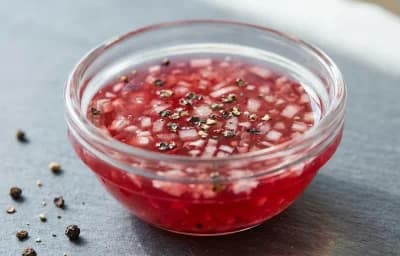
Yes, oysters are commonly eaten raw, especially on the half shell, often with a squeeze of lemon or a mignonette. However, consuming raw oysters carries a risk of foodborne illness, particularly for individuals with weakened immune systems, so ensure they come from a reputable source.