Other10 recipes
papaya.
VegetarianVeganGluten-freeDairy-freeNut-freePeanut-freeSoy-freeEgg-freeShellfish-freeHoney-freeAlcohol-free
ALSO KNOWN AS
pawpawpapitamamaocarica papayatree melon
SERVING
CALORIES
43
PROTEIN
0.50g
CARBS
10.8g
FAT
0.30g
FIBER
1.7g
NUTRITION PROFILE · per 100 g
Everything in this ingredient.
MACRONUTRIENTS
Calories43kcal—
Protein0.50g1%
Carbohydrates10.8g4%
Fiber1.7g6%
Sugar7.8g16%
Total fat0.30g0%
Saturated fat0.10g1%
Trans fat0g—
Cholesterol0mg0%
Water88.1g—
MINERALS
Sodium8.0mg0%
Potassium182mg4%
Calcium20mg2%
Iron0.30mg2%
Magnesium21mg5%
Phosphorus10mg1%
Zinc0.10mg1%
Copper0.05mg6%
Manganese0.04mg2%
Selenium0.60µg1%
VITAMINS
Vitamin A47µg5%
Vitamin C60.9mg68%
Vitamin D0µg0%
Vitamin E0.30mg2%
Vitamin K2.6µg2%
Thiamin (B1)0.03mg3%
Riboflavin (B2)0.03mg2%
Niacin (B3)0.36mg2%
Pantothenic acid (B5)0.19mg4%
Vitamin B60.04mg2%
Folate (B9)37µg9%
Vitamin B120µg0%
%DV based on a 2,000 cal diet. Source: USDA FoodData Central. A dash in the %DV column means there’s no established Daily Value for that nutrient.
MEASUREMENT CONVERSIONS
How much is what.
1 cup145g
1 tablespoon14.4g
1 oz28.4g
1 lb453.6g
1 piece500g
HEALTH BENEFITS
Why eat it.
- ✓Contains papain enzyme which aids in protein digestion
- ✓High in Vitamin C to support immune system function
- ✓Rich in antioxidants like lycopene for heart health
- ✓Provides fiber to promote regular bowel movements
- ✓Contains Vitamin A and flavonoids for eye health
COOKING TIPS
In the kitchen.
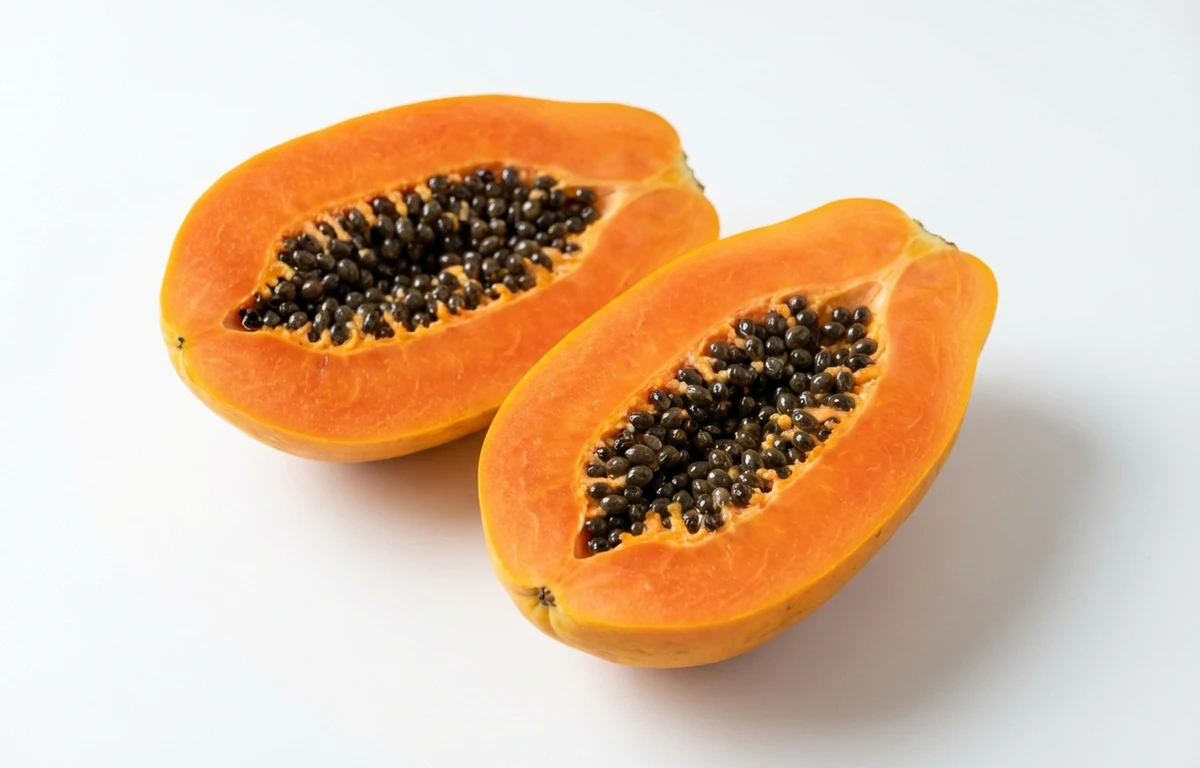
- 1Scoop out the black seeds before eating; though edible, they have a sharp, peppery taste
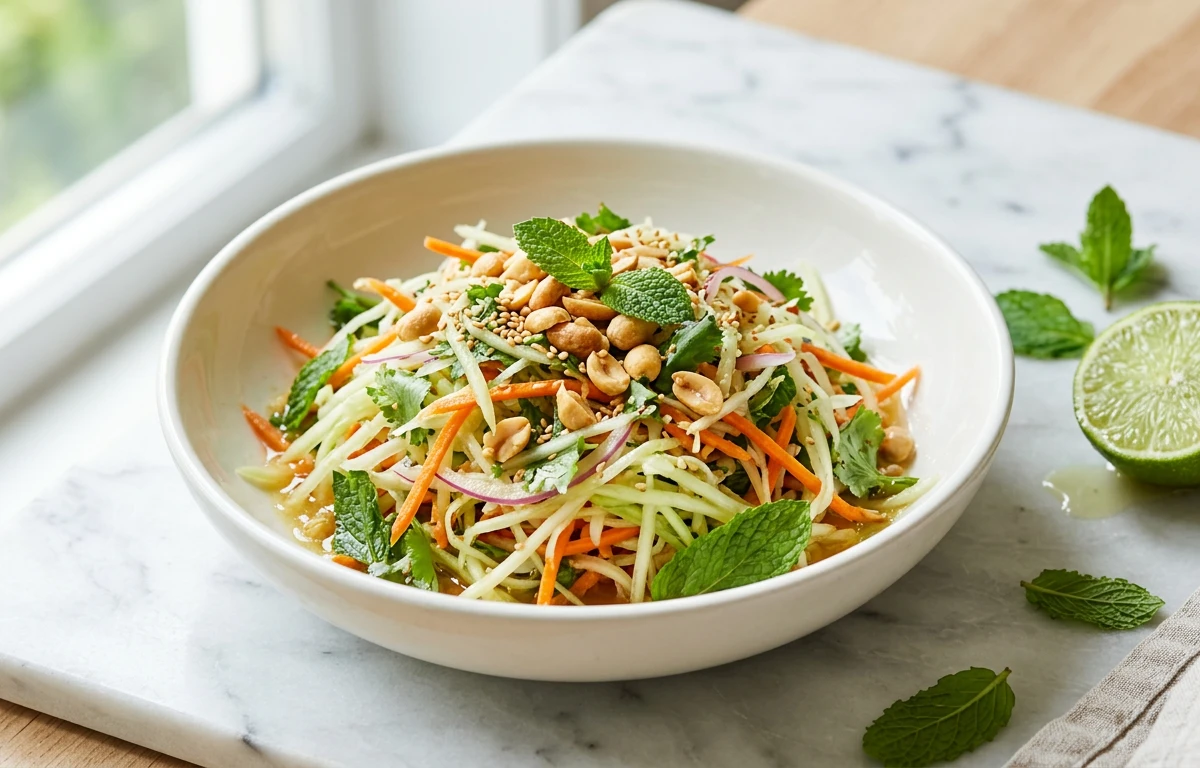
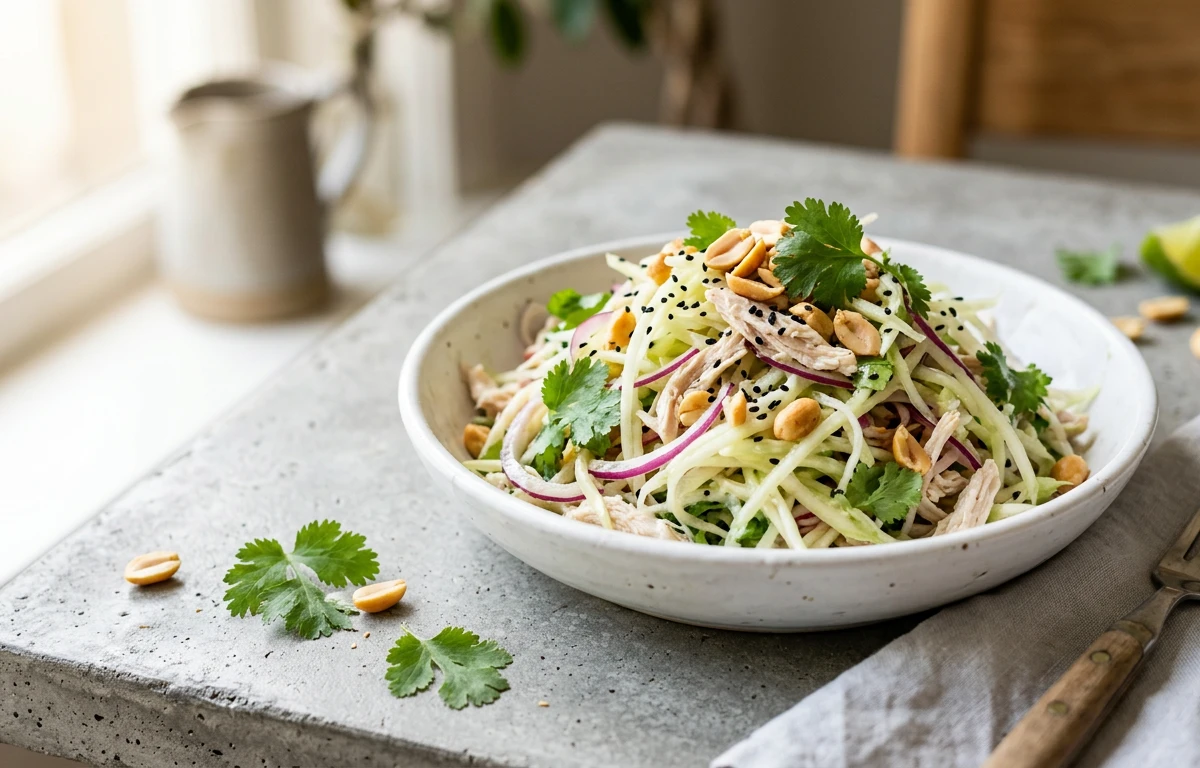
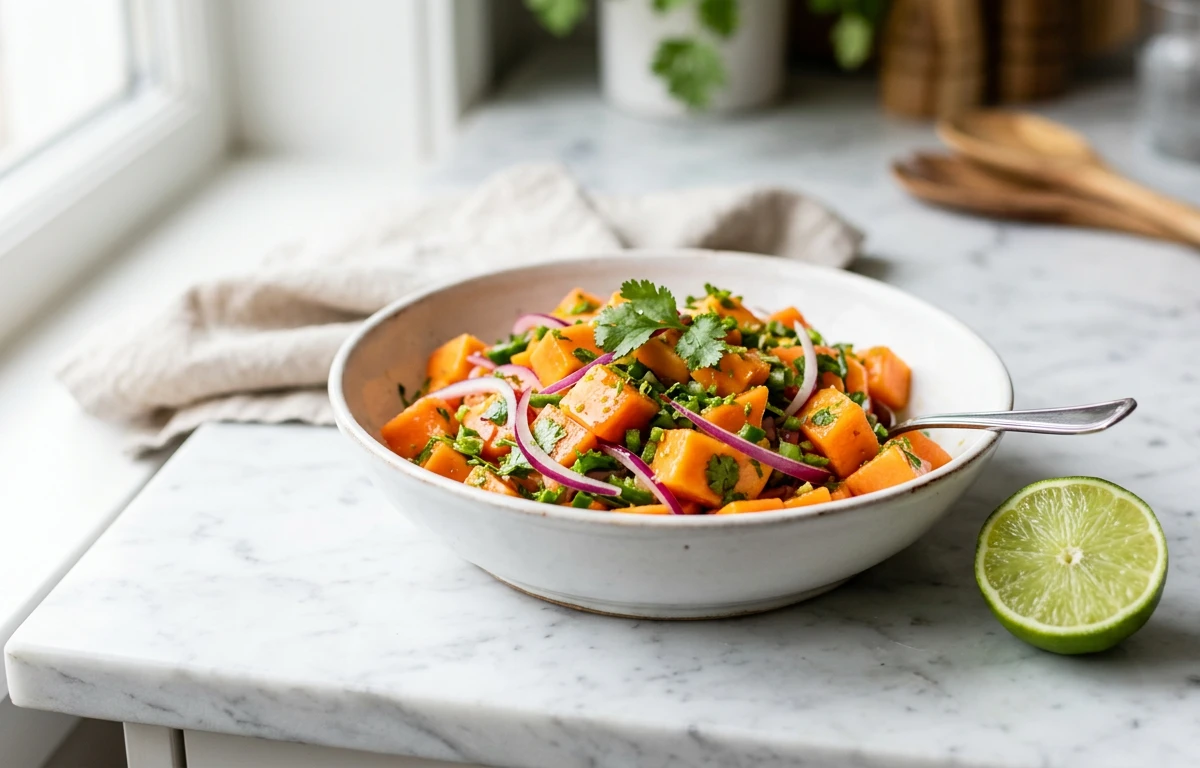
- 2Use green (unripe) papaya for savory salads like Thai Som Tum or in stews
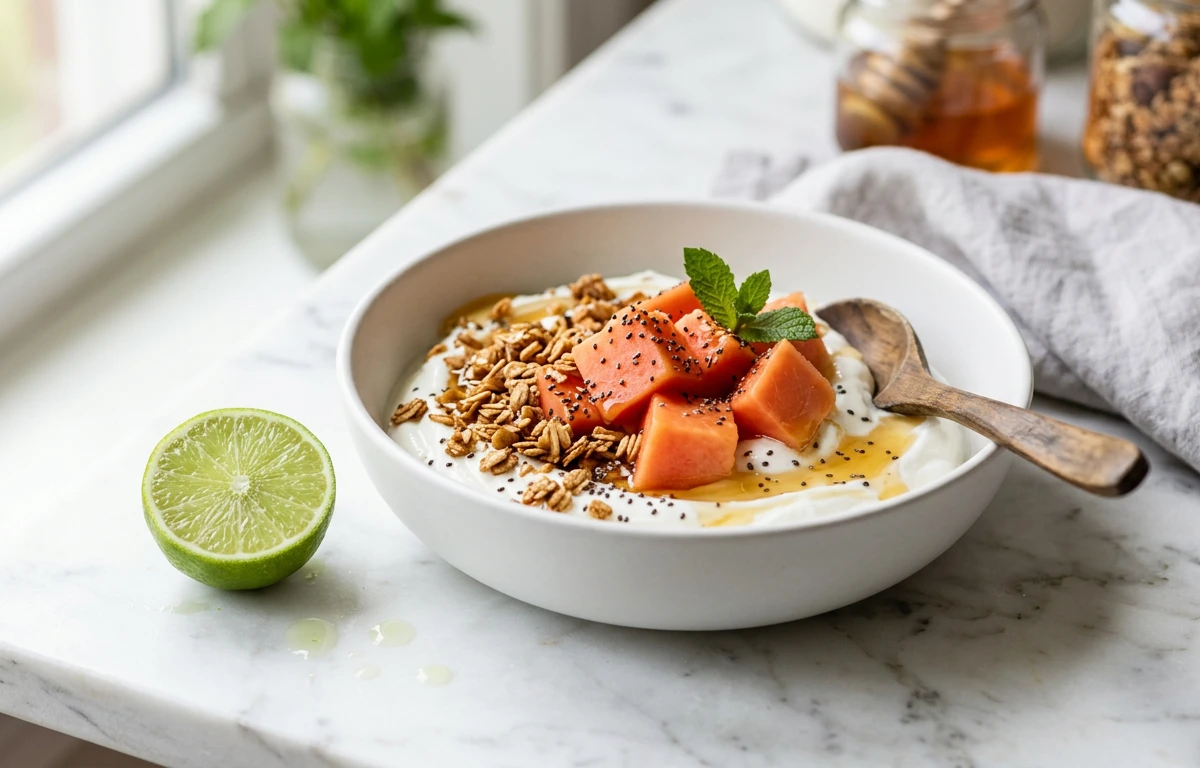
- 3Drizzle with lime juice to enhance the natural flavor of ripe papaya
STORAGE
Keep it fresh.
- Keep unripe papayas at room temperature until the skin turns mostly yellow
- Store ripe papayas in a plastic bag in the refrigerator for up to 3-5 days
- Once cut, store in an airtight container in the fridge and consume within 2 days
FAQ
Frequently asked questions.
How can I tell if a papaya is ripe?
A ripe papaya will have skin that is turning from green to yellow/orange and will yield slightly to gentle thumb pressure.
Can you eat papaya seeds?
Yes, papaya seeds are edible. They have a crunchy texture and a peppery, slightly bitter flavor, often used as a substitute for black peppercorns.
What is a good substitute for ripe papaya?
Mango, cantaloupe, or peaches are the best substitutes for ripe papaya in terms of texture and sweetness.
Can papaya be frozen?
Yes, you can freeze papaya. Peel, seed, and cut into cubes, then freeze in a single layer before transferring to a freezer bag. Best used for smoothies.
Why does papaya sometimes smell like vomit?
This is due to the enzyme papain. Drizzling the fruit with fresh lime or lemon juice neutralizes this odor and enhances the flavor.
Is papaya safe during pregnancy?
Fully ripe papaya is generally considered safe, but unripe or semi-ripe papaya contains high concentrations of latex which may trigger uterine contractions. Consult a doctor.
How do I prepare green papaya for cooking?
Peel the tough green skin, cut in half to remove the white seeds, and then shred or grate the firm flesh for salads or curries.
What are the main nutrients in papaya?
Papaya is exceptionally high in Vitamin C, Vitamin A (as beta-carotene), folate, and potassium.
Does papaya help with bloating?
Yes, the enzyme papain found in papaya helps break down proteins, which can improve digestion and reduce bloating.
RECIPES
Cook with papaya.
10 recipes · sorted by what’s quick
.webp)