Dairy10 recipes
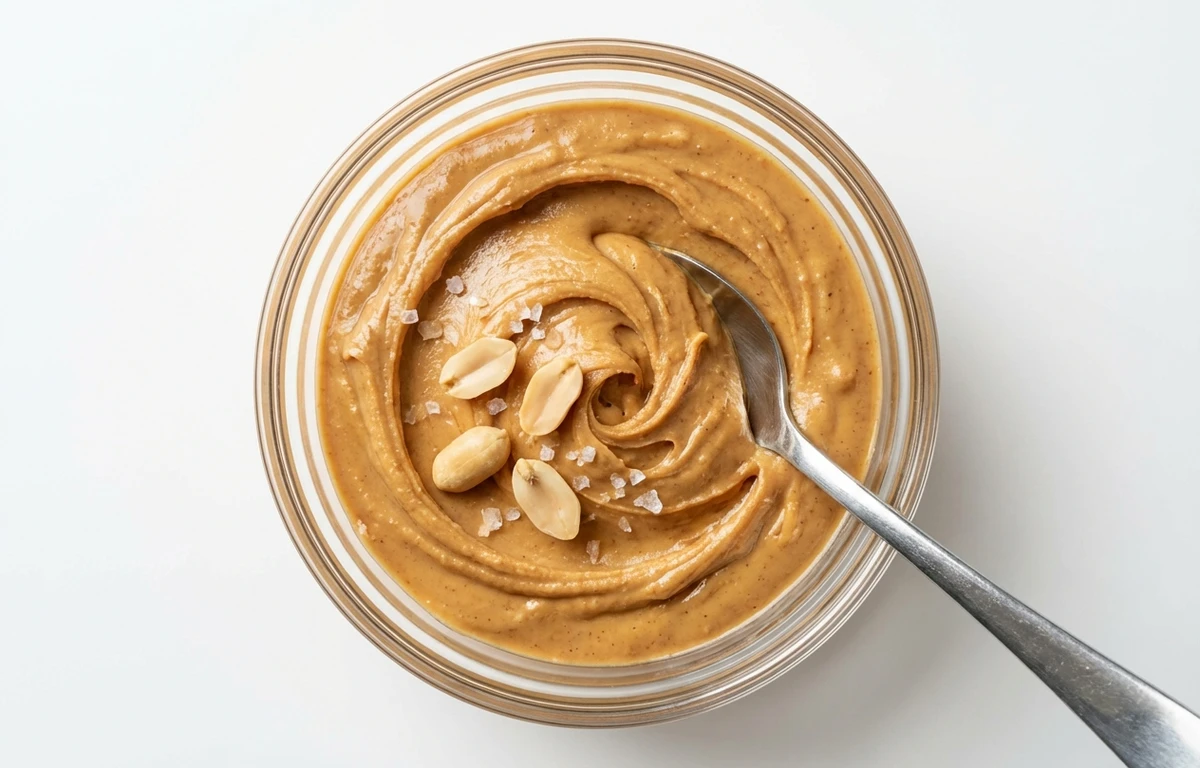
peanut butter.
VegetarianVeganGluten-freeDairy-freeNut-freePeanut-freeSoy-freeEgg-freeShellfish-freeHoney-freeAlcohol-free
ALSO KNOWN AS
groundnut buttermungfali ka makkhan
SERVING
CALORIES
588
PROTEIN
25.1g
CARBS
20g
FAT
50.4g
FIBER
6.0g
NUTRITION PROFILE · per 100 g
Everything in this ingredient.
MACRONUTRIENTS
Calories588kcal—
Protein25.1g50%
Carbohydrates20g7%
Fiber6.0g21%
Sugar9.2g18%
Total fat50.4g65%
Saturated fat10.3g52%
Trans fat0g—
Cholesterol0mg0%
Water1.2g—
MINERALS
Sodium429mg19%
Potassium649mg14%
Calcium43mg3%
Iron1.9mg11%
Magnesium154mg37%
Phosphorus358mg29%
Zinc2.9mg26%
Copper0.48mg53%
Manganese1.5mg65%
Selenium5.6µg10%
VITAMINS
Vitamin A0µg0%
Vitamin C0mg0%
Vitamin D0µg0%
Vitamin E9.1mg61%
Vitamin K0.60µg1%
Thiamin (B1)0.17mg14%
Riboflavin (B2)0.11mg8%
Niacin (B3)13.4mg84%
Pantothenic acid (B5)0.85mg17%
Vitamin B60.44mg26%
Folate (B9)74µg19%
Vitamin B120µg0%
%DV based on a 2,000 cal diet. Source: USDA FoodData Central. A dash in the %DV column means there’s no established Daily Value for that nutrient.
MEASUREMENT CONVERSIONS
How much is what.
1 cup258g
1 tablespoon16g
1 teaspoon5g
1 oz28.4g
1 lb453.6g
1 liter1150g
HEALTH BENEFITS
Why eat it.
- ✓High in plant-based protein for muscle repair
- ✓Contains heart-healthy monounsaturated fats
- ✓Rich in Vitamin E, a powerful antioxidant
- ✓Good source of magnesium for bone health
- ✓Provides sustained energy and promotes satiety
COOKING TIPS
In the kitchen.
- 1Whisk with soy sauce, lime, and ginger for a quick satay sauce
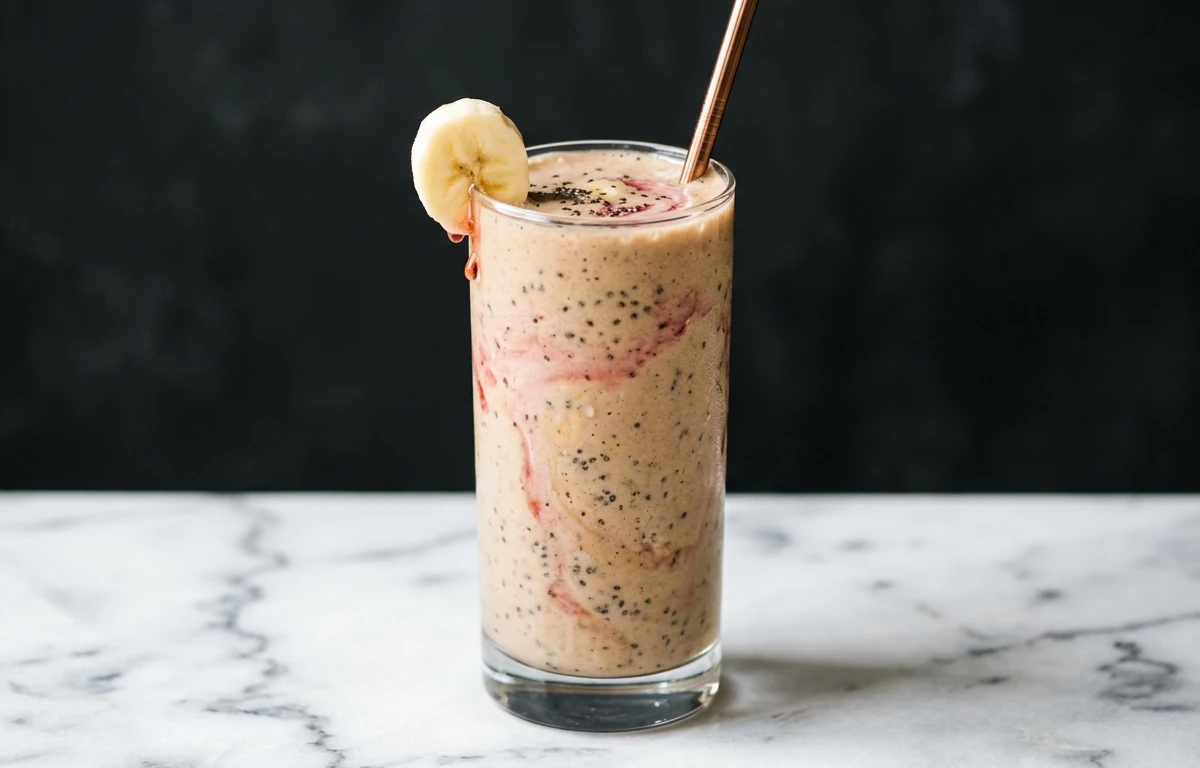
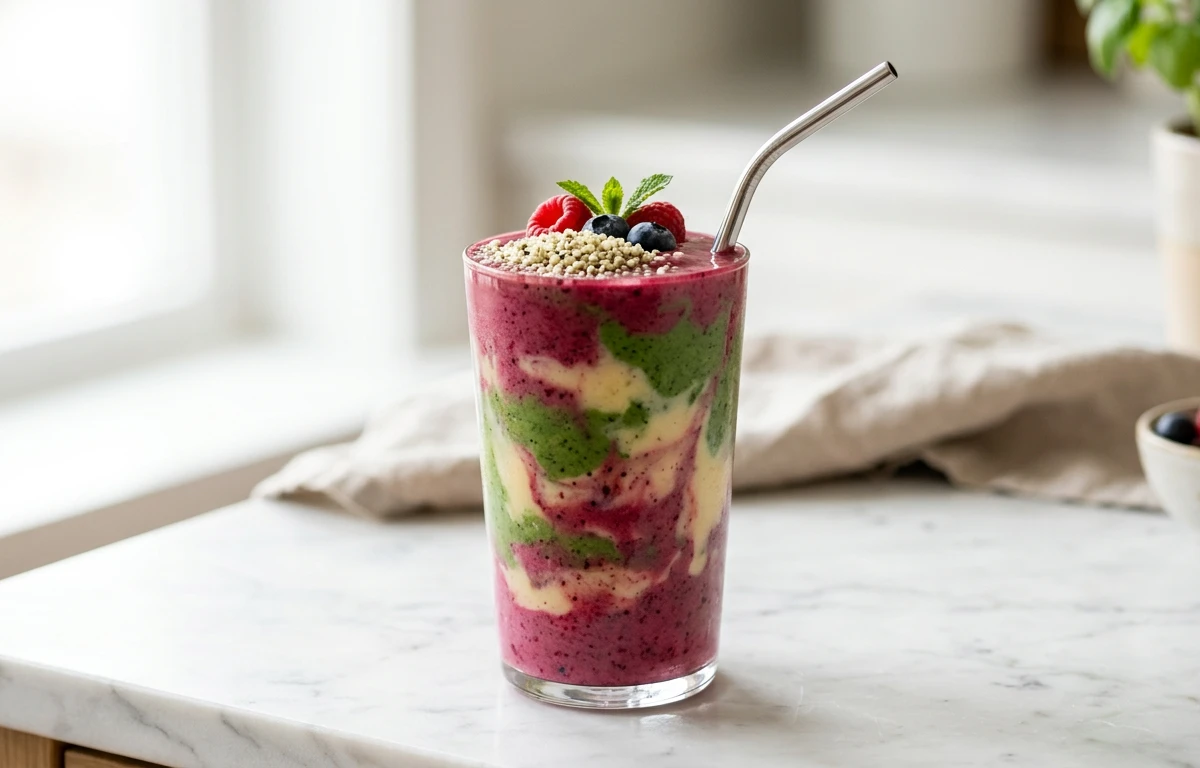
- 2Add to smoothies for a boost of protein and healthy fats
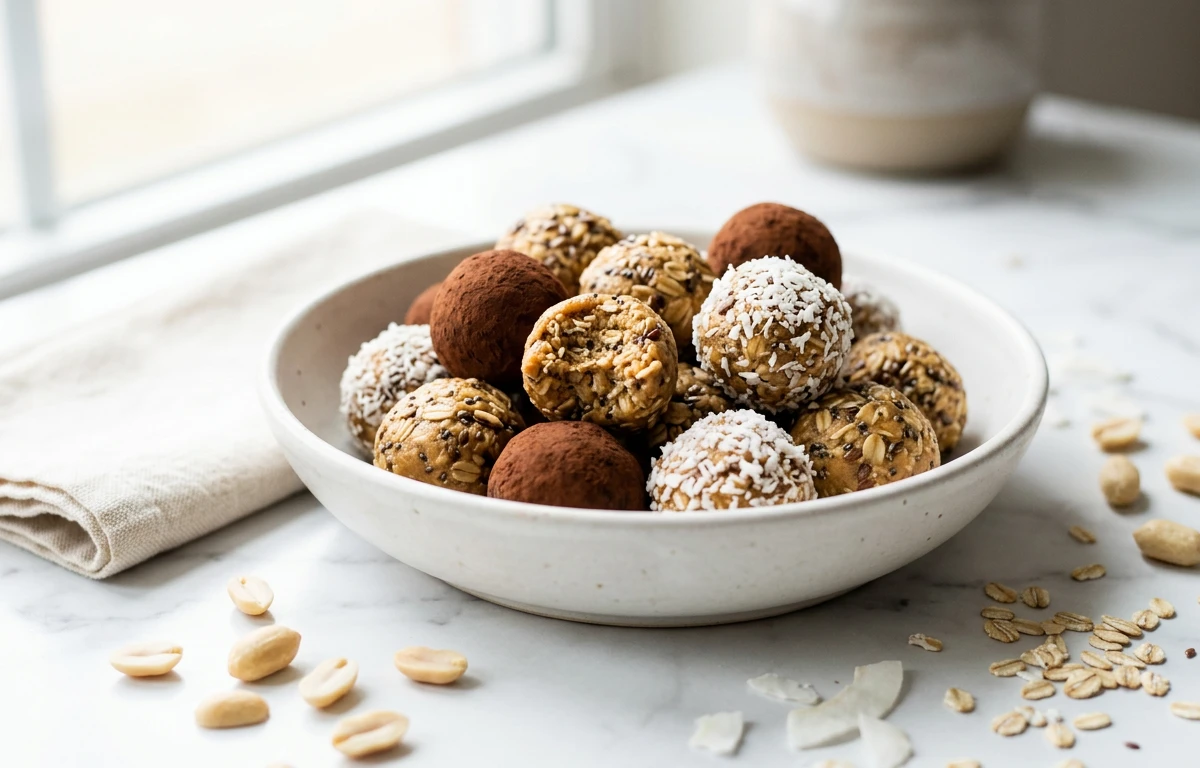
- 3Use as a binder in no-bake energy balls or granola bars
STORAGE
Keep it fresh.
- Store natural peanut butter upside down to redistribute oils
- Keep in a cool, dark pantry for up to 6 months
- Refrigerate natural varieties after opening to prevent oil rancidity
FAQ
Frequently asked questions.
How long does peanut butter last after opening?
Commercial peanut butter lasts 6-9 months in the pantry or 12 months in the fridge. Natural peanut butter lasts about 1-2 months in the pantry or 6 months in the fridge.
Why does oil separate in some peanut butters?
Natural peanut butter lacks emulsifiers (like palm oil), causing the liquid peanut oil to separate and rise to the top. Simply stir it back in.
Is peanut butter vegan?
Yes, standard peanut butter is vegan as it is made from peanuts, oil, and salt. However, check labels for honey or omega-3 additives derived from fish.
What is a good substitute for peanut butter?
Almond butter or cashew butter are great nut-based alternatives. For nut-free diets, sunflower seed butter (SunButter) or soy nut butter are excellent swaps.
Can peanut butter be frozen?
Yes, you can freeze peanut butter for up to 6 months. Thaw it in the refrigerator and stir well before using as the texture may change slightly.
Is peanut butter healthy for weight loss?
In moderation, yes. Its high protein and fiber content help you feel full longer, though it is calorie-dense and should be portion-controlled.
How can I tell if peanut butter has gone bad?
Rancid peanut butter will have a sharp, bitter, or metallic smell (like paint or old cardboard) and may become hard and dark.
What is the difference between 'natural' and 'regular' peanut butter?
Regular peanut butter contains added sugar and hydrogenated oils for texture and shelf life, while natural peanut butter usually contains only peanuts and salt.
RECIPES
Cook with peanut butter.
10 recipes · sorted by what’s quick