Fruit10 recipes
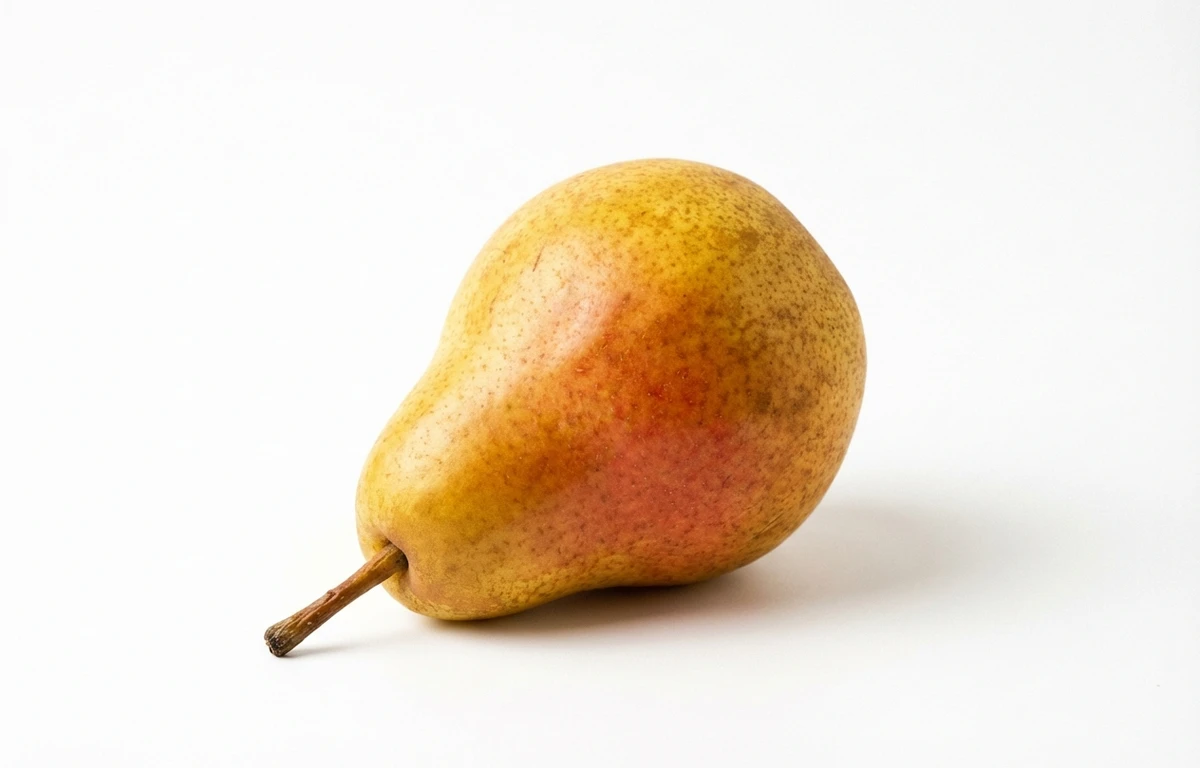
pear.
VegetarianVeganGluten-freeDairy-freeNut-freePeanut-freeSoy-freeEgg-freeShellfish-freeHoney-freeAlcohol-free
ALSO KNOWN AS
pearsraw pearfresh pearnashpati
SERVING
CALORIES
57
PROTEIN
0.36g
CARBS
15.2g
FAT
0.14g
FIBER
3.1g
NUTRITION PROFILE · per 100 g
Everything in this ingredient.
MACRONUTRIENTS
Calories57kcal—
Protein0.36g1%
Carbohydrates15.2g6%
Fiber3.1g11%
Sugar9.8g20%
Total fat0.14g0%
Saturated fat0.02g0%
Trans fat0g—
Cholesterol0mg0%
Water83.9g—
MINERALS
Sodium1.0mg0%
Potassium116mg2%
Calcium9.0mg1%
Iron0.18mg1%
Magnesium7.6mg2%
Phosphorus6.7mg1%
Zinc0.07mg1%
Copper0.08mg9%
Manganese0.08mg3%
Selenium0µg0%
VITAMINS
Vitamin A1.0µg0%
Vitamin C4.3mg5%
Vitamin D0µg0%
Vitamin E0.30mg2%
Vitamin K12.6µg10%
Thiamin (B1)0.02mg2%
Riboflavin (B2)0.02mg2%
Niacin (B3)0.13mg1%
Pantothenic acid (B5)0.05mg1%
Vitamin B60.09mg5%
Biotin (B7)1.4µg5%
Folate (B9)5.3µg1%
Vitamin B120µg0%
%DV based on a 2,000 cal diet. Source: USDA FoodData Central. A dash in the %DV column means there’s no established Daily Value for that nutrient.
MEASUREMENT CONVERSIONS
How much is what.
1 cup125g
1 tablespoon7.8g
1 teaspoon2.6g
1 ml0.5g
1 liter520.8g
1 piece178g
HEALTH BENEFITS
Why eat it.
- ✓Rich in dietary fiber, particularly pectin, which supports digestive health and promotes satiety.
- ✓Good source of antioxidants, including vitamin C and flavonoids, which help reduce inflammation and protect against oxidative stress.
- ✓Contains beneficial plant compounds that may improve heart health by lowering blood pressure and cholesterol levels.
- ✓Has a low glycemic index, making it a suitable fruit choice for helping to manage blood sugar levels.
COOKING TIPS
In the kitchen.
- 1For poaching, baking, or grilling, use firm-ripe varieties like Bosc or Anjou, as they hold their shape well under heat.
- 2To prevent browning after slicing for salads or desserts, toss the pear pieces with a small amount of acidic juice, such as lemon or orange juice.
- 3Pears pair excellently with both sweet and savory flavors; try them with blue cheese, walnuts, and honey in a salad, or roasted with pork or chicken.
- 4For a simple dessert, core and bake pear halves with cinnamon, a drizzle of maple syrup, and a sprinkle of oats until tender.
STORAGE
Keep it fresh.
- Store unripe pears at room temperature (65-75°F or 18-24°C) until they yield to gentle pressure at the neck.
- Once ripe, transfer pears to the refrigerator's crisper drawer to slow further ripening, where they will keep for 3 to 5 days.
- To accelerate ripening, place pears in a paper bag with a banana or apple, which releases ethylene gas.
FAQ
Frequently asked questions.
Is pear healthy?
Yes, pears are very healthy. They are rich in dietary fiber, especially pectin, which aids digestion and promotes satiety. Pears also provide antioxidants like vitamin C and flavonoids, supporting overall health and reducing inflammation.
How many calories and carbs are in a pear?
A 100g serving of pear contains approximately 57 calories and 15.23g of carbohydrates. It also provides about 0.36g of protein and 0.14g of fat, making it a low-calorie, high-fiber fruit.
Is pear good for weight loss?
Pears can be beneficial for weight loss due to their high fiber content, which helps you feel full longer and reduces overall calorie intake. They are also low in calories and fat, making them a satisfying and nutritious snack option.
Are pears gluten-free and vegan?
Yes, pears are naturally gluten-free and vegan. As a whole fruit, they contain no animal products or gluten-containing grains, making them suitable for individuals following these dietary restrictions.
Can diabetics eat pears?
Yes, diabetics can generally eat pears in moderation. Pears have a low glycemic index, meaning they cause a slower rise in blood sugar compared to some other fruits. Their high fiber content also helps manage blood sugar levels.
How do you eat or prepare pears?
Pears can be enjoyed raw, either whole or sliced, as a snack or added to salads. They can also be cooked by baking, poaching, grilling, or sautéing, making them versatile for desserts, savory dishes, or compotes.
What does a pear taste like?
Pears typically have a sweet, juicy, and slightly gritty or buttery texture, depending on the variety. Their flavor can range from subtly floral to rich and honey-like, often with a delicate aroma.
How do you store pears?
Unripe pears should be stored at room temperature to ripen. Once ripe, they can be stored in the refrigerator for several days to slow down the ripening process and extend their freshness.
How do you know if a pear is ripe?
To check for ripeness, gently press near the stem end of the pear. If it yields slightly to pressure, it's ripe and ready to eat. The skin color can also be an indicator, but the stem test is more reliable.
Do I need to peel pears before eating them?
No, you do not need to peel pears. The skin is edible and contains a significant amount of fiber and antioxidants. However, some people prefer to peel them for texture or in certain recipes.
RECIPES
Cook with pear.
10 recipes · sorted by what’s quick