
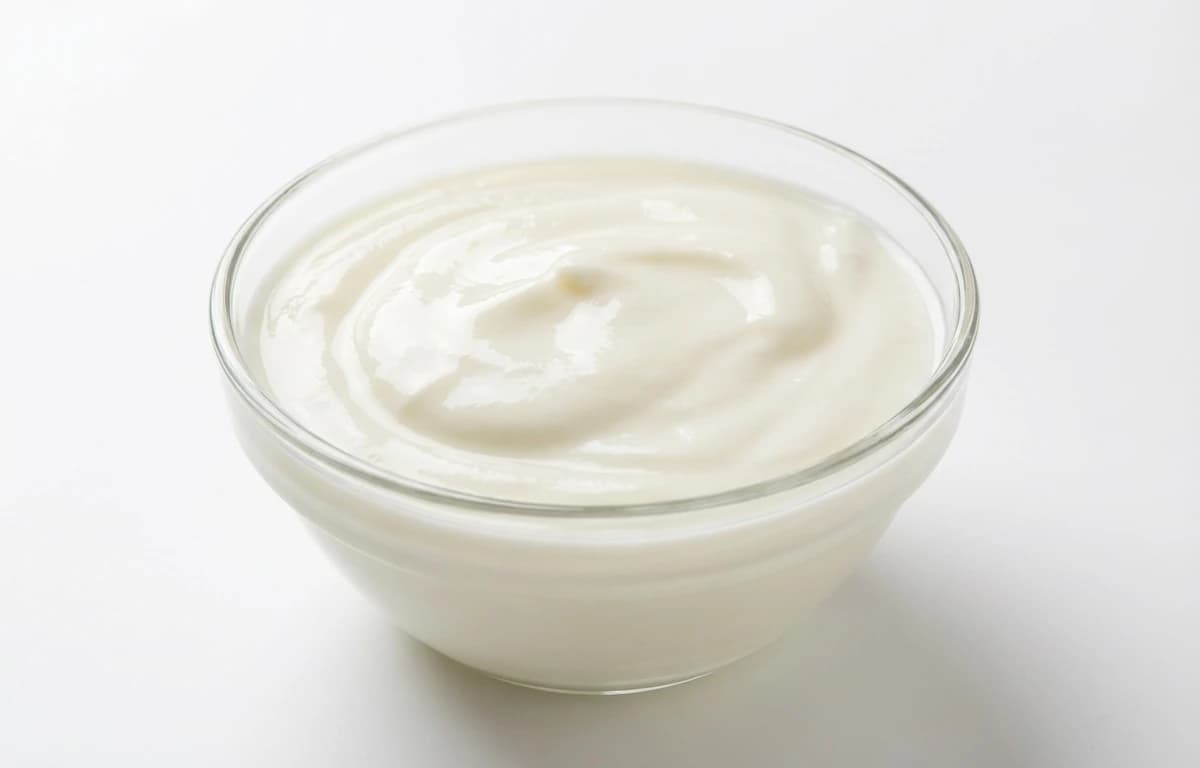
perugu
Also known as:
Loading...
Also known as:
Per 100g
Nutrition data source: USDA FoodData Central

Soft, fluffy lentil fritters (garelu) soaked in a cool, spiced yogurt (perugu). This classic Andhra dish is a perfect appetizer or snack, offering a delightful mix of savory, tangy, and spicy flavors.
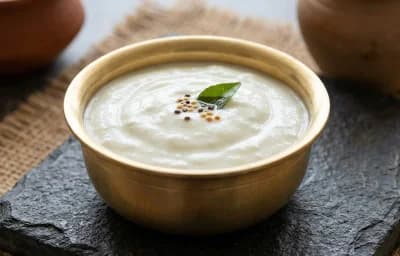
Tangy homemade yogurt, a staple in every South Indian home. This simple recipe uses just two ingredients to create fresh, probiotic-rich curd perfect for raitas, curries, or enjoying on its own.
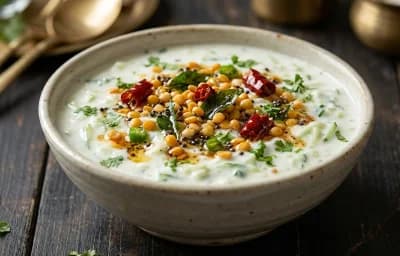
A refreshing and cooling Andhra-style yogurt dip made with grated cucumber and a savory tempering of mustard seeds and lentils. It's the perfect side dish to balance spicy South Indian meals.

Soft, spongy lentil fritters soaked in a cool, spicy, and tangy yogurt mixture. This classic Andhra dish is a perfect appetizer or snack, finished with a flavorful tempering of mustard seeds and curry leaves.
Yes, perugu is very healthy. It's rich in probiotics, which support gut health and digestion, and is an excellent source of calcium and vitamin D for strong bones. It also provides high-quality protein, aiding in muscle maintenance and satiety.
Per 100g, perugu contains approximately 61 calories, 3.47g of protein, 4.66g of carbohydrates, and 3.25g of fat. It also provides essential vitamins and minerals like calcium and vitamin D.
Absolutely. Perugu is rich in live active cultures, or probiotics, which are beneficial bacteria that help maintain a healthy balance in your gut. These probiotics can improve digestion, reduce bloating, and enhance nutrient absorption.
No, perugu is not vegan. It is a dairy product made from milk, similar to yogurt or curd, and therefore contains animal-derived ingredients.
Perugu is not entirely lactose-free, as it is a dairy product. However, the fermentation process converts much of the lactose into lactic acid, making it easier to digest for many individuals with mild lactose intolerance compared to fresh milk.
Yes, perugu is naturally gluten-free. It is made from milk and bacterial cultures, neither of which contains gluten. Always check labels if purchasing flavored varieties, as additives could potentially contain gluten.
Perugu is incredibly versatile in Indian cuisine. It's commonly eaten plain, used to make refreshing drinks like lassi, or incorporated into savory dishes like raita, kadhi, and various curries to add a creamy texture and tangy flavor.
perugu is a versatile ingredient found in cuisines around the world. With 61 calories per 100g and 3.47 grams of protein, it's a nutritious addition to many dishes.
Explore more ingredients in the dairy category with complete nutrition information.
View all dairy →Yes, perugu can be cooked, but care must be taken as it can curdle if heated too rapidly or at too high a temperature. When adding to hot dishes, it's best to temper it first or add it towards the end of cooking. Heating will also kill the beneficial live cultures.
Perugu should always be stored in an airtight container in the refrigerator. This helps to maintain its freshness, prevent spoilage, and preserve the live cultures.
When stored properly in an airtight container in the refrigerator, perugu typically lasts for about 5 to 7 days. Beyond this, it may become too sour or show signs of spoilage like mold or an off smell.