Vegetable1 recipes
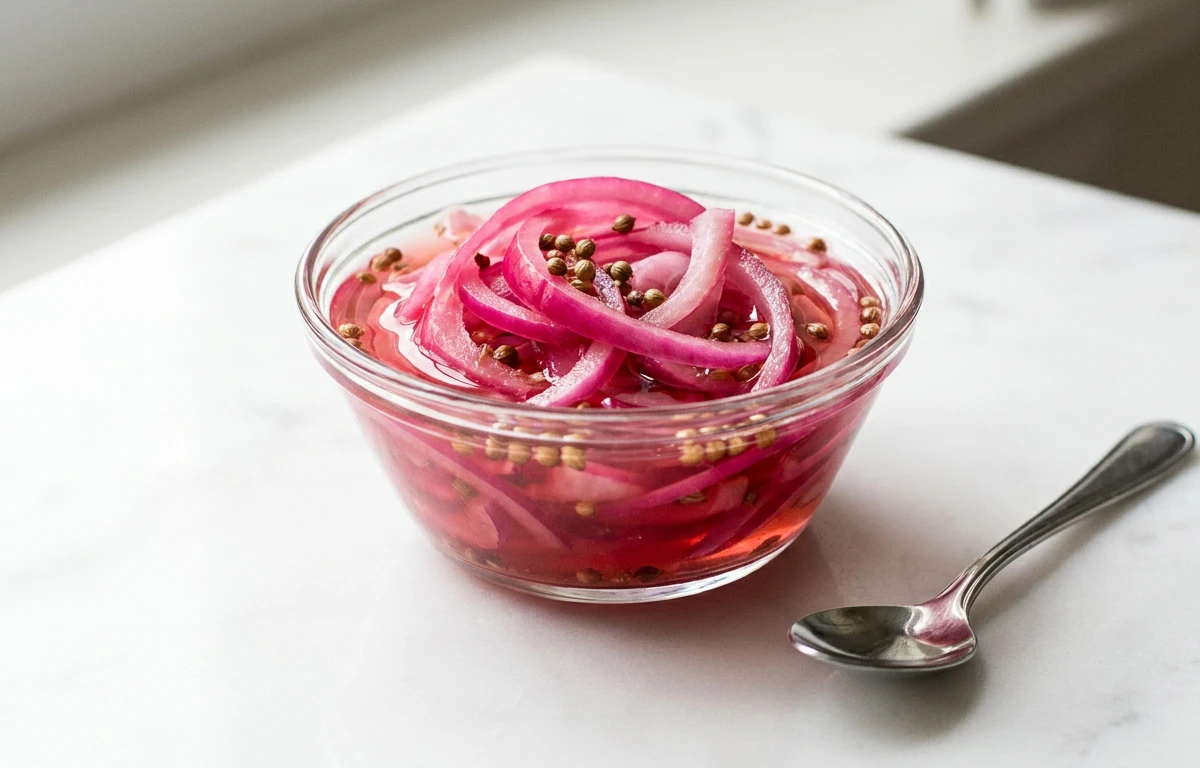
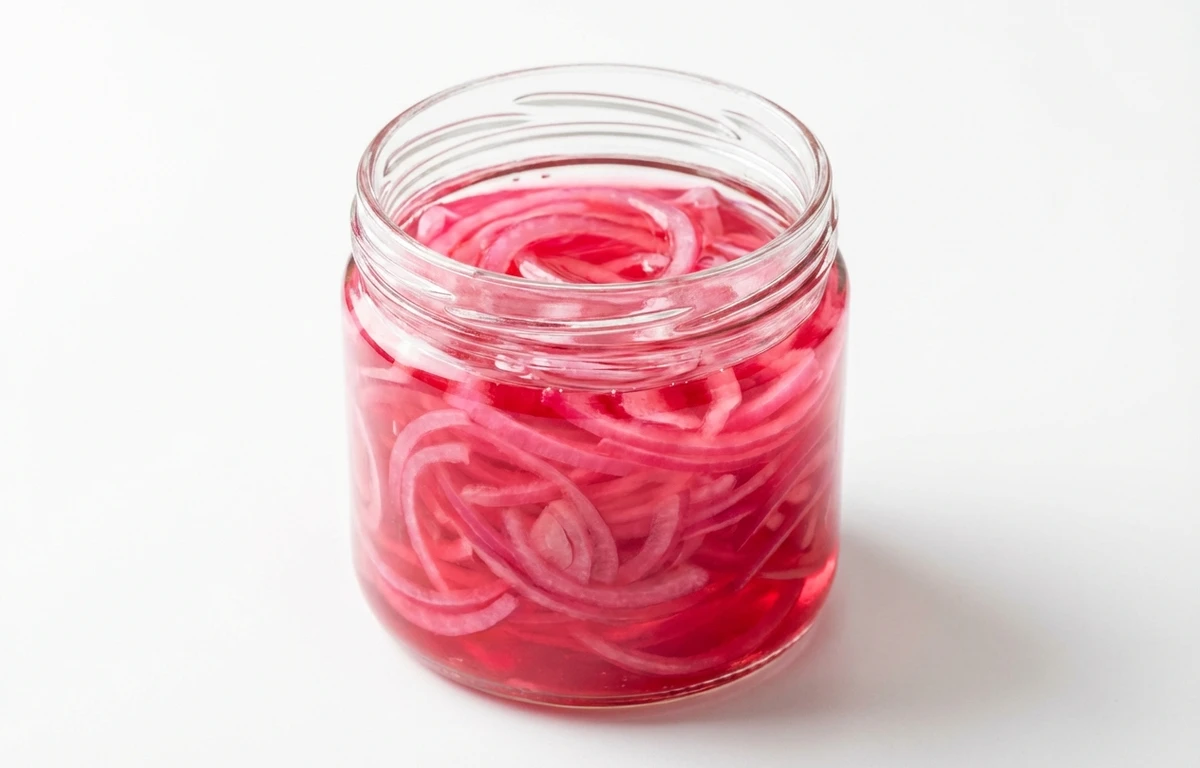
pickled onions.
VegetarianVeganGluten-freeDairy-freeNut-freePeanut-freeSoy-freeEgg-freeShellfish-freeHoney-freeAlcohol-freeHalalKosherFermented
ALSO KNOWN AS
sirka pyaz
SERVING
CALORIES
40
PROTEIN
0.90g
CARBS
9.2g
FAT
0.10g
FIBER
1.4g
This ingredient is flagged as naturally gluten-free. Per 100 g, it provides 0.40 µg of vitamin K.
NUTRITION PROFILE · per 100 g
Everything in this ingredient.
MACRONUTRIENTS
Calories40kcal—
Protein0.90g2%
Carbohydrates9.2g3%
Fiber1.4g5%
Sugar6.5g13%
Total fat0.10g0%
Saturated fat0.02g0%
Trans fat0g—
Cholesterol0mg0%
Water87.5g—
MINERALS
Sodium750mg33%
Potassium120mg3%
Calcium20mg2%
Iron0.30mg2%
Magnesium8.0mg2%
Phosphorus25mg2%
Zinc0.15mg1%
Copper0.04mg4%
Manganese0.10mg4%
Selenium0.50µg1%
VITAMINS
Vitamin A0µg0%
Vitamin C4.5mg5%
Vitamin D0µg0%
Vitamin E0.02mg0%
Vitamin K0.40µg0%
Thiamin (B1)0.03mg3%
Riboflavin (B2)0.02mg2%
Niacin (B3)0.10mg1%
Pantothenic acid (B5)0.10mg2%
Vitamin B60.10mg6%
Folate (B9)15µg4%
Vitamin B120µg0%
%DV based on a 2,000 cal diet. Source: USDA FoodData Central. A dash in the %DV column means there’s no established Daily Value for that nutrient.
MEASUREMENT CONVERSIONS
How much is what.
1 cup160g
1 tablespoon15g
1 teaspoon5g
1 oz28.4g
1 lb453.6g
1 ml1.1g
1 liter1050g
1 piece8g
HEALTH BENEFITS
Why eat it.
- ✓Low in calories and fat-free
- ✓May aid digestion if naturally fermented
- ✓Provides small amounts of essential minerals
- ✓Adds significant flavor without adding heavy fats
COOKING TIPS
In the kitchen.
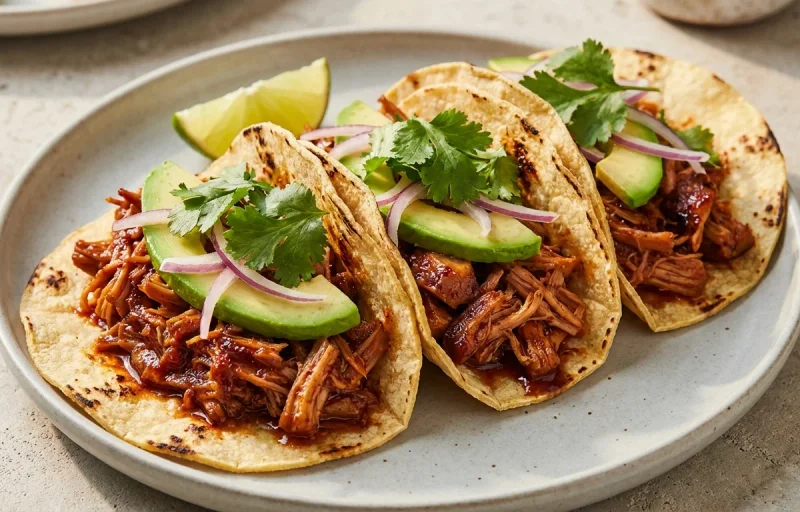
- 1Add to tacos, burgers, or sandwiches for a bright, acidic crunch
- 2Use the leftover pickling liquid as a base for salad dressings
- 3Finely chop and mix into potato or egg salads for extra tang
STORAGE
Keep it fresh.
- Always keep onions fully submerged in their brine to prevent spoilage
- Store in a glass jar in the refrigerator for up to 3 weeks
- Use a clean, dry fork or spoon to remove onions to avoid contamination
FAQ
Frequently asked questions.
How long do pickled onions last in the fridge?
Quick-pickled onions usually last 2 to 3 weeks in the refrigerator when kept in an airtight glass jar.
Can I freeze pickled onions?
Freezing is not recommended as it destroys the crisp texture, making the onions mushy upon thawing.
What is the best substitute for pickled onions?
Fresh thinly sliced red onions soaked in lime juice or vinegar for 15 minutes is the best quick substitute.
Are pickled onions healthy?
They are low in calories but can be high in sodium and sometimes sugar, depending on the brine recipe.
Why did my pickled onions turn pink?
This is a natural reaction when red onions are exposed to acid (like vinegar), which enhances their natural pigments.
How do I know if pickled onions have gone bad?
Discard them if the brine becomes excessively cloudy, if you see mold, or if they develop an off-smell.
Do pickled onions contain probiotics?
Only if they are naturally fermented in salt and water; vinegar-based quick pickles do not typically contain probiotics.
What dishes pair best with pickled onions?
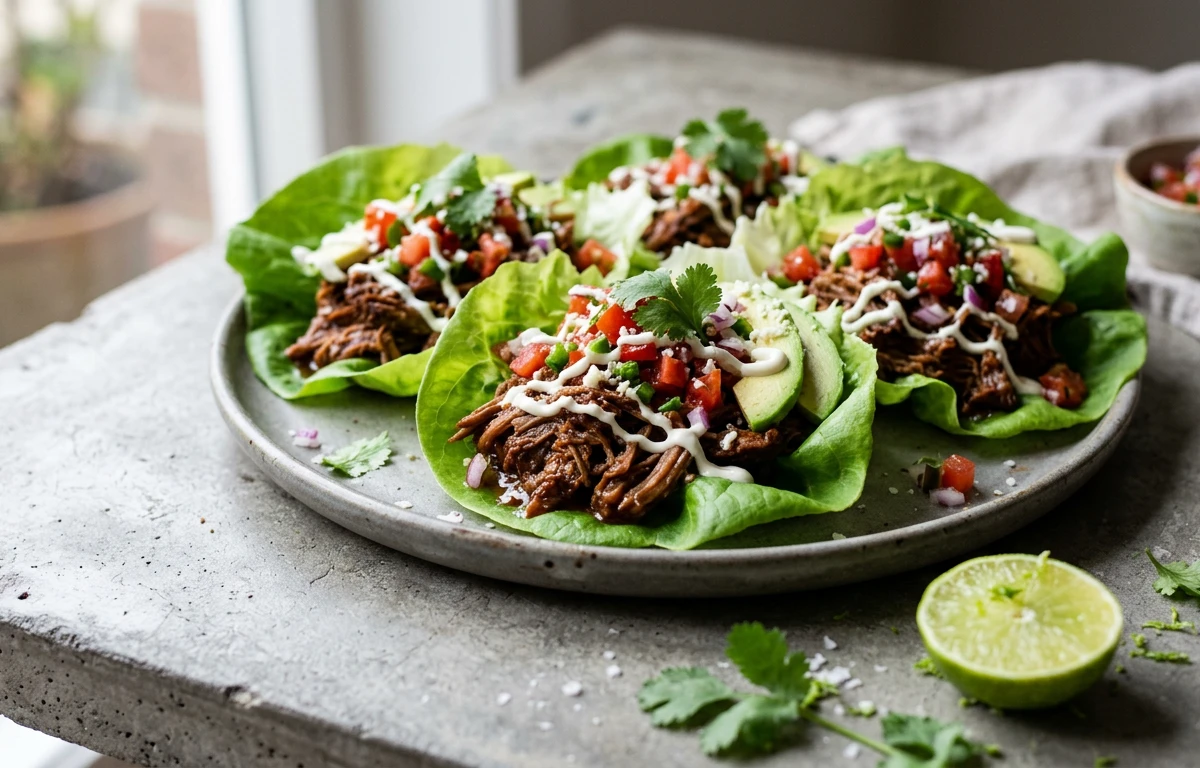
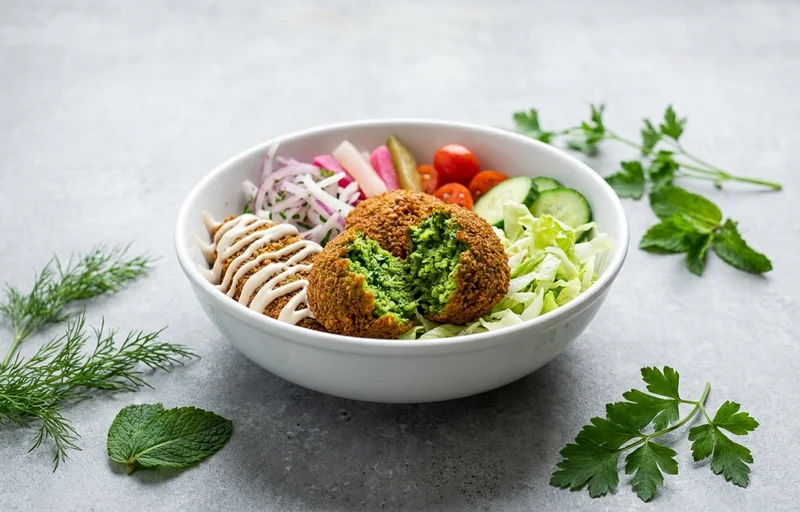
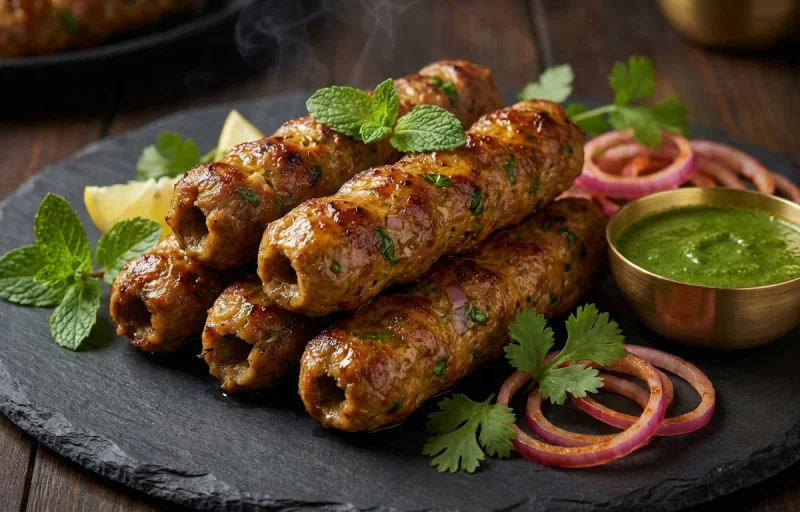
They pair excellently with heavy or fatty foods like carnitas, grilled meats, falafel, and rich curries.
RECIPES
Cook with pickled onions.
1 recipes · sorted by what’s quick