Other6 recipes
pizza dough.
VegetarianVeganGluten-freeDairy-freeNut-freePeanut-freeSoy-freeEgg-freeShellfish-freeHoney-freeAlcohol-freeFermented
ALSO KNOWN AS
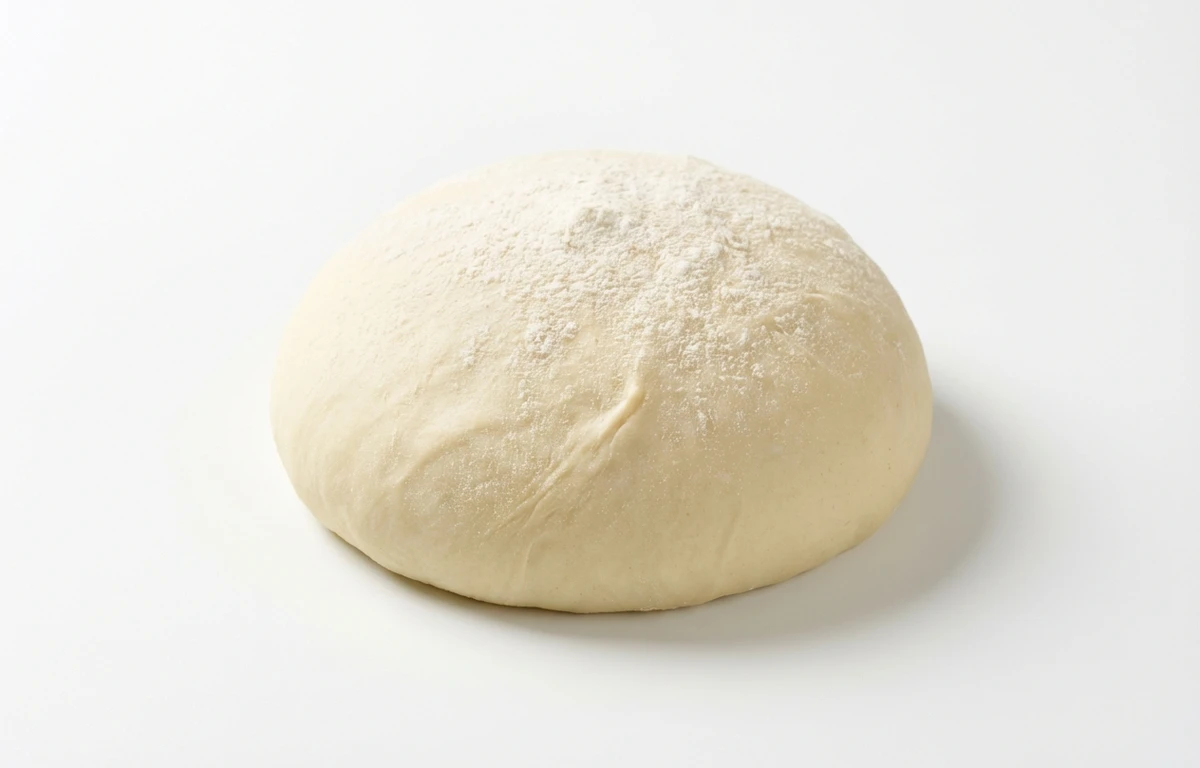
pizza base doughpizza dough ball
SERVING
CALORIES
260
PROTEIN
9.0g
CARBS
52g
FAT
3.0g
FIBER
2.5g
Per 100 g, it provides 1.0 µg of vitamin K.
NUTRITION PROFILE · per 100 g
Everything in this ingredient.
MACRONUTRIENTS
Calories260kcal—
Protein9.0g18%
Carbohydrates52g19%
Fiber2.5g9%
Sugar1.5g3%
Total fat3.0g4%
Saturated fat0.50g3%
Trans fat0g—
Cholesterol0mg0%
Water38g—
MINERALS
Sodium450mg20%
Potassium100mg2%
Calcium15mg1%
Iron2.0mg11%
Magnesium22mg5%
Phosphorus95mg8%
Zinc0.70mg6%
VITAMINS
Vitamin A0µg0%
Vitamin C0mg0%
Vitamin D0µg0%
Vitamin K1.0µg1%
Thiamin (B1)2.0mg167%
Riboflavin (B2)0.25mg19%
Niacin (B3)3.5mg22%
Vitamin B60.05mg3%
%DV based on a 2,000 cal diet. Source: USDA FoodData Central. A dash in the %DV column means there’s no established Daily Value for that nutrient.
MEASUREMENT CONVERSIONS
How much is what.
1 oz28.4g
1 lb453.6g
1 piece300g
HEALTH BENEFITS
Why eat it.
- ✓Provides a significant source of energy from carbohydrates, fueling daily activities.
- ✓Enriched flour used in most dough is a good source of B-vitamins like niacin and thiamin, essential for energy metabolism.
- ✓The fermentation process can partially break down complex carbohydrates, potentially improving digestibility for some individuals.
COOKING TIPS
In the kitchen.
- 1Allow dough to rest at room temperature for 30-60 minutes before stretching. This relaxes the gluten, making it easier to shape without tearing.
- 2For a crispy crust, preheat your baking surface (pizza stone or steel) at the oven's highest temperature for at least 45-60 minutes.
- 3Use minimal flour on your hands and work surface when stretching the dough to avoid making the final crust tough and dry.
- 4To prevent a soggy center, apply sauce sparingly and avoid overloading the pizza with excessively wet toppings.
STORAGE
Keep it fresh.
- Refrigerate fresh dough in a lightly oiled, airtight container for up to 5 days. Punch it down if it rises too much.
- Freeze individual dough balls tightly wrapped in plastic and stored in a freezer bag for up to 3 months. Thaw overnight in the refrigerator before use.
FAQ
Frequently asked questions.
What are the nutritional values of pizza dough?
Per 100g, typical pizza dough contains approximately 260 calories, 9g of protein, 52g of carbohydrates, and 3g of fat. These values can vary slightly based on ingredients like flour type or added oils.
Is pizza dough vegan?
Most basic pizza dough recipes are naturally vegan, typically made from flour, water, yeast, salt, and a little oil. Always check the ingredient list, as some commercial doughs might contain dairy (like milk powder) or eggs.
How do you prepare pizza dough for baking?
If refrigerated, let the dough come to room temperature for 30-60 minutes to make it easier to work with. Gently stretch or roll it to your desired thickness on a floured surface. Once shaped, add your toppings and bake according to your recipe's instructions, usually in a hot oven.
How long does pizza dough last?
Fresh, homemade pizza dough typically lasts 3-5 days in the refrigerator. Store-bought dough might have a slightly longer shelf life, usually indicated on the packaging. For longer storage, it can be frozen.
Can I freeze pizza dough?
Yes, pizza dough freezes very well. Lightly oil the dough, place it in an airtight freezer bag or container, and it can be stored for up to 1-2 months. Thaw it in the refrigerator overnight or at room temperature for a few hours before use.
RECIPES
Cook with pizza dough.
6 recipes · sorted by what’s quick