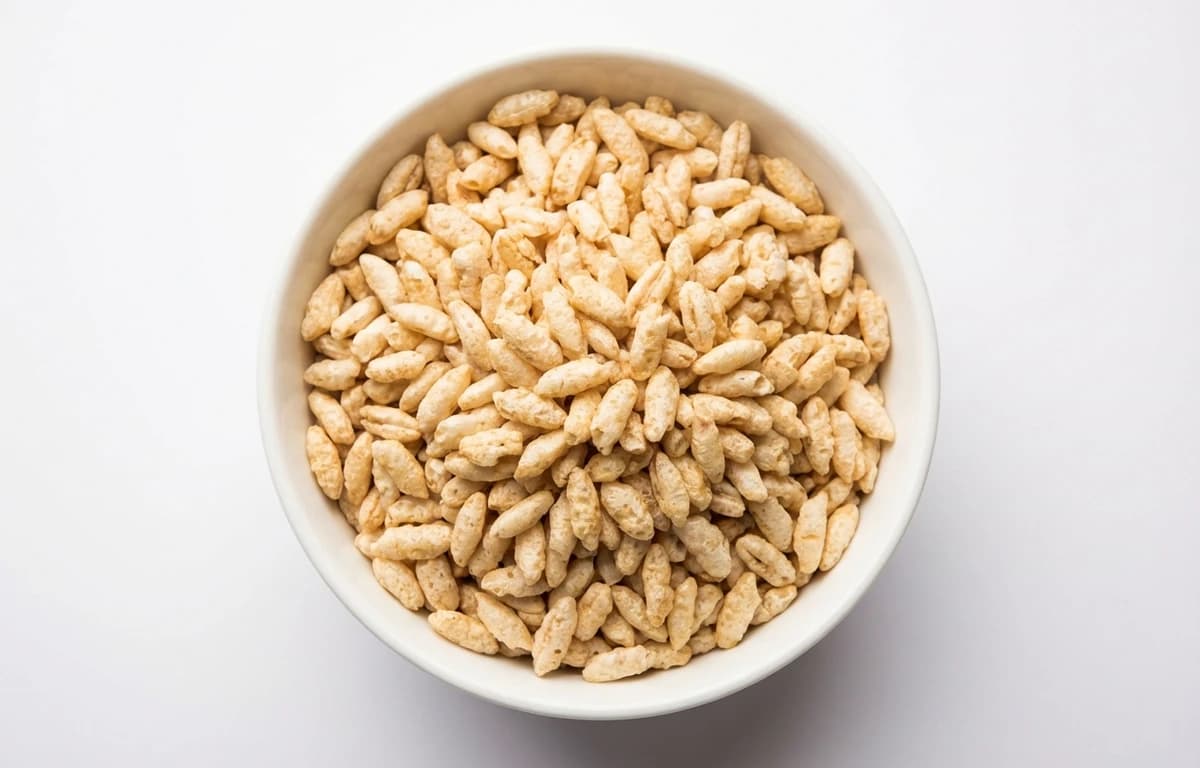
pori
Also known as:
Loading...
Also known as:
Per 100g
Nutrition data source: USDA FoodData Central
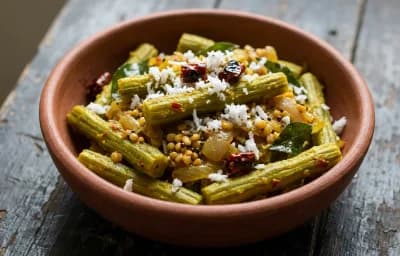
Crisp green beans stir-fried with mustard seeds, lentils, and fresh coconut. This simple South Indian side dish, known as poriyal, is light, flavorful, and comes together in just 15 minutes.
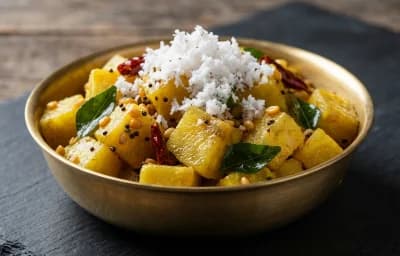
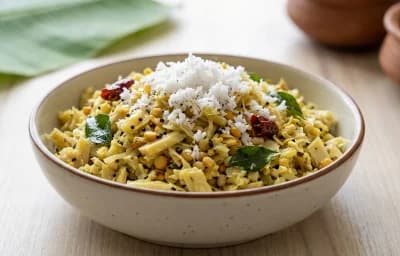
A simple and comforting stir-fry made with raw bananas, a classic from the coastal regions of Karnataka. This quick side dish, also known as a poriyal, features a delightful tempering of mustard seeds, lentils, and curry leaves, finished with a hint of fresh coconut. It's a perfect accompaniment to rice and dal.
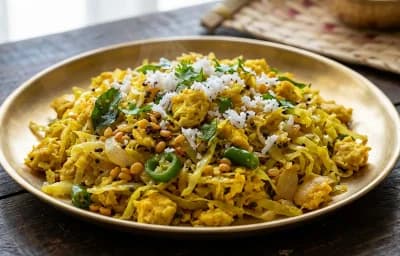
A quick and delicious South Indian stir-fry combining finely shredded cabbage with fluffy scrambled eggs and aromatic spices. This protein-packed side dish comes together in under 25 minutes and pairs perfectly with rice and sambar.
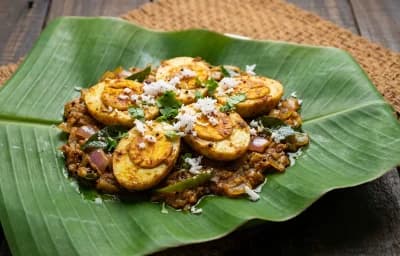
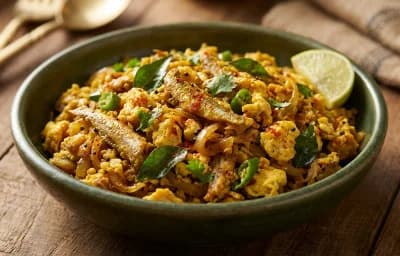
A quick and flavorful Kerala-style scrambled egg dish, spiced with green chilies, shallots, and fragrant curry leaves. Perfect with rice or bread for a simple, protein-packed meal.
Yes, pori is generally considered a healthy and light snack. It's low in fat and calories (per serving, as a base), easy to digest, and provides a quick source of energy. It is also often fortified with essential minerals like iron, which can help prevent anemia.
Per 100g, pori contains approximately 386 calories, 6.5g of protein, 86g of carbohydrates, and 0.5g of fat. It is primarily a source of quick energy from its high carbohydrate content and is very low in fat.
Pori can be a good base for weight-conscious snacks due to its low fat and calorie content when consumed in moderation. Its light and airy texture can provide a sense of fullness without adding excessive calories, especially when paired with healthy, low-calorie ingredients.
Yes, traditional pori, which is typically made from puffed rice, is naturally gluten-free. This makes it a suitable option for individuals with celiac disease or gluten sensitivity. Always check product labels to ensure no cross-contamination or added gluten-containing ingredients.
Yes, pori is vegan. It is made from grains like rice, millet, or corn, and does not contain any animal products or by-products. It's a plant-based food suitable for a vegan diet.
Pori is high in carbohydrates and has a relatively high glycemic index, meaning it can cause a quick rise in blood sugar levels. Diabetics should consume pori in moderation and preferably combine it with protein and fiber-rich foods to help mitigate its impact on blood glucose.
Pori has a very light, airy, and slightly crunchy texture with a mild, neutral, and subtly nutty flavor. It's commonly used as a base for savory snacks like Bhel Puri, as a breakfast cereal mixed with milk, or incorporated into various sweet and savory preparations.
pori is a versatile ingredient found in cuisines around the world. With 386 calories per 100g and 6.5 grams of protein, it's a nutritious addition to many dishes.
Explore more ingredients in the grain category with complete nutrition information.
View all grain →To maintain its crispness and prevent it from becoming stale, pori should be stored in an airtight container in a cool, dry place. Protect it from direct sunlight and moisture, as humidity will quickly make it soft.
When stored properly in an airtight container in a cool, dry place, pori can last for several weeks to a few months while retaining its freshness and crunch. Exposure to air and humidity will significantly shorten its shelf life.
Pori is a puffed grain product, most commonly made from rice, in which case it's known as puffed rice. However, it can also be made from other grains like millet (e.g., ragi pori) or corn, by heating the grains under pressure until they expand.