Protein1 recipes
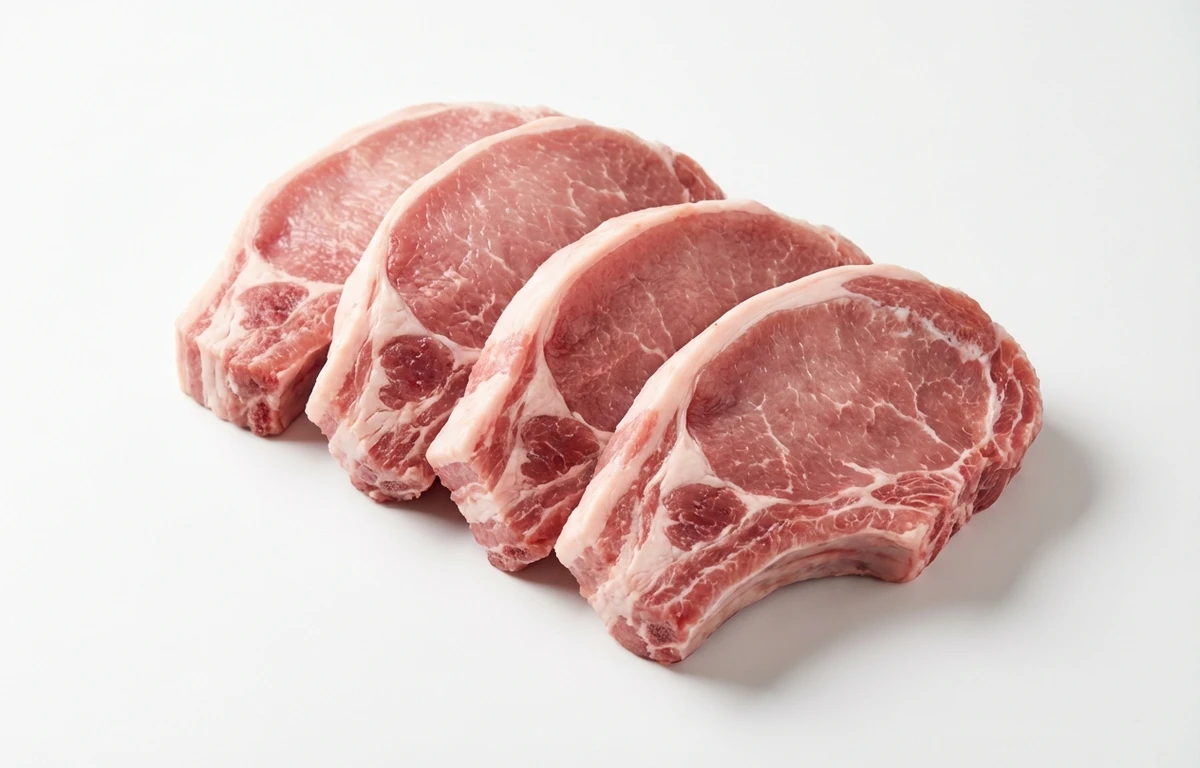
pork cutlets.
VegetarianVeganGluten-freeDairy-freeNut-freePeanut-freeSoy-freeEgg-freeShellfish-freeHoney-freeAlcohol-freeHalalKosher
ALSO KNOWN AS
pork loin cutletsboneless pork chopspork scallopspork chop
SERVING
CALORIES
143
PROTEIN
25.8g
CARBS
0g
FAT
3.8g
FIBER
0g
This ingredient is flagged as naturally gluten-free. Per 100 g, it provides 0.50 µg of vitamin K.
NUTRITION PROFILE · per 100 g
Everything in this ingredient.
MACRONUTRIENTS
Calories143kcal—
Protein25.8g52%
Carbohydrates0g0%
Fiber0g0%
Sugar0g0%
Total fat3.8g5%
Saturated fat1.3g7%
Cholesterol68mg23%
Water70.2g—
MINERALS
Sodium58mg3%
Potassium397mg8%
Calcium10mg1%
Iron0.89mg5%
Magnesium25mg6%
Phosphorus200mg16%
Zinc2.0mg18%
Copper0.08mg9%
Manganese0.01mg0%
Selenium25µg45%
VITAMINS
Vitamin A0µg0%
Vitamin C0mg0%
Vitamin D0.50µg3%
Vitamin E0.10mg1%
Vitamin K0.50µg0%
Thiamin (B1)0.80mg67%
Riboflavin (B2)0.25mg19%
Niacin (B3)5.0mg31%
Pantothenic acid (B5)0.70mg14%
Vitamin B60.40mg24%
Folate (B9)4.0µg1%
Vitamin B120.70µg29%
%DV based on a 2,000 cal diet. Source: USDA FoodData Central. A dash in the %DV column means there’s no established Daily Value for that nutrient.
MEASUREMENT CONVERSIONS
How much is what.
1 oz28.4g
1 lb453.6g
1 piece120g
HEALTH BENEFITS
Why eat it.
- ✓Rich source of high-quality complete protein, essential for muscle growth, repair, and maintenance.
- ✓Excellent source of B vitamins, particularly thiamine (B1), niacin (B3), and B6, which are crucial for energy metabolism and nervous system function.
COOKING TIPS
In the kitchen.
- 1Pound the cutlets to an even thickness (about 1/4 inch) before cooking to ensure they cook quickly and evenly.
- 2Pat the cutlets dry with a paper towel before seasoning and searing to promote a better crust and prevent steaming.
- 3Cook quickly over medium-high heat for 2-4 minutes per side. Avoid overcooking to prevent them from becoming dry and tough. The internal temperature should reach 145°F (63°C).
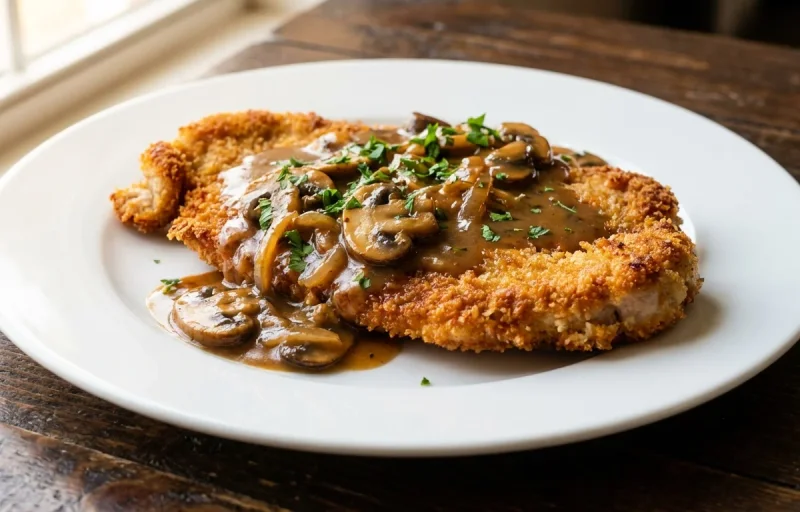
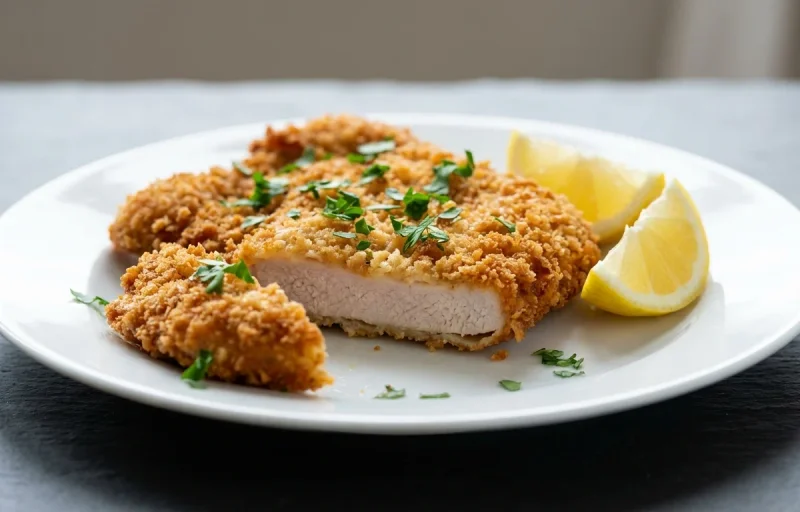
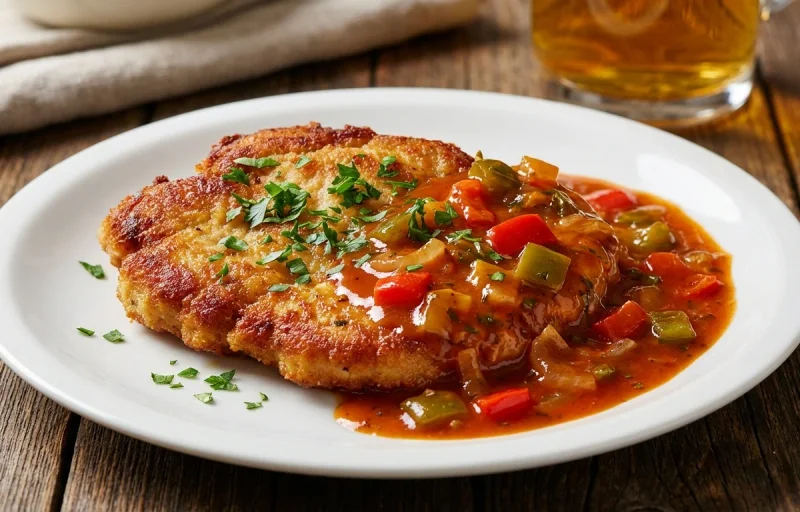
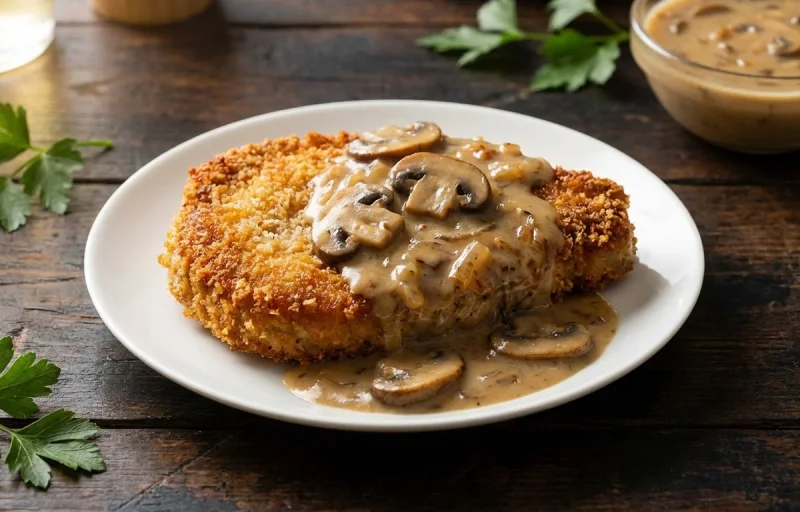
- 4Pork cutlets are ideal for breading and frying (like Schnitzel or Tonkatsu) or for quick pan-searing and serving with a simple pan sauce.
STORAGE
Keep it fresh.
- Store fresh pork cutlets in their original packaging or an airtight container in the refrigerator at or below 40°F (4°C) and use within 3-5 days.
- For longer storage, wrap individual cutlets tightly in plastic wrap and then in foil or a freezer bag. Freeze at 0°F (-18°C) for up to 6 months for best quality.
FAQ
Frequently asked questions.
Are pork cutlets healthy?
Yes, lean pork cutlets are a healthy choice. They are an excellent source of high-quality protein, essential B vitamins (like thiamine, niacin, and B6), and important minerals such as zinc, selenium, and phosphorus. They also provide heme iron, which is easily absorbed by the body.
What is the nutritional content of pork cutlets?
Per 100g, lean pork cutlets typically contain around 143 calories, 25.8g of protein, 0g of carbohydrates, and 3.8g of fat. This makes them a high-protein, low-carb, and relatively low-fat option.
Are pork cutlets gluten-free?
Yes, plain, unseasoned pork cutlets are naturally gluten-free. However, if they are breaded, marinated, or processed with certain additives, they may contain gluten. Always check ingredient labels if you have a gluten sensitivity.
Are pork cutlets keto-friendly?
Absolutely, pork cutlets are an excellent choice for a ketogenic diet. They are high in protein and contain zero carbohydrates, fitting perfectly into the macronutrient requirements of a keto lifestyle. Ensure they are not breaded or prepared with sugary marinades.
What is the best way to cook pork cutlets?
Pork cutlets are versatile and can be pan-fried, grilled, baked, or broiled. For best results, cook them quickly over medium-high heat until they reach an internal temperature of 145°F (63°C), followed by a 3-minute rest, to ensure they remain tender and juicy.
What do pork cutlets taste like?
Pork cutlets have a mild, savory flavor that is less intense than beef but richer than chicken. When cooked properly, they are tender and juicy with a fine texture, making them a great canvas for various seasonings and sauces.
Are pork cutlets suitable for halal or kosher diets?
No, pork cutlets are not suitable for either halal or kosher diets. Both Islamic (halal) and Jewish (kosher) dietary laws prohibit the consumption of pork and pork products.
RECIPES
Cook with pork cutlets.
1 recipes · sorted by what’s quick