
Vegetable10 recipes
potato.
VegetarianVeganGluten-freeDairy-freeNut-freePeanut-freeSoy-freeEgg-freeShellfish-freeHoney-freeAlcohol-freeHalalKosher
ALSO KNOWN AS
Medium Potatoraw potatospudalubatata
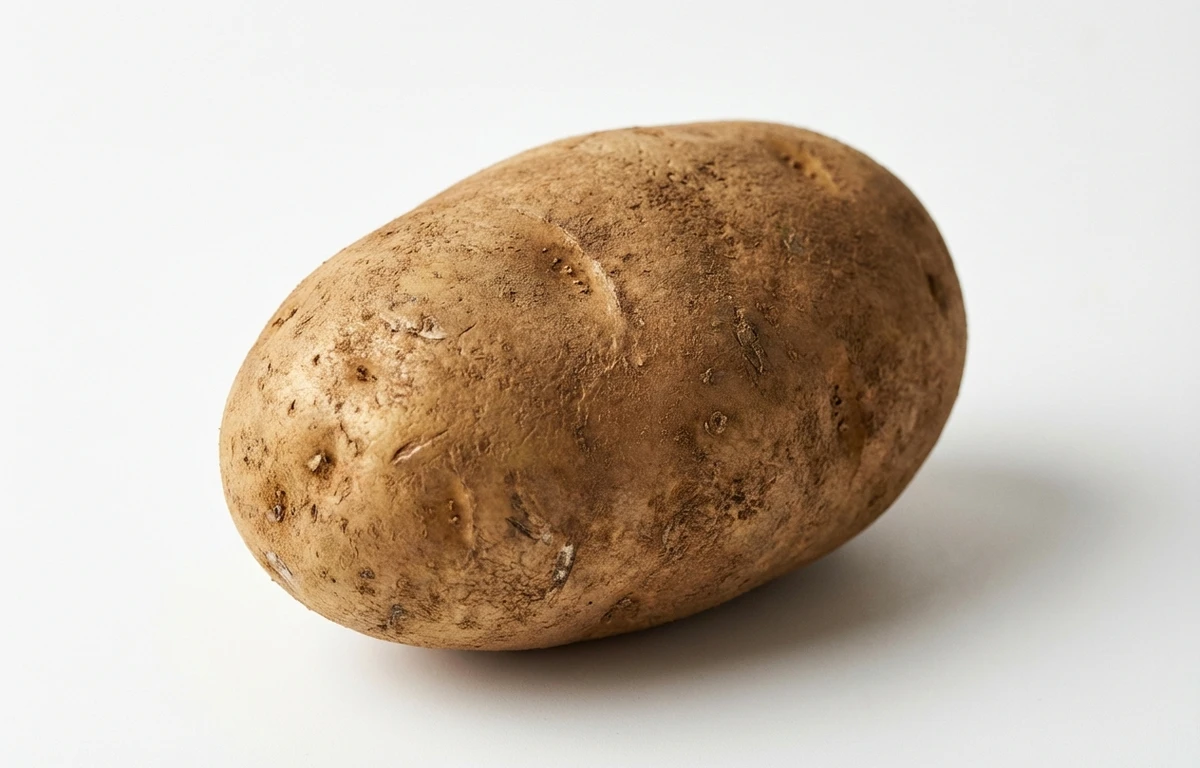
SERVING
CALORIES
77
PROTEIN
2.0g
CARBS
17.5g
FAT
0.10g
FIBER
2.2g
This ingredient is flagged as naturally gluten-free. Per 100 g, it provides 1.9 µg of vitamin K.
NUTRITION PROFILE · per 100 g
Everything in this ingredient.
MACRONUTRIENTS
Calories77kcal—
Protein2.0g4%
Carbohydrates17.5g6%
Fiber2.2g8%
Sugar0.80g2%
Total fat0.10g0%
Saturated fat0.03g0%
Trans fat0g—
Cholesterol0mg0%
Water79g—
MINERALS
Sodium6.0mg0%
Potassium421mg9%
Calcium12mg1%
Iron0.80mg4%
Magnesium23mg5%
Phosphorus57mg5%
Zinc0.30mg3%
Copper0.11mg12%
Manganese0.15mg7%
Selenium0.30µg1%
VITAMINS
Vitamin A0µg0%
Vitamin C19.7mg22%
Vitamin D0µg0%
Vitamin E0.01mg0%
Vitamin K1.9µg2%
Thiamin (B1)0.08mg7%
Riboflavin (B2)0.03mg2%
Niacin (B3)1.1mg7%
Pantothenic acid (B5)0.30mg6%
Vitamin B60.30mg18%
Folate (B9)16µg4%
Vitamin B120µg0%
%DV based on a 2,000 cal diet. Source: USDA FoodData Central. A dash in the %DV column means there’s no established Daily Value for that nutrient.
MEASUREMENT CONVERSIONS
How much is what.
1 cup210g
1 oz28.4g
1 lb453.6g
1 piece170g
HEALTH BENEFITS
Why eat it.
- ✓High in potassium which supports heart health and blood pressure
- ✓Contains resistant starch which may improve digestive health
- ✓Naturally gluten-free source of complex carbohydrates
- ✓Provides Vitamin B6 essential for brain development and function
COOKING TIPS
In the kitchen.
- 1Leave the skin on whenever possible to retain maximum fiber and nutrients
- 2Start boiling potatoes in cold water to ensure they cook evenly through to the center
- 3Soak cut potatoes in cold water for 30 minutes to remove excess starch for crispier fries
STORAGE
Keep it fresh.
- Store in a cool, dark, well-ventilated place to prevent sprouting
- Do not refrigerate as cold temperatures convert starch to sugar, affecting taste
- Keep away from onions as they release gases that cause potatoes to spoil faster
FAQ
Frequently asked questions.
How long do potatoes last?
Potatoes can last 2-3 months if stored in a cool, dark place (45-50°F). At room temperature, they typically last 1-2 weeks.
Are green potatoes safe to eat?
No, green skin indicates the presence of solanine, a toxin. Small spots can be cut away, but if the potato is significantly green, it should be discarded.
Can I freeze raw potatoes?
Raw potatoes do not freeze well due to high water content. It is best to blanch or partially cook them before freezing.
What is the best substitute for potatoes?
Sweet potatoes, parsnips, or turnips are good root vegetable substitutes. For a low-carb option, cauliflower mash is a popular alternative.
How do I pick the best potatoes?
Look for potatoes that are firm to the touch, heavy for their size, and free of sprouts, soft spots, or green tinges.
Are potatoes healthy?
Yes, they are nutrient-dense and filling. Most health issues associated with potatoes come from preparation methods like deep-frying or adding heavy butter/cream.
How should I clean potatoes?
Scrub them under cold running water with a vegetable brush to remove dirt, especially if you plan to eat the skin.
RECIPES
Cook with potato.
10 recipes · sorted by what’s quick
RELATED GUIDES



















