Other10 recipes
puff pastry.
VegetarianVeganGluten-freeDairy-freeNut-freePeanut-freeSoy-freeEgg-freeShellfish-freeHoney-freeAlcohol-free
ALSO KNOWN AS
flaky pastry
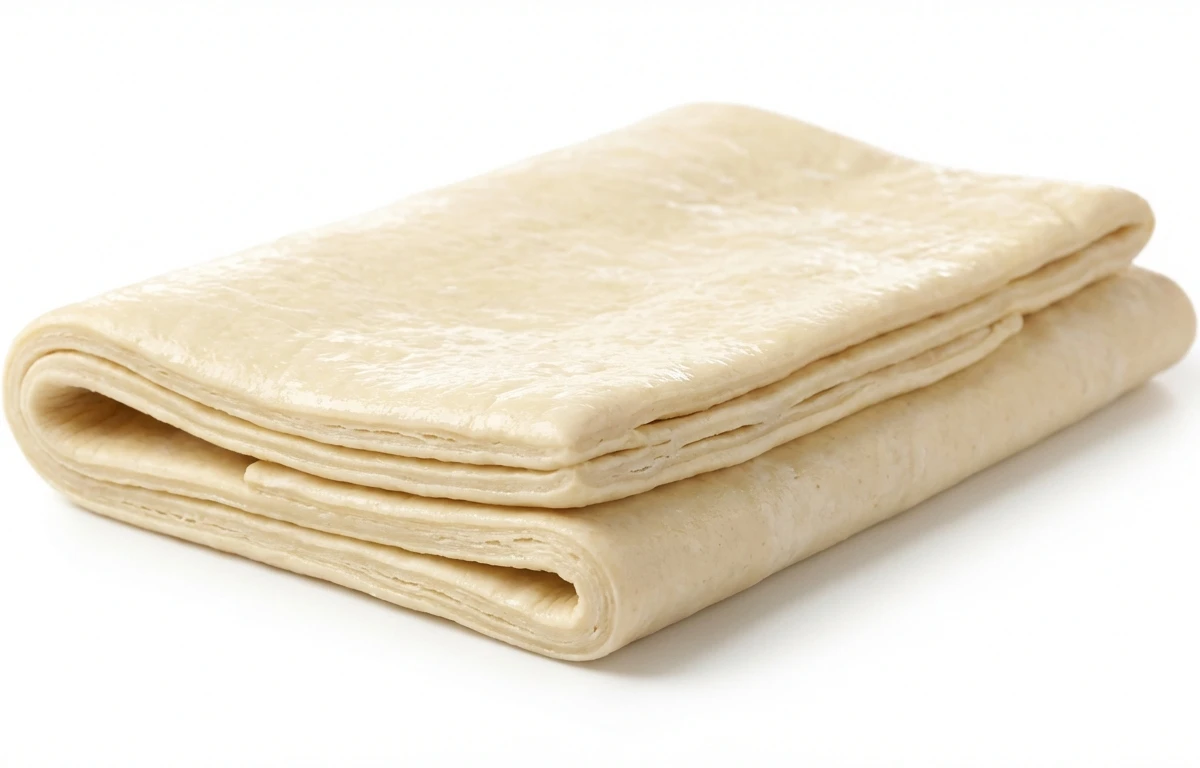
SERVING
CALORIES
551
PROTEIN
7.3g
CARBS
45.1g
FAT
38.1g
FIBER
1.5g
Per 100 g, it provides 16.1 µg of vitamin K.
NUTRITION PROFILE · per 100 g
Everything in this ingredient.
MACRONUTRIENTS
Calories551kcal—
Protein7.3g15%
Carbohydrates45.1g16%
Fiber1.5g5%
Sugar0.74g1%
Total fat38.1g49%
Saturated fat9.6g48%
Cholesterol21mg7%
Water8.5g—
MINERALS
Sodium249mg11%
Potassium61mg1%
Calcium10mg1%
Iron2.6mg14%
Magnesium16mg4%
Phosphorus60mg5%
Zinc0.53mg5%
Copper0.11mg12%
Manganese0.49mg21%
Selenium24.2µg44%
VITAMINS
Vitamin A120µg13%
Vitamin C0mg0%
Vitamin D0µg0%
Vitamin E0.54mg4%
Vitamin K16.1µg13%
Thiamin (B1)0.40mg33%
Riboflavin (B2)0.28mg22%
Niacin (B3)4.2mg26%
Pantothenic acid (B5)0mg0%
Vitamin B60.02mg1%
Folate (B9)78µg20%
Vitamin B120µg0%
%DV based on a 2,000 cal diet. Source: USDA FoodData Central. A dash in the %DV column means there’s no established Daily Value for that nutrient.
MEASUREMENT CONVERSIONS
How much is what.
1 oz28.4g
1 lb453.6g
1 piece142g
HEALTH BENEFITS
Why eat it.
- ✓Provides a quick source of energy due to its high concentration of refined carbohydrates and fats.
- ✓When made with real butter, it can be a source of fat-soluble vitamins like Vitamin A.
- ✓Acts as a versatile base for incorporating more nutrient-dense foods such as vegetables, fruits, and lean proteins in various dishes.
COOKING TIPS
In the kitchen.
- 1For the best rise and flakiest layers, ensure the pastry is very cold and the oven is fully preheated to a high temperature (around 400°F or 200°C).
- 2Use a very sharp knife or pizza cutter to cut the dough. A dull blade can press the layers together, preventing them from rising properly at the edges.
- 3To achieve a glossy, golden-brown finish, brush the surface with an egg wash (one egg beaten with a splash of milk or water) before baking.
- 4Dock the pastry with a fork in areas you don't want to rise, such as the base of a tart, to prevent it from puffing up too much.
STORAGE
Keep it fresh.
- Keep unbaked puff pastry frozen for up to 3 months. Thaw overnight in the refrigerator before use; do not thaw at room temperature as the butter may melt.
- Once thawed, store puff pastry in the refrigerator, tightly wrapped, for no more than 2 days. Do not refreeze.
- Baked puff pastry items are best consumed fresh but can be stored in an airtight container at room temperature for 1-2 days.
FAQ
Frequently asked questions.
Is puff pastry healthy?
Puff pastry is generally high in calories, fat (especially saturated fat), and refined carbohydrates, providing a quick source of energy. While it can be a base for incorporating nutrient-dense foods like vegetables or lean proteins, it should be consumed in moderation as part of a balanced diet due to its high energy density.
How many calories and carbohydrates are in puff pastry?
Per 100g, puff pastry contains approximately 551 calories and 45.1g of carbohydrates. It also has about 38.1g of fat and 7.3g of protein, making it a calorie-dense food.
Is puff pastry vegan?
Traditional puff pastry is not vegan as it typically contains butter, a dairy product. However, many brands offer vegan puff pastry made with vegetable-based fats like margarine or shortening, so always check the ingredient list.
Is puff pastry gluten-free?
Standard puff pastry is not gluten-free, as it is made with wheat flour. However, gluten-free versions are available in many grocery stores, made with alternative flours like rice or corn flour.
How do you properly bake puff pastry?
For best results, bake puff pastry in a preheated oven, usually between 375-425°F (190-220°C), until it's golden brown and puffed. Ensure the pastry is cold before baking, and avoid overworking it to maintain its flaky layers.
What are some common uses for puff pastry?
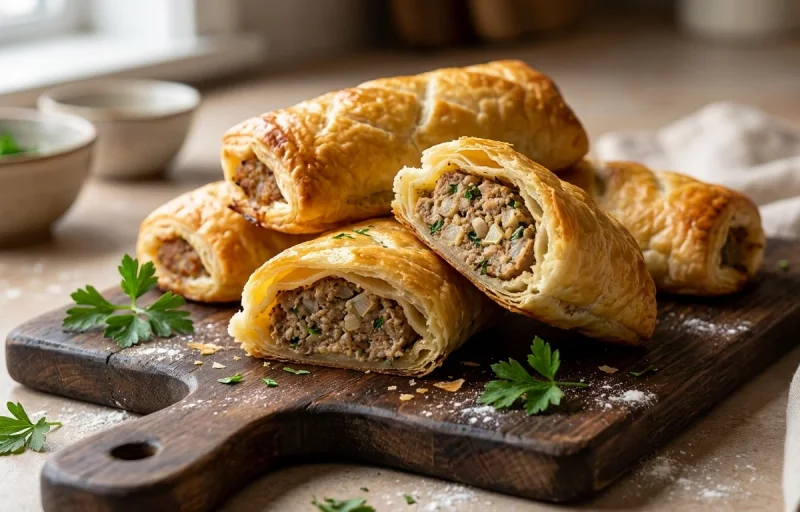
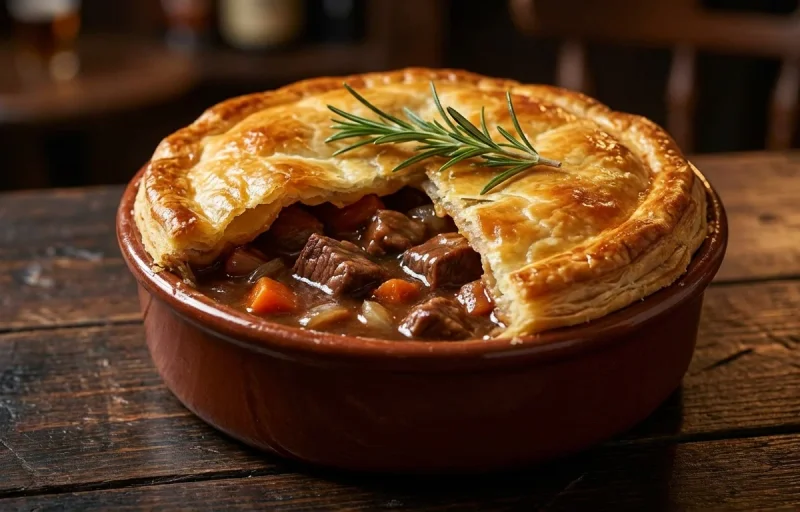
Puff pastry is incredibly versatile and can be used for both sweet and savory dishes. Common uses include tarts, turnovers, pot pie toppings, sausage rolls, cheese straws, and various appetizers or desserts.
How should I store puff pastry?
Unbaked puff pastry is best stored frozen in its original packaging until ready to use. Once thawed, it can be kept refrigerated for 1-2 days. Baked puff pastry can be stored at room temperature in an airtight container for a day or two, or refrigerated for longer.
How long does puff pastry last once opened or thawed?
Once thawed, puff pastry should be used within 1-2 days if kept refrigerated. If it has been opened but not thawed, re-wrap it tightly and return it to the freezer, where it can last for several months (check the 'best by' date).
Can I make puff pastry from scratch, and is it difficult?
Yes, you can make puff pastry from scratch, but it is considered a challenging and time-consuming baking project. It involves repeatedly folding and rolling dough with butter (or another fat) to create many thin layers, requiring patience and precise technique.
RECIPES
Cook with puff pastry.
10 recipes · sorted by what’s quick