Other10 recipes
queso fresco.
VegetarianVeganGluten-freeDairy-freeNut-freePeanut-freeSoy-freeEgg-freeShellfish-freeHoney-freeAlcohol-free
ALSO KNOWN AS
fresh cheeseMexican fresh cheese
SERVING
CALORIES
299
PROTEIN
18.1g
CARBS
3.0g
FAT
23.8g
FIBER
0g
This ingredient is flagged as naturally gluten-free. Per 100 g, it provides 1.0 µg of vitamin K.
NUTRITION PROFILE · per 100 g
Everything in this ingredient.
MACRONUTRIENTS
Calories299kcal—
Protein18.1g36%
Carbohydrates3.0g1%
Fiber0g0%
Sugar2.3g5%
Total fat23.8g31%
Saturated fat12.9g65%
Trans fat0.83g—
Cholesterol69mg23%
Water51.4g—
MINERALS
Sodium751mg33%
Potassium129mg3%
Calcium566mg44%
Iron0.20mg1%
Magnesium24mg6%
Phosphorus385mg31%
Zinc2.6mg23%
Copper0.03mg3%
Manganese0.01mg0%
Selenium19.3µg35%
VITAMINS
Vitamin A224µg25%
Vitamin C0mg0%
Vitamin D2.7µg14%
Vitamin E0.37mg2%
Vitamin K1.0µg1%
Thiamin (B1)0.04mg3%
Riboflavin (B2)0.17mg13%
Niacin (B3)0.03mg0%
Pantothenic acid (B5)0.36mg7%
Vitamin B60.08mg5%
Folate (B9)7.0µg2%
Vitamin B121.7µg70%
%DV based on a 2,000 cal diet. Source: USDA FoodData Central. A dash in the %DV column means there’s no established Daily Value for that nutrient.
MEASUREMENT CONVERSIONS
How much is what.
1 cup113g
1 tablespoon7.6g
1 teaspoon2.5g
1 oz28.4g
1 lb453.6g
1 ml0.5g
1 liter508.3g
HEALTH BENEFITS
Why eat it.
- ✓Rich in calcium and phosphorus, two minerals crucial for building and maintaining strong bones and teeth.
- ✓Typically lower in fat and sodium compared to many aged cheeses, making it a healthier choice for cheese lovers.
- ✓Provides B vitamins, particularly B12, which is important for nerve function and the formation of red blood cells.
COOKING TIPS
In the kitchen.
- 1Queso fresco is a crumbling cheese, not a melting cheese. It softens and becomes creamy when heated but does not get stringy or gooey.
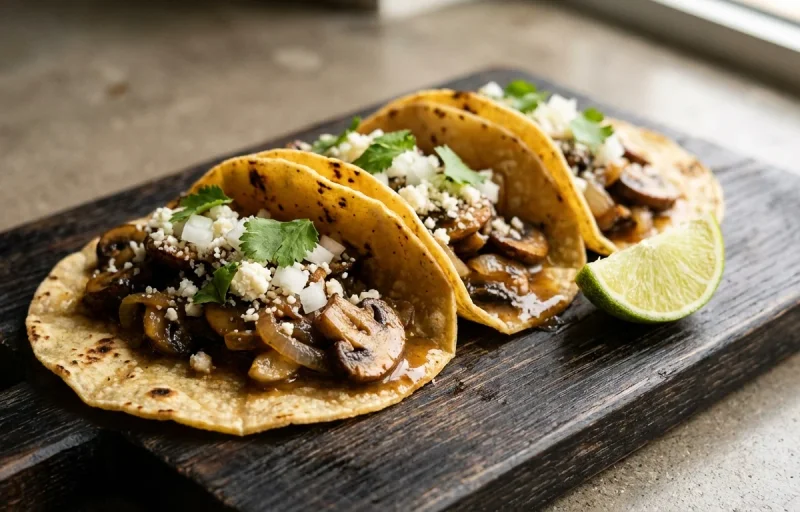
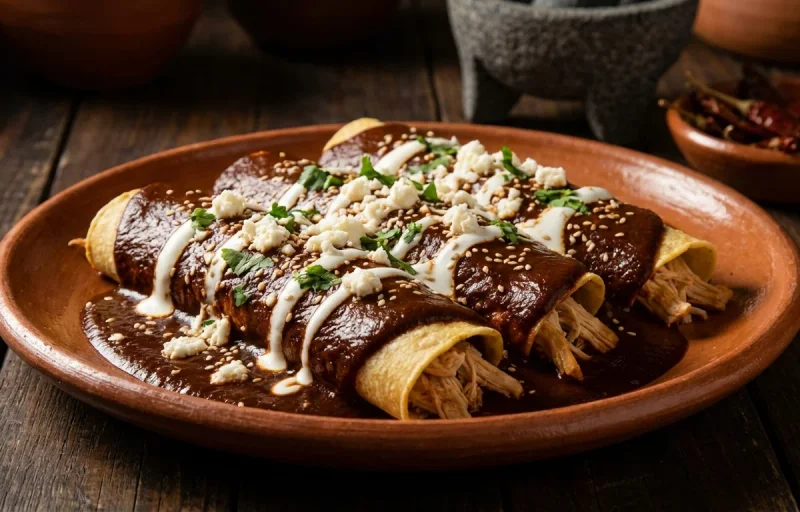
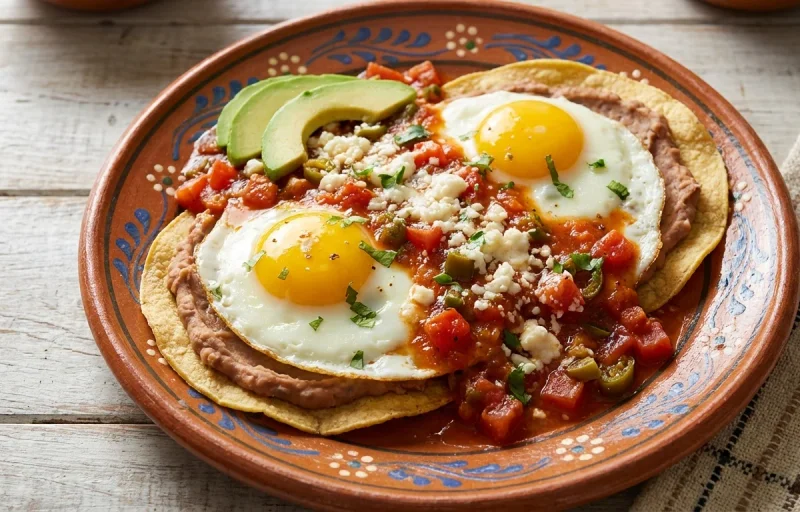
- 2Crumble it cold over finished dishes like tacos, enchiladas, salads, beans, or soups to add a fresh, milky, and slightly salty finish.
- 3For a delicious appetizer or side, pan-sear thick slices in a lightly oiled skillet over medium-high heat until golden brown and crispy on the outside and soft on the inside.
- 4Use as a filling for dishes like chiles rellenos or tamales, where its texture will become soft and creamy upon cooking.
STORAGE
Keep it fresh.
- Refrigerate immediately in its original packaging or an airtight container at or below 40°F (4°C).
- Consume within one to two weeks of purchase, or by the expiration date. Once opened, use within 5-7 days for best quality and safety.
- Drain any excess liquid (whey) from the container before storing to prevent the cheese from becoming soggy.
FAQ
Frequently asked questions.
Is queso fresco lactose-free?
No, queso fresco is not lactose-free as it is made from cow's milk. However, fresh cheeses generally contain less lactose than aged cheeses because much of the lactose is drained away with the whey during processing. Individuals with mild lactose intolerance might tolerate it better than other dairy products.
Is queso fresco gluten-free?
Yes, queso fresco is naturally gluten-free. It is made solely from milk, rennet, and salt, none of which contain gluten. Always check the label for any added ingredients if you have severe gluten sensitivities or allergies.
How do you typically use queso fresco in cooking?
Queso fresco is a versatile cheese often crumbled over dishes like tacos, enchiladas, salads, and soups. It's also used as a filling for chiles rellenos or simply served as a side with fruit or beans. Its mild, slightly salty flavor complements many savory dishes.
What does queso fresco taste and feel like?
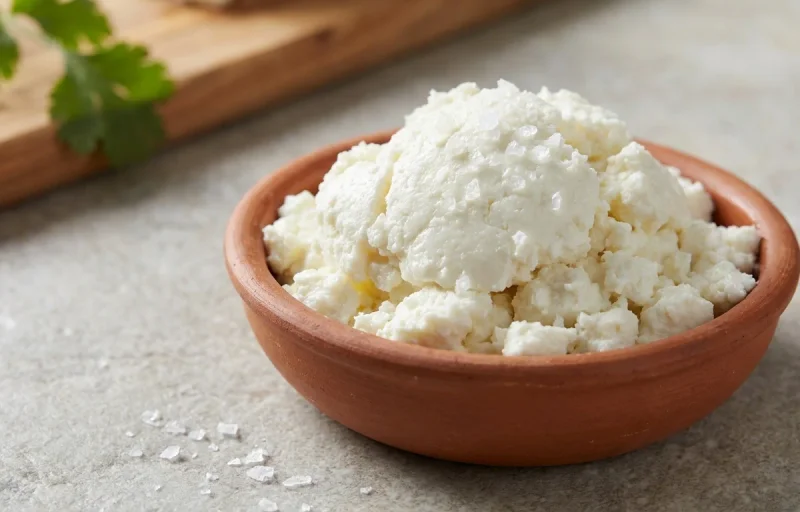
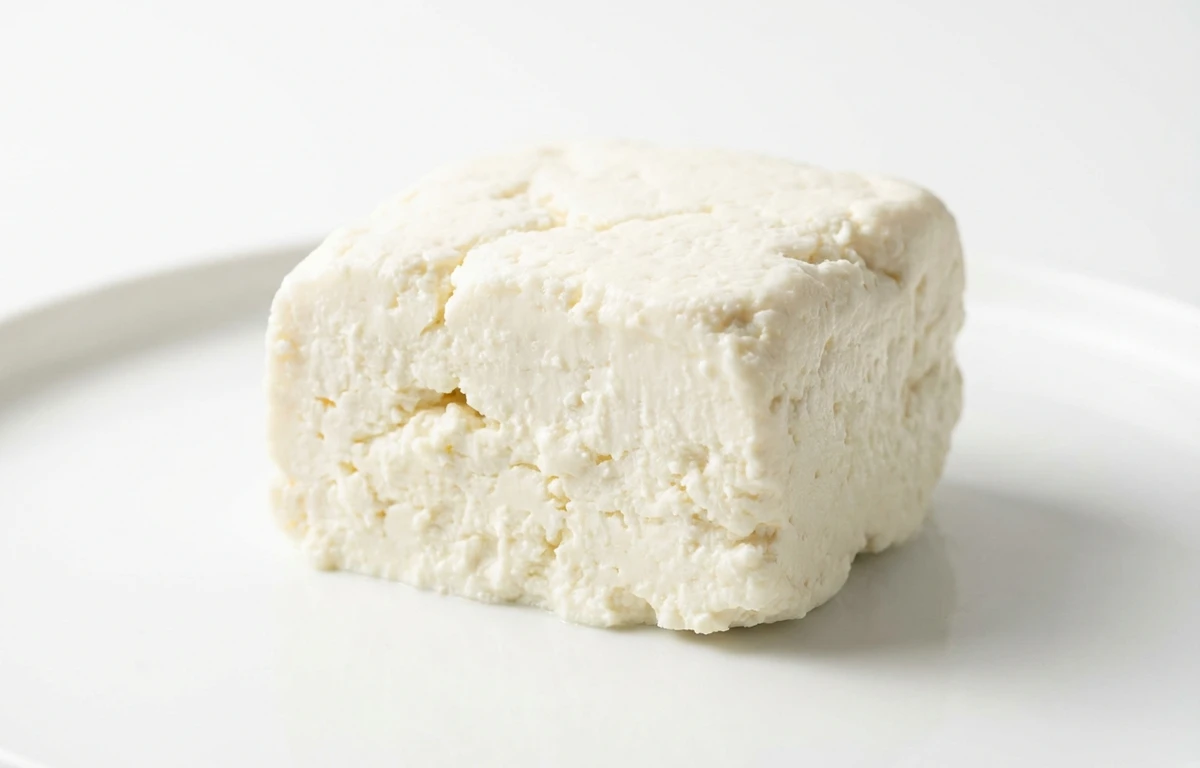
Queso fresco has a mild, fresh, and slightly salty flavor with a tangy finish. Its texture is soft, moist, and crumbly, similar to feta or farmer's cheese, but less salty and more milky. It does not melt easily, retaining its shape when heated.
Does queso fresco melt?
Unlike many other cheeses, queso fresco does not melt into a smooth, gooey consistency when heated. Instead, it softens and retains its shape, becoming creamy and slightly crumbly. This property makes it ideal for crumbling over hot dishes without disappearing.
RECIPES
Cook with queso fresco.
10 recipes · sorted by what’s quick