
Other10 recipes
quince.
VegetarianVeganGluten-freeDairy-freeNut-freePeanut-freeSoy-freeEgg-freeShellfish-freeHoney-freeAlcohol-freeHalalKosher
ALSO KNOWN AS
quinceraw quincecydonia oblongasafarjalbahimembrillocoingquittemarmelo
SERVING
CALORIES
57
PROTEIN
0.40g
CARBS
15.3g
FAT
0.10g
FIBER
1.9g
This ingredient is flagged as naturally gluten-free. Per 100 g, it provides 0 µg of vitamin K.
NUTRITION PROFILE · per 100 g
Everything in this ingredient.
MACRONUTRIENTS
Calories57kcal—
Protein0.40g1%
Carbohydrates15.3g6%
Fiber1.9g7%
Sugar8.9g18%
Total fat0.10g0%
Saturated fat0.01g0%
Trans fat0g—
Cholesterol0mg0%
Water83.8g—
MINERALS
Sodium4.0mg0%
Potassium197mg4%
Calcium11mg1%
Iron0.70mg4%
Magnesium8.0mg2%
Phosphorus17mg1%
Zinc0.04mg0%
Copper0.13mg14%
Manganese0.04mg2%
Selenium0.60µg1%
VITAMINS
Vitamin A2.0µg0%
Vitamin C15mg17%
Vitamin D0µg0%
Vitamin E0.12mg1%
Vitamin K0µg0%
Thiamin (B1)0.02mg2%
Riboflavin (B2)0.03mg2%
Niacin (B3)0.20mg1%
Pantothenic acid (B5)0.08mg2%
Vitamin B60.04mg2%
Folate (B9)3.0µg1%
Vitamin B120µg0%
%DV based on a 2,000 cal diet. Source: USDA FoodData Central. A dash in the %DV column means there’s no established Daily Value for that nutrient.
MEASUREMENT CONVERSIONS
How much is what.
1 cup150g
1 oz28.4g
1 lb453.6g
1 piece250g
HEALTH BENEFITS
Why eat it.
- ✓May help manage pregnancy-induced nausea
- ✓Supports digestive health and may soothe stomach ulcers
- ✓May help manage allergic reactions and acid reflux
COOKING TIPS
In the kitchen.
- 1Most varieties are too astringent to eat raw and must be cooked
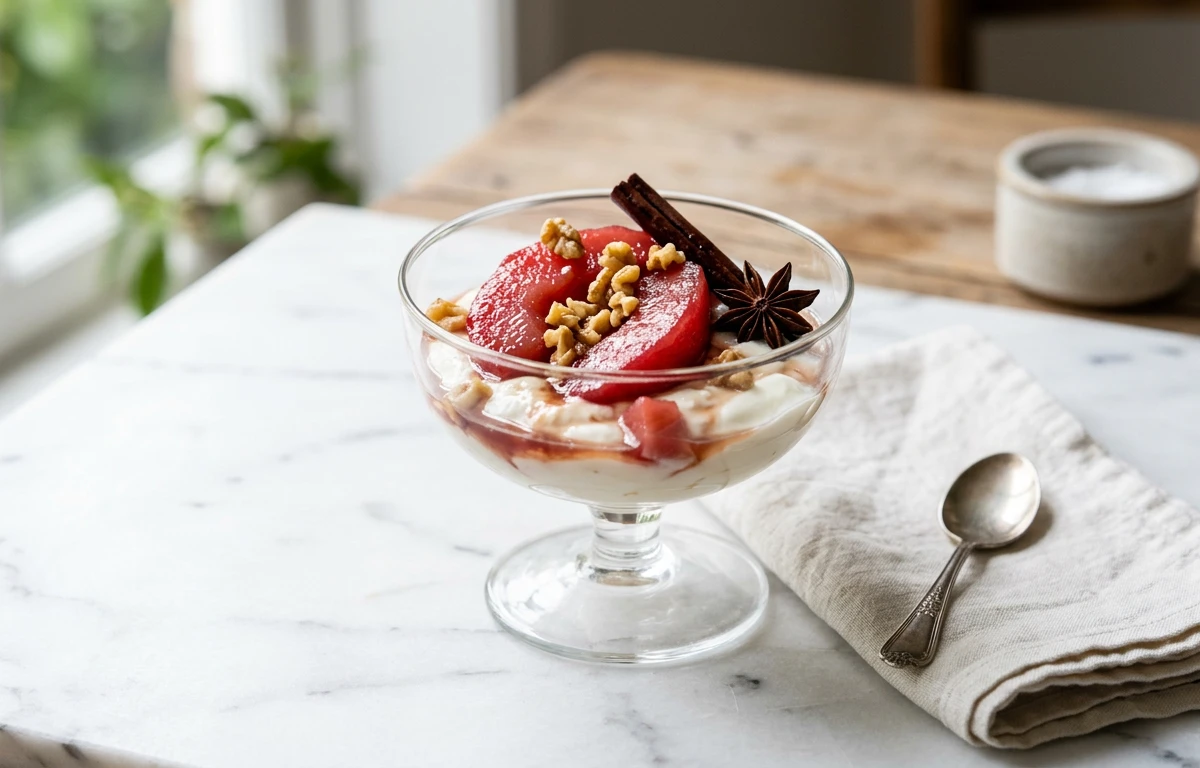
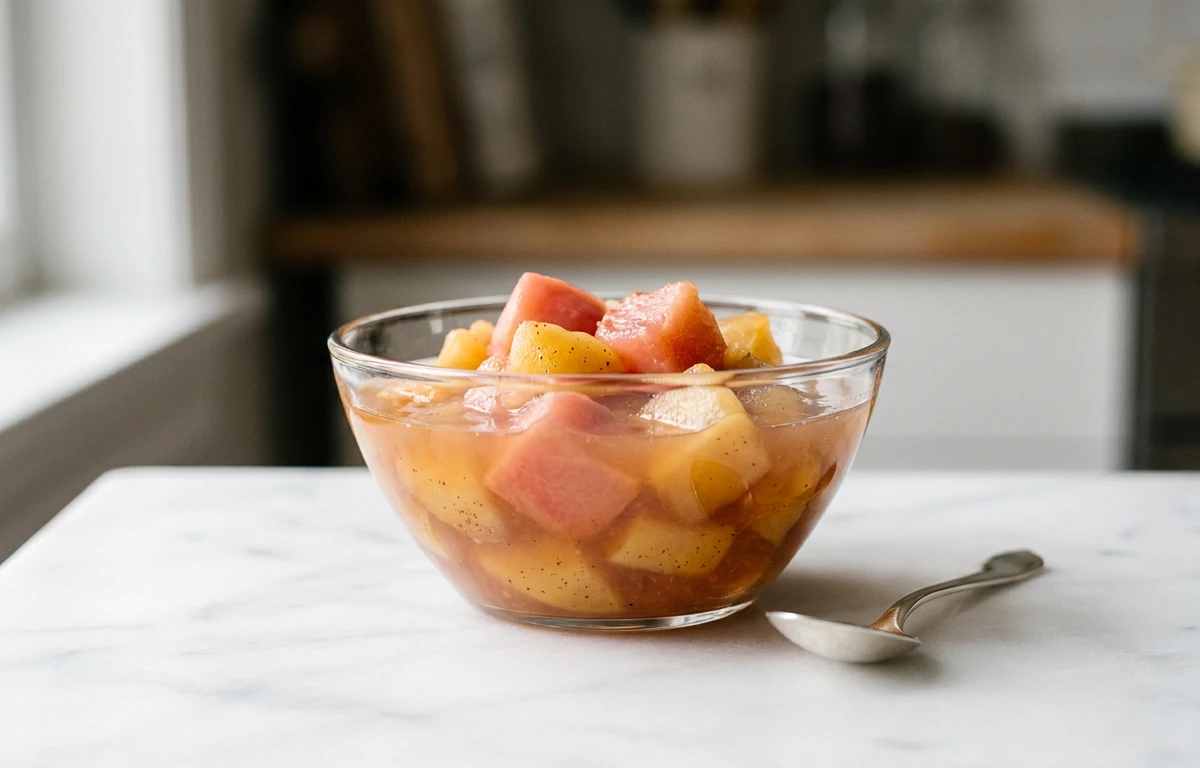
- 2Poaching quince in sugar syrup will eventually turn the flesh a beautiful pink or deep red
- 3High pectin content makes them perfect for jams, jellies, and the Spanish paste 'Membrillo'
STORAGE
Keep it fresh.
- Store at room temperature for up to a week until fully ripe and fragrant
- Refrigerate in a perforated plastic bag for up to 2 months
- Keep away from other fruits as they absorb the strong aroma of quince
FAQ
Frequently asked questions.
How do I know when a quince is ripe?
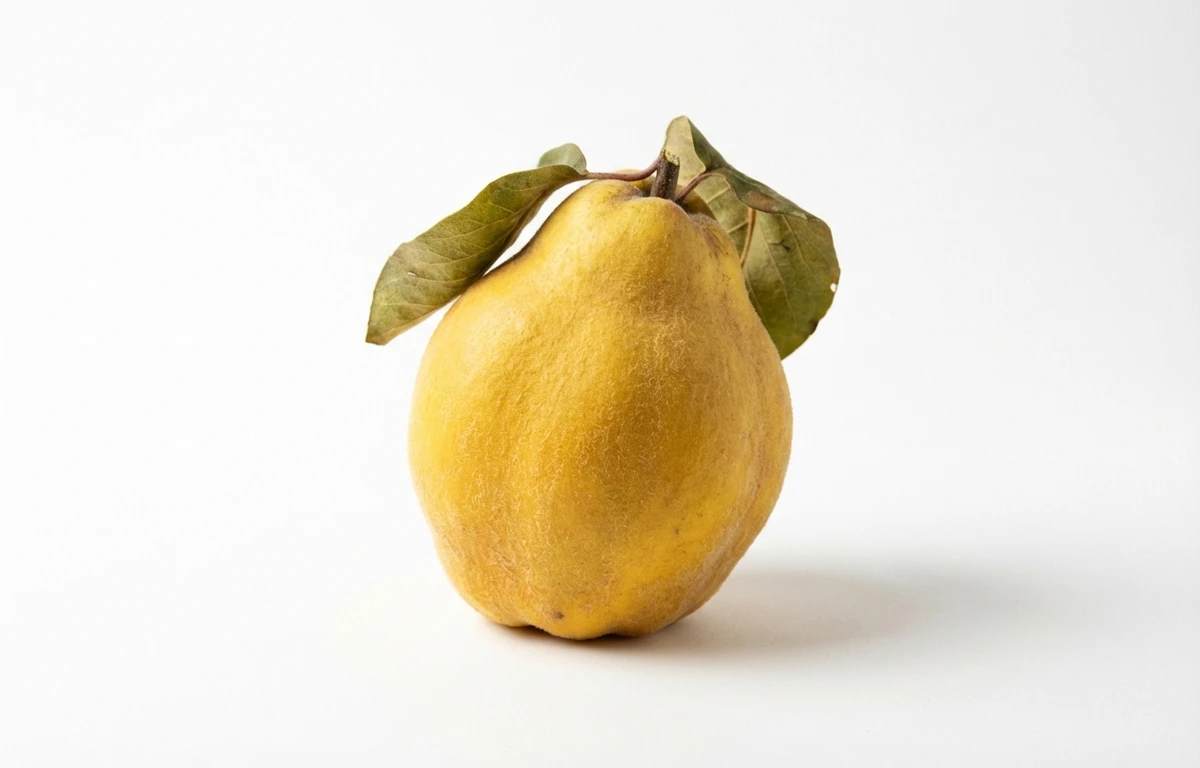
A ripe quince will turn from light green to a bright yellow and will emit a very strong, sweet, floral fragrance.
Why does quince turn red when cooked?
The heat releases anthocyanins (natural pigments) that were previously bound up in the fruit's tannins, changing the color from white to pink or red.
What is a good substitute for quince?
Tart apples (like Granny Smith) or firm pears are the best substitutes, though they lack the unique floral aroma.
How long does quince last in the fridge?
When wrapped properly, quince can stay fresh in the refrigerator for 6 to 8 weeks.
Do I need to peel quince before cooking?
Yes, the skin is often tough and covered in a fuzzy down that should be rubbed off or peeled away before use.
Is quince high in sugar?
Quince contains about 9g of sugar per 100g, which is moderate for a fruit, similar to a pear.
What are common culinary uses for quince?
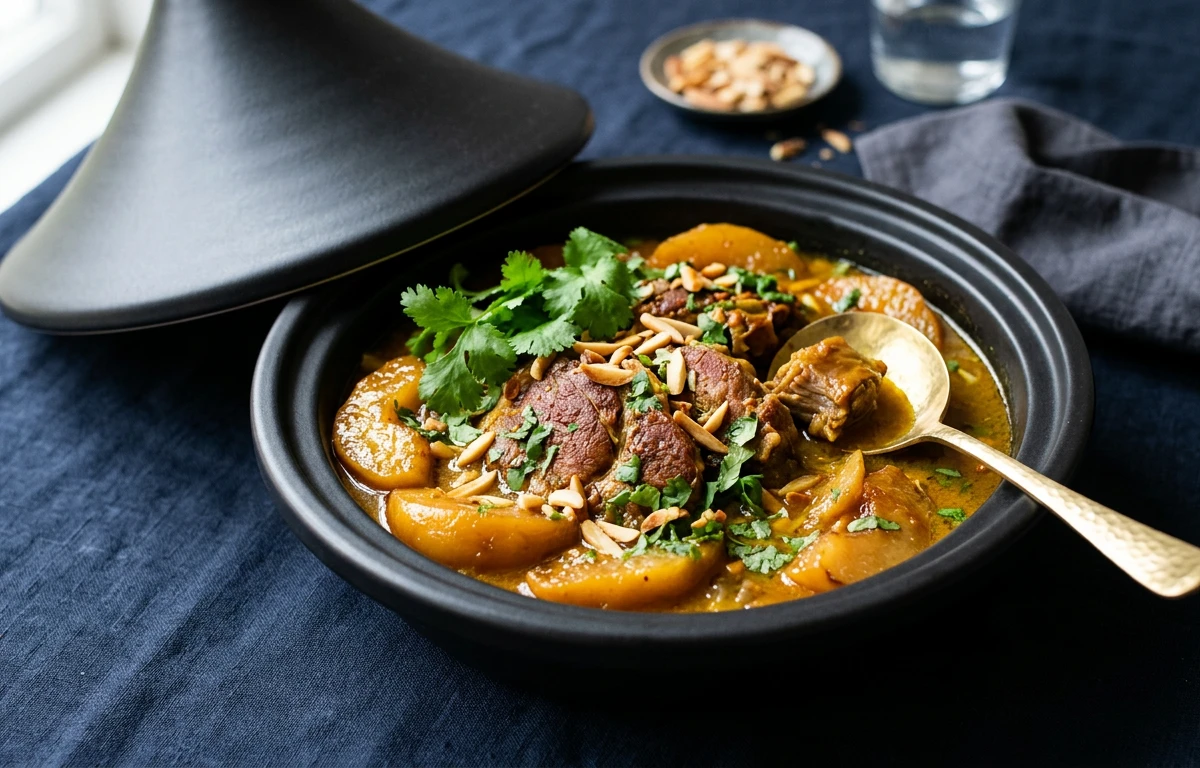
It is widely used for jams, jellies, fruit pastes (membrillo), tarts, and even savory stews or tagines in Middle Eastern cuisine.
Can you freeze quince?
Quince freezes well if it is first peeled, cored, and blanched or poached in syrup.
RECIPES
Cook with quince.
10 recipes · sorted by what’s quick
RELATED GUIDES



















