grain product1 recipes
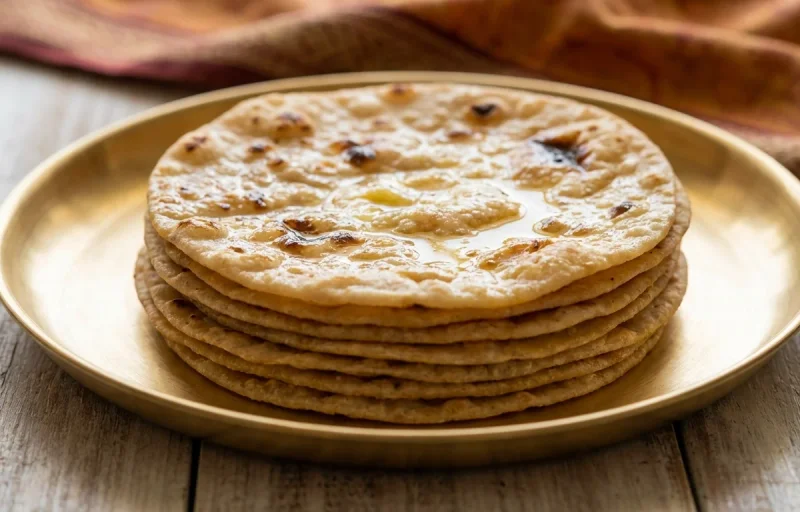
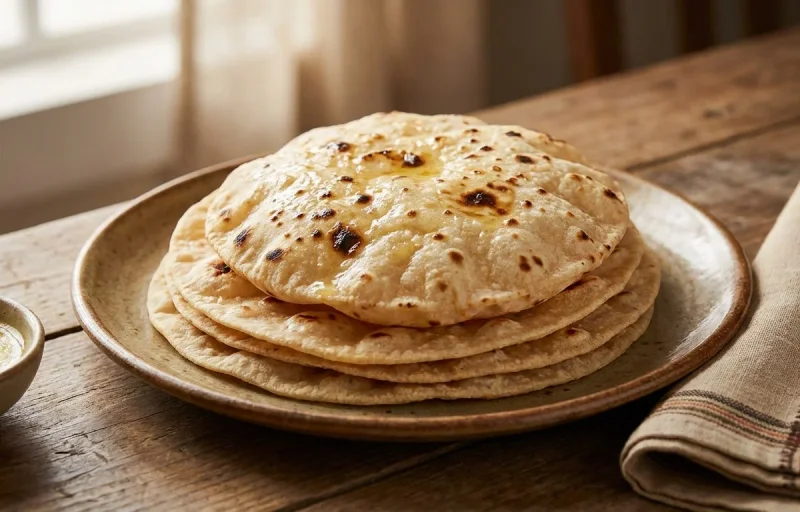
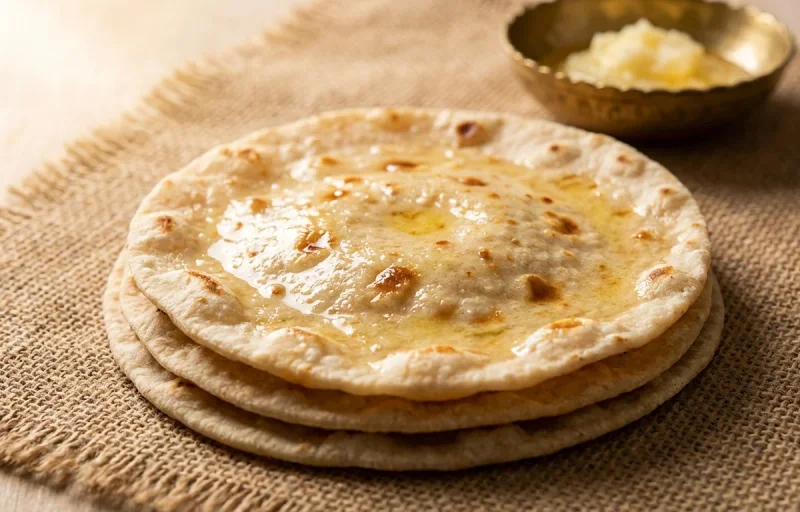
Rotli.
VegetarianVeganGluten-freeDairy-freeNut-freePeanut-freeSoy-freeEgg-freeShellfish-freeHoney-freeAlcohol-freeWhole grain
SERVING
CALORIES
270
PROTEIN
9.5g
CARBS
55g
FAT
3.0g
FIBER
7.0g
NUTRITION PROFILE · per 100 g
Everything in this ingredient.
MACRONUTRIENTS
Calories270kcal—
Protein9.5g19%
Carbohydrates55g20%
Fiber7.0g25%
Sugar0.50g1%
Total fat3.0g4%
Saturated fat1.5g8%
Cholesterol5.0mg2%
Water30g—
MINERALS
Sodium200mg9%
Potassium180mg4%
Calcium25mg2%
Iron2.5mg14%
Magnesium70mg17%
Phosphorus180mg14%
Zinc1.0mg9%
Copper0.20mg22%
Manganese1.0mg43%
Selenium20µg36%
VITAMINS
Vitamin A0µg0%
Vitamin C0mg0%
Vitamin D0µg0%
Vitamin E0.50mg3%
Vitamin K1.0µg1%
Thiamin (B1)0.20mg17%
Riboflavin (B2)0.10mg8%
Niacin (B3)3.0mg19%
Pantothenic acid (B5)0.50mg10%
Vitamin B60.15mg9%
Folate (B9)40µg10%
Vitamin B120µg0%
%DV based on a 2,000 cal diet. Source: USDA FoodData Central. A dash in the %DV column means there’s no established Daily Value for that nutrient.
MEASUREMENT CONVERSIONS
How much is what.
1 oz3.5g
1 lb0.2g
1 piece2.5g
HEALTH BENEFITS
Why eat it.
- ✓Good source of dietary fiber, aiding digestion.
- ✓Provides sustained energy due to complex carbohydrates.
- ✓Made from whole grains, contributing to heart health.
- ✓Low in fat when prepared without excessive oil or ghee.
- ✓Versatile and can be paired with various curries and vegetables.
COOKING TIPS
In the kitchen.
- 1Knead the dough thoroughly until it is smooth and elastic for soft rotlis.
- 2Roll rotlis thinly and evenly to ensure they cook uniformly and puff up.
- 3Cook on a hot tawa (griddle) until small bubbles appear, then flip and cook until puffed and lightly browned spots form.
STORAGE
Keep it fresh.
- Store rotli dough in an airtight container in the refrigerator for up to 2-3 days.
- Cooked rotlis can be kept at room temperature for a day or refrigerated for 2-3 days.
- For longer storage, freeze cooked rotlis between parchment paper for up to a month.
FAQ
Frequently asked questions.
Is rotli healthy?
Yes, rotli is a healthy staple made from whole wheat flour. It is a good source of dietary fiber which aids digestion and provides complex carbohydrates for sustained energy and heart health.
How many calories and protein are in rotli?
Per 100g, rotli contains approximately 270 calories and 9.5g of protein. It is naturally low in fat, containing only about 3g per 100g, making it a lean source of energy.
Is rotli good for weight loss?
Rotli can be an excellent part of a weight loss diet due to its high fiber content, which promotes satiety. To minimize calorie intake, it is best consumed without adding ghee or butter after cooking.
Is rotli vegan?
Traditional rotli is vegan as it is made from whole wheat flour, water, and occasionally a small amount of vegetable oil. However, it is common to brush them with ghee (clarified butter) after cooking, so ensure no dairy is added if you follow a vegan diet.
Is rotli gluten-free?
No, traditional rotli is not gluten-free because it is made from whole wheat flour (atta). People with celiac disease or gluten intolerance should avoid standard rotli and look for versions made with alternative flours like jowar or bajra.
Can diabetics eat rotli?
Yes, diabetics can include rotli in their diet because it is made from whole grains, which have a lower glycemic index than refined flour. The fiber helps regulate blood sugar levels, though portion sizes should still be monitored.
How do you keep rotli soft?
To ensure soft rotli, use warm water to knead the dough and allow it to rest for at least 20 minutes before rolling. Cooking them quickly on a hot griddle and storing them in an insulated container wrapped in a cloth also helps maintain softness.
What is the difference between rotli and naan?
Rotli is an unleavened flatbread made from whole wheat flour and cooked on a flat griddle. Naan is a leavened bread made with refined all-purpose flour, often using yeast or yogurt, and is traditionally baked in a tandoor oven.
How do you store rotli and how long do they last?
Rotli should be wrapped in a clean kitchen towel or foil and kept in an airtight container. They last for about 24 hours at room temperature, up to 3 days in the refrigerator, or can be frozen for up to a month.
Is rotli keto-friendly?
Rotli is not keto-friendly as it is high in carbohydrates, containing about 55g of carbs per 100g. Those on a strict ketogenic diet usually avoid grain-based flatbreads in favor of low-carb alternatives.
RECIPES
Cook with rotli.
1 recipes · sorted by what’s quick