Other7 recipes
salami.
VegetarianVeganGluten-freeDairy-freeNut-freePeanut-freeSoy-freeEgg-freeShellfish-freeHoney-freeAlcohol-freeHalalKosherFermented
ALSO KNOWN AS
Hard salamiDry sausage
SERVING
CALORIES
418
PROTEIN
22.6g
CARBS
2.3g
FAT
35.6g
FIBER
0g
This ingredient is flagged as naturally gluten-free. Per 100 g, it provides 1.3 µg of vitamin K.
NUTRITION PROFILE · per 100 g
Everything in this ingredient.
MACRONUTRIENTS
Calories418kcal—
Protein22.6g45%
Carbohydrates2.3g1%
Fiber0g0%
Sugar0.50g1%
Total fat35.6g46%
Saturated fat12.4g62%
Cholesterol84mg28%
Water38g—
MINERALS
Sodium1700mg74%
Potassium300mg6%
Calcium12mg1%
Iron1.8mg10%
Magnesium13mg3%
Phosphorus205mg16%
Zinc1.8mg16%
Copper0.19mg21%
Manganese0.05mg2%
Selenium14.6µg27%
VITAMINS
Vitamin A0µg0%
Vitamin C0mg0%
Vitamin D0.60µg3%
Vitamin E0.19mg1%
Vitamin K1.3µg1%
Thiamin (B1)0.10mg8%
Riboflavin (B2)0.19mg15%
Niacin (B3)3.2mg20%
Pantothenic acid (B5)0.95mg19%
Vitamin B60.18mg11%
Folate (B9)2.0µg1%
Vitamin B123.1µg128%
%DV based on a 2,000 cal diet. Source: USDA FoodData Central. A dash in the %DV column means there’s no established Daily Value for that nutrient.
MEASUREMENT CONVERSIONS
How much is what.
1 oz28.4g
1 lb453.6g
HEALTH BENEFITS
Why eat it.
- ✓Good source of complete protein, essential for muscle repair and growth.
- ✓Rich in B vitamins, particularly B12 and niacin, which support energy metabolism and nervous system function.
- ✓The fermentation process can introduce beneficial bacteria, potentially supporting gut health.
COOKING TIPS
In the kitchen.
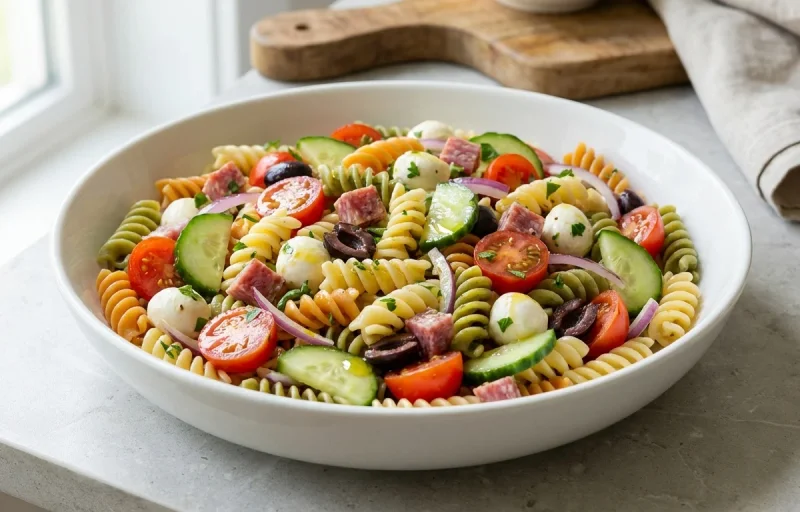
- 1For a crispy texture and intensified flavor, pan-fry thin slices until the edges curl. Use as a topping for pasta, salads, or eggs.
- 2Dice salami and render it in a pan over low heat to release its flavorful fat, which can be used as a base for sauces, soups, or sautés.
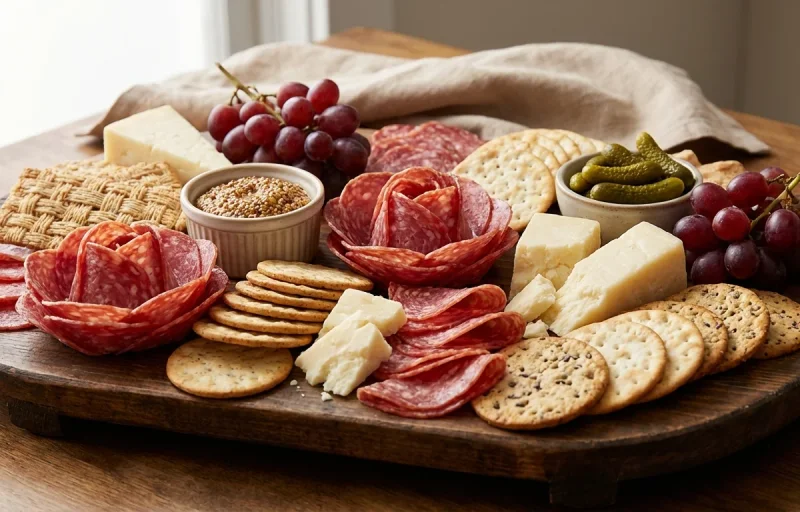
- 3Slice salami as thinly as possible for charcuterie boards and sandwiches to balance its rich, salty flavor with other ingredients.
- 4When using on pizza, place salami slices on top of the cheese to allow them to crisp up into 'cups' that hold rendered fat.
STORAGE
Keep it fresh.
- Store whole, uncut salami in a cool, dark, and dry place (like a pantry) for up to six weeks. It does not require refrigeration until opened.
- Once cut, wrap the exposed end tightly in plastic wrap or butcher paper and store in the refrigerator for up to 3-4 weeks.
- Pre-sliced salami should be kept in an airtight container in the refrigerator and consumed within 5-7 days.
FAQ
Frequently asked questions.
Is salami healthy?
Salami is a good source of complete protein and essential B vitamins, but it is also high in sodium, saturated fat, and calories. While it provides minerals like zinc and selenium, it is considered a processed meat and should be consumed in moderation as part of a balanced diet.
How much protein and calories are in salami?
A 100g serving of salami contains approximately 418 calories and 22.6g of protein. This high protein content makes it effective for muscle repair, though the high fat content (35.6g) contributes significantly to the calorie count.
Is salami keto-friendly?
Yes, salami is excellent for a keto or low-carb diet as it contains only about 2.3g of carbohydrates per 100g. Its high fat and protein content helps meet ketogenic macros, though you should check labels for any added sugars used in the curing process.
How can you tell if salami has gone bad?
Spoiled salami often develops a slimy or sticky texture, a greyish or brownish color, and a sour or ammonia-like smell. While a white, powdery mold on the casing is often normal for certain types, any fuzzy or dark mold on the meat itself means it should be discarded.
What does salami taste like?
Salami has a complex, savory flavor profile that is salty, tangy, and rich. Depending on the variety, it may also have notes of garlic, peppercorns, wine, or various spices introduced during the curing process.
RECIPES
Cook with salami.
7 recipes · sorted by what’s quick