Salna
Also known as:
Loading...
Also known as:
Per 100g
Nutrition data source: USDA FoodData Central
Common measurement equivalents in grams
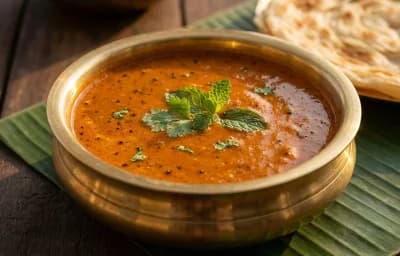
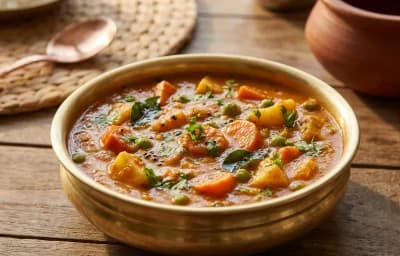
A classic South Indian side dish, this thin and spicy gravy is bursting with flavor from a freshly ground coconut and spice masala. It's the perfect accompaniment for parottas, biryani, or idiyappam.
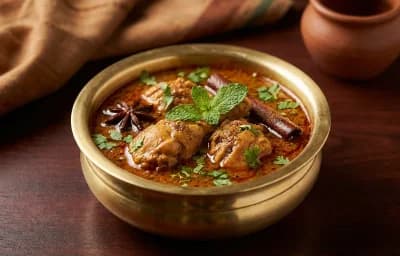
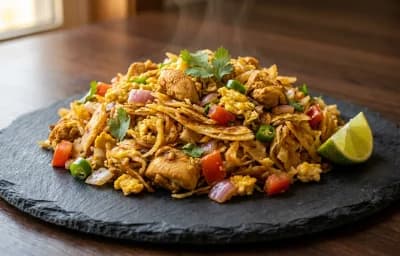
A fragrant and spicy chicken curry from the Chettinad region of Tamil Nadu. This thin, flavorful gravy, known as salna, is packed with freshly ground spices and is the perfect side for parottas, idiyappam, or dosas.
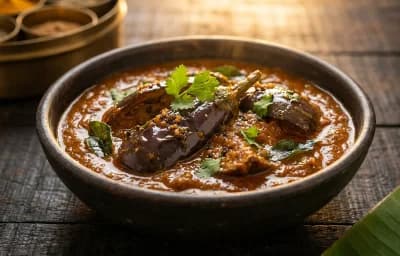
A fragrant and spicy South Indian curry where tender eggplants are simmered in a coconut and spice-based thin gravy. This Tamil Nadu specialty is the perfect side for parottas and chapatis.
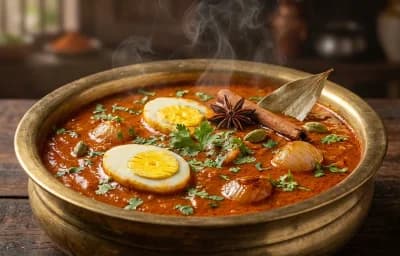
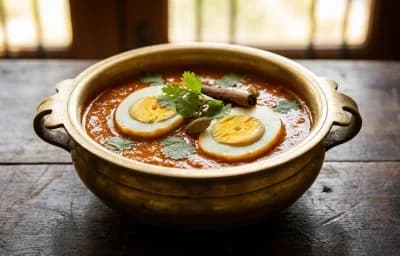
A fragrant and spicy egg curry from Tamil Nadu, with a thin, coconut-based gravy. This classic street-food style salna is the perfect accompaniment for parottas, chapatis, or dosas.
Salna is a flavorful gravy rich in aromatic spices like cinnamon and cloves, which offer antioxidant properties. While it provides energy and hydration, it can be high in fat depending on the oil or coconut used, so it is best enjoyed in moderation as part of a balanced meal.
Per 100g, Salna typically contains about 150 calories, 12g of fat, 10g of carbohydrates, and 3g of protein. It is primarily a source of energy and healthy fats if prepared with a coconut base.
Most traditional 'Plain Salna' or vegetable versions are vegan as they use a coconut and spice base. However, some variations may use meat stock or ghee, so it is important to check the specific recipe if you are following a strict vegan diet.
Yes, Salna is naturally gluten-free as it is made from a base of onions, tomatoes, coconut, and spices. While it is traditionally served with Parotta (which contains gluten), the gravy itself is safe for those with gluten sensitivities.
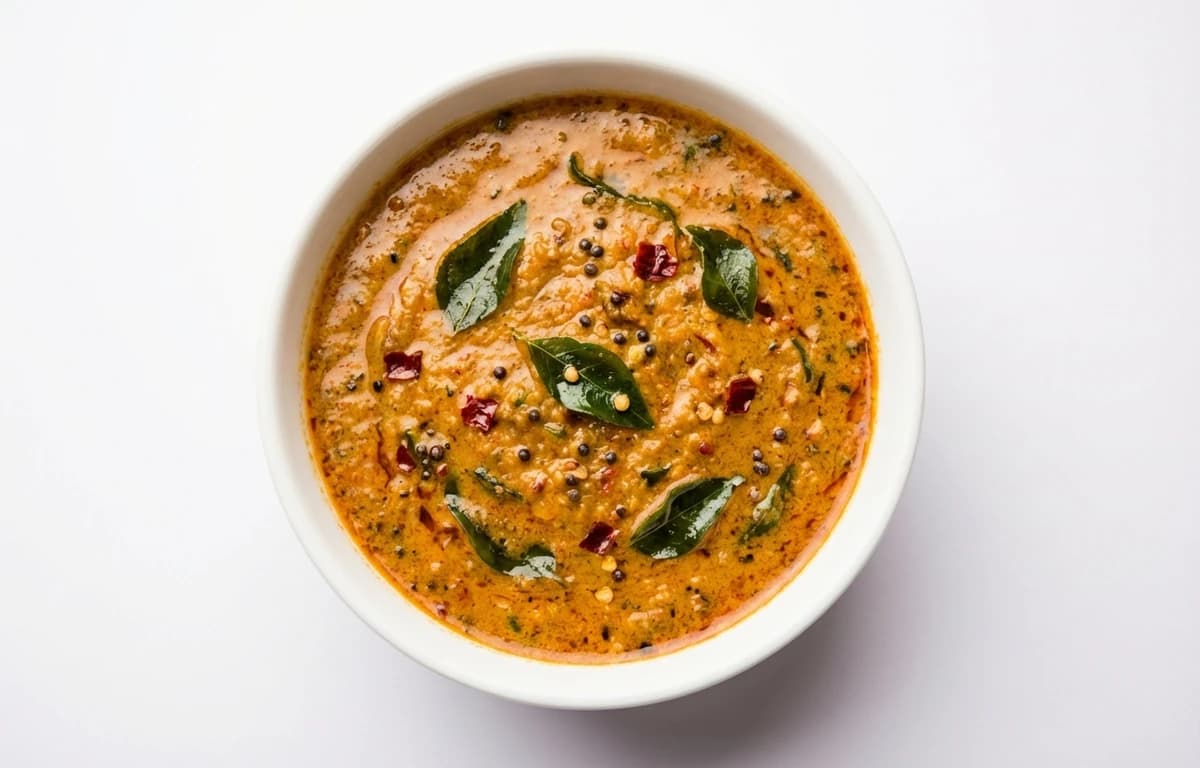
Salna has a thin, watery consistency compared to other curries but is packed with deep, aromatic flavors. It is savory, spicy, and slightly nutty due to the ground coconut and poppy seeds, offering a comforting and warming sensation.
Salna is most famously served with Malabar Parotta, where the flaky bread is soaked in the gravy. It also pairs excellently with biryani, pilaf, or even South Indian staples like idli and dosa.
Because Salna contains about 12g of fat per 100g, it is relatively calorie-dense. While the spices can help with digestion, it should be consumed in controlled portions if you are monitoring your calorie intake for weight loss.
Salna is a versatile ingredient found in cuisines around the world. With 150 calories per 100g and 3 grams of protein, it's a nutritious addition to many dishes.
Explore more ingredients in the gravy category with complete nutrition information.
View all gravy →Freshly prepared Salna can be stored in an airtight container in the refrigerator for 2 to 3 days. Because it often contains coconut, it may spoil faster than other gravies, so ensure it is cooled completely before refrigerating.
Yes, Salna freezes well for up to one month. Store it in a freezer-safe container; when ready to eat, thaw it in the fridge overnight and reheat it thoroughly on the stovetop, adding a splash of water if it has thickened.
While both use a coconut base, Salna is typically thinner and more 'watery' in consistency, designed specifically to be absorbed by bread. Kurma is usually thicker, creamier, and often contains a larger variety of chunky vegetables or meat.