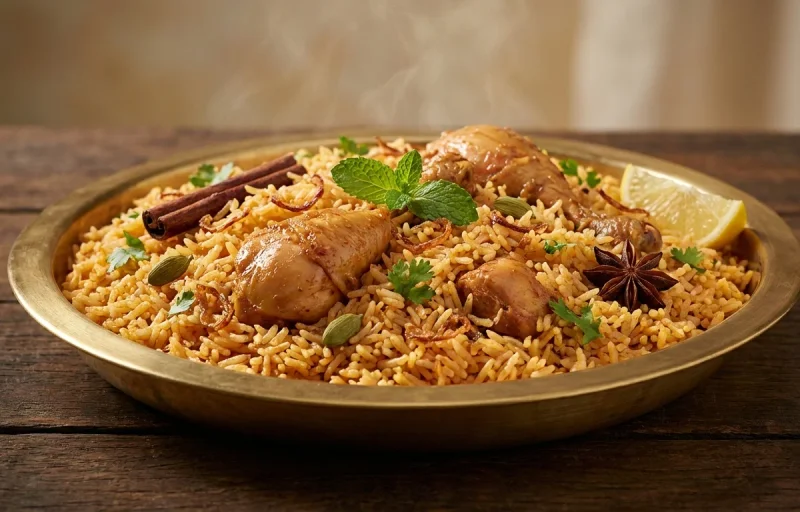
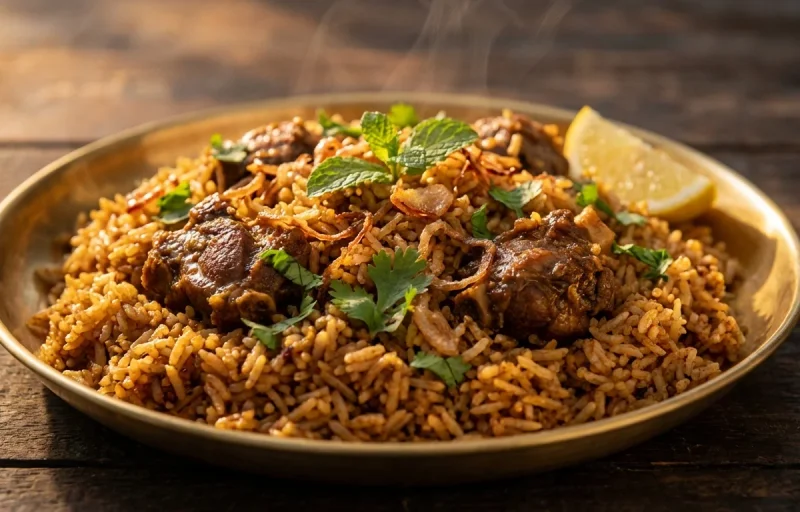
Grain10 recipes
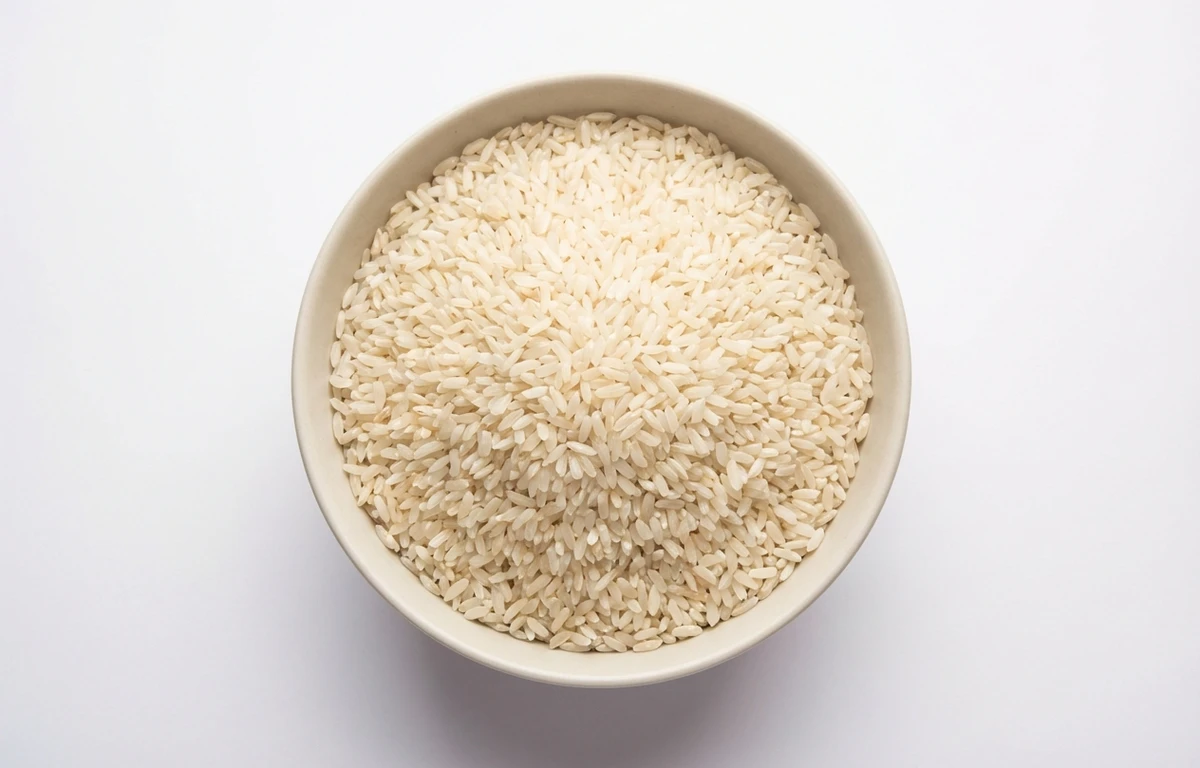
seeraga samba rice.
VegetarianVeganGluten-freeDairy-freeNut-freePeanut-freeSoy-freeEgg-freeShellfish-freeHoney-freeAlcohol-free
ALSO KNOWN AS
jeeraga samba riceseeraga sambaseeraga samba riceshort-grain rice
SERVING
CALORIES
365
PROTEIN
7.1g
CARBS
80g
FAT
0.66g
FIBER
1.3g
NUTRITION PROFILE · per 100 g
Everything in this ingredient.
MACRONUTRIENTS
Calories365kcal—
Protein7.1g14%
Carbohydrates80g29%
Fiber1.3g5%
Sugar0.12g0%
Total fat0.66g1%
Saturated fat0.18g1%
Cholesterol0mg0%
Water12.7g—
MINERALS
Sodium5.0mg0%
Potassium115mg2%
Calcium10mg1%
Iron0.80mg4%
Magnesium25mg6%
Phosphorus108mg9%
Zinc1.1mg10%
VITAMINS
Vitamin A0µg0%
Vitamin C0mg0%
Vitamin D0µg0%
Vitamin K1.0µg1%
Thiamin (B1)0.20mg17%
Riboflavin (B2)0.05mg4%
Niacin (B3)1.6mg10%
Vitamin B60.16mg9%
Folate (B9)120µg30%
%DV based on a 2,000 cal diet. Source: USDA FoodData Central. A dash in the %DV column means there’s no established Daily Value for that nutrient.
MEASUREMENT CONVERSIONS
How much is what.
1 cup185g
1 tablespoon11.6g
1 teaspoon3.9g
1 ml0.8g
1 liter770.8g
HEALTH BENEFITS
Why eat it.
- ✓Provides a quick source of energy due to its high carbohydrate content.
- ✓Naturally gluten-free, making it a safe grain option for individuals with celiac disease or gluten sensitivity.
- ✓Contains phytonutrients and antioxidants, such as phenols, which help combat oxidative stress in the body.
- ✓Lower in the glycemic index compared to some other white rice varieties, leading to a more gradual rise in blood sugar levels.
COOKING TIPS
In the kitchen.
- 1Rinse the rice under cold water until the water runs clear to remove excess surface starch, which helps prevent stickiness.
- 2For best results, soak the rice for 20-30 minutes before cooking; this allows for more even cooking and results in softer, fluffier grains.
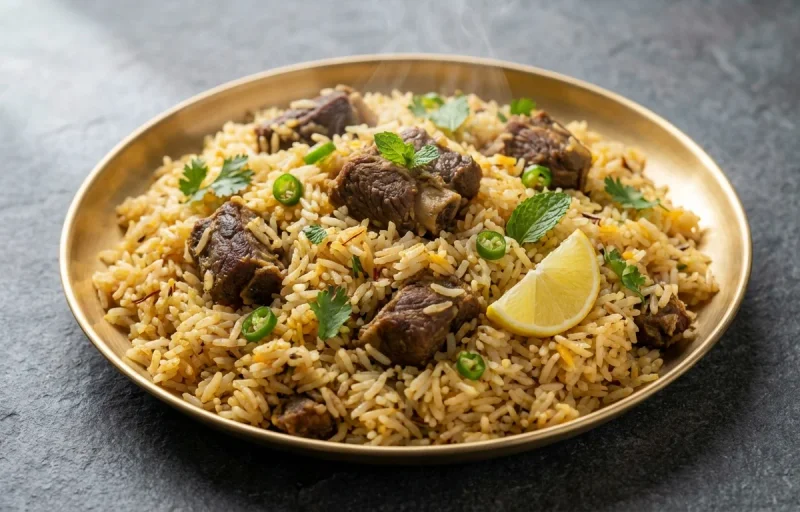
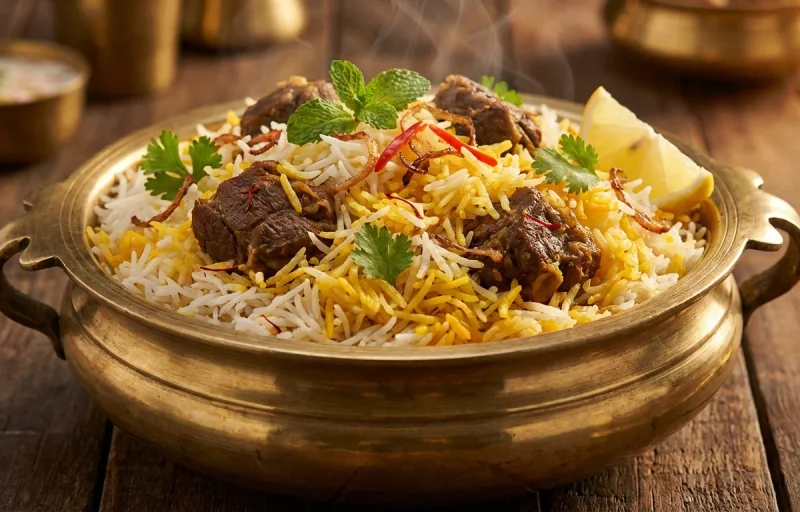
- 3Use a rice-to-water ratio of approximately 1:1.5 or 1:2, depending on the desired texture. Its high absorbency makes it excellent for flavorful dishes like biryani.
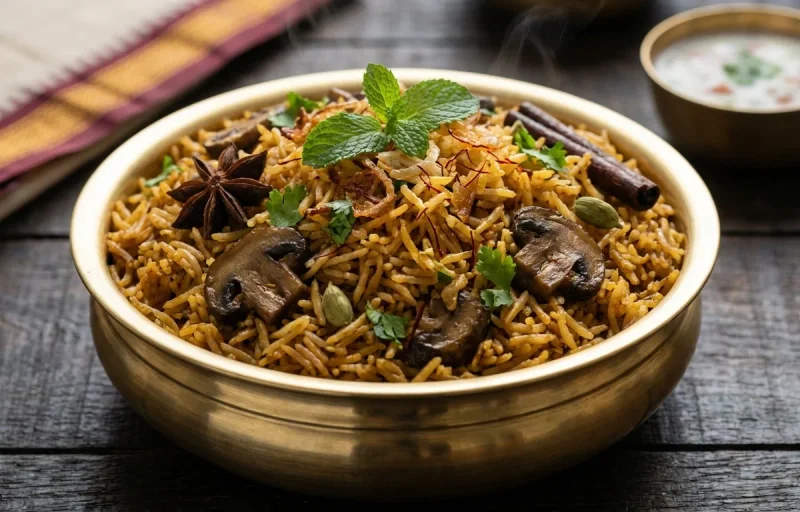
- 4Due to its delicate aroma, avoid overpowering it with extremely strong spices; it pairs well with fragrant whole spices like cardamom, cloves, and cinnamon.
STORAGE
Keep it fresh.
- Store in a cool, dark, and dry place in an airtight container to protect it from moisture, pests, and odors.
- For long-term storage (beyond 6 months), place the airtight container in the refrigerator or freezer to maintain freshness and prevent the natural oils from going rancid.
FAQ
Frequently asked questions.
Is Seeraga Samba rice healthy?
Yes, Seeraga Samba rice is a healthy grain that provides a quick source of energy and contains essential phytonutrients. It is easier to digest than many other rice varieties and contains antioxidants like phenols that help combat oxidative stress.
What is the nutritional profile of Seeraga Samba rice?
Per 100g, this rice contains approximately 365 calories, 7.13g of protein, 79.95g of carbohydrates, and a very low fat content of 0.66g. It is a calorie-dense food primarily valued for its high-quality carbohydrate content.
Is Seeraga Samba rice gluten-free?
Yes, Seeraga Samba rice is naturally gluten-free. This makes it a safe and nutritious grain option for individuals with celiac disease or those following a gluten-restricted diet.
Can diabetics eat Seeraga Samba rice?
Seeraga Samba rice has a lower glycemic index compared to many other white rice varieties, leading to a more gradual rise in blood sugar levels. While it is a better alternative to standard white rice, diabetics should still monitor portion sizes due to the high carbohydrate content.
How do you cook Seeraga Samba rice?
The ideal water-to-rice ratio is 2:1. It is recommended to soak the rice for 15-20 minutes before cooking; you can then cook it in a pressure cooker for 2 whistles or in an open pot until the water is fully absorbed and the grains are tender.
What does Seeraga Samba rice taste like?
It has a distinct, nutty flavor and a unique floral aroma that is less intense than Basmati but very characteristic. The grains are very small and ovate, providing a slightly chewy texture that absorbs the flavors of spices exceptionally well.
Can I substitute Basmati rice with Seeraga Samba rice?
Yes, you can substitute them, especially in biryani and pulao dishes. While Basmati is known for its long grains, Seeraga Samba is preferred in South Indian cuisine for its superior ability to absorb seasonings and its unique, small-grain mouthfeel.
Is Seeraga Samba rice good for weight loss?
It can be part of a weight loss diet because it is more filling and has a lower GI than polished white rice. However, since it contains 365 calories per 100g, it should be consumed in moderation as part of a balanced, calorie-controlled meal plan.
How should I store Seeraga Samba rice?
Store the rice in a cool, dry place inside an airtight container to prevent moisture absorption and pest infestation. When stored correctly, it can maintain its quality and signature aroma for up to 12 months.
Why is it called 'Seeraga' Samba?
The name 'Seeraga' is derived from the Tamil word 'Seeragam' (meaning cumin), because the small, pointed grains physically resemble cumin seeds. 'Samba' refers to the specific growing season in which this traditional rice is harvested.
RECIPES
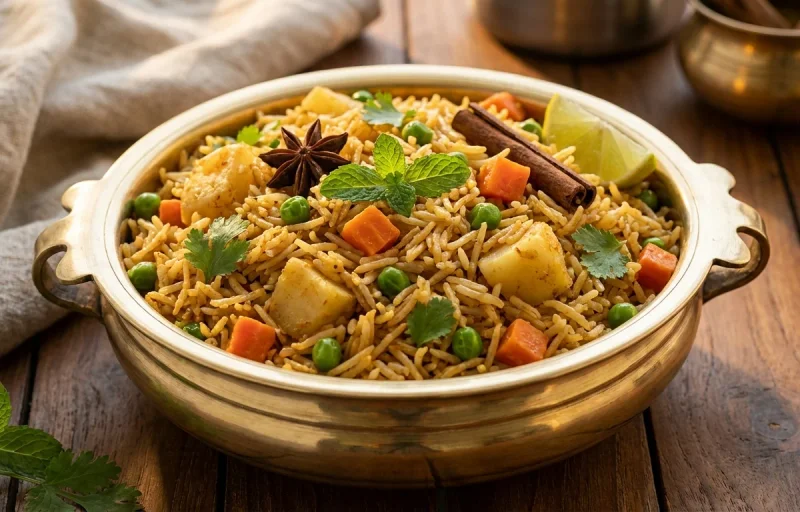
Cook with seeraga samba rice.
10 recipes · sorted by what’s quick