
Loading...
Per 100g
Nutrition data source: USDA FoodData Central
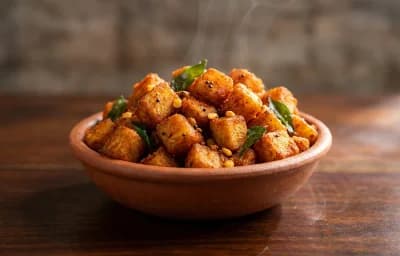
Crispy, spicy pan-fried taro root, a classic South Indian side dish. Boiled and sliced arbi is coated in a flavorful spice mix and shallow-fried until golden. The perfect accompaniment for sambar rice or rasam.
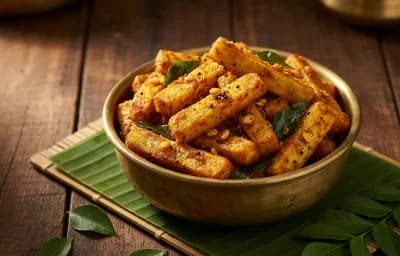
Crispy, spicy, and tangy taro root slices roasted to perfection. This popular South Indian side dish, also known as Seppankizhangu Varuval, is the perfect accompaniment for sambar, rasam, or curd rice.
Yes, seppankizhangu is a nutrient-dense root vegetable. It is an excellent source of dietary fiber and resistant starch, which support digestive health, and it provides essential minerals like potassium, manganese, and copper.
While it contains 112 calories per 100g, its high fiber content promotes satiety, helping you feel full for longer periods. When consumed in moderation and prepared by roasting or boiling rather than deep-frying, it can be a beneficial part of a weight management diet.
Yes, diabetics can consume seppankizhangu in moderation. The resistant starch and fiber it contains help slow the digestion of carbohydrates, which can lead to more stable blood sugar levels compared to eating white potatoes.
No, seppankizhangu is not keto-friendly. It contains approximately 26.46g of carbohydrates per 100g, which is too high for a standard low-carb or ketogenic diet.
Yes, seppankizhangu is naturally gluten-free and vegan. It is a plant-based root vegetable that is safe for individuals with celiac disease or those following a strict vegan lifestyle.
No, you should never eat seppankizhangu raw. It contains calcium oxalate crystals, which can cause intense itching and irritation in the mouth and throat; cooking the vegetable thoroughly neutralizes these compounds.
To reduce sliminess, boil the roots in water with a little salt or tamarind juice until they are parboiled. Once peeled and sliced, roasting or frying them at a high temperature helps create a crispy exterior and removes the sticky texture.
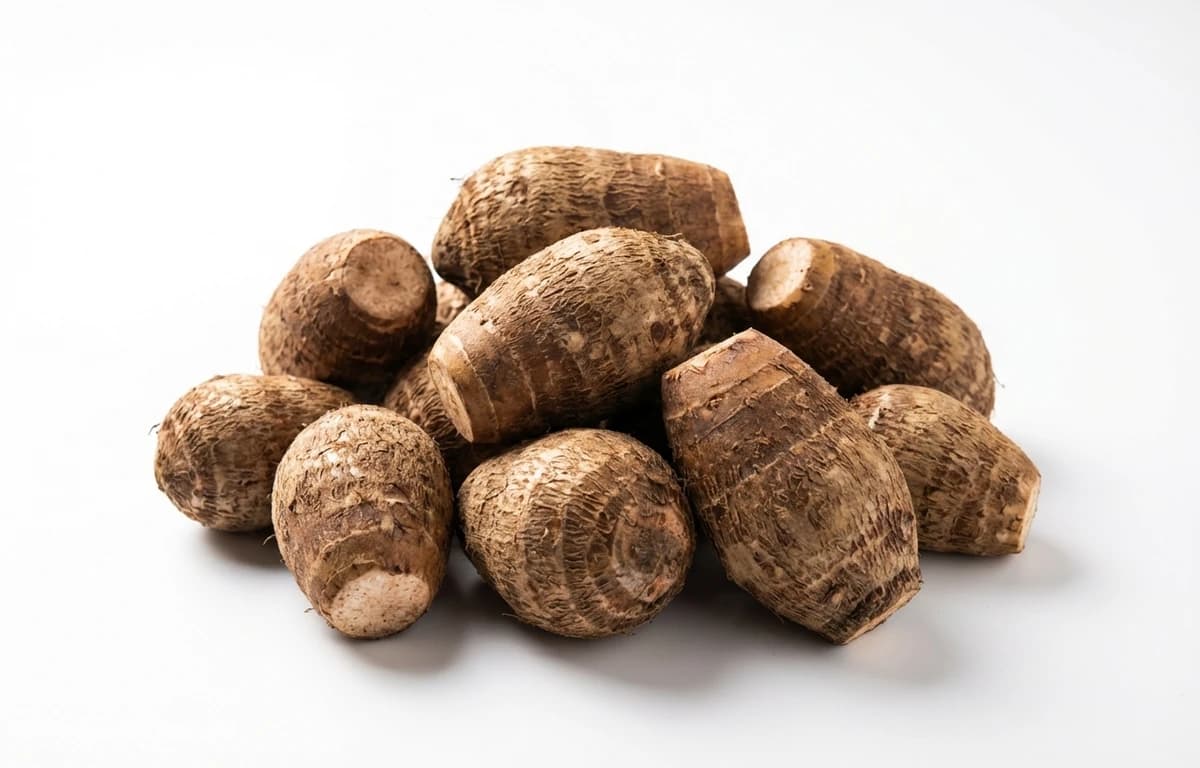
seppankizhangu is a versatile ingredient found in cuisines around the world. With 112 calories per 100g and 1.5 grams of protein, it's a nutritious addition to many dishes.
Explore more ingredients in the vegetable category with complete nutrition information.
View all vegetable →Discover 0 recipes featuring seppankizhangu with step-by-step instructions.
Browse recipes →It has a mild, earthy, and slightly nutty flavor. Its texture is similar to a potato but is generally creamier when boiled and can become very crunchy when fried or roasted.
Store seppankizhangu in a cool, dry, and dark place with good air circulation, much like potatoes. Do not store them in the refrigerator, as the moisture and cold can cause them to spoil faster or change their texture.
Fresh seppankizhangu should be firm and heavy for its size. If the root feels soft, spongy, or shows signs of mold or dark, mushy spots, it has likely spoiled and should be discarded.