Loading...
Also known as:
Per 100g
Nutrition data source: USDA FoodData Central
Common measurement equivalents in grams
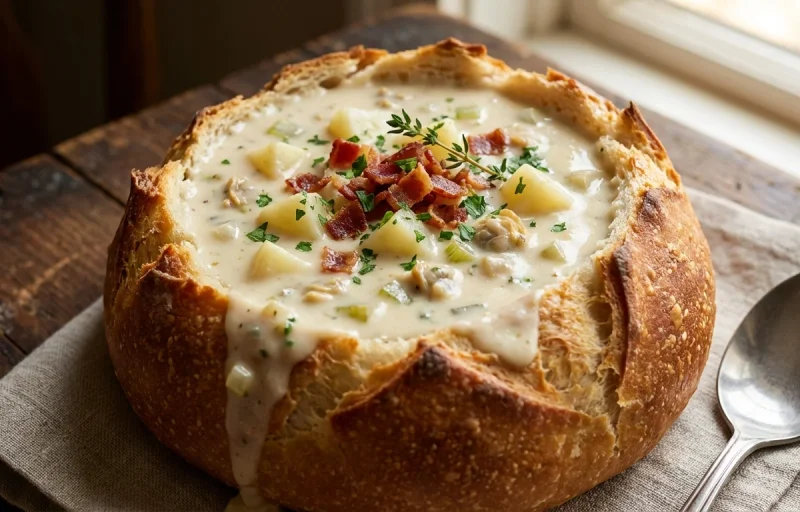
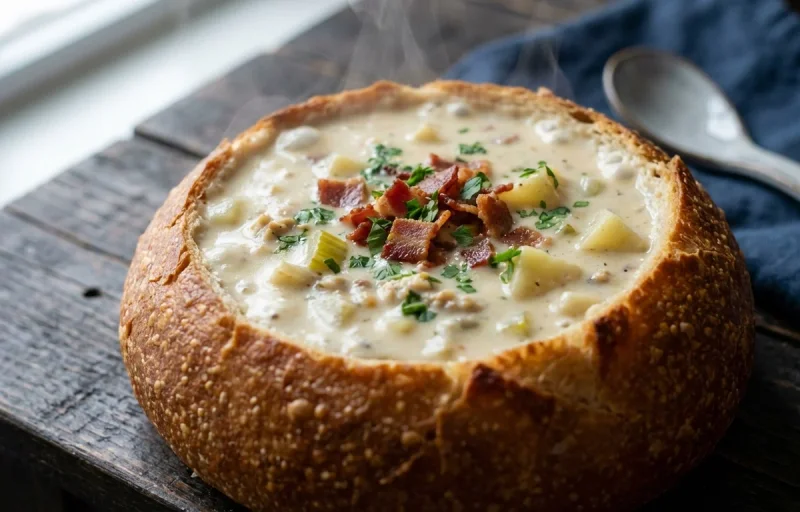
A creamy, hearty New England clam chowder loaded with tender clams and potatoes, served in a crusty sourdough bread bowl. The ultimate comfort food, perfect for a chilly day, bringing a taste of the East Coast to your kitchen.
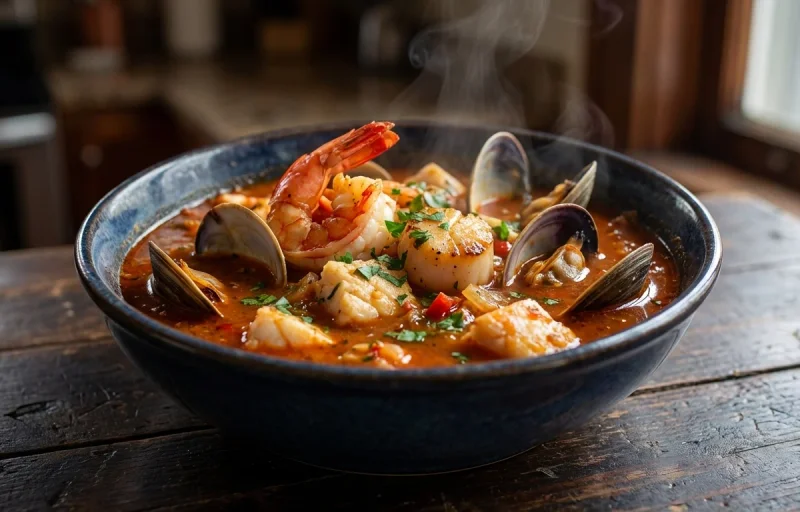
A hearty and flavorful seafood stew brimming with fresh clams, mussels, shrimp, and fish in a rich tomato and white wine broth. This San Francisco classic is perfect for a special dinner and best served with crusty sourdough bread.
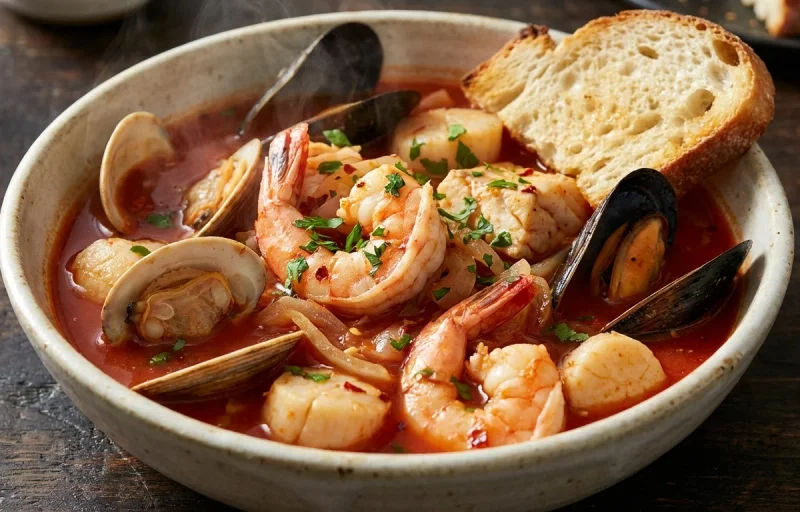
A rich and hearty seafood stew, born in San Francisco. This Italian-American classic features a vibrant tomato and wine broth brimming with fresh fish, clams, mussels, and shrimp. It's a showstopper meal perfect for serving with crusty sourdough bread.
Fresh sourdough typically lasts 4-5 days at room temperature when stored in a paper bag or bread box.
Yes, it freezes very well. It is best to slice it before freezing so you can toast individual slices directly from the freezer.
No, sourdough is made from wheat and contains gluten. However, the long fermentation process breaks down some gluten, making it easier to digest for some people with sensitivities.
Sourdough uses a 'starter' of wild yeast and lactic acid bacteria instead of commercial baker's yeast, resulting in a tangy flavor and airy texture.
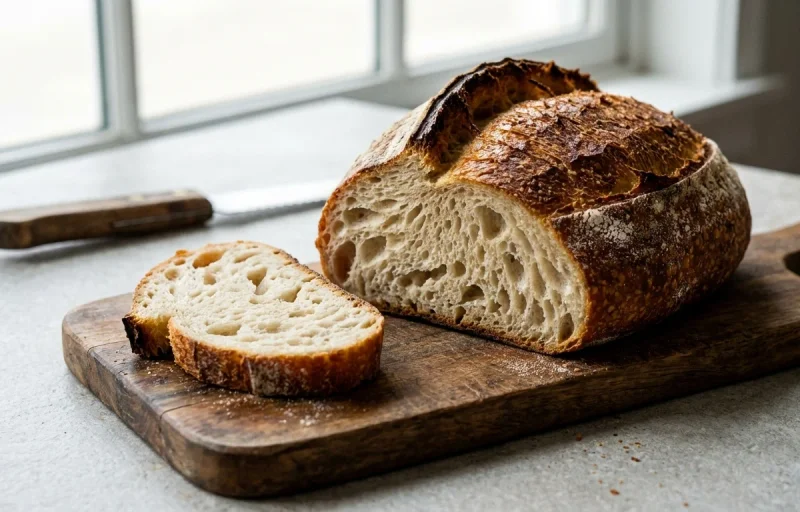
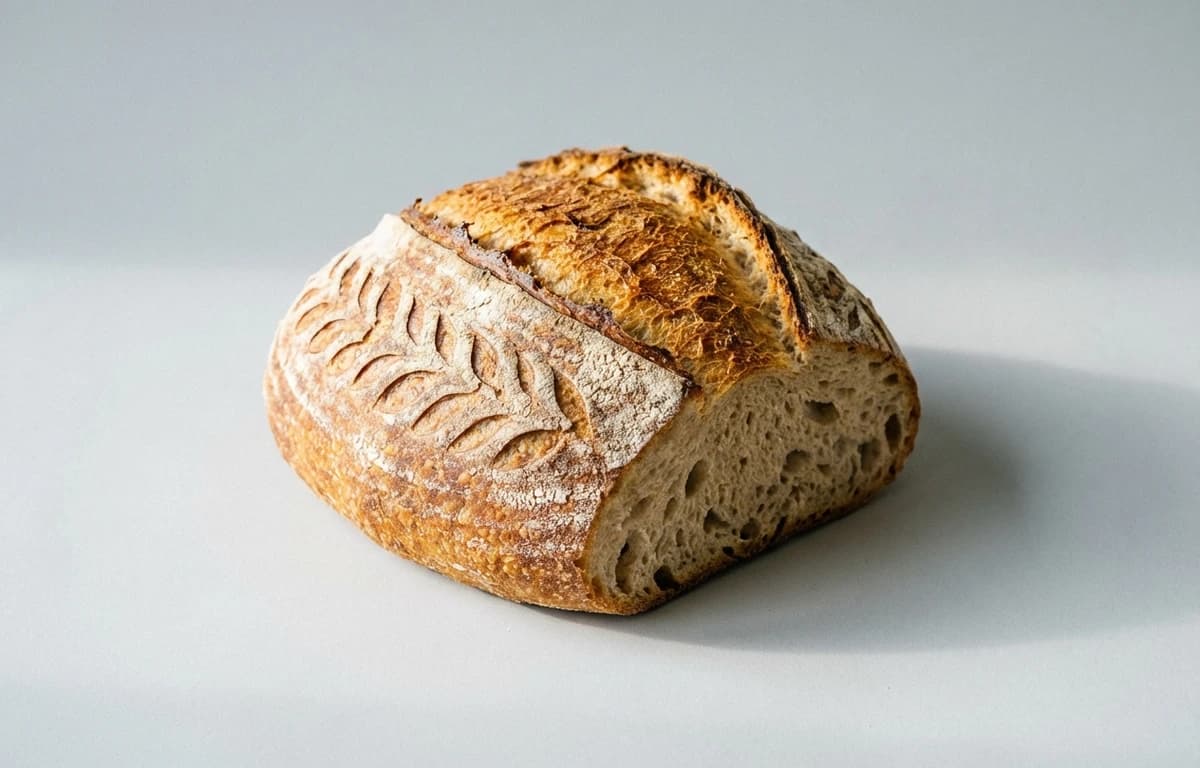
Look for a thick, well-browned crust, a distinct tangy aroma, and an irregular hole structure (crumb) inside.
Ciabatta, French baguettes, or artisan yeast breads are the best alternatives for texture, though they lack the signature tang.
Traditional sourdough is vegan as it only contains flour, water, salt, and the starter. Always check for added ingredients like milk or honey in commercial varieties.
The fermentation process acts as a form of pre-digestion, lowering the bread's glycemic index and making minerals like iron and magnesium more bioavailable.
sourdough bread is a versatile ingredient found in cuisines around the world. With 289 calories per 100g and 12 grams of protein, it's a nutritious addition to many dishes.
Explore more ingredients in the grain category with complete nutrition information.
View all grain →Discover 10 recipes featuring sourdough bread with step-by-step instructions.
Browse recipes →Explore more ingredients similar to sourdough bread.
The most-searched ingredients on CraftMyMeals.