Vegetable10 recipes
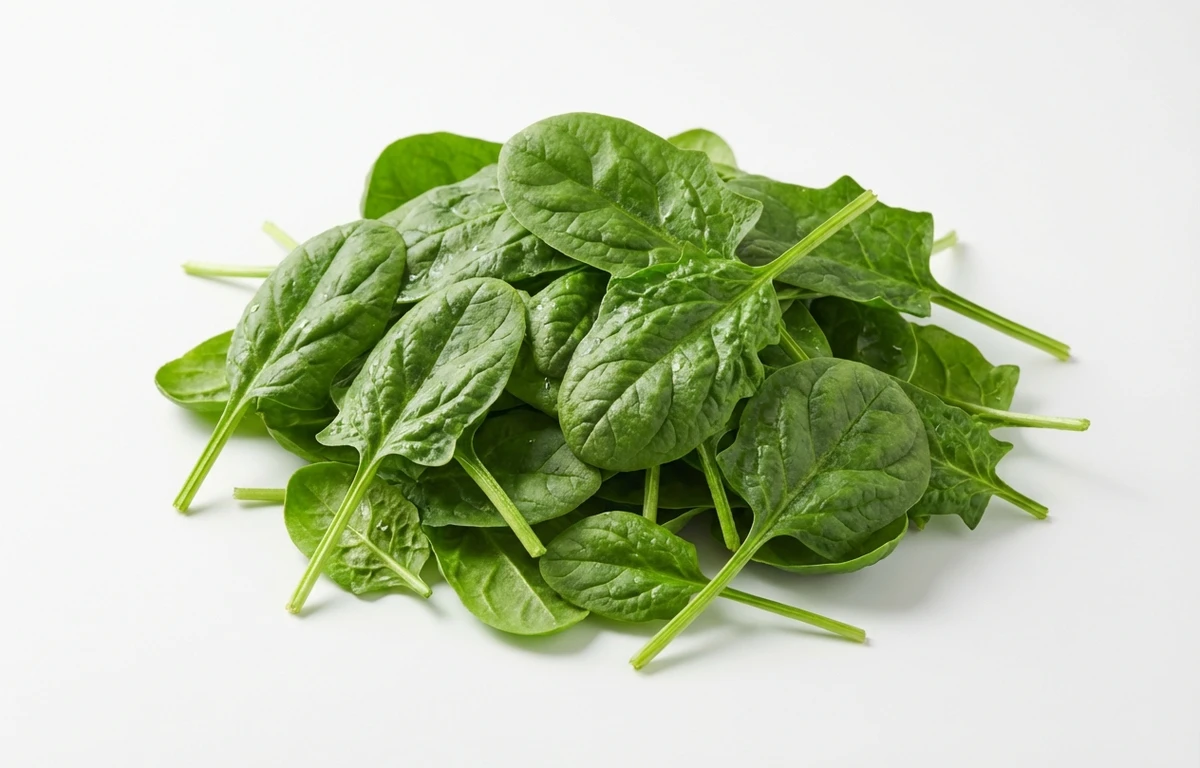
spinach.
VegetarianVeganGluten-freeDairy-freeNut-freePeanut-freeSoy-freeEgg-freeShellfish-freeHoney-freeAlcohol-free
ALSO KNOWN AS
palakfresh spinachyoung spinachtender spinachchota palakbaby palakspinacia oleraceababy spinachFresh Baby Spinachraw spinachmature spinach
SERVING
CALORIES
23
PROTEIN
2.3g
CARBS
3.2g
FAT
0.10g
FIBER
2.2g
NUTRITION PROFILE · per 100 g
Everything in this ingredient.
MACRONUTRIENTS
Calories23kcal—
Protein2.3g5%
Carbohydrates3.2g1%
Fiber2.2g8%
Sugar0.40g1%
Total fat0.10g0%
Saturated fat0.04g0%
Trans fat0g—
Cholesterol0mg0%
Water91.4g—
MINERALS
Sodium79mg3%
Potassium558mg12%
Calcium99mg8%
Iron2.7mg15%
Magnesium79mg19%
Phosphorus49mg4%
Zinc0.50mg5%
Copper0.13mg14%
Manganese0.90mg39%
Selenium1.0µg2%
VITAMINS
Vitamin A469µg52%
Vitamin C28.1mg31%
Vitamin D0µg0%
Vitamin E2.0mg13%
Vitamin K483µg403%
Thiamin (B1)0.08mg7%
Riboflavin (B2)0.19mg15%
Niacin (B3)0.72mg5%
Pantothenic acid (B5)0.07mg1%
Vitamin B60.20mg12%
Biotin (B7)4.1µg14%
Folate (B9)194µg49%
Vitamin B120µg0%
%DV based on a 2,000 cal diet. Source: USDA FoodData Central. A dash in the %DV column means there’s no established Daily Value for that nutrient.
MEASUREMENT CONVERSIONS
How much is what.
1 cup30g
1 oz28.4g
1 lb453.6g
1 piece2g
HEALTH BENEFITS
Why eat it.
- ✓Excellent source of Vitamin K for bone health
- ✓High in iron to support healthy blood and energy levels
- ✓Contains lutein and zeaxanthin for eye health
- ✓Rich in antioxidants that reduce oxidative stress
- ✓Low calorie and high fiber for weight management
COOKING TIPS
In the kitchen.
- 1Sauté quickly with garlic and olive oil to preserve nutrients
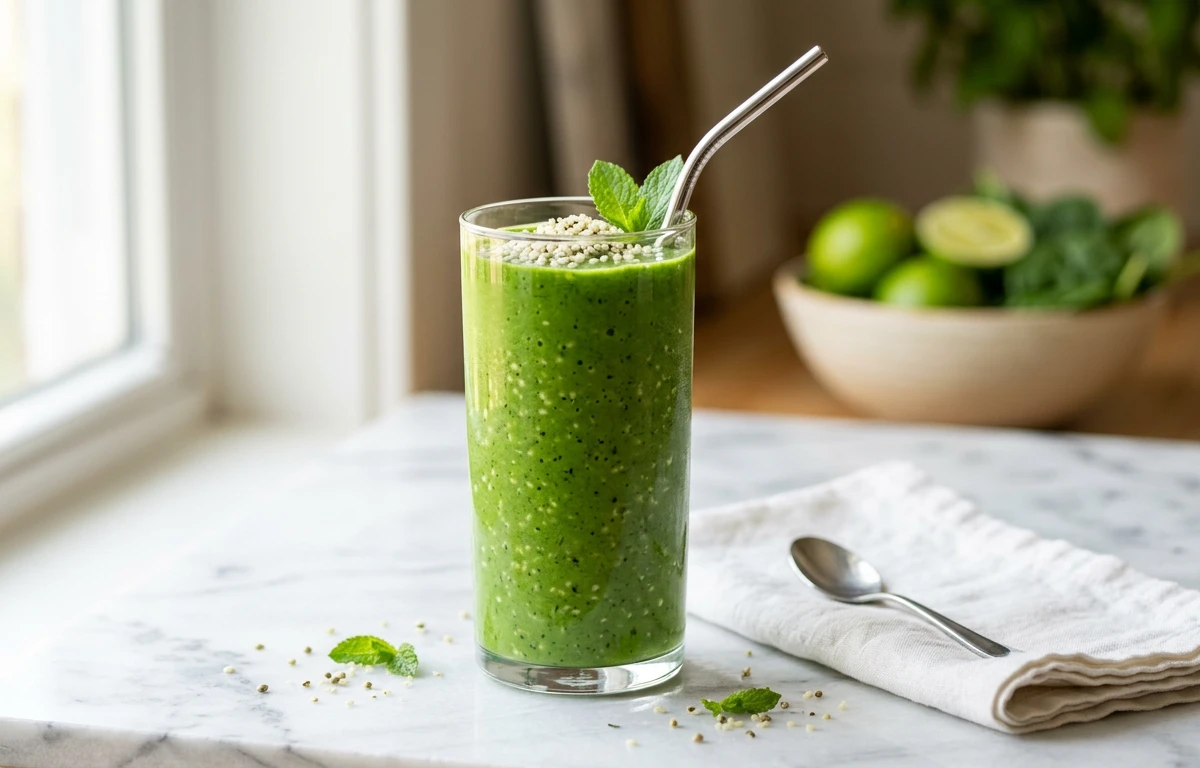
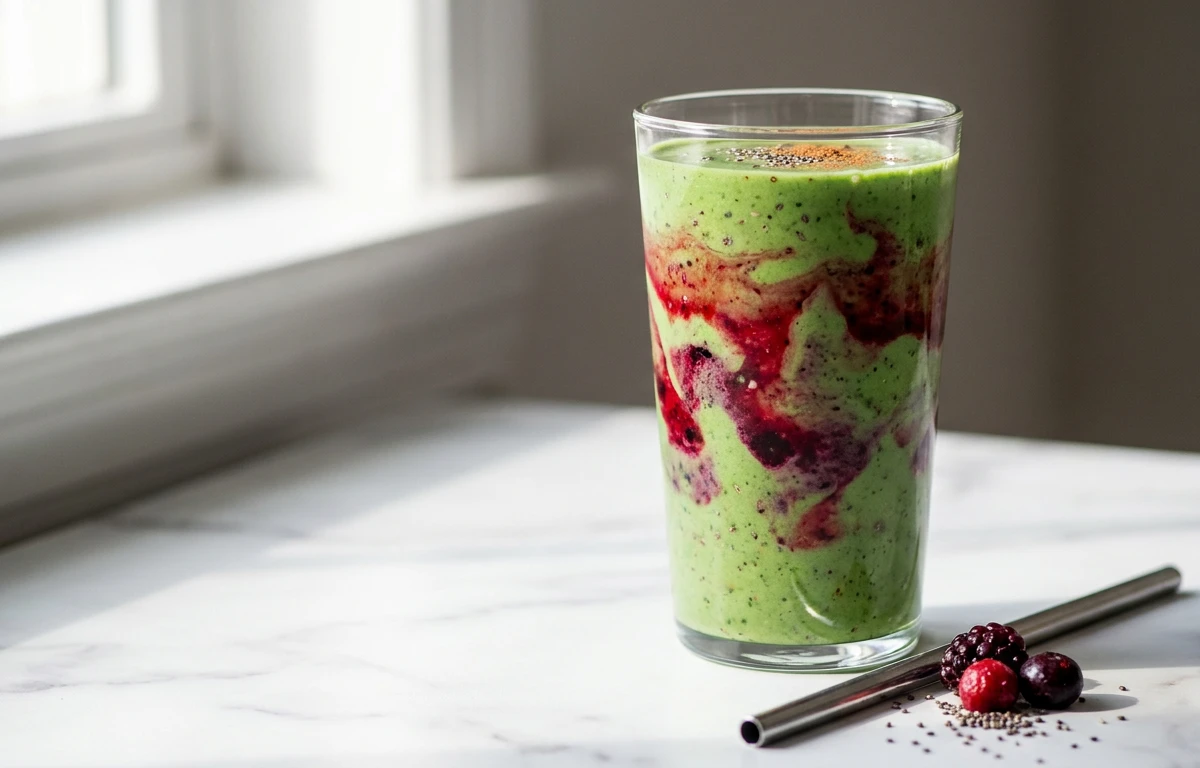
- 2Add to smoothies for a nutrient boost without altering the flavor
- 3Blanch briefly in boiling water then shock in ice water to retain vibrant color
STORAGE
Keep it fresh.
- Store in a plastic bag with a paper towel to absorb excess moisture
- Keep in the refrigerator crisper drawer for 5-7 days
- Do not wash until immediately before use to prevent premature wilting
FAQ
Frequently asked questions.
How long does fresh spinach last in the fridge?
Fresh spinach typically lasts 5 to 7 days when stored in a breathable bag in the crisper drawer.
Can you freeze fresh spinach?
Yes, but it is best to blanch it first for 2 minutes, shock it in ice water, and squeeze out excess moisture before freezing.
How do I choose the best spinach at the store?
Look for leaves that are crisp and dark green. Avoid any bunches that look yellow, wilted, or slimy.
What are good substitutes for spinach?
Kale, Swiss chard, beet greens, and bok choy are excellent substitutes depending on the dish.
How should I wash spinach to remove grit?
Submerge the leaves in a large bowl of cold water, swish them around, and let the grit sink to the bottom before lifting the leaves out.
Is spinach better for you raw or cooked?
Both have benefits; raw spinach preserves Vitamin C, while cooking makes certain antioxidants and minerals like calcium more bioavailable.
Does spinach help with iron deficiency?
Yes, it is high in iron, but you should pair it with Vitamin C (like lemon juice) to help your body absorb the plant-based iron.
Why does spinach shrink so much when cooked?
Spinach is over 90% water; when heat is applied, the cell walls break down and the water evaporates or is released, causing it to lose volume.
What are oxalates in spinach?
Oxalates are naturally occurring compounds that can interfere with calcium absorption and may contribute to kidney stones in sensitive individuals.
RECIPES
Cook with spinach.
10 recipes · sorted by what’s quick