
Other10 recipes
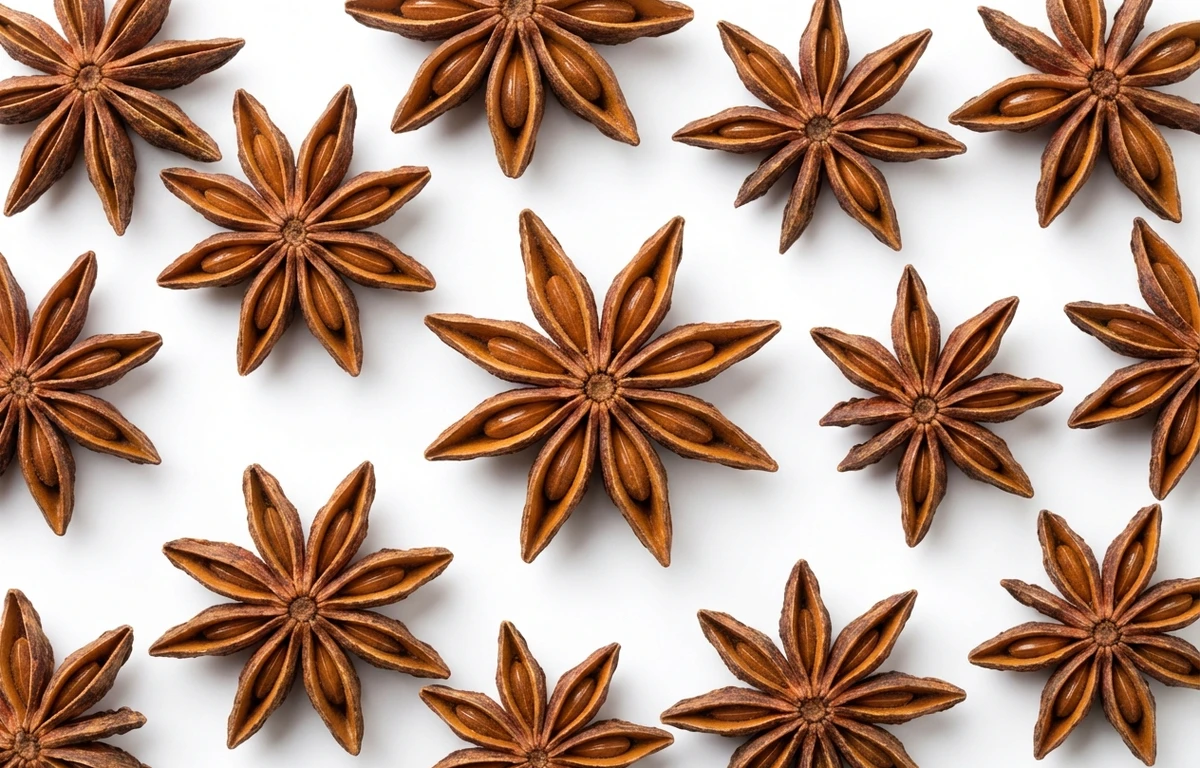
star anise.
VegetarianVeganGluten-freeDairy-freeNut-freePeanut-freeSoy-freeEgg-freeShellfish-freeHoney-freeAlcohol-free
ALSO KNOWN AS
badianstar anise seed
SERVING
CALORIES
337
PROTEIN
17.6g
CARBS
50g
FAT
15.9g
FIBER
14.6g
This ingredient is flagged as naturally gluten-free. Per 100 g, it provides 0 µg of vitamin K.
NUTRITION PROFILE · per 100 g
Everything in this ingredient.
MACRONUTRIENTS
Calories337kcal—
Protein17.6g35%
Carbohydrates50g18%
Fiber14.6g52%
Sugar0g0%
Total fat15.9g20%
Saturated fat0.60g3%
Trans fat0g—
Cholesterol0mg0%
Water9.5g—
MINERALS
Sodium16mg1%
Potassium1441mg31%
Calcium646mg50%
Iron37mg206%
Magnesium170mg40%
Phosphorus440mg35%
Zinc5.3mg48%
Copper0.90mg100%
Manganese2.3mg100%
Selenium5.0µg9%
VITAMINS
Vitamin A15µg2%
Vitamin C21mg23%
Vitamin D0µg0%
Vitamin E0mg0%
Vitamin K0µg0%
Thiamin (B1)0.30mg25%
Riboflavin (B2)0.30mg23%
Niacin (B3)3.1mg19%
Vitamin B60.70mg41%
Folate (B9)10µg3%
Vitamin B120µg0%
%DV based on a 2,000 cal diet. Source: USDA FoodData Central. A dash in the %DV column means there’s no established Daily Value for that nutrient.
MEASUREMENT CONVERSIONS
How much is what.
1 tablespoon6.7g
1 piece3g
HEALTH BENEFITS
Why eat it.
- ✓Contains shikimic acid, a compound with potent antiviral properties that is a primary precursor in the pharmaceutical synthesis of oseltamivir (Tamiflu).
- ✓Traditionally used as a digestive aid to alleviate cramps, bloating, and indigestion due to its carminative properties.
COOKING TIPS
In the kitchen.
- 1Use sparingly as its strong, licorice-like flavor can easily overpower a dish. One or two whole pods are typically sufficient for a large pot of soup, stew, or braise.
- 2Toast whole pods in a dry skillet over medium heat for a minute or two until fragrant to intensify their flavor before adding to liquids.
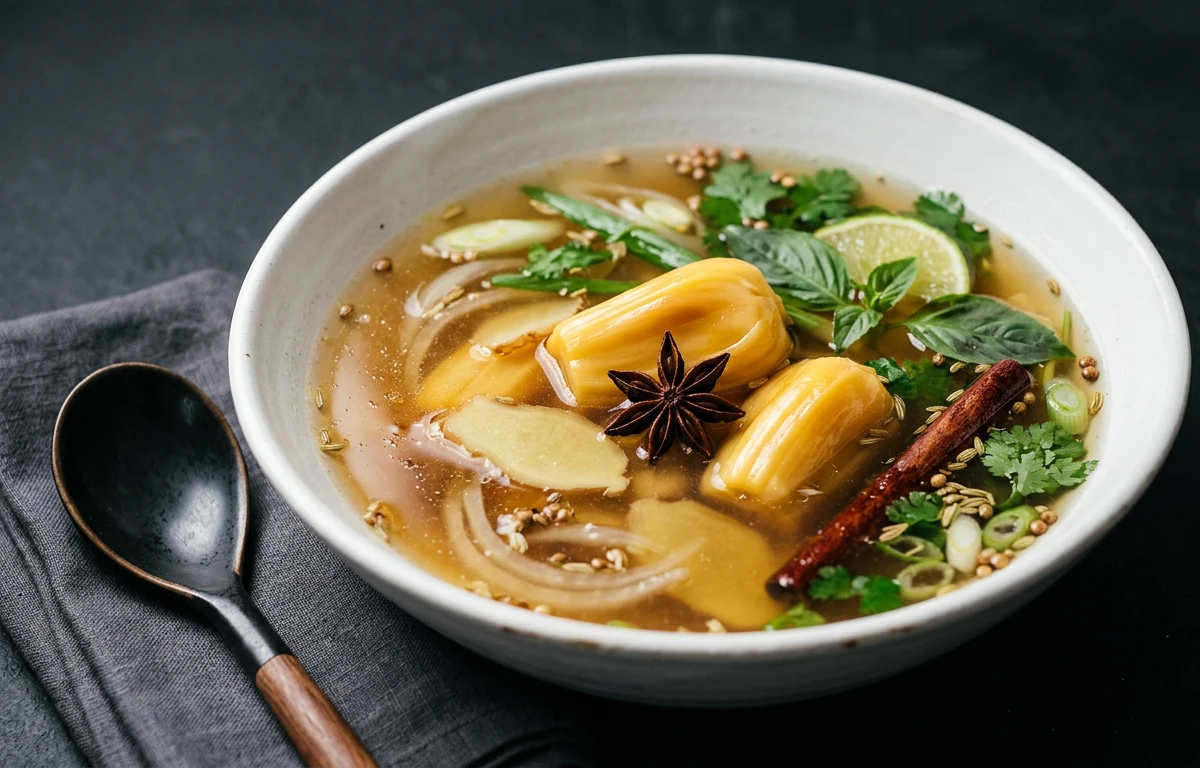
- 3Star anise is a key component of Chinese five-spice powder and is essential for authentic flavor in broths for dishes like Vietnamese pho and many Chinese braised meats.
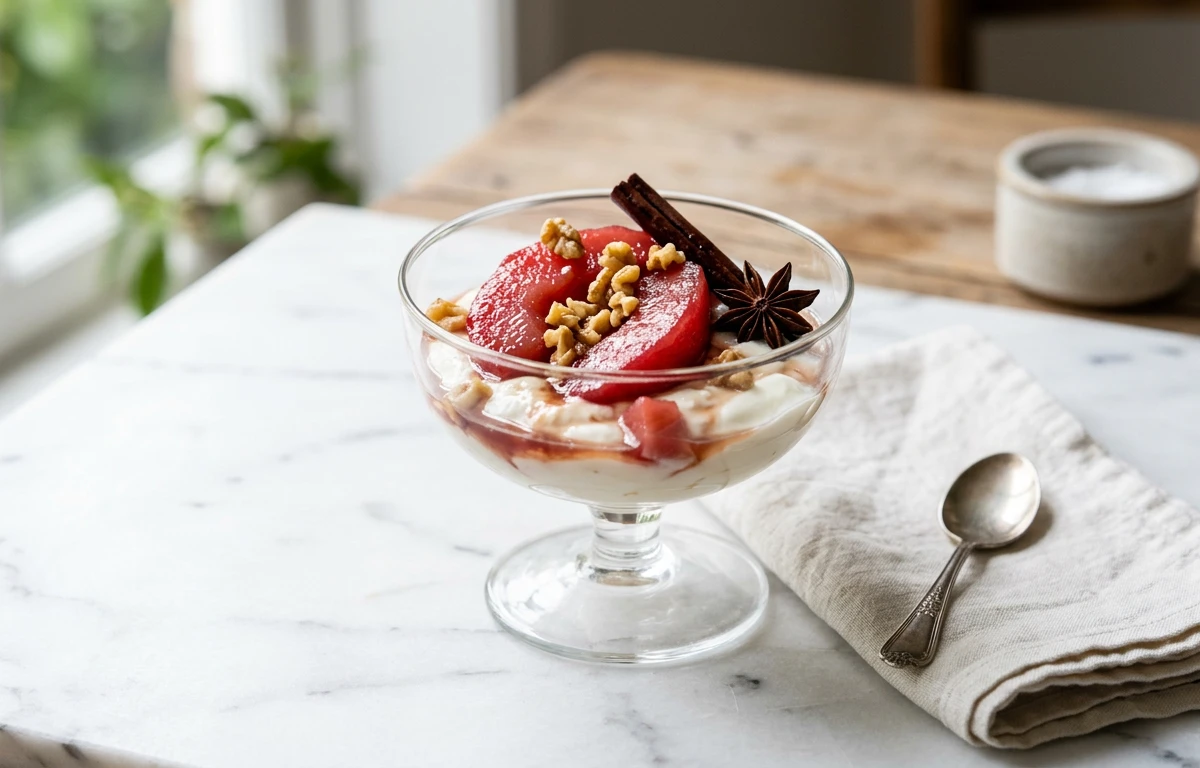
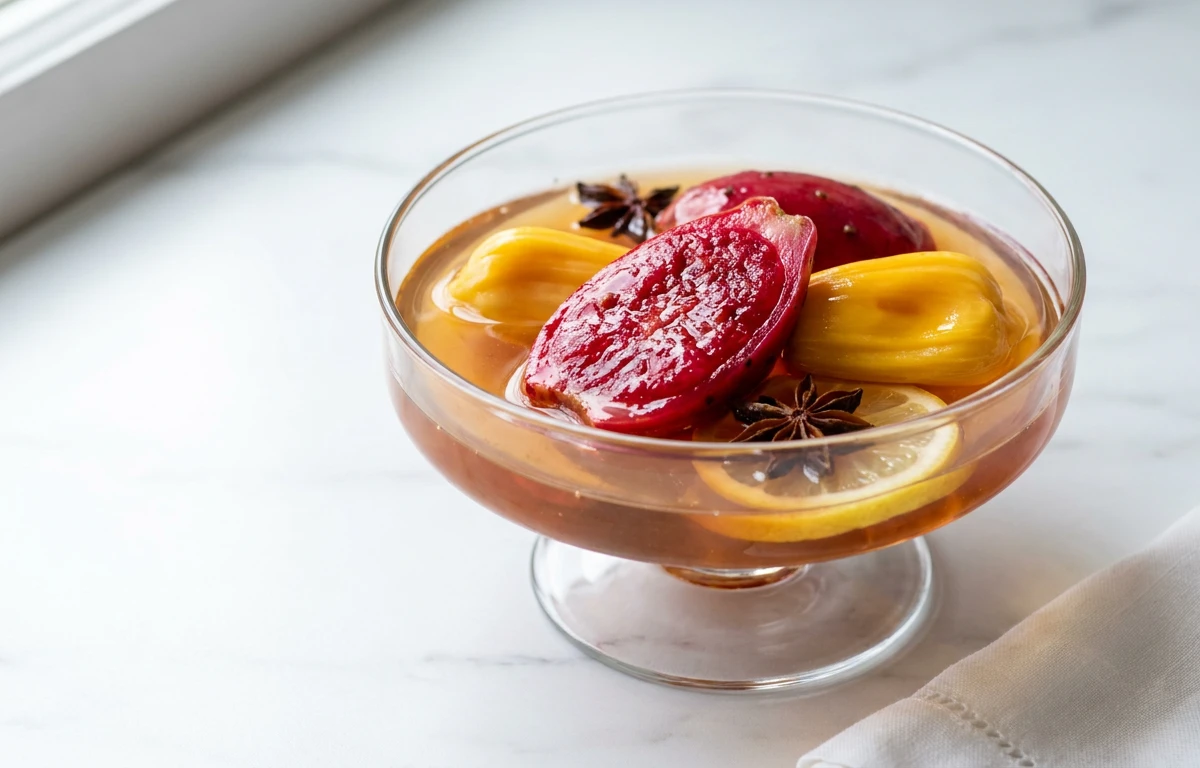
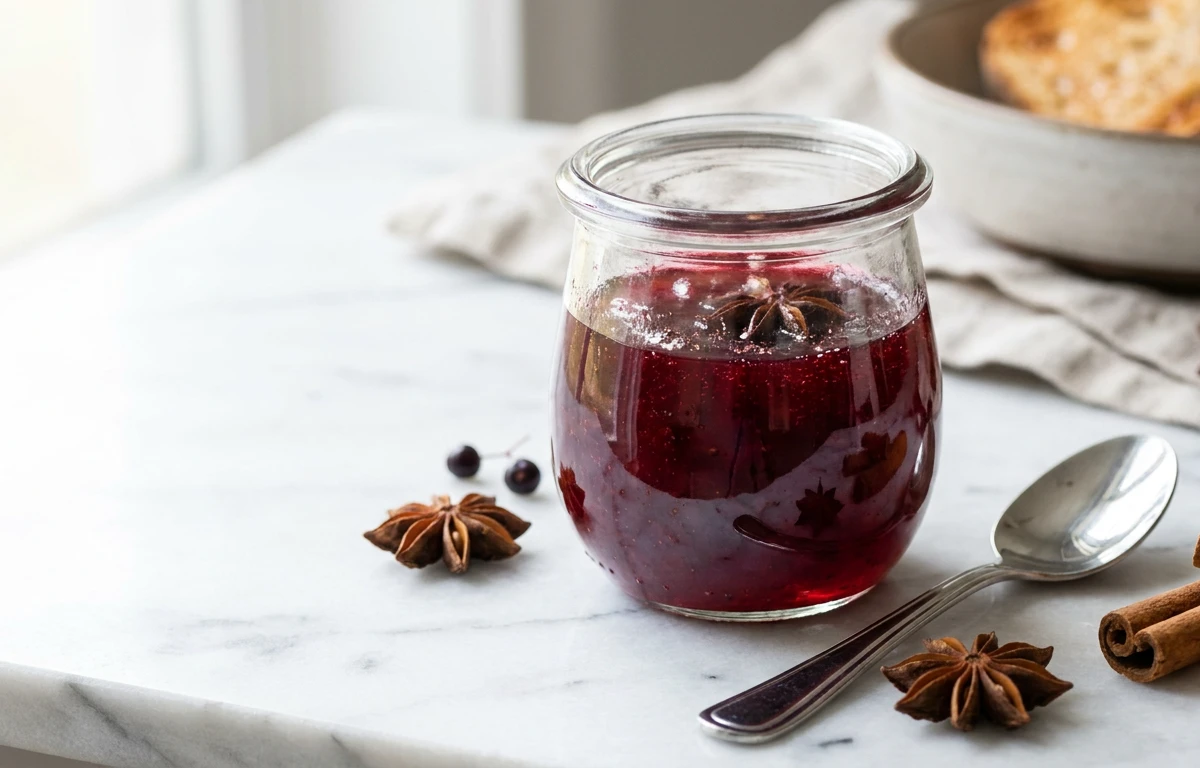
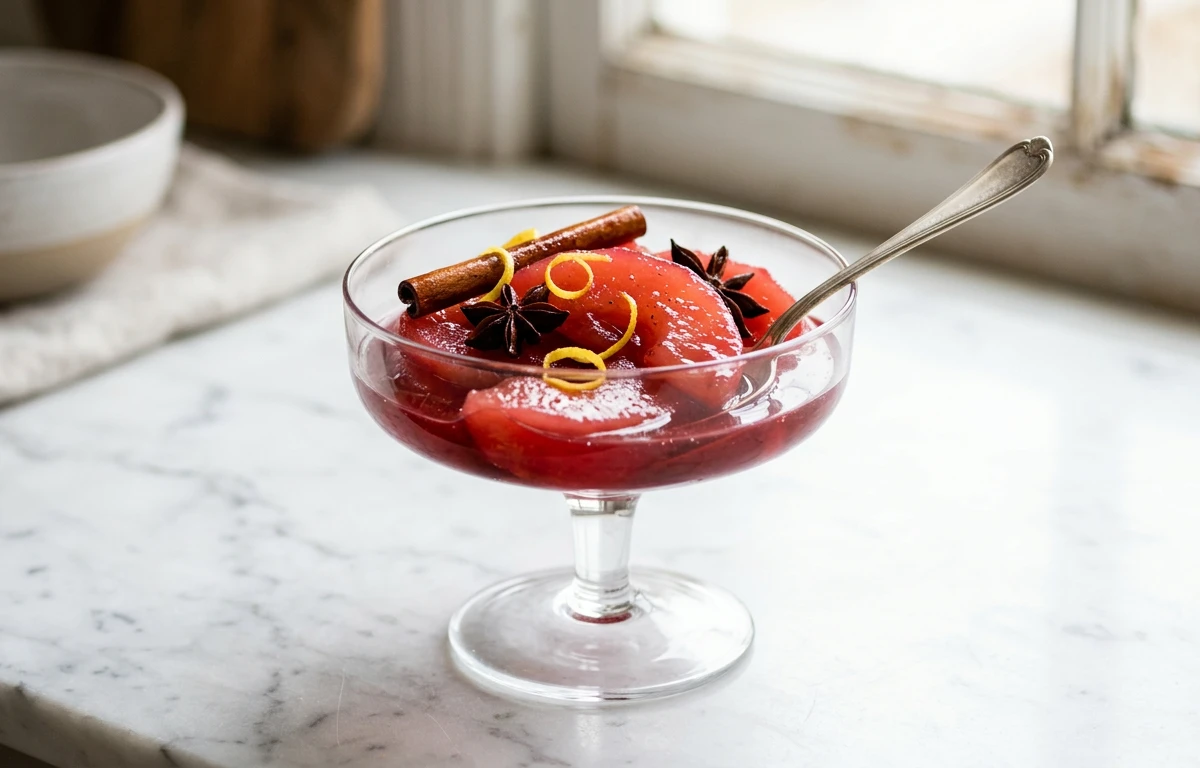
- 4Infuse whole pods into syrups for poaching fruits like pears or apples, or add to mulled wine, cider, or chai tea for a warm, aromatic spice note.
STORAGE
Keep it fresh.
- Store whole star anise in an airtight container in a cool, dark, and dry place away from direct sunlight. It can maintain its potency for up to two years.
- Ground star anise loses its flavor more quickly. Store it in a tightly sealed container and use within six months for the best aroma and taste.
FAQ
Frequently asked questions.
Is star anise good for digestion?
Yes, star anise is traditionally used as a digestive aid due to its carminative properties. It can help alleviate common issues such as bloating, gas, and indigestion. Many people consume it as a tea after meals to soothe the digestive tract and reduce stomach cramps.
How many calories and carbs are in star anise?
Per 100g, star anise contains approximately 337 calories and 50g of carbohydrates. However, because it is a potent spice used in very small quantities (usually one or two pods per dish), its actual contribution to your daily caloric and carb intake is negligible.
Is star anise keto-friendly and gluten-free?
Yes, star anise is both keto-friendly and naturally gluten-free. While it has a high carb count per 100g, the amount used in a typical serving adds virtually zero net carbs to a meal. It is an excellent way to add deep flavor to low-carb recipes without adding sugar.
What does star anise taste like?
Star anise has a very distinct, pungent flavor that is sweet and spicy, closely resembling licorice or fennel. It is more woody and intense than anise seed. It provides a warm, aromatic profile that is a staple in many Asian spice blends.
How do you use star anise in cooking?
Whole pods are typically added to liquids like soups, stews, and braising liquids to infuse flavor during slow cooking. It is a key ingredient in Vietnamese Pho and Chinese Five Spice powder. Ground star anise can also be used in baking recipes for cookies, cakes, or fruit compotes.
Can I eat the whole star anise pod?
While the spice is safe to consume, the whole pods are very hard, woody, and do not soften during cooking. They are generally removed from the dish before serving to avoid a choking hazard or an unpleasant texture. If you want to consume the spice, use it in its finely ground form.
What is a good substitute for star anise?
The best substitute is anise seed, using about 1/2 teaspoon of ground anise seed for every whole star anise pod. Fennel seeds can also work, though they are less sweet. If you are making a savory dish, Chinese Five Spice powder is a great alternative as it contains star anise as a primary ingredient.
How should I store star anise and how long does it last?
Store star anise in an airtight container in a cool, dark, and dry place like a pantry. Whole pods can stay fresh and flavorful for up to two years. Ground star anise loses its aromatic oils and potency much faster, typically lasting only about six months.
Is star anise the same as anise seed?
No, they come from completely different plants. Star anise is the fruit of an evergreen tree native to China, while anise seed comes from a flowering plant in the parsley family. While they share a similar licorice-like flavor due to the compound anethole, star anise is much stronger and more pungent.
RECIPES
Cook with star anise.
10 recipes · sorted by what’s quick
.webp)
RELATED GUIDES



















