Condiment10 recipes
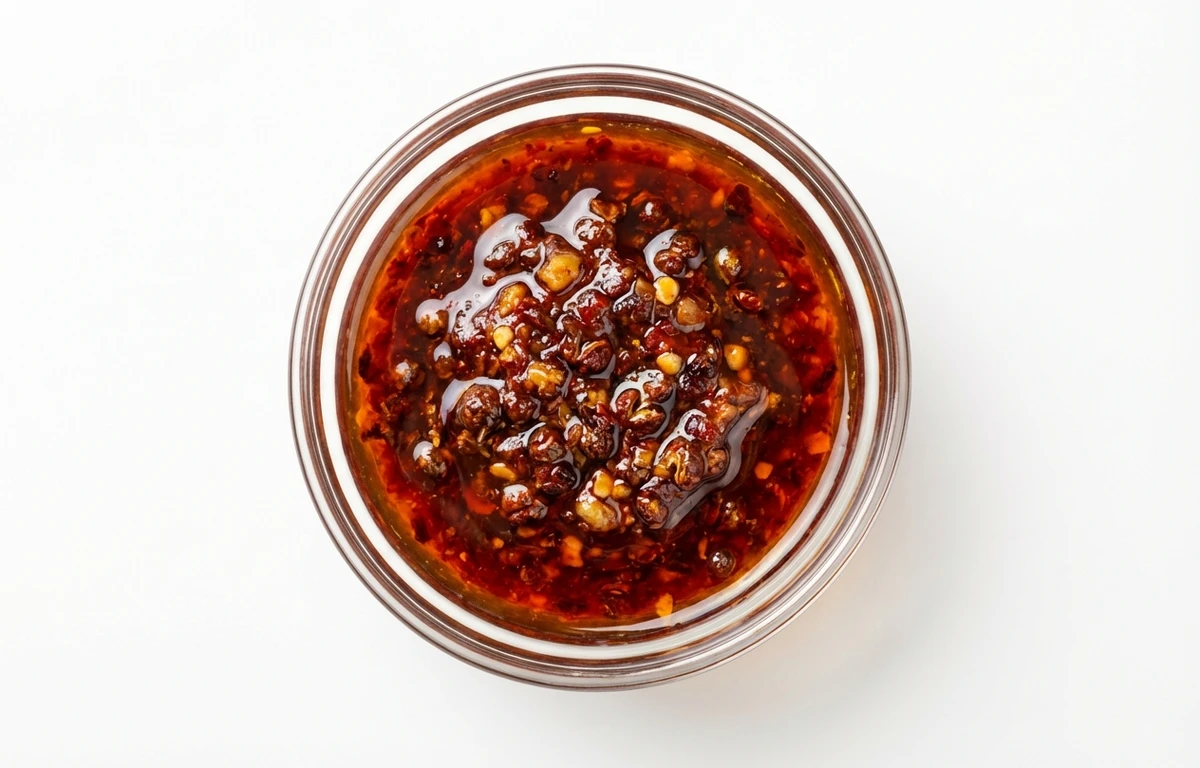
szechuan sauce.
VegetarianVeganGluten-freeDairy-freeNut-freePeanut-freeSoy-freeEgg-freeShellfish-freeHoney-freeAlcohol-freeFermented
ALSO KNOWN AS
sichuan sauceschezwan sauceSzechuan sauce
SERVING
CALORIES
185
PROTEIN
2.5g
CARBS
32g
FAT
6.0g
FIBER
1.5g
NUTRITION PROFILE · per 100 g
Everything in this ingredient.
MACRONUTRIENTS
Calories185kcal—
Protein2.5g5%
Carbohydrates32g12%
Fiber1.5g5%
Sugar22g44%
Total fat6.0g8%
Saturated fat0.80g4%
Trans fat0g—
Cholesterol0mg0%
Water55g—
MINERALS
Sodium2400mg104%
Potassium150mg3%
Calcium25mg2%
Iron1.2mg7%
Magnesium15mg4%
Phosphorus40mg3%
Zinc0.30mg3%
Copper0.05mg6%
Manganese0.10mg4%
Selenium0.50µg1%
VITAMINS
Vitamin A45µg5%
Vitamin C5.0mg6%
Vitamin D0µg0%
Vitamin E0.50mg3%
Vitamin K2.0µg2%
Thiamin (B1)0.05mg4%
Riboflavin (B2)0.04mg3%
Niacin (B3)0.80mg5%
Pantothenic acid (B5)0.20mg4%
Vitamin B60.10mg6%
Folate (B9)5.0µg1%
Vitamin B120µg0%
%DV based on a 2,000 cal diet. Source: USDA FoodData Central. A dash in the %DV column means there’s no established Daily Value for that nutrient.
MEASUREMENT CONVERSIONS
How much is what.
1 cup280g
1 tablespoon18g
1 teaspoon6g
1 oz28.4g
1 lb453.6g
1 ml1.2g
1 liter1150g
HEALTH BENEFITS
Why eat it.
- ✓Capsaicin from chilies may boost metabolism
- ✓Contains antioxidants from garlic and ginger
- ✓Sichuan peppercorns may aid in digestion
- ✓May help improve blood circulation
- ✓Can act as a decongestant due to heat
COOKING TIPS
In the kitchen.
- 1Add at the final stage of stir-frying to prevent the sugars from burning
- 2Dilute with a little water or broth if the flavor is too intense or salty
- 3Use as a marinade for proteins, but be mindful of the high salt content
STORAGE
Keep it fresh.
- Refrigerate immediately after opening to maintain freshness
- Store in an airtight glass jar to prevent odor transfer
- Always use a clean spoon to avoid cross-contamination and mold
FAQ
Frequently asked questions.
How long does Szechuan sauce last in the fridge?
Once opened, commercially prepared Szechuan sauce typically lasts for 6 to 12 months in the refrigerator if kept in an airtight container.
Is Szechuan sauce gluten-free?
Most Szechuan sauces are NOT gluten-free because they contain soy sauce, which is made with wheat. Look for 'Tamari-based' versions for a gluten-free option.
What is the best substitute for Szechuan sauce?
A mix of chili garlic sauce, soy sauce, a dash of sugar, and ground Sichuan peppercorns is the best substitute. Gochujang can also work in a pinch.
Can I freeze Szechuan sauce?
Yes, you can freeze it in ice cube trays for easy portioning. It will last up to 6 months, though the texture may become slightly thicker upon thawing.
How do I make the sauce less spicy?
You can balance the heat by adding more sugar, honey, or a splash of rice vinegar. Adding a bit of peanut butter or sesame paste also mellows the spice.
What gives Szechuan sauce its unique numbing sensation?
The numbing sensation, known as 'ma', comes from Sichuan peppercorns, which contain hydroxy-alpha-sanshool.
Is Szechuan sauce vegan?
Most commercial Szechuan sauces are vegan, but always check the label for honey or fish sauce, which are occasionally added for depth.
What are the most common uses for Szechuan sauce?
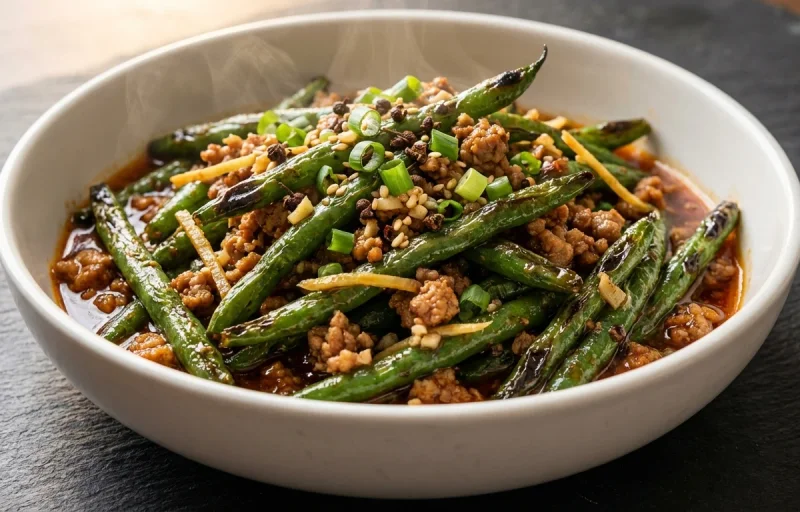
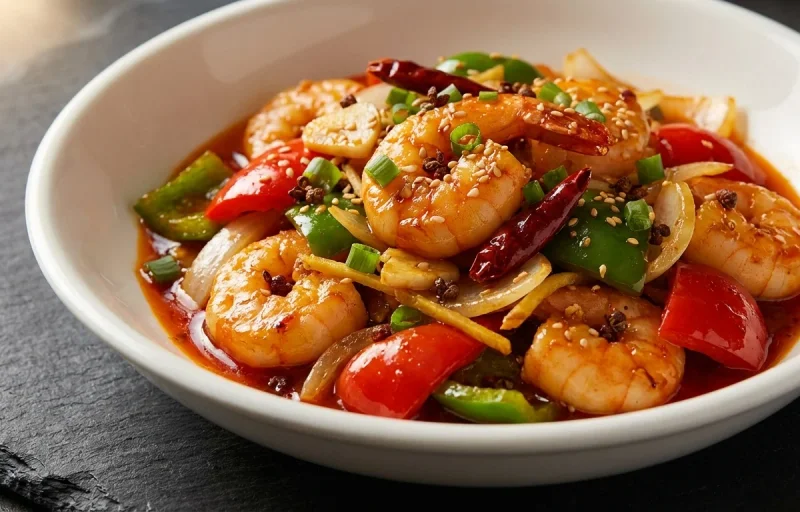
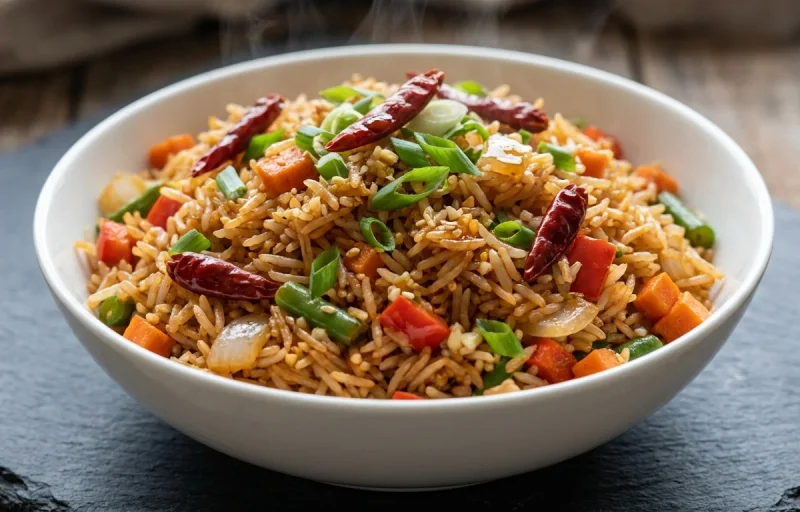
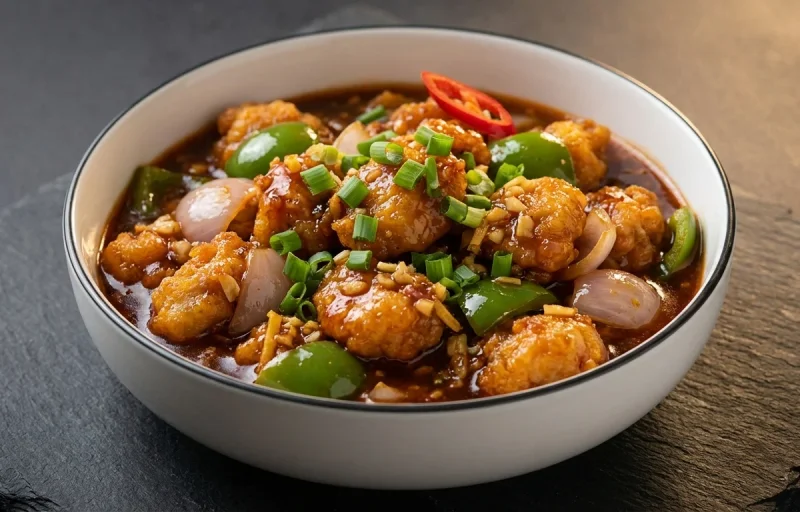
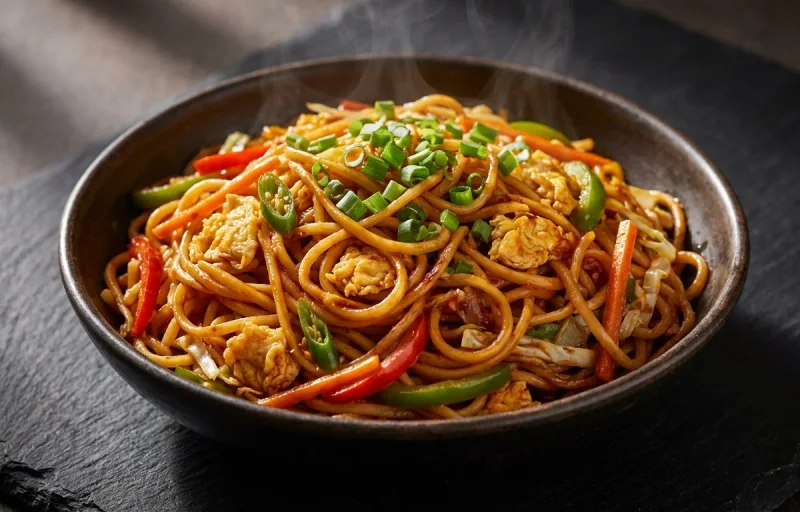
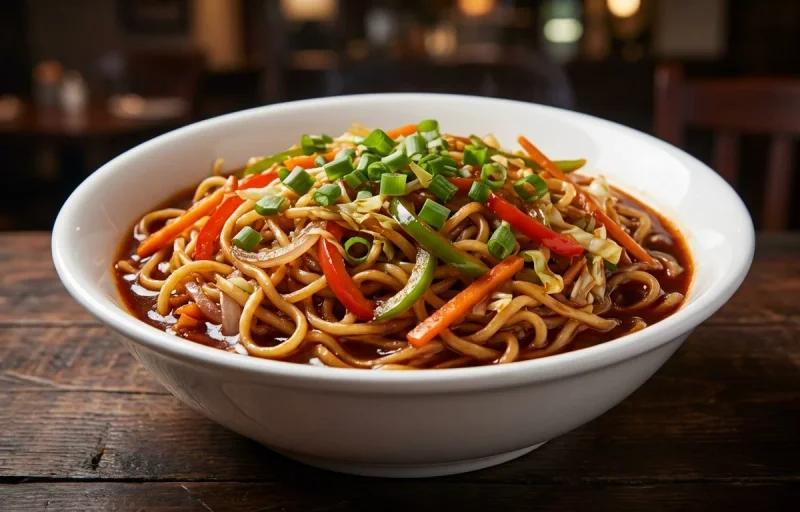
It is primarily used for stir-fries (like Kung Pao Chicken), as a dipping sauce for dumplings, or as a spicy base for noodles.
RECIPES
Cook with szechuan sauce.
10 recipes · sorted by what’s quick