Other10 recipes
tahini.
VegetarianVeganGluten-freeDairy-freeNut-freePeanut-freeSoy-freeEgg-freeShellfish-freeHoney-freeAlcohol-free
ALSO KNOWN AS
sesame pastetahinasesame buttertahinisesame butter pasteroasted toasted sesame tahiniunroasted sesame tahinisesame tahini
SERVING
CALORIES
595
PROTEIN
17g
CARBS
21.2g
FAT
53.8g
FIBER
9.3g
NUTRITION PROFILE · per 100 g
Everything in this ingredient.
MACRONUTRIENTS
Calories595kcal—
Protein17g34%
Carbohydrates21.2g8%
Fiber9.3g33%
Sugar0.50g1%
Total fat53.8g69%
Saturated fat7.5g38%
Trans fat0g—
Cholesterol0mg0%
Water3.0g—
MINERALS
Sodium115mg5%
Potassium414mg9%
Calcium426mg33%
Iron9.0mg50%
Magnesium95mg23%
Phosphorus732mg59%
Zinc4.6mg42%
Copper1.6mg178%
Manganese1.4mg61%
Selenium34.4µg63%
VITAMINS
Vitamin A2.0µg0%
Vitamin C0mg0%
Vitamin D0µg0%
Vitamin E0.20mg1%
Vitamin K0µg0%
Thiamin (B1)1.2mg100%
Riboflavin (B2)0.50mg38%
Niacin (B3)5.5mg34%
Pantothenic acid (B5)0.70mg14%
Vitamin B60.15mg9%
Folate (B9)98µg25%
Vitamin B120µg0%
%DV based on a 2,000 cal diet. Source: USDA FoodData Central. A dash in the %DV column means there’s no established Daily Value for that nutrient.
MEASUREMENT CONVERSIONS
How much is what.
1 cup256g
1 tablespoon15g
1 teaspoon5g
1 ml1g
1 liter1000g
HEALTH BENEFITS
Why eat it.
- ✓Rich in healthy monounsaturated and polyunsaturated fats, which support heart health.
- ✓A good source of minerals like phosphorus, magnesium, and calcium, contributing to strong bones.
- ✓Contains antioxidants, such as lignans, which may help reduce inflammation and protect against oxidative stress.
- ✓Provides plant-based protein and fiber, promoting satiety and digestive health.
COOKING TIPS
In the kitchen.
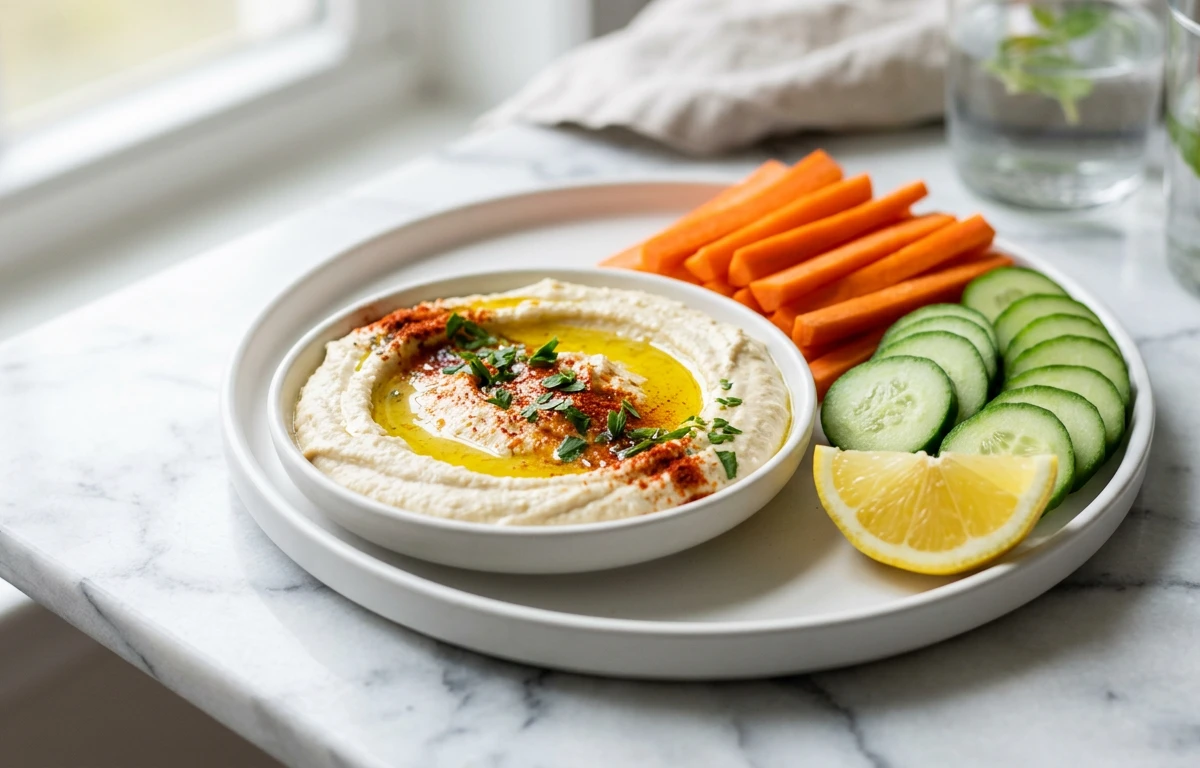
- 1Tahini is a fundamental ingredient for classic dips like hummus and baba ghanoush.
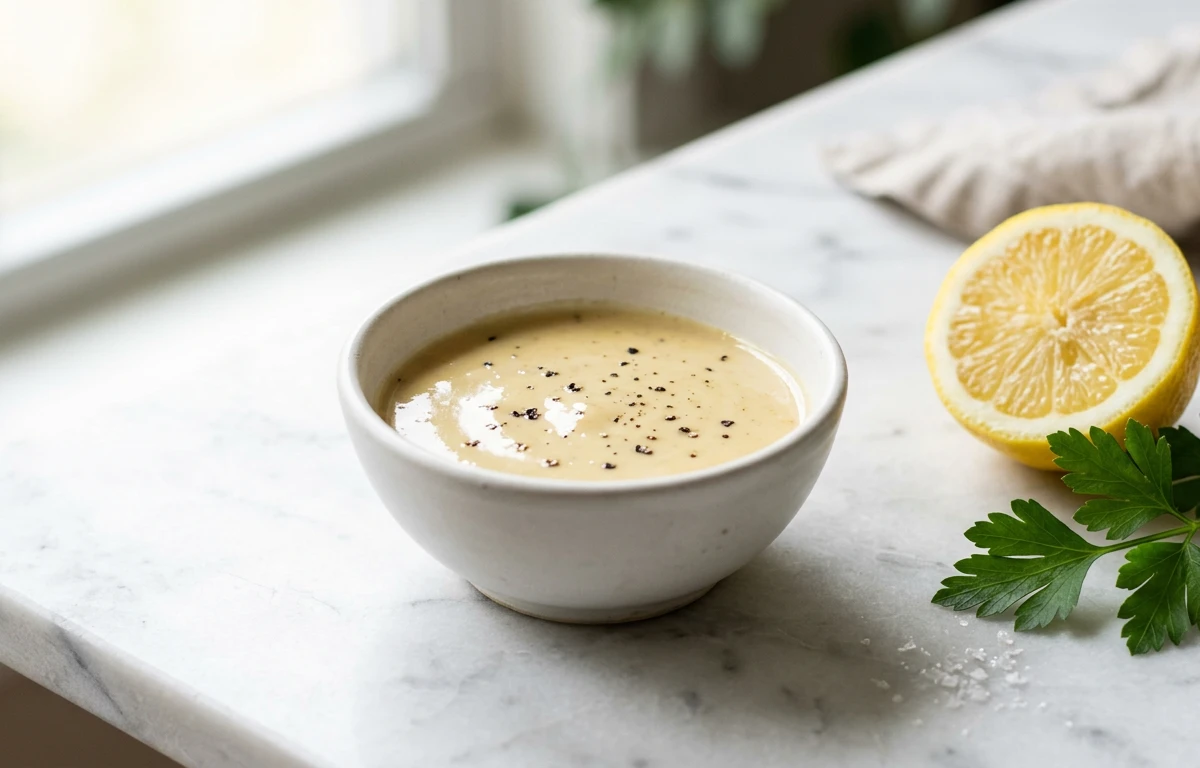
- 2To make a simple, creamy dressing or sauce, whisk tahini with lemon juice, garlic, and cold water until smooth.
- 3Its nutty, slightly bitter flavor can be balanced with sweeteners like maple syrup or honey in baked goods, dressings, or marinades.
- 4Use it to add richness and a creamy texture to soups, smoothies, and noodle dishes.
STORAGE
Keep it fresh.
- Store unopened tahini in a cool, dark place like a pantry. After opening, refrigerate to prevent the oils from becoming rancid, which extends its shelf life to several months.
- Natural oil separation is normal. Stir the tahini well before each use to recombine the oil with the solid paste.
FAQ
Frequently asked questions.
Is tahini healthy?
Yes, tahini is highly nutritious, providing 17g of protein and 53.8g of healthy fats per 100g. It is rich in monounsaturated and polyunsaturated fats that support heart health, along with essential minerals like calcium and magnesium for bone strength.
Is tahini vegan and gluten-free?
Yes, traditional tahini is naturally vegan and gluten-free as it is made solely from ground sesame seeds. It is an excellent plant-based source of protein and minerals for those on restricted diets.
Is tahini keto-friendly?
Tahini can be keto-friendly when consumed in moderation. While it contains about 21.2g of carbs per 100g, a typical serving size of one tablespoon contains only about 3 grams of carbs, making it a suitable source of healthy fats for low-carb diets.
What does tahini taste like?
Tahini has a rich, nutty, and earthy flavor with a slightly bitter finish. Its texture is creamy and smooth, similar to other nut butters but usually more pourable and less sweet than peanut butter.
How do you use tahini in cooking?
Tahini is a staple in Middle Eastern cuisine, used to make hummus, baba ganoush, and halva. It also makes an excellent base for salad dressings, sauces for roasted vegetables, or as a creamy addition to smoothies and baked goods.
Why is there a layer of oil on top of my tahini?
Natural oil separation is common in high-quality tahini because it lacks artificial emulsifiers. Simply stir the oil back into the sesame paste before using to restore its smooth, creamy consistency.
How should I store tahini and how long does it last?
Unopened tahini should be stored in a cool, dry pantry. Once opened, it is best kept in the refrigerator to prevent the natural oils from going rancid, where it can typically last for 6 to 12 months.
Can I substitute tahini with peanut butter?
Yes, peanut butter or almond butter can substitute for tahini in many recipes, though the flavor will be sweeter and less earthy. For a closer flavor match that is also nut-free, sunflower seed butter is often the best alternative.
Is tahini good for weight loss?
While tahini is calorie-dense at 595 calories per 100g, its high protein and fiber content promote satiety, helping you feel full longer. When used in moderation as a healthy fat source, it can be a beneficial part of a weight management plan.
What are the specific health benefits of the antioxidants in tahini?
Tahini contains unique antioxidants called lignans, such as sesamin. These compounds help protect the body against oxidative stress, reduce inflammation, and may contribute to improved heart health by managing cholesterol levels.
RECIPES
Cook with tahini.
10 recipes · sorted by what’s quick