Other
toddy.
VegetarianVeganGluten-freeDairy-freeNut-freePeanut-freeSoy-freeEgg-freeShellfish-freeHoney-freeAlcohol-freeHalalKosherFermented
SERVING
CALORIES
24
PROTEIN
0.18g
CARBS
5.7g
FAT
0.03g
FIBER
0g
This ingredient is flagged as naturally gluten-free. Per 100 g, it provides 0 µg of vitamin K.
NUTRITION PROFILE · per 100 g
Everything in this ingredient.
MACRONUTRIENTS
Calories24.1kcal—
Protein0.18g0%
Carbohydrates5.7g2%
Fiber0g0%
Sugar5.7g11%
Total fat0.03g0%
Saturated fat0.03g0%
Trans fat0g—
Cholesterol0mg0%
Water93.9g—
MINERALS
Sodium1.6mg0%
Potassium83.5mg2%
Calcium0.44mg0%
Iron0.42mg2%
Magnesium4.0mg1%
Phosphorus5.8mg0%
Zinc0.01mg0%
Copper0.02mg2%
Manganese0.02mg1%
Selenium0µg0%
VITAMINS
Vitamin A0µg0%
Vitamin C0.92mg1%
Vitamin D0µg0%
Vitamin E0.01mg0%
Vitamin K0µg0%
Thiamin (B1)0.01mg1%
Riboflavin (B2)0.27mg21%
Niacin (B3)0.35mg2%
Pantothenic acid (B5)0.08mg2%
Vitamin B60.03mg2%
Biotin (B7)2.0µg7%
Folate (B9)0.73µg0%
%DV based on a 2,000 cal diet. Source: USDA FoodData Central. A dash in the %DV column means there’s no established Daily Value for that nutrient.
MEASUREMENT CONVERSIONS
How much is what.
1 cup241.3g
1 tablespoon15.1g
1 teaspoon5g
1 oz28.4g
1 lb453.6g
1 ml1g
1 liter1020g
HEALTH BENEFITS
Why eat it.
- ✓Fresh, unfermented toddy is a source of B vitamins, vitamin C, and minerals like potassium and iron.
- ✓The natural fermentation process introduces probiotics, which may support gut health.
- ✓Can be a source of electrolytes, making the fresh version a hydrating beverage.
COOKING TIPS
In the kitchen.
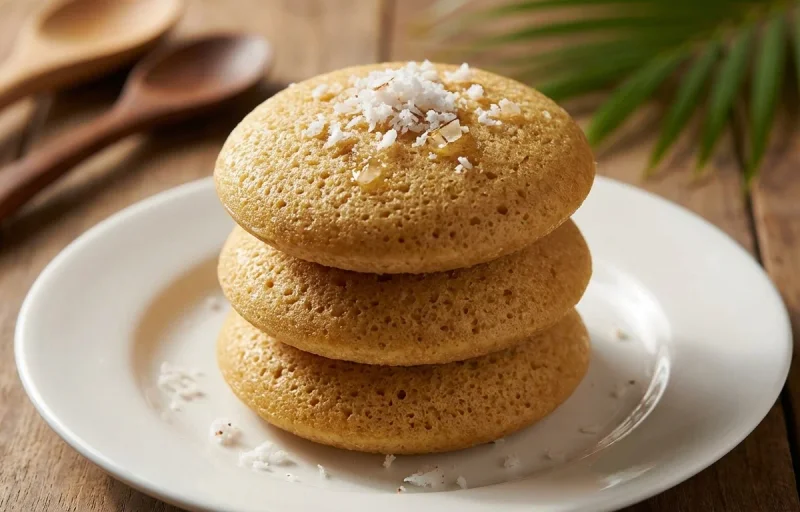
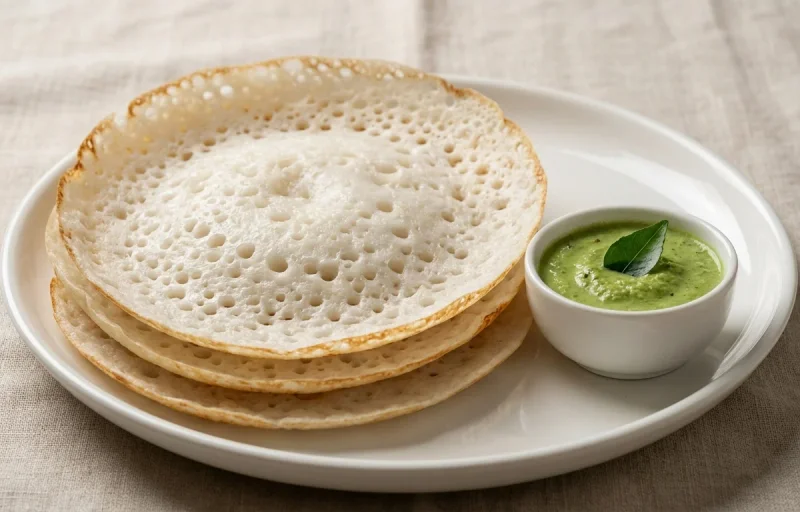
- 1Use as a natural leavening agent in batters for pancakes and steamed cakes, such as South Indian 'appams' or 'sannas', to create a soft, fluffy texture.
- 2Reduce fresh toddy over low heat to create palm syrup or jaggery, a natural sweetener with a caramel-like flavor.
- 3Incorporate into marinades for meat or seafood to tenderize and add a unique sweet and tangy flavor.
- 4Allow toddy to ferment further to create palm vinegar, a staple in Goan and Filipino cuisines, excellent for dressings and sour curries.
STORAGE
Keep it fresh.
- Fresh toddy (neera) is highly perishable; it must be refrigerated immediately below 4°C (40°F) and consumed within 24 hours to prevent rapid fermentation.
- Fermented toddy should be stored in a cool, dark place. Once opened, refrigerate and consume within 2-3 days as its flavor will continue to evolve and sour.
FAQ
Frequently asked questions.
How many calories and carbs are in toddy?
Toddy is relatively low in calories, providing approximately 24.14 calories per 100g. It contains about 5.72g of carbohydrates, primarily from natural sugars, with negligible amounts of protein (0.18g) and fat (0.03g).
Is toddy good for gut health?
Yes, the natural fermentation of palm sap into toddy introduces beneficial probiotics. These live microorganisms can help support a healthy gut microbiome and improve digestion, provided the beverage is consumed in moderation.
Is toddy vegan and gluten-free?
Toddy is naturally both vegan and gluten-free. It is a pure plant-based product harvested from the sap of palm trees and does not involve any animal derivatives or gluten-containing grains during its traditional collection and fermentation.
Does toddy contain alcohol?
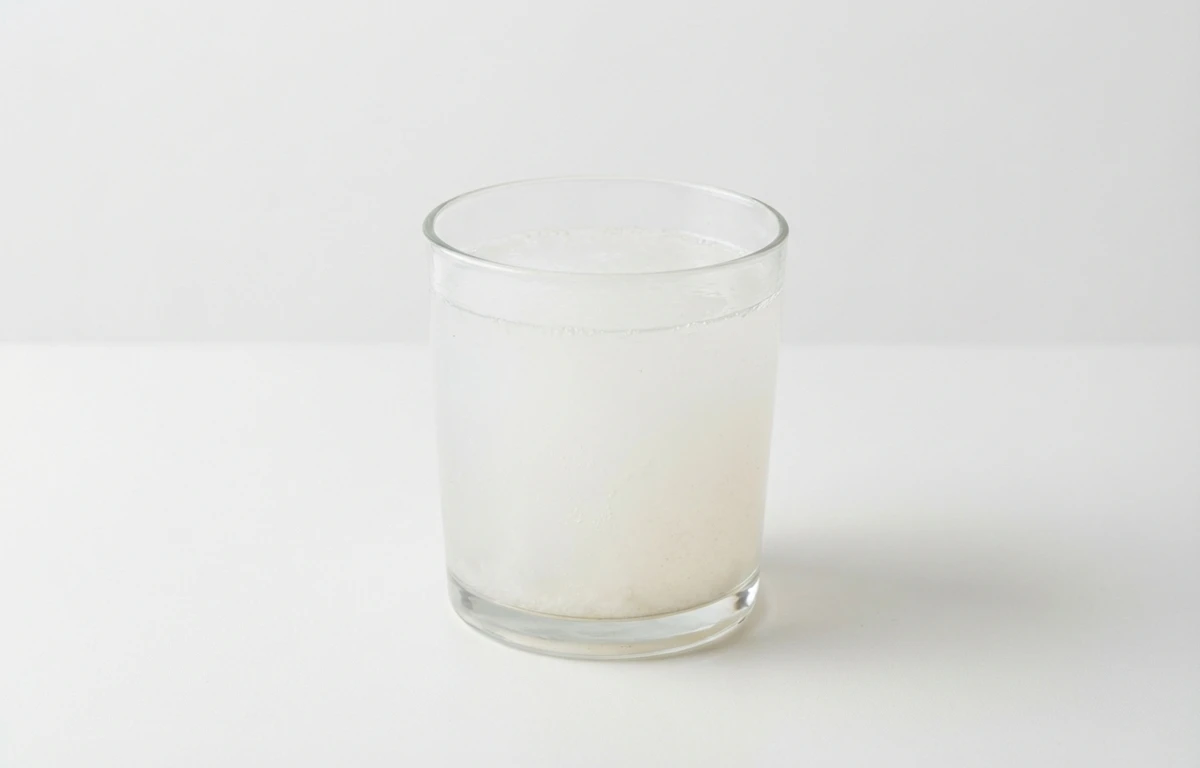
Freshly tapped toddy, often called 'neera,' is non-alcoholic and sweet. However, because of wild yeasts in the environment, it begins to ferment immediately upon collection, typically reaching an alcohol content of 4% to 6% within a few hours.
What does toddy taste like?
Fresh toddy is very sweet and mild with a floral aroma. As it ferments, it becomes increasingly tart, acidic, and slightly effervescent, developing a yeasty flavor profile similar to a sharp cider or a mild sparkling wine.
How is toddy used in cooking?
Toddy is frequently used as a natural leavening agent in South Asian cuisine to make fluffy fermented foods like appams (rice pancakes). It can also be boiled down to create palm syrup and jaggery, or allowed to ferment fully into palm vinegar.
How long does toddy last?
Toddy has an extremely short shelf life due to its rapid natural fermentation. It is best consumed within 12 to 24 hours of tapping; beyond this point, it becomes very sour and eventually turns into vinegar.
How should you store toddy?
To slow down the fermentation process, toddy should be refrigerated in a glass container. While cooling extends its drinkability for a day or two, it will still continue to ferment slowly, so it is always best enjoyed as fresh as possible.
RECIPES
Cook with toddy.
0 recipes · sorted by what’s quick