vendakkai
Also known as:
Loading...
Also known as:
Per 100g
Nutrition data source: USDA FoodData Central
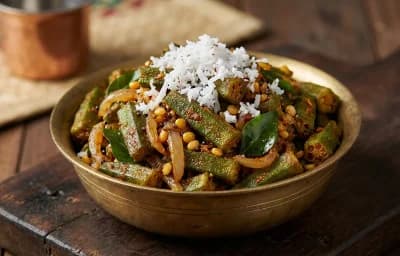
Crispy, non-slimy okra stir-fried with onions and simple South Indian spices. This quick and easy side dish, also known as Bhindi Fry, is a perfect accompaniment to rice and sambar or dal.
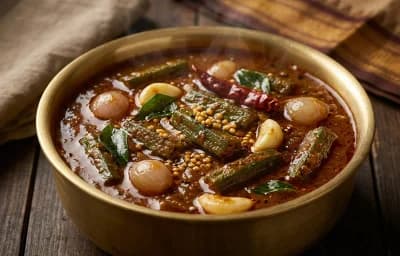
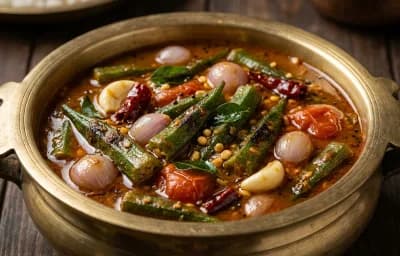
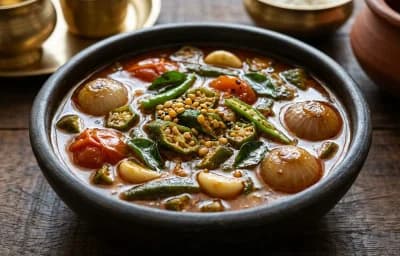
A fiery and tangy South Indian curry from Tamil Nadu, featuring tender okra simmered in a tamarind and spice-infused gravy. It's the perfect zesty companion for steamed rice.
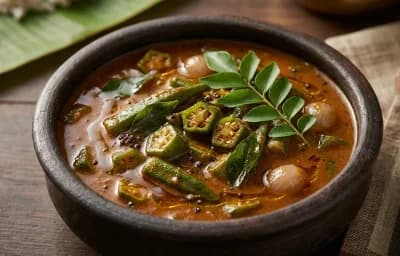
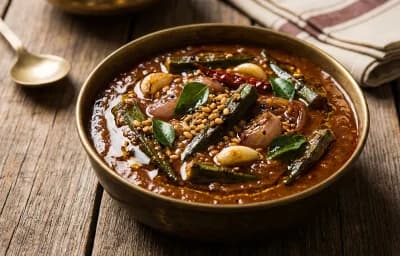
A classic Tamil curry featuring tender okra simmered in a tangy tamarind sauce with aromatic spices. This flavorful kuzhambu is a perfect comfort food, best enjoyed with hot steamed rice and a dollop of ghee.
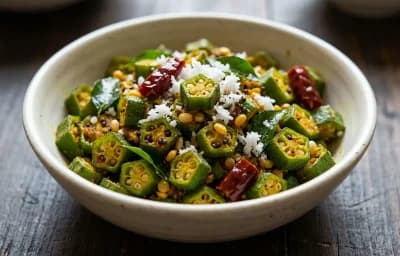
A simple and delicious South Indian stir-fry featuring tender okra cooked with onions, coconut, and mild spices. This quick side dish is the perfect non-slimy okra preparation, pairing wonderfully with rice and sambar.
Yes, vendakkai is highly nutritious and low in calories, providing only 33 calories per 100g. It is an excellent source of dietary fiber, Vitamin K, and Vitamin C, which support digestion, bone health, and the immune system.
Vendakkai is rich in mucilage, a soluble fiber that aids digestion and helps lower cholesterol by binding to it during digestion. It also contains polyphenols, which are antioxidants that help reduce inflammation and protect against oxidative stress.
Yes, vendakkai is very effective for weight loss because it is low in fat (0.19g per 100g) and high in fiber. The fiber content promotes satiety, helping you feel full for longer periods and reducing overall calorie consumption.
Vendakkai is considered very beneficial for diabetics. Its high soluble fiber content helps stabilize blood sugar levels by slowing down the absorption of sugar in the digestive tract.
Yes, vendakkai is keto-friendly. With approximately 7.45g of total carbohydrates per 100g and a significant portion of that being fiber, the net carb count is low enough to fit into a standard ketogenic diet.
To minimize sliminess, ensure the pods are completely dry before cutting and avoid overcrowding the pan. Adding acidic ingredients like lemon juice, yogurt, or tamarind during the cooking process also helps neutralize the mucilage.
Yes, vendakkai can be eaten raw in salads or as a snack. While the texture is crunchy and the mucilage is more apparent, eating it raw preserves the maximum amount of heat-sensitive nutrients like Vitamin C.
vendakkai is a versatile ingredient found in cuisines around the world. With 33 calories per 100g and 1.93 grams of protein, it's a nutritious addition to many dishes.
Explore more ingredients in the vegetable category with complete nutrition information.
View all vegetable →Vendakkai has a mild, slightly earthy, and grassy flavor. Because its taste is subtle, it is excellent at absorbing the flavors of spices, aromatics, and sauces it is cooked with.
Store unwashed vendakkai in a paper bag or wrapped in paper towels inside a loose plastic bag in the refrigerator's crisper drawer. Moisture is the enemy of freshness, so only wash the vegetable immediately before you plan to use it.
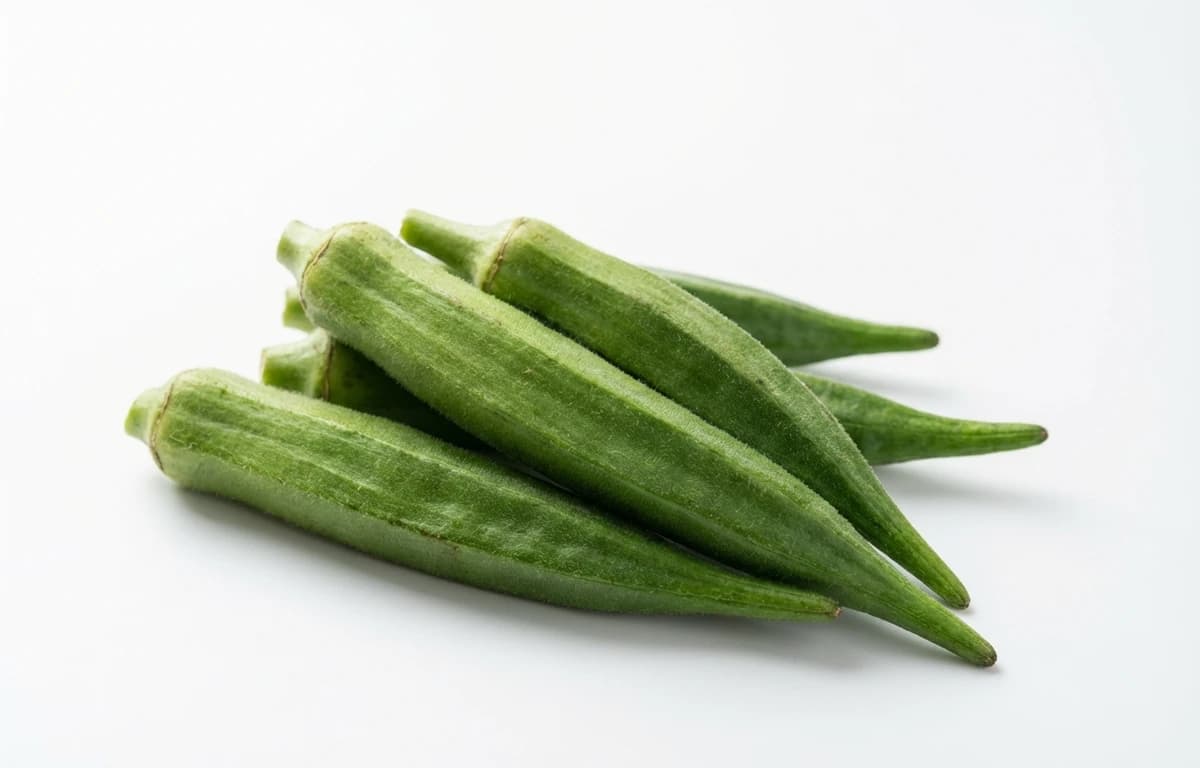
Fresh vendakkai should be bright green, firm, and snap easily at the tip. If the pods are limp, have dark brown spots, or feel slimy on the outside, they are likely past their prime and starting to spoil.