
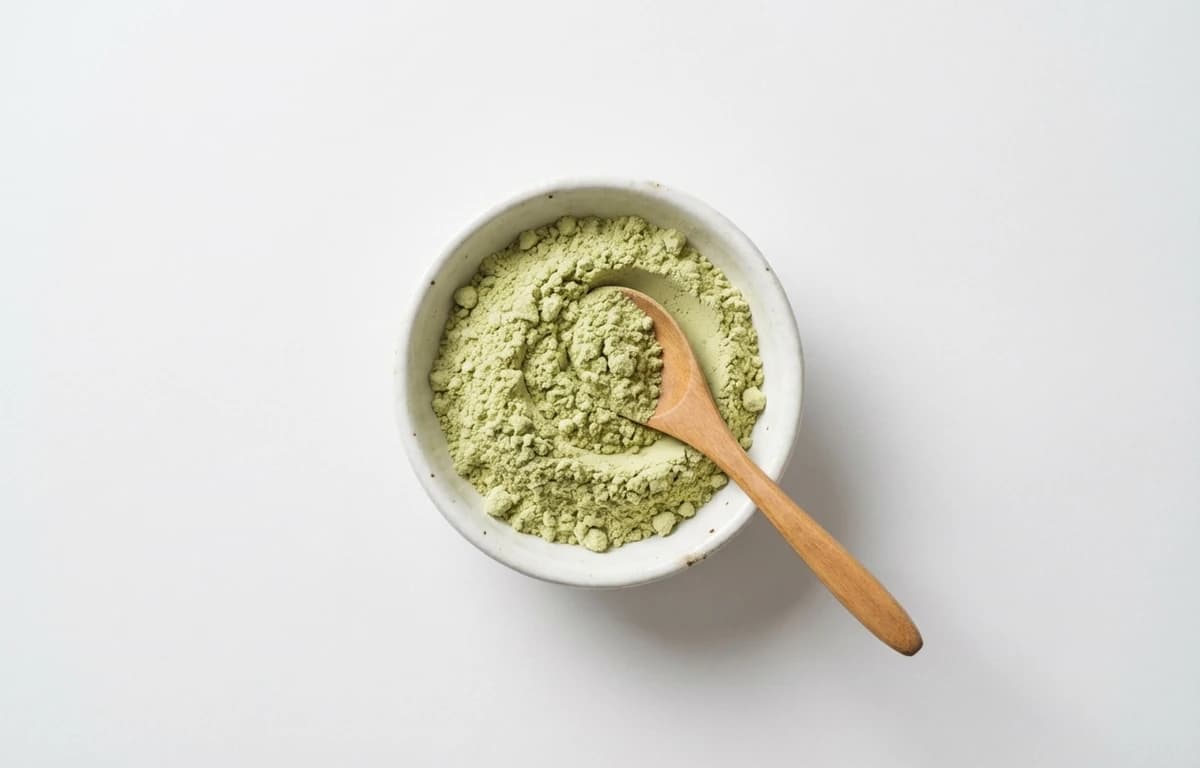
wasabi
Also known as: Japanese horseradish, Eutrema japonicum
Loading...
Also known as: Japanese horseradish, Eutrema japonicum
Per 100g
Nutrition data source: USDA FoodData Central
Common measurement equivalents in grams
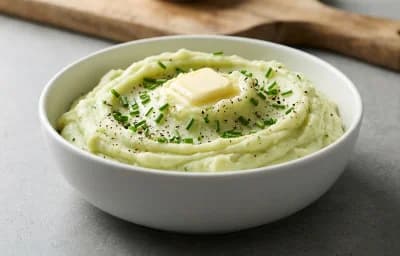
Creamy, fluffy mashed potatoes with a surprising, spicy kick from wasabi. This unique side dish is easy to make and adds an exciting twist to steak, chicken, or fish dinners.
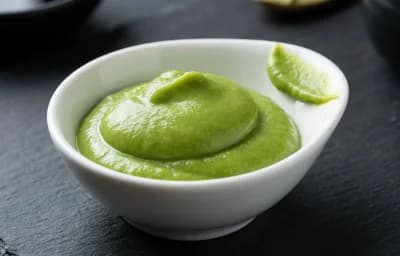
Create that iconic, pungent green paste for your sushi nights at home. This recipe uses horseradish and mustard powder to replicate the sinus-clearing kick of wasabi in just a few minutes. It's the perfect quick and easy condiment when you need that spicy accompaniment for Japanese dishes.

Experience the unique, crunchy texture and sweet, briny flavor of fresh geoduck. This simple preparation highlights the clam's natural taste, served sashimi-style with soy and wasabi. A true delicacy of the Pacific Northwest.
Fresh wasabi rhizome can last up to 2 weeks in the refrigerator if wrapped in a damp paper towel or kept in a jar of water that is changed daily.
Most commercial wasabi is actually a mix of horseradish, mustard, and green food coloring. Real wasabi (Hon-wasabi) is grated from the rhizome of the Eutrema japonicum plant.
Wasabi contains allyl isothiocyanate, a volatile compound that turns into a gas and travels up the nasal passage, rather than oil-based capsaicin found in chilies which sticks to the tongue.
Wasabi paste can be frozen in an airtight container for up to 2 months, though it may lose some of its aromatic intensity. Freezing the fresh rhizome is not recommended as it ruins the texture.
Wash the rhizome, trim any bumps, and grate only what you need using a fine grater (traditionally sharkskin) in a circular motion to create a fine paste.
The best substitute is a mixture of grated horseradish and a small amount of hot English mustard, optionally colored with a drop of green food coloring or spinach juice.
Yes, it is low in calories and contains significant amounts of Vitamin C, potassium, and unique antioxidants called isothiocyanates.
The chemical reaction that creates the heat occurs when the cells are broken during grating; however, these compounds are highly volatile and evaporate quickly when exposed to air.
wasabi is a versatile ingredient found in cuisines around the world. With 109 calories per 100g and 4.8 grams of protein, it's a nutritious addition to many dishes.
Explore more ingredients in the other category with complete nutrition information.
View all other →