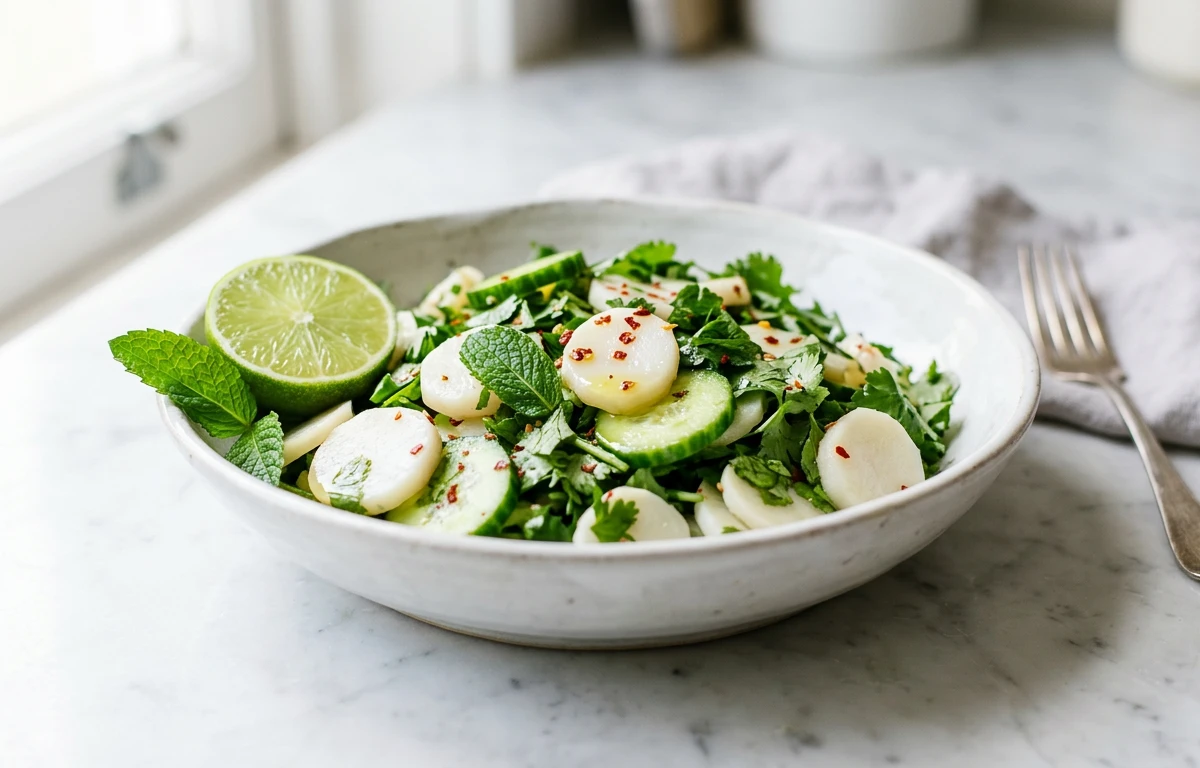
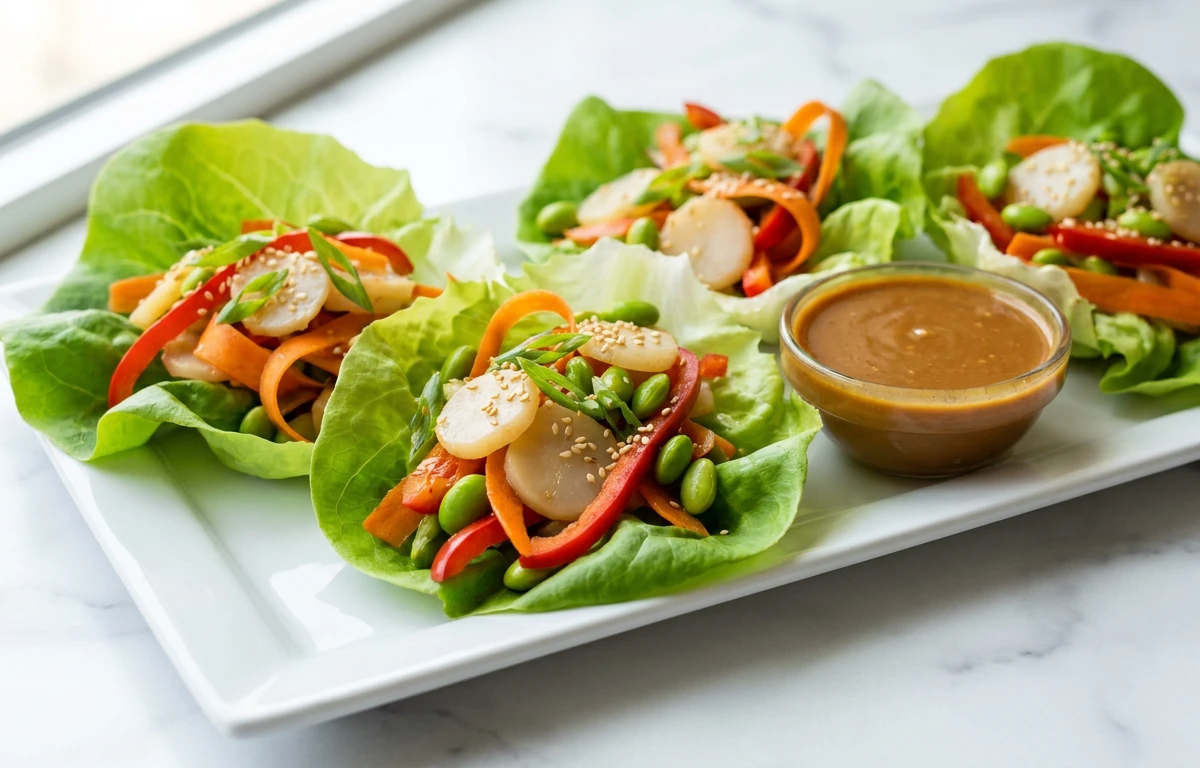
Other10 recipes
water chestnuts.
VegetarianVeganGluten-freeDairy-freeNut-freePeanut-freeSoy-freeEgg-freeShellfish-freeHoney-freeAlcohol-free
ALSO KNOWN AS
singharapaniphalchinese water chestnuteleocharis dulcismatai
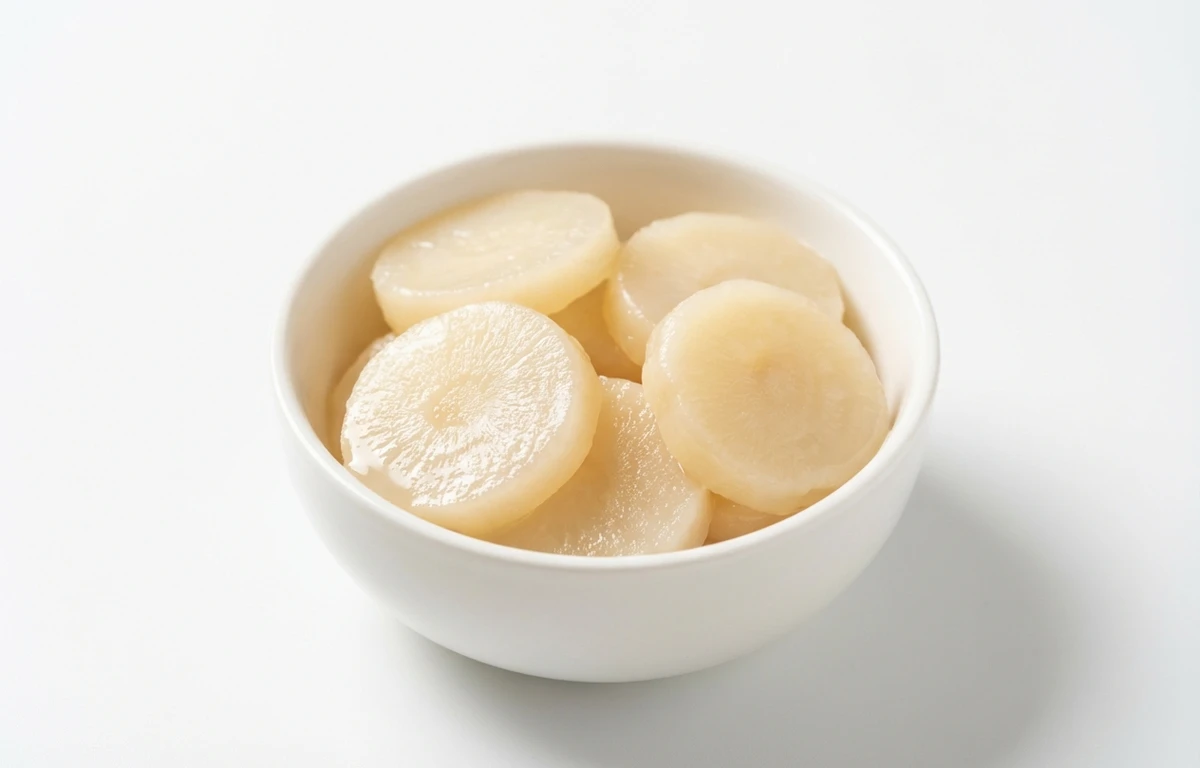
SERVING
CALORIES
97
PROTEIN
1.4g
CARBS
23.9g
FAT
0.10g
FIBER
3.0g
This ingredient is flagged as naturally gluten-free. Per 100 g, it provides 0.10 µg of vitamin K.
NUTRITION PROFILE · per 100 g
Everything in this ingredient.
MACRONUTRIENTS
Calories97kcal—
Protein1.4g3%
Carbohydrates23.9g9%
Fiber3.0g11%
Sugar4.8g10%
Total fat0.10g0%
Saturated fat0g0%
Trans fat0g—
Cholesterol0mg0%
Water74g—
MINERALS
Sodium14mg1%
Potassium584mg12%
Calcium11mg1%
Iron0.70mg4%
Magnesium22mg5%
Phosphorus63mg5%
Zinc0.50mg5%
Copper0.33mg37%
Manganese0.33mg14%
Selenium0.70µg1%
VITAMINS
Vitamin A0µg0%
Vitamin C4.0mg4%
Vitamin D0µg0%
Vitamin E0mg0%
Vitamin K0.10µg0%
Thiamin (B1)0.14mg12%
Riboflavin (B2)0.20mg15%
Niacin (B3)1.0mg6%
Pantothenic acid (B5)0.50mg10%
Vitamin B60.33mg19%
Folate (B9)16µg4%
Vitamin B120µg0%
%DV based on a 2,000 cal diet. Source: USDA FoodData Central. A dash in the %DV column means there’s no established Daily Value for that nutrient.
MEASUREMENT CONVERSIONS
How much is what.
1 cup245g
1 tablespoon15g
1 teaspoon5g
1 oz28.4g
1 lb453.6g
1 ml1g
1 liter1040g
1 piece18g
HEALTH BENEFITS
Why eat it.
- ✓Excellent source of potassium which helps regulate blood pressure
- ✓Contains no fat and is naturally cholesterol-free
- ✓Provides essential B-vitamins for energy metabolism
COOKING TIPS
In the kitchen.
- 1Peel the dark brown skin using a paring knife or vegetable peeler before consuming
- 2Add them at the end of stir-frying to maintain their signature crunchy texture
- 3Can be eaten raw, boiled, grilled, or pickled for various culinary applications
STORAGE
Keep it fresh.
- Store unpeeled raw water chestnuts in a paper bag in the refrigerator for up to 2 weeks
- Once peeled, store in a container submerged in water in the fridge, changing the water daily
- Canned water chestnuts should be rinsed thoroughly and stored in fresh water in the fridge after opening
FAQ
Frequently asked questions.
How long do fresh water chestnuts last?
Unpeeled fresh water chestnuts can last up to 2 weeks in the refrigerator if kept in a breathable paper bag. Once peeled, they should be used within 2-3 days.
What is the best substitute for water chestnuts?
Jicama is the best substitute due to its similar crunchy texture and mild sweetness. Canned bamboo shoots or celery can also work in stir-fries.
How do you pick the best water chestnuts?
Look for specimens that are firm to the touch with smooth, tight skin. Avoid any that are soft, shriveled, or have visible mold.
Are water chestnuts actually nuts?
No, they are not nuts. They are aquatic tuber vegetables (corms) that grow in marshes and underwater mud.
Can you freeze water chestnuts?
Freezing is not recommended for fresh water chestnuts as it significantly alters their unique crunchy texture, making them soft and mushy.
How do you prepare fresh water chestnuts?
Wash them thoroughly to remove mud, slice off the top and bottom, and then peel the remaining brown skin with a knife or peeler.
Are canned water chestnuts as good as fresh?
Canned versions retain the crunch well but lack the sweet, apple-like flavor of fresh ones. Always rinse canned ones to remove the 'tinny' taste.
Are water chestnuts keto-friendly?
They are relatively high in carbohydrates (24g per 100g) compared to other vegetables, so they should be consumed in moderation on a strict keto diet.
RECIPES
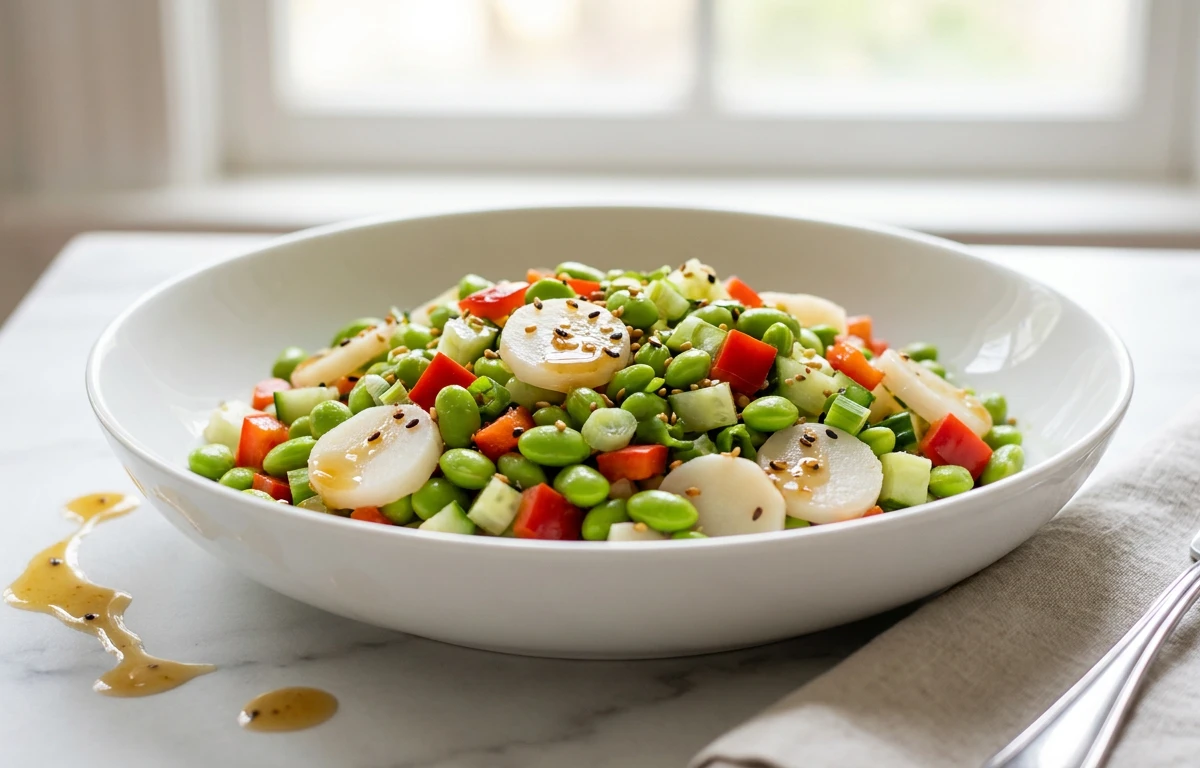
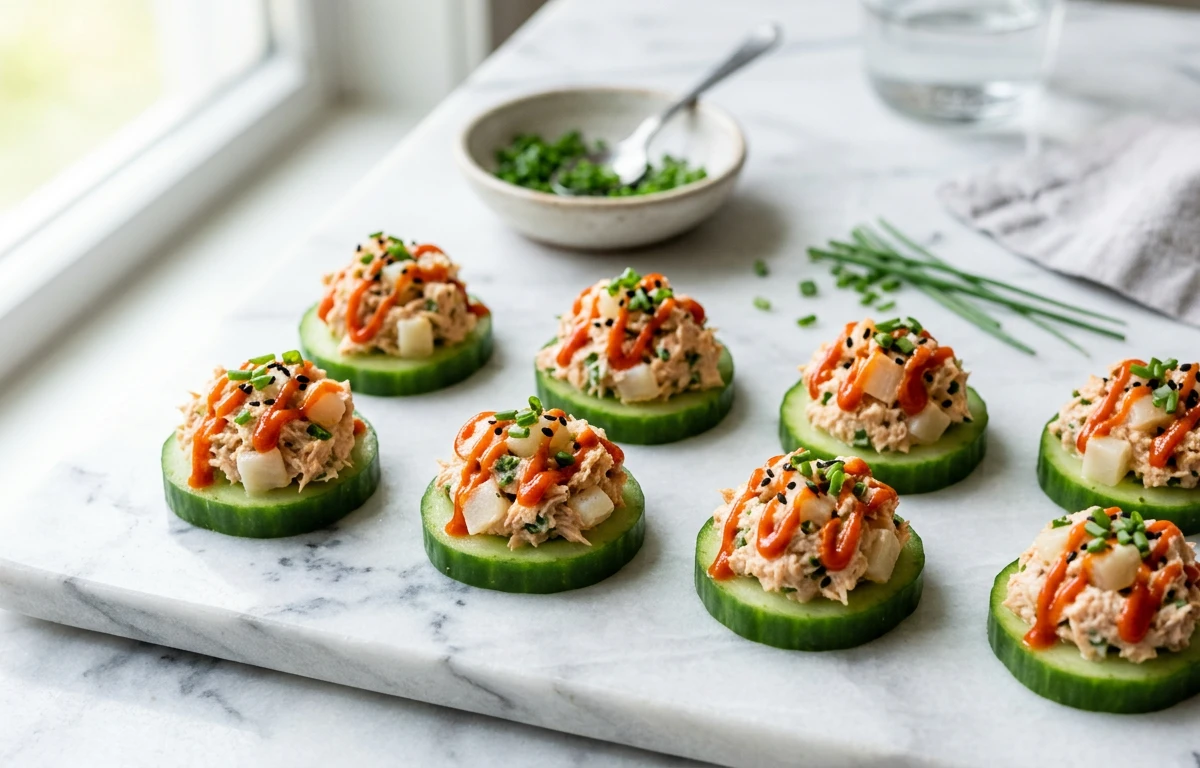
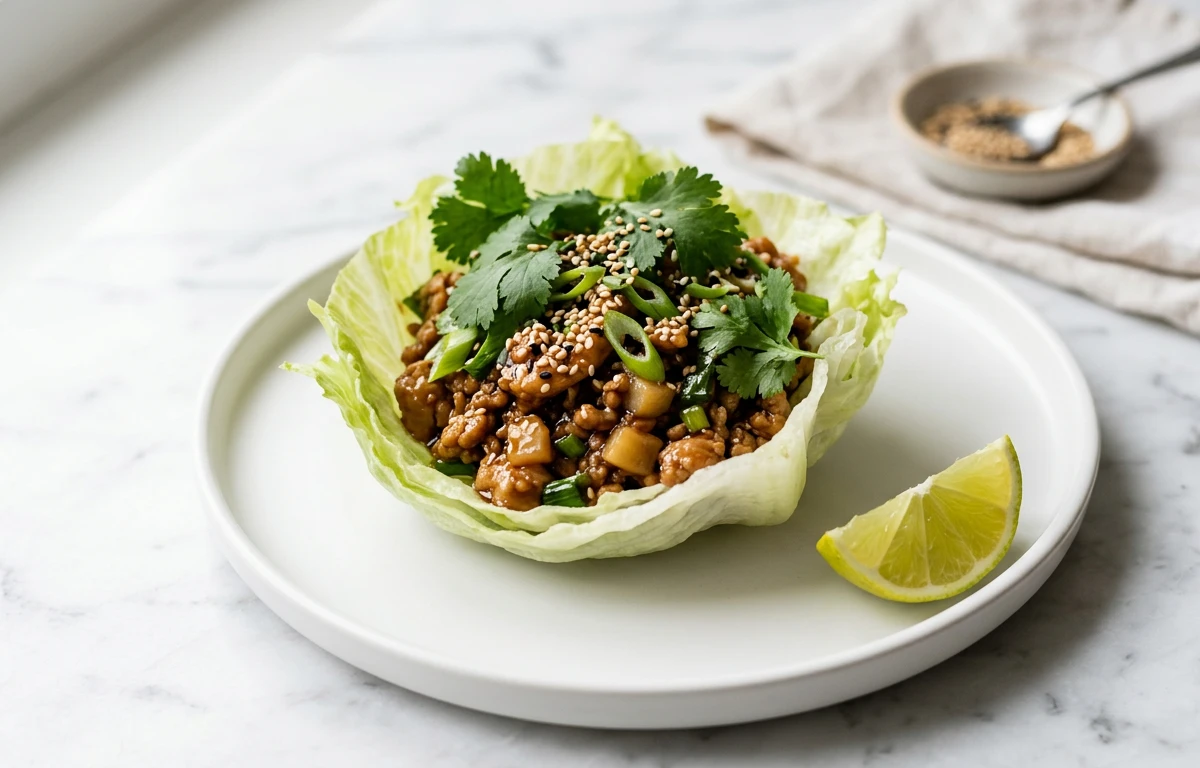
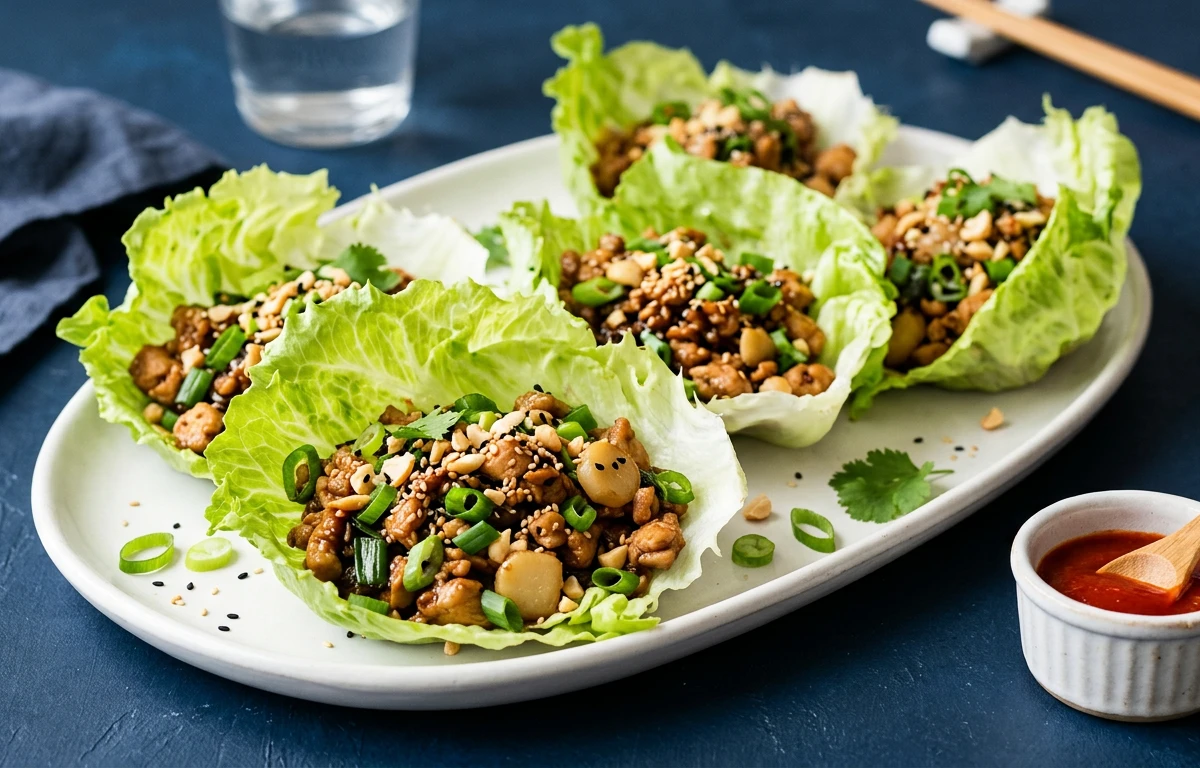
Cook with water chestnuts.
10 recipes · sorted by what’s quick