Other10 recipes
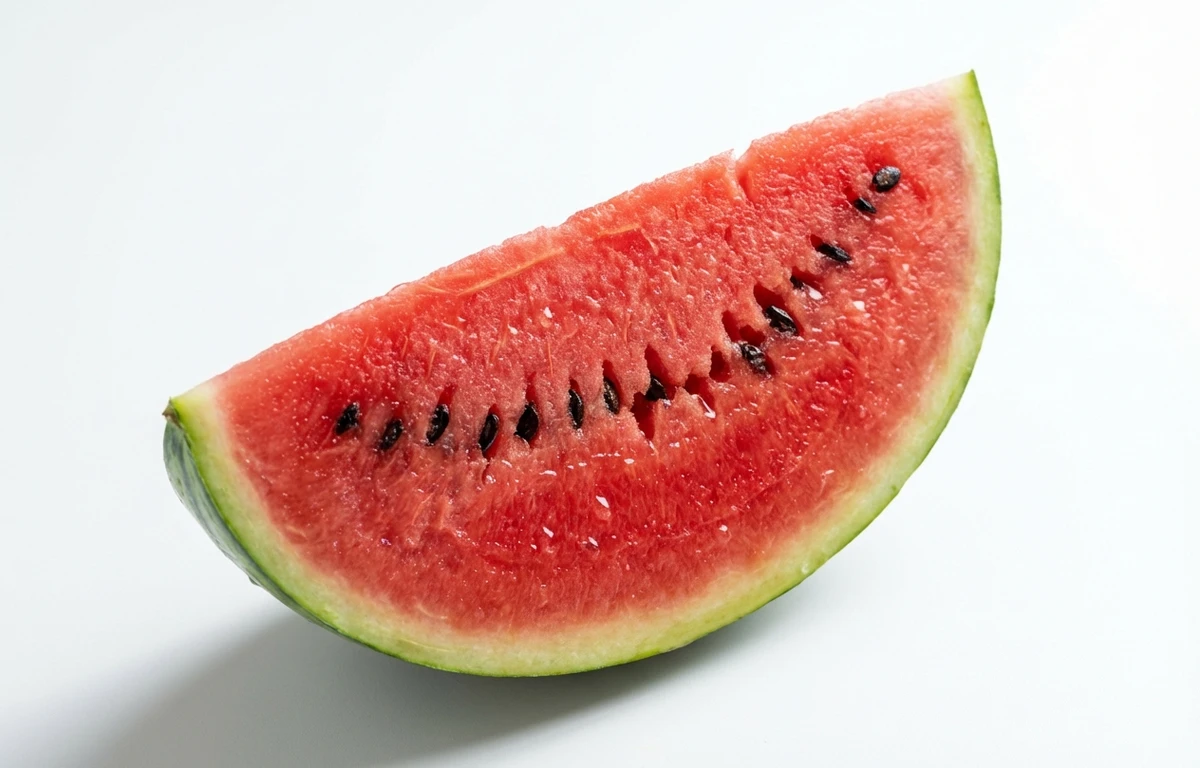
watermelon.
VegetarianVeganGluten-freeDairy-freeNut-freePeanut-freeSoy-freeEgg-freeShellfish-freeHoney-freeAlcohol-free
ALSO KNOWN AS
raw watermelontarboojtarmuj
SERVING
CALORIES
30
PROTEIN
0.61g
CARBS
7.5g
FAT
0.15g
FIBER
0.40g
This ingredient is flagged as naturally gluten-free. Per 100 g, it provides 0.10 µg of vitamin K.
NUTRITION PROFILE · per 100 g
Everything in this ingredient.
MACRONUTRIENTS
Calories30kcal—
Protein0.61g1%
Carbohydrates7.5g3%
Fiber0.40g1%
Sugar6.2g12%
Total fat0.15g0%
Saturated fat0.02g0%
Cholesterol0mg0%
MINERALS
Sodium1.0mg0%
Potassium112mg2%
Calcium7.0mg1%
Iron0.24mg1%
Magnesium10mg2%
Phosphorus11mg1%
Zinc0.10mg1%
Copper0.04mg4%
Manganese0.04mg2%
Selenium0.40µg1%
VITAMINS
Vitamin A28µg3%
Vitamin C8.1mg9%
Vitamin D0µg0%
Vitamin E0.05mg0%
Vitamin K0.10µg0%
Thiamin (B1)0.03mg3%
Riboflavin (B2)0.02mg2%
Niacin (B3)0.18mg1%
Pantothenic acid (B5)0.22mg4%
Vitamin B60.05mg3%
Folate (B9)21µg5%
Vitamin B120µg0%
%DV based on a 2,000 cal diet. Source: USDA FoodData Central. A dash in the %DV column means there’s no established Daily Value for that nutrient.
MEASUREMENT CONVERSIONS
How much is what.
1 cup152g
1 tablespoon15g
1 teaspoon5g
1 ml1g
1 liter1000g
1 piece300g
HEALTH BENEFITS
Why eat it.
- ✓Excellent source of hydration, as it is over 90% water, which helps maintain fluid balance.
- ✓Contains citrulline, an amino acid that may improve blood flow and reduce muscle soreness after exercise.
COOKING TIPS
In the kitchen.
- 1For a refreshing salad, cube watermelon and combine with feta cheese, fresh mint, and a light vinaigrette.
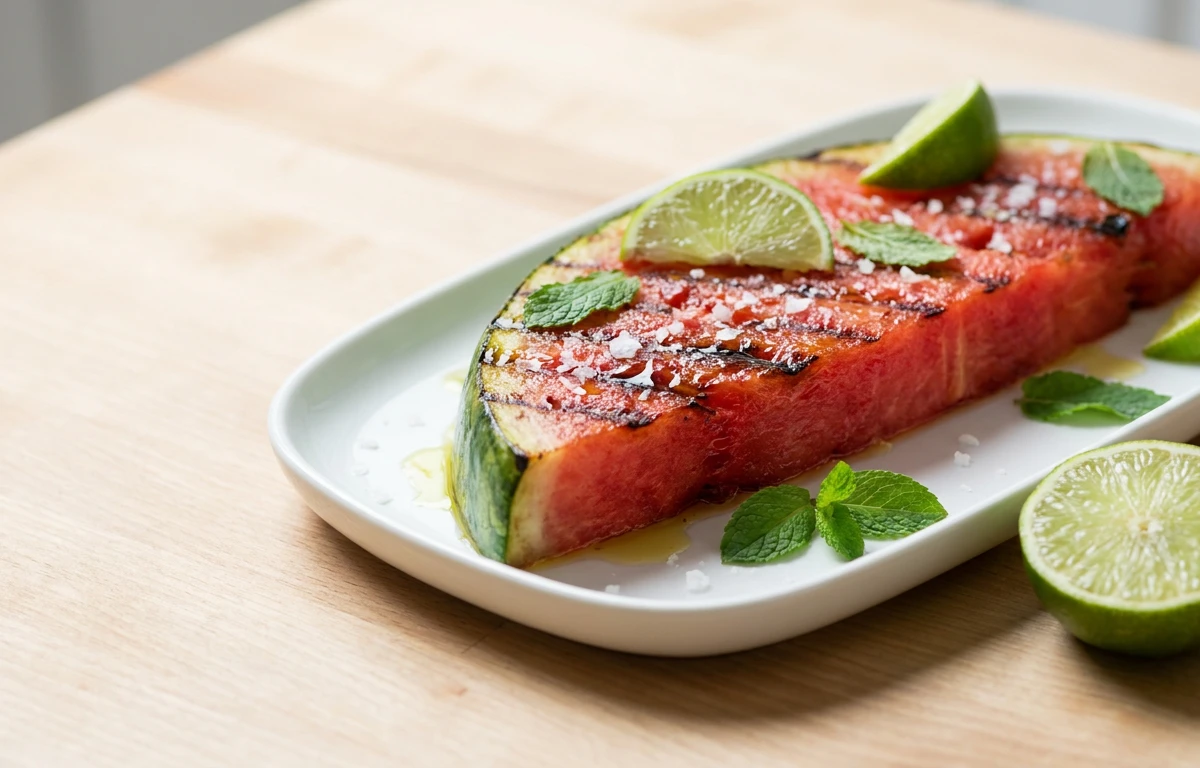
- 2Grill thick slices of watermelon for 1-2 minutes per side to caramelize the sugars and create a unique smoky flavor.
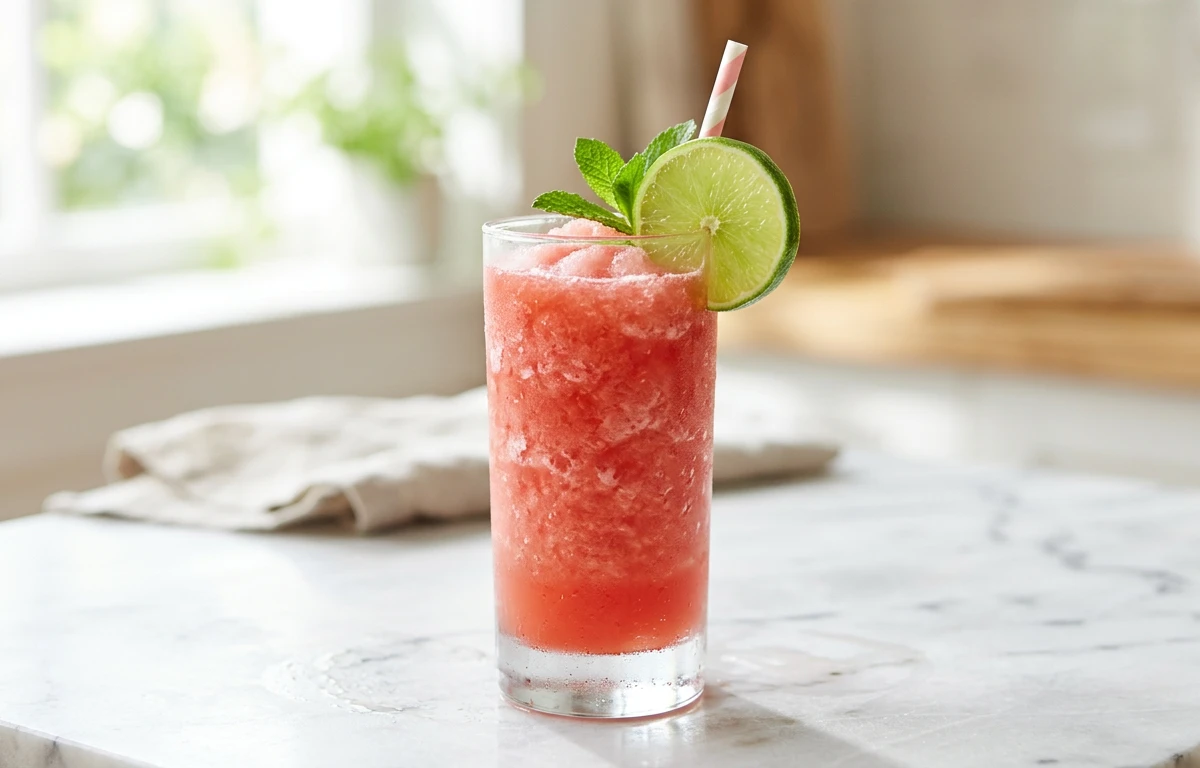
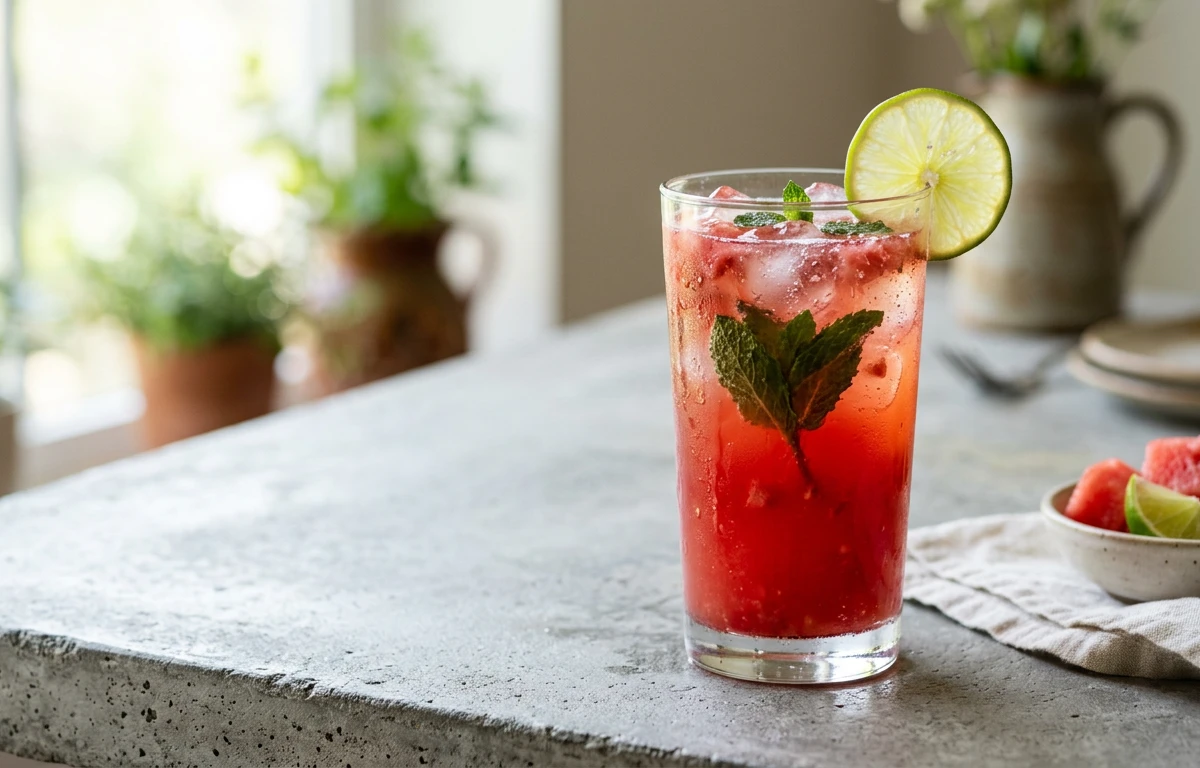
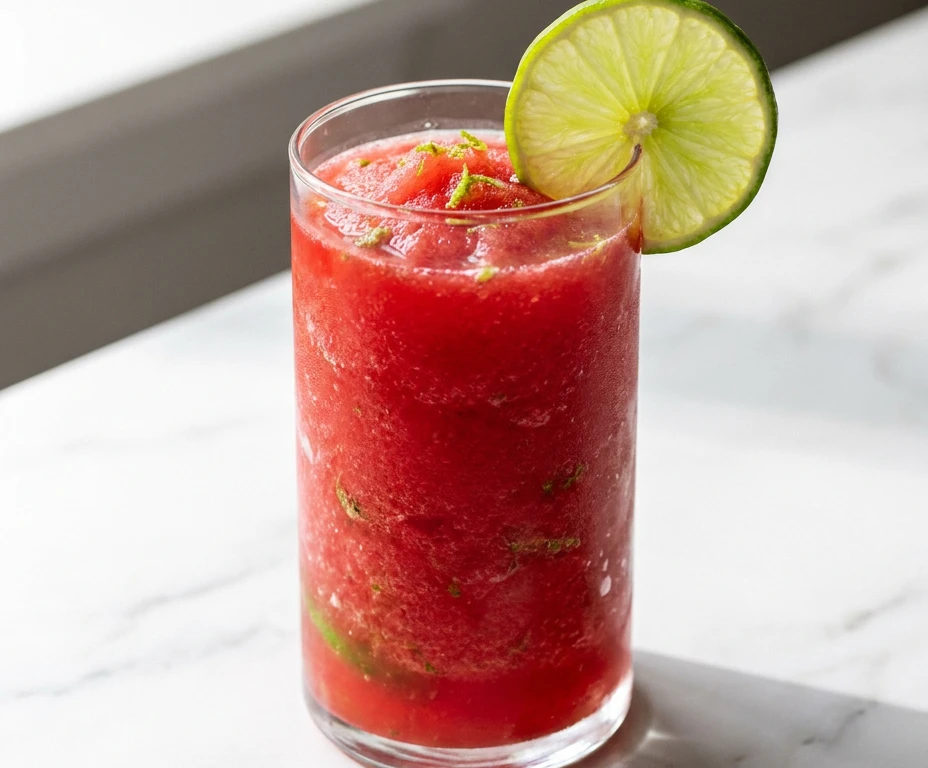
- 3Blend watermelon with lime juice and a touch of sweetener for a hydrating agua fresca or freeze the mixture in molds for healthy popsicles.
- 4Don't discard the rind; it can be pickled. Peel the tough green outer skin, and pickle the white part in a brine of vinegar, sugar, and spices.
STORAGE
Keep it fresh.
- Store a whole, uncut watermelon at room temperature for up to two weeks. Avoid extreme temperatures.
- Once cut, wrap the exposed surface tightly with plastic wrap or store in an airtight container in the refrigerator for up to 3-5 days.
FAQ
Frequently asked questions.
Is watermelon keto-friendly?
Watermelon is relatively high in natural sugars, containing about 7.55g of carbs per 100g. While it can be included in a keto diet in very small, strictly measured portions, it is generally considered a higher-carb fruit compared to berries.
How do you pick a ripe watermelon?
Look for a watermelon that feels heavy for its size and has a creamy yellow 'field spot' on the bottom, which indicates it ripened on the vine. A ripe melon should also produce a deep, hollow thud when tapped.
Can you eat watermelon seeds and rind?
Yes, both are edible and nutritious. The seeds are high in protein and minerals when roasted, while the rind is rich in the amino acid citrulline and can be pickled, juiced, or used in stir-fries.
How should you store watermelon?
Whole watermelons can be kept at room temperature for up to two weeks. Once cut, the fruit should be stored in an airtight container in the refrigerator and consumed within 3 to 5 days for optimal freshness.
Is watermelon good for hydration?
Watermelon is one of the best foods for hydration as it is composed of approximately 92% water. It also contains essential electrolytes like potassium, which help maintain fluid balance in the body.
What are the benefits of citrulline in watermelon?
Citrulline is an amino acid that helps improve blood flow and may reduce muscle soreness after intense exercise. It works by helping the body produce nitric oxide, which relaxes blood vessels.
Can you freeze watermelon?
You can freeze watermelon, but the texture will become soft and mushy once thawed. Frozen watermelon chunks are best used for smoothies, sorbets, or as refreshing ice cubes in beverages.
RECIPES
Cook with watermelon.
10 recipes · sorted by what’s quick