Dairy
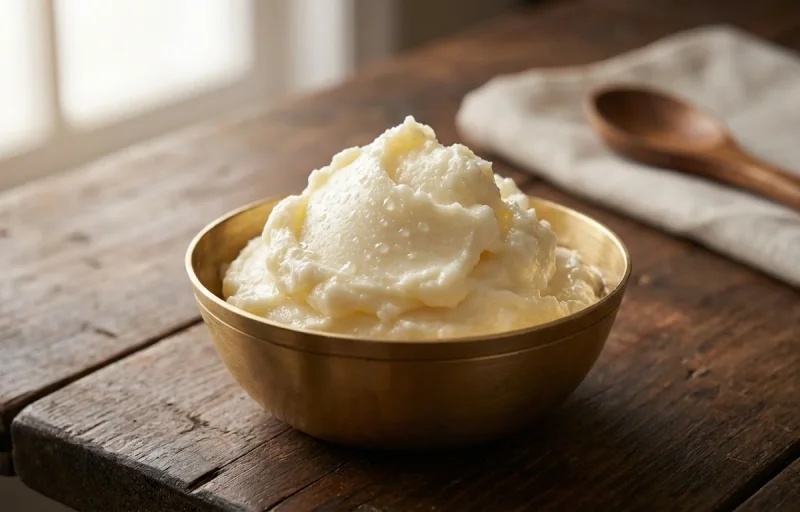
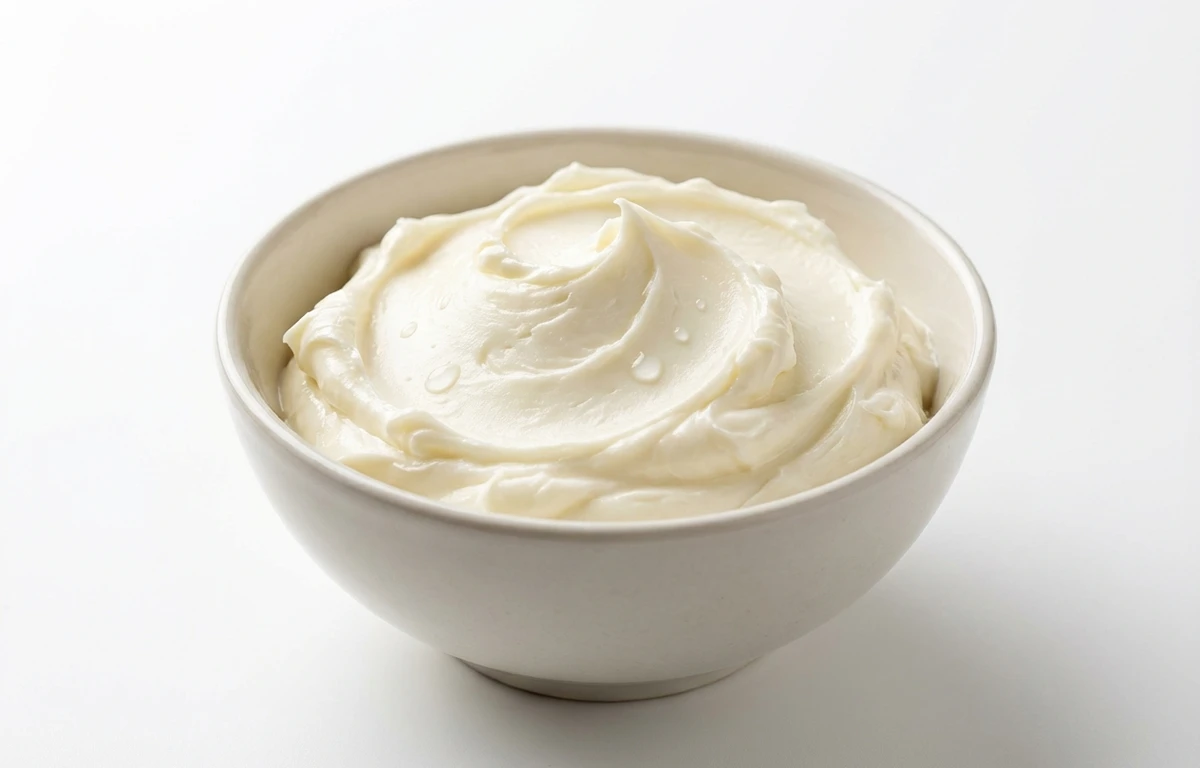
white butter.
VegetarianVeganGluten-freeDairy-freeNut-freePeanut-freeSoy-freeEgg-freeShellfish-freeHoney-freeAlcohol-free
ALSO KNOWN AS
makhanghar ka makhan
SERVING
CALORIES
717
PROTEIN
0.85g
CARBS
0.06g
FAT
81.1g
FIBER
0g
NUTRITION PROFILE · per 100 g
Everything in this ingredient.
MACRONUTRIENTS
Calories717kcal—
Protein0.85g2%
Carbohydrates0.06g0%
Fiber0g0%
Sugar0.06g0%
Total fat81.1g104%
Saturated fat51.4g257%
Cholesterol215mg72%
Water15.9g—
MINERALS
Sodium11mg0%
Potassium24mg1%
Calcium24mg2%
Iron0.02mg0%
Magnesium2.0mg0%
Phosphorus24mg2%
Zinc0.09mg1%
Copper0mg0%
Manganese0mg0%
Selenium1.0µg2%
VITAMINS
Vitamin A684µg76%
Vitamin C0mg0%
Vitamin D1.5µg8%
Vitamin E2.3mg15%
Vitamin K7.0µg6%
Thiamin (B1)0.01mg1%
Riboflavin (B2)0.03mg2%
Niacin (B3)0.04mg0%
Pantothenic acid (B5)0.05mg1%
Vitamin B60mg0%
Folate (B9)3.0µg1%
Vitamin B120.17µg7%
%DV based on a 2,000 cal diet. Source: USDA FoodData Central. A dash in the %DV column means there’s no established Daily Value for that nutrient.
MEASUREMENT CONVERSIONS
How much is what.
1 cup227g
1 tablespoon15g
1 teaspoon5g
1 ml0.9g
1 liter1000g
HEALTH BENEFITS
Why eat it.
- ✓Rich source of fat-soluble vitamins like A, E, and D, which support immune function, skin health, and bone density.
- ✓Contains butyrate, a short-chain fatty acid that may promote gut health and reduce inflammation in the digestive system.
- ✓Provides lecithin, a natural substance that aids in the metabolism and digestion of fats.
- ✓Being unsalted and less processed than commercial butter, it offers a purer form of healthy fats without added sodium or preservatives.
COOKING TIPS
In the kitchen.
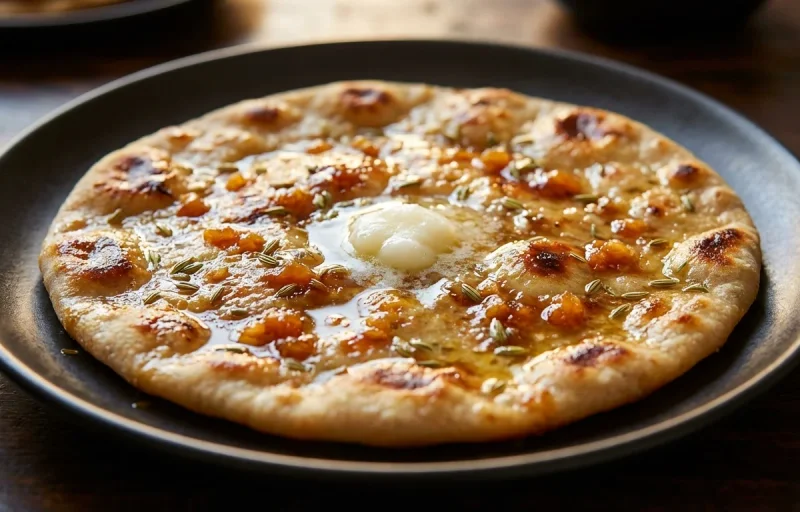
- 1Perfect for spreading on warm flatbreads like rotis or parathas to enjoy its fresh, creamy flavor.
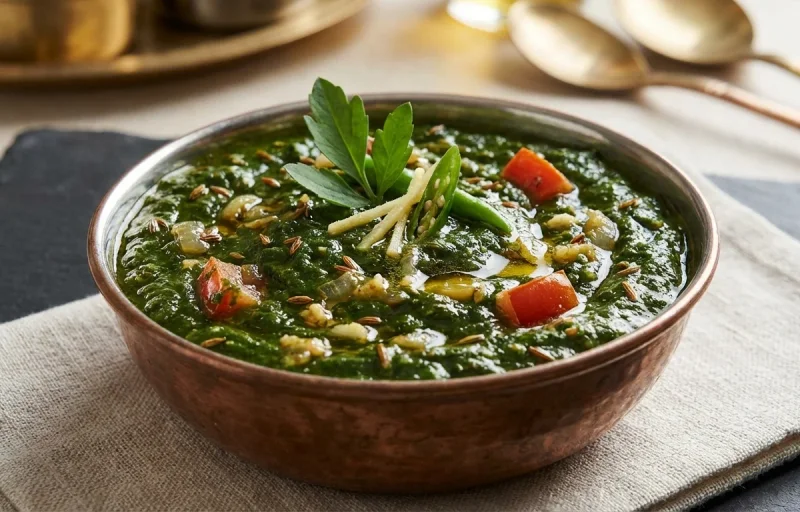
- 2Use as a finishing ingredient in dishes like dal makhani or other curries to add richness and a glossy sheen.
- 3Due to its higher water content, it has a lower smoke point than clarified butter (ghee). Use it for low-to-medium heat cooking or as a topping.
- 4Can be easily converted into homemade ghee by slowly heating it to separate the milk solids and water.
STORAGE
Keep it fresh.
- Store in an airtight container in the refrigerator at or below 4°C (40°F) and consume within 5-7 days for best freshness.
- For longer storage, freeze in small, well-wrapped portions for up to 3 months. Thaw in the refrigerator before use.
FAQ
Frequently asked questions.
Is white butter healthy?
Yes, in moderation. White butter is a rich source of fat-soluble vitamins A, D, and E, which support immune function and bone health. It also contains butyrate, a fatty acid that promotes gut health and helps reduce inflammation in the digestive tract.
How many calories and fat are in white butter?
White butter is calorie-dense, providing approximately 717 calories and 81.1g of fat per 100g. It contains negligible amounts of protein (0.85g) and carbohydrates (0.06g), making it a pure source of energy.
Is white butter better than commercial yellow butter?
White butter is generally less processed and typically contains no added salt, artificial colors, or preservatives. This makes it a 'cleaner' fat source compared to commercial yellow butter, which often contains high sodium levels and annatto for coloring.
Is white butter keto-friendly?
Yes, white butter is highly keto-friendly. Because it is almost entirely composed of fat with nearly zero carbohydrates, it is an ideal ingredient for those following a ketogenic or low-carb diet to meet their daily fat macros.
Is white butter vegan?
No, white butter is not vegan. It is a dairy product made by churning heavy cream or milk fat (malai). While it is suitable for vegetarians, it is not compatible with a plant-based or vegan lifestyle.
What does white butter taste like?
White butter has a very mild, creamy, and slightly sweet flavor. Unlike commercial salted butter, it lacks a salty bite, offering a fresh and neutral dairy taste that complements both savory flatbreads and sweet dishes.
How should I store white butter and how long does it last?
White butter should be stored in an airtight container in the refrigerator, where it will stay fresh for 1 to 2 weeks. For longer storage, it can be frozen for up to 6 months; however, it is best consumed fresh as it lacks preservatives.
Can I use white butter for high-heat cooking?
White butter has a lower smoke point than ghee or refined oils because it still contains milk solids and water. It is best used for low to medium-heat sautéing, topping hot foods, or as a base for making clarified ghee.
Can people with lactose intolerance eat white butter?
White butter contains very low levels of lactose because most of the milk solids are removed during churning. Many people with mild lactose intolerance can tolerate it, but those with severe allergies should be cautious as it is not 100% lactose-free.
What are the traditional uses for white butter?
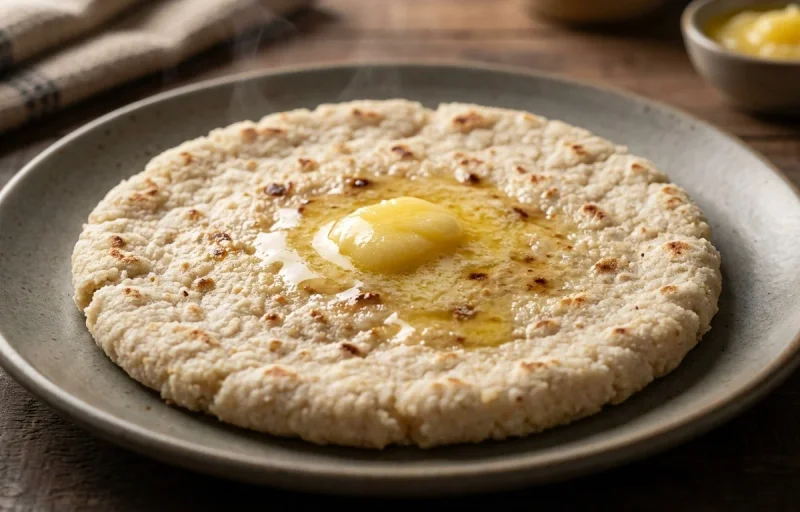
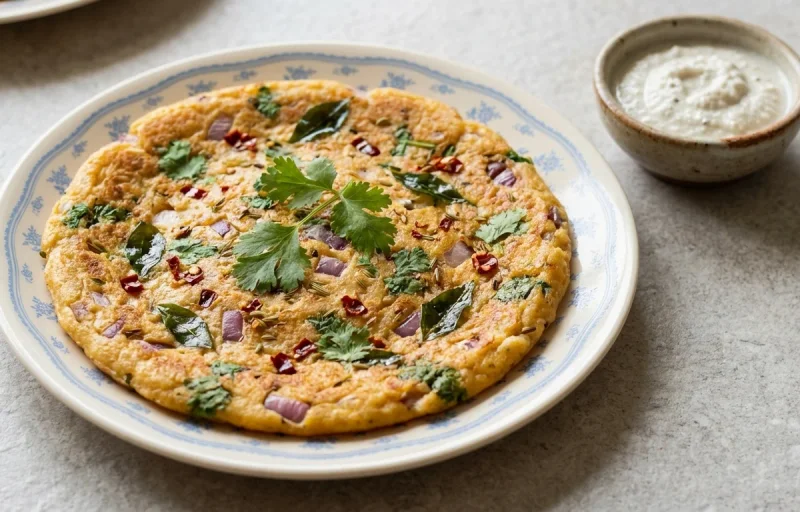
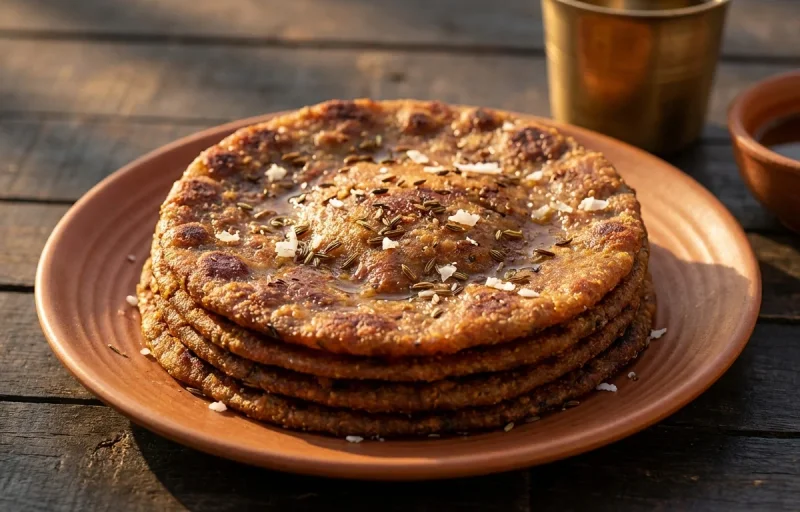
In many cultures, white butter is traditionally served as a dollop on hot parathas, thalipeeth, or corn bread (makki ki roti). It is also used as a primary ingredient for making homemade ghee or as a nutritious addition to a child's diet.
RECIPES
Cook with white butter.
0 recipes · sorted by what’s quick