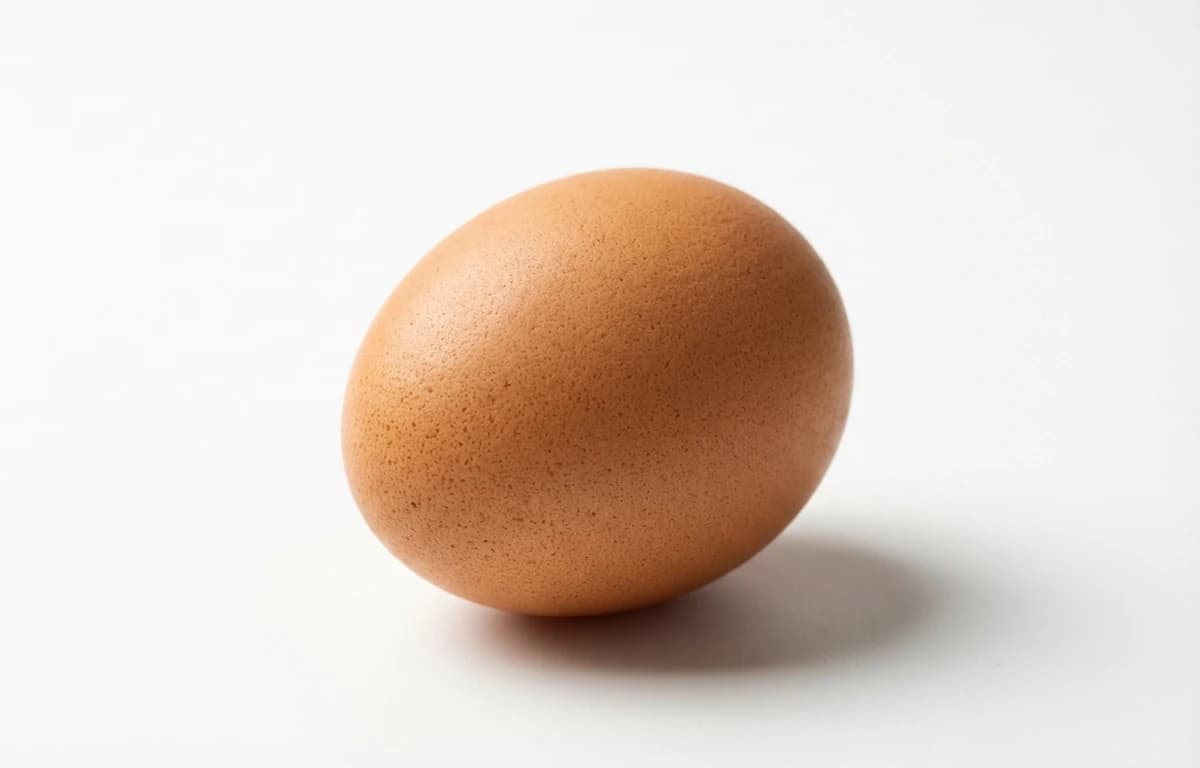
whole egg
Also known as:
Loading...
Also known as:
Per 100g
Nutrition data source: USDA FoodData Central
Common measurement equivalents in grams
A fluffy, flavorful cheese scramble designed for a kidney-friendly diet. Using a mix of a whole egg and whites with low-sodium Swiss cheese and fresh herbs, it's a satisfying breakfast that carefully manages key nutrients.

A quick and spicy Maharashtrian fried egg curry where whole eggs are fried until crispy and then simmered in a flavorful onion-tomato masala. Perfect for a weeknight dinner, ready in 30 minutes.

A tangy and spicy South Indian curry where whole eggs are gently poached in a tamarind and coconut-based gravy. This comforting dish from Tamil Nadu is a perfect partner for steamed rice.

A classic Hyderabadi curry where whole eggs are gently poached in a rich, spicy, and tangy onion gravy. This flavorful dish, known as 'egg in onion', is a comforting meal perfect with hot rotis or rice.
Yes, whole eggs are highly nutritious, providing high-quality complete protein and essential vitamins like D and B12. They contain choline for brain health and antioxidants like lutein and zeaxanthin, which support eye health and may reduce the risk of cataracts.
A single large egg contains about 6 to 7 grams of protein. On a per-weight basis, 100g of whole egg provides approximately 12.6g of protein, making it an excellent source for muscle building and repair.
Yes, eggs are an ideal food for the ketogenic diet because they are very low in carbohydrates, containing only 0.7g per 100g. Their high fat and protein content helps maintain ketosis while providing essential micronutrients.
No, eggs are not vegan because they are an animal byproduct produced by poultry. However, they are considered vegetarian (specifically ovo-vegetarian) and are a primary protein source for many who do not eat meat.
When stored in their original carton in the coldest part of the fridge, eggs typically last 3 to 5 weeks. Avoid storing them in the refrigerator door, as the frequent temperature changes can cause them to spoil faster.
You can perform the 'float test' by placing the egg in a bowl of water. Fresh eggs sink and lay flat on the bottom, while older eggs stand upright or float due to the air cell inside expanding over time.
While egg whites contain the majority of the protein, the yolk contains almost all the vitamins, minerals, and healthy fats. Eating the whole egg ensures you get the choline for brain health and the antioxidants needed for eye health.
whole egg is a versatile ingredient found in cuisines around the world. With 143 calories per 100g and 12.6 grams of protein, it's a nutritious addition to many dishes.
Explore more ingredients in the egg category with complete nutrition information.
View all egg →Yes, eggs are excellent for weight loss because they are nutrient-dense and high in protein, which promotes a feeling of fullness and reduces overall calorie intake. At 143 calories per 100g, they are a satisfying and low-calorie meal option.
To minimize the risk of Salmonella, eggs should be cooked until both the white and yolk are firm. Common safe preparation methods include boiling, poaching, scrambling, or frying, which also helps make the protein more digestible.
You cannot freeze eggs in their shells as they will crack. To freeze them, crack the eggs into a bowl, beat them until just blended, and store them in a sealed container for up to one year.