
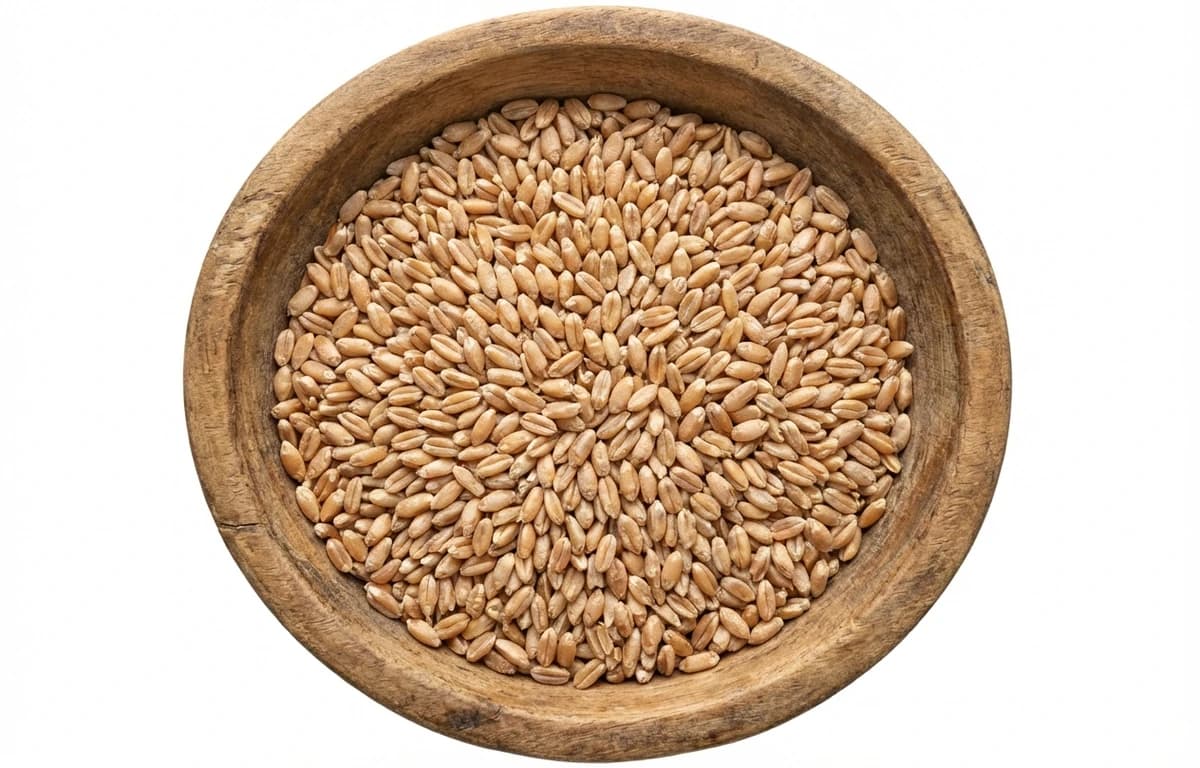
whole wheat
Also known as: wheat berries, whole wheat kernels, gehun
Loading...
Also known as: wheat berries, whole wheat kernels, gehun
Per 100g
Nutrition data source: USDA FoodData Central
Common measurement equivalents in grams
A vibrant and hearty pasta dish packed with fresh, colorful vegetables and tossed in a simple tomato-herb sauce. Made with whole wheat pasta for extra fiber, it's a wholesome and satisfying side that comes together in under 30 minutes.
A delicious and wholesome pizza made from scratch with a whole wheat crust, a fresh tomato-basil sauce, and a colorful mix of vegetable toppings. This low-sodium version is packed with flavor from herbs, not salt, making it a healthier choice for pizza night.
A comforting bowl of whole wheat pasta tossed in a rustic, spiced tomato mash. This simple Indian-style fusion dish is hearty, flavorful, and comes together in under 30 minutes for a satisfying weeknight meal.
A wholesome breakfast treat featuring whole wheat bread dipped in a fragrant egg batter, pan-fried to golden perfection. Topped with fresh, sweet strawberries and bananas for a delightful start to your day.
A wholesome homemade pizza with a crispy yet soft whole wheat crust, tangy tomato sauce, and a colorful mix of fresh vegetables. A healthier take on a family favorite that's perfect for a weekend dinner.
When stored in a cool, dry place in an airtight container, they can last for 6 months to a year. If frozen, they can last up to 2 years.
Yes, it is recommended to rinse them thoroughly in a fine-mesh sieve under cold water to remove dust or debris.
Spelt berries, farro, or kamut are the best substitutes as they have a similar chewy texture and nutty flavor.
No, whole wheat contains gluten and is not suitable for individuals with Celiac disease or gluten sensitivity.
Check for a musty or sour smell, visible mold, or the presence of small insects (weevils).
The standard ratio is 3 cups of water for every 1 cup of wheat berries.
It is not recommended to eat them raw as they are very hard and difficult to digest; they should be cooked or sprouted first.
They are commonly used in grain salads, added to soups and stews for texture, or ground into fresh whole wheat flour.
whole wheat is a versatile ingredient found in cuisines around the world. With 339 calories per 100g and 13.2 grams of protein, it's a nutritious addition to many dishes.
Explore more ingredients in the grain category with complete nutrition information.
View all grain →Discover 0 recipes featuring whole wheat with step-by-step instructions.
Browse recipes →