Other10 recipes
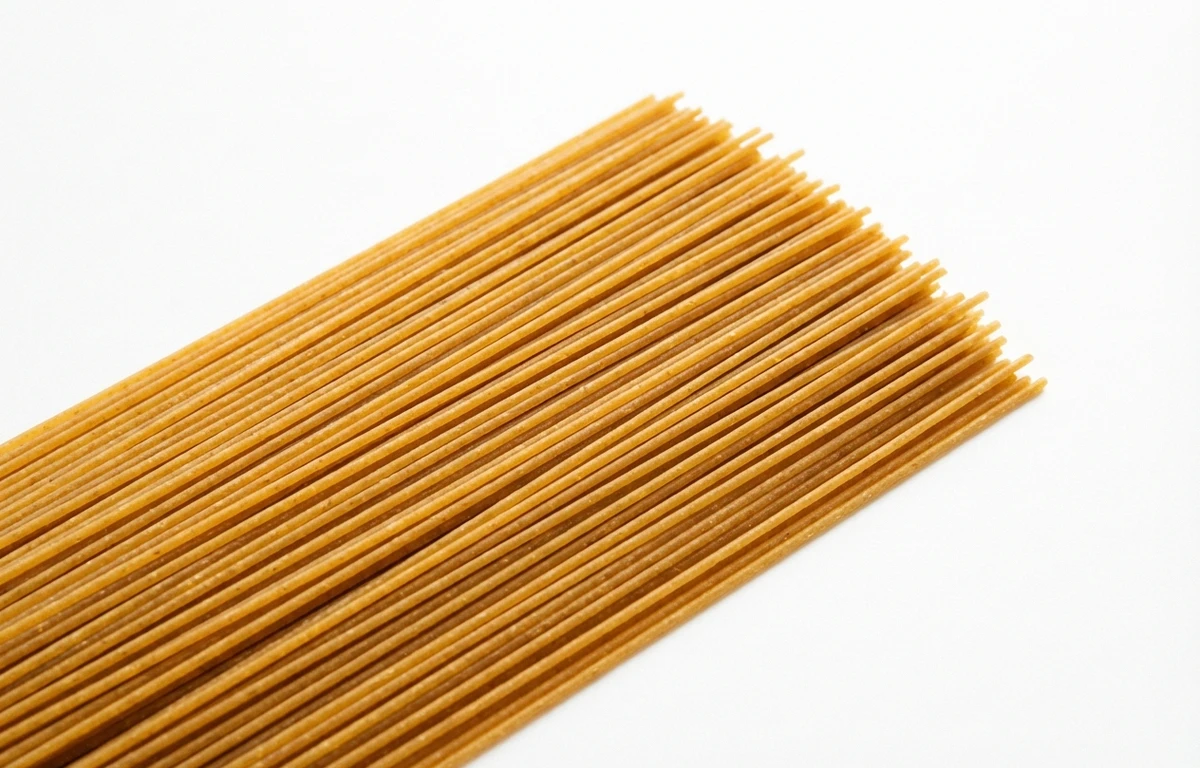
whole wheat spaghetti.
VegetarianVeganGluten-freeDairy-freeNut-freePeanut-freeSoy-freeEgg-freeShellfish-freeHoney-freeAlcohol-freeWhole grain
ALSO KNOWN AS
brown spaghettiwholemeal spaghetti
SERVING
CALORIES
124
PROTEIN
5.2g
CARBS
25.5g
FAT
0.90g
FIBER
3.5g
Per 100 g, it provides 1.0 µg of vitamin K.
NUTRITION PROFILE · per 100 g
Everything in this ingredient.
MACRONUTRIENTS
Calories124kcal—
Protein5.2g10%
Carbohydrates25.5g9%
Fiber3.5g13%
Sugar0.60g1%
Total fat0.90g1%
Saturated fat0.10g1%
Trans fat0g—
Cholesterol0mg0%
Water67.5g—
MINERALS
Sodium3.0mg0%
Potassium120mg3%
Calcium15mg1%
Iron1.0mg6%
Magnesium40mg10%
Phosphorus110mg9%
Zinc1.0mg9%
VITAMINS
Vitamin A0µg0%
Vitamin C0mg0%
Vitamin D0µg0%
Vitamin K1.0µg1%
Thiamin (B1)2.0mg167%
Riboflavin (B2)0.05mg4%
Niacin (B3)1.5mg9%
Vitamin B60.10mg6%
%DV based on a 2,000 cal diet. Source: USDA FoodData Central. A dash in the %DV column means there’s no established Daily Value for that nutrient.
MEASUREMENT CONVERSIONS
How much is what.
1 cup140g
1 oz28.4g
1 lb453.6g
HEALTH BENEFITS
Why eat it.
- ✓Provides complex carbohydrates for sustained energy release, making it a good choice for athletes.
COOKING TIPS
In the kitchen.
- 1Use a large pot with ample salted boiling water (at least 4 quarts per pound) to prevent the spaghetti from clumping.
- 2Whole wheat spaghetti typically requires a longer cooking time than refined pasta. Test for 'al dente' (firm to the bite) consistency.
- 3Its robust, nutty flavor pairs well with hearty sauces like bolognese, pesto, or sauces with roasted vegetables and strong cheeses.
- 4Reserve a cup of the starchy cooking water before draining. It can be added to your sauce to help it emulsify and cling to the pasta.
STORAGE
Keep it fresh.
- Store dry, uncooked whole wheat spaghetti in a cool, dark, dry place like a pantry. An airtight container is ideal to protect from moisture and pests.
- Cooked spaghetti should be refrigerated in an airtight container and consumed within 3-5 days.
FAQ
Frequently asked questions.
How many calories and carbs are in whole wheat spaghetti?
A 100g serving of cooked whole wheat spaghetti contains approximately 124 calories and 25.5g of carbohydrates. It also provides 5.2g of protein and is very low in fat, containing only about 0.9g per serving.
Is whole wheat spaghetti vegan?
Most dry whole wheat spaghetti is vegan as it is typically made from only two ingredients: whole wheat flour and water. However, you should always check the label for fresh varieties, as they may occasionally contain eggs.
How do you cook whole wheat spaghetti so it isn't chewy?
Boil it in a large pot of salted water for 7 to 10 minutes until it reaches an 'al dente' texture. Because it is denser than white pasta, it is important to test it frequently toward the end of the cooking time to ensure it is tender but still firm.
What does whole wheat spaghetti taste like?
It has a distinctively nutty, earthy flavor and a slightly grainier, firmer texture compared to traditional white pasta. Its robust flavor profile makes it an excellent match for hearty sauces like marinara, pesto, or meat-based ragus.
How long does dry whole wheat spaghetti last?
When stored in a cool, dry place in an airtight container, dry whole wheat spaghetti can last for up to 1 year. While it may remain safe to eat after this period, the quality and texture may begin to degrade over time.
RECIPES
Cook with whole wheat spaghetti.
10 recipes · sorted by what’s quick