Condiment10 recipes
yellow mustard.
VegetarianVeganGluten-freeDairy-freeNut-freePeanut-freeSoy-freeEgg-freeShellfish-freeHoney-freeAlcohol-free
ALSO KNOWN AS
American mustardhot dog mustardprepared mustardyellow mustardmustard
SERVING
CALORIES
87
PROTEIN
4.7g
CARBS
8.7g
FAT
3.7g
FIBER
3.2g
NUTRITION PROFILE · per 100 g
Everything in this ingredient.
MACRONUTRIENTS
Calories86.9kcal—
Protein4.7g9%
Carbohydrates8.7g3%
Fiber3.2g11%
Sugar3.9g8%
Total fat3.7g5%
Saturated fat0.20g1%
Trans fat0g—
Cholesterol0mg0%
Water80.5g—
MINERALS
Sodium1170mg51%
Potassium140mg3%
Calcium53mg4%
Iron1.5mg8%
Magnesium2.4mg1%
Phosphorus5.4mg0%
Zinc0.03mg0%
Copper0mg0%
Manganese0.02mg1%
Selenium1.7µg3%
VITAMINS
Vitamin A0µg0%
Vitamin C1.5mg2%
Vitamin D0µg0%
Vitamin E0.02mg0%
Vitamin K1.0µg1%
Thiamin (B1)0.01mg1%
Riboflavin (B2)0mg0%
Niacin (B3)0.03mg0%
Pantothenic acid (B5)0.01mg0%
Vitamin B60mg0%
Folate (B9)0.35µg0%
Vitamin B120µg0%
%DV based on a 2,000 cal diet. Source: USDA FoodData Central. A dash in the %DV column means there’s no established Daily Value for that nutrient.
MEASUREMENT CONVERSIONS
How much is what.
1 cup249g
1 tablespoon17g
1 teaspoon5.7g
1 ml1.1g
1 liter1133.3g
1 piece50g
HEALTH BENEFITS
Why eat it.
- ✓Low in calories, fat, and cholesterol, making it a healthier condiment choice.
- ✓Mustard seeds contain selenium and magnesium, which have anti-inflammatory properties.
- ✓Contains compounds called glucosinolates, which may have protective effects against certain types of cancer.
- ✓The turmeric used for color is a source of curcumin, a powerful antioxidant.
COOKING TIPS
In the kitchen.
- 1Use as an emulsifier to stabilize vinaigrettes and homemade mayonnaise, preventing the oil and vinegar from separating.
- 2Add a small amount to cheese sauces or macaroni and cheese to sharpen the flavor and add depth without an overpowering mustard taste.
- 3Brush onto meats like pork chops or chicken before roasting or grilling to create a tangy, flavorful crust.
- 4Whisk into potato salad, egg salad, or coleslaw dressings for a classic tangy flavor.
STORAGE
Keep it fresh.
- Store unopened yellow mustard in a cool, dark place like a pantry for up to two years.
- After opening, refrigerate the mustard with the cap tightly sealed. It will maintain best quality for up to one year.
FAQ
Frequently asked questions.
Is yellow mustard healthy?
Yes, yellow mustard is a very healthy condiment choice because it is naturally low in calories, fat, and cholesterol. It contains beneficial minerals like selenium and magnesium, which have anti-inflammatory properties, and is often free of the added sugars found in ketchup or BBQ sauce.
How many calories and carbs are in yellow mustard?
Yellow mustard contains approximately 66 calories and 8.7g of carbohydrates per 100g. Since a standard serving size is only about one teaspoon, it contributes negligible calories and carbs to your meal, making it ideal for most diets.
What are the primary health benefits of yellow mustard?
Yellow mustard contains glucosinolates, which may provide protective effects against certain cancers. Additionally, the turmeric used for its bright color provides curcumin, a powerful antioxidant that supports overall health and reduces inflammation.
Is yellow mustard vegan and gluten-free?
Most commercial yellow mustards are both vegan and gluten-free, as they are made from mustard seeds, vinegar, water, and spices. However, individuals with celiac disease should always check the label to ensure no gluten-containing thickeners or cross-contamination occurred during processing.
Is yellow mustard keto-friendly?
Yes, yellow mustard is highly keto-friendly. With less than 1 gram of net carbs per serving and no added sugar, it is one of the best condiments to use for those following a ketogenic or low-carb lifestyle.
What does yellow mustard taste like?
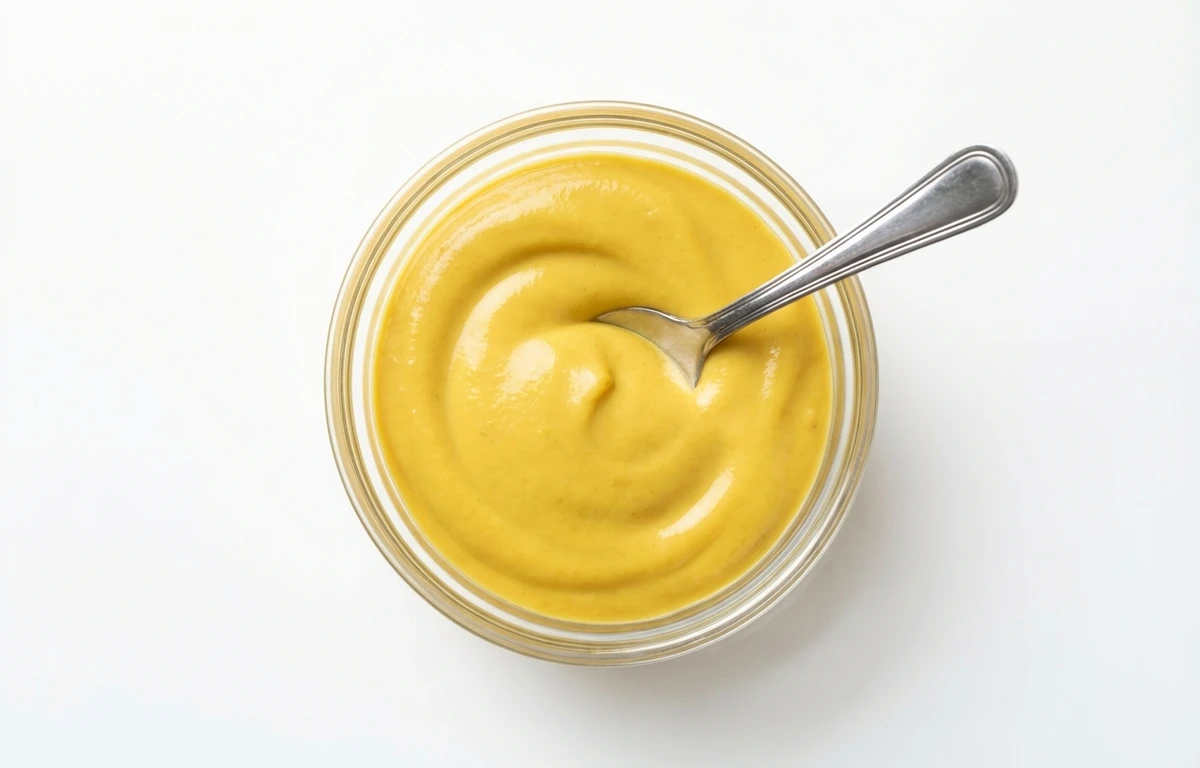
Yellow mustard has a bright, tangy, and slightly pungent flavor with a very mild heat. Its sharp tartness comes from a high vinegar content, which distinguishes it from the creamier or spicier profiles of Dijon or brown mustards.
How should I store yellow mustard and how long does it last?
Unopened mustard can be stored in a cool, dry pantry. Once opened, it should be refrigerated to maintain its flavor and pungency; it typically remains high quality for 12 to 18 months in the fridge.
Why is yellow mustard so bright yellow?
The vibrant color of yellow mustard is not synthetic; it comes from the addition of ground turmeric. Turmeric is added both for its earthy flavor and its intense pigment, which also provides antioxidant benefits.
Can I use yellow mustard as a substitute for Dijon mustard?
Yes, you can substitute yellow mustard for Dijon, but the flavor will be more tart and less spicy. Because yellow mustard is more liquid and acidic, it works best as a substitute in dressings, marinades, and sauces rather than as a standalone crust for meats.
Does yellow mustard go bad?
Yellow mustard has a very long shelf life due to its high acidity, which prevents bacterial growth. While it rarely spoils to the point of being unsafe, it will eventually lose its flavor, darken in color, or separate, indicating it is time to replace it.
RECIPES
Cook with yellow mustard.
10 recipes · sorted by what’s quick