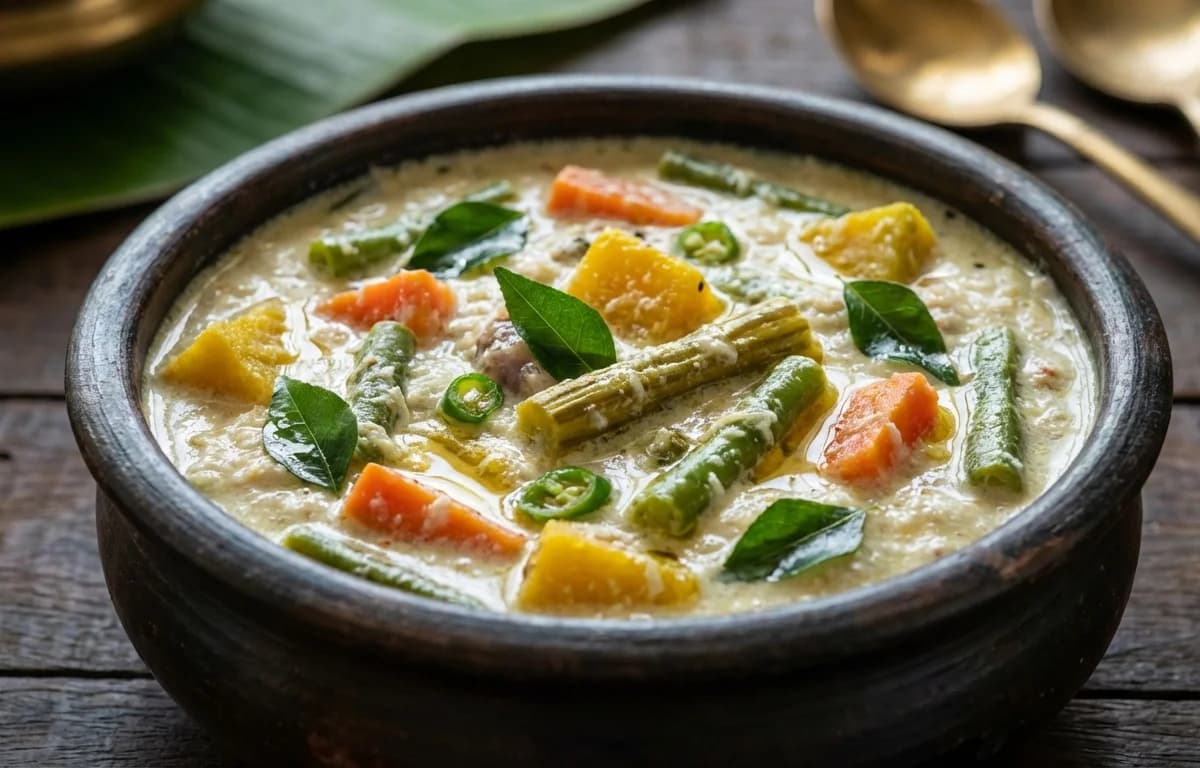
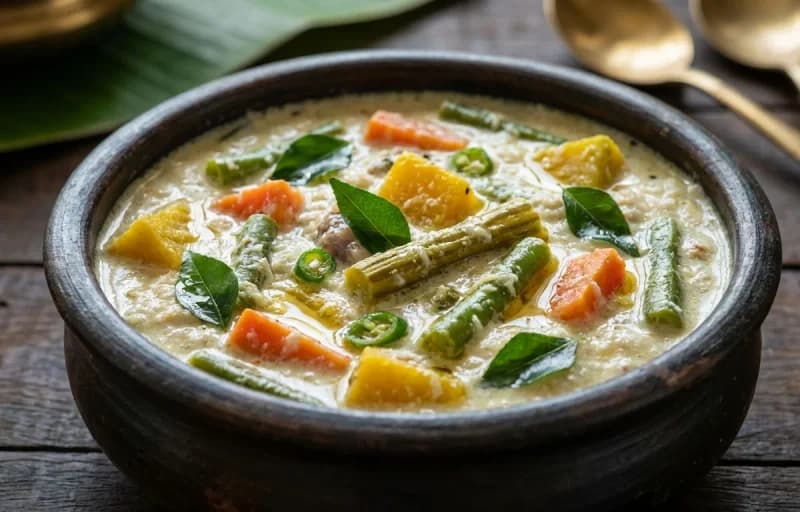
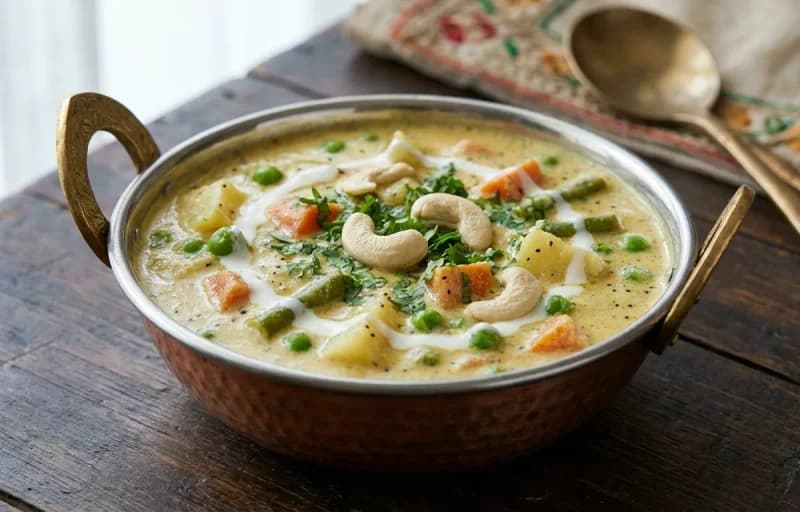
A traditional Kerala delight, Avial is a thick stew of mixed vegetables cooked in a creamy coconut and tangy yogurt sauce. Finished with a drizzle of coconut oil, it's a star dish in any South Indian feast.
Prep25 min
Cook25 min
Servings4
Serving size: 1 serving
219cal
4gprotein
28gcarbs
12gfat
Ingredients
100 g Elephant Foot Yam (Peeled and cut into 2-inch batons)
1 medium Raw Banana (Peeled and cut into 2-inch batons)
1 pc Drumstick (Cut into 2-inch pieces)
1 medium Carrot (Peeled and cut into 2-inch batons)
75 g French Beans (Trimmed and cut into 2-inch pieces)
100 g Ash Gourd (Peeled and cut into 2-inch batons)
1 cup Grated Coconut (Freshly grated and tightly packed)
3 pc Green Chili (Adjust to your spice preference)
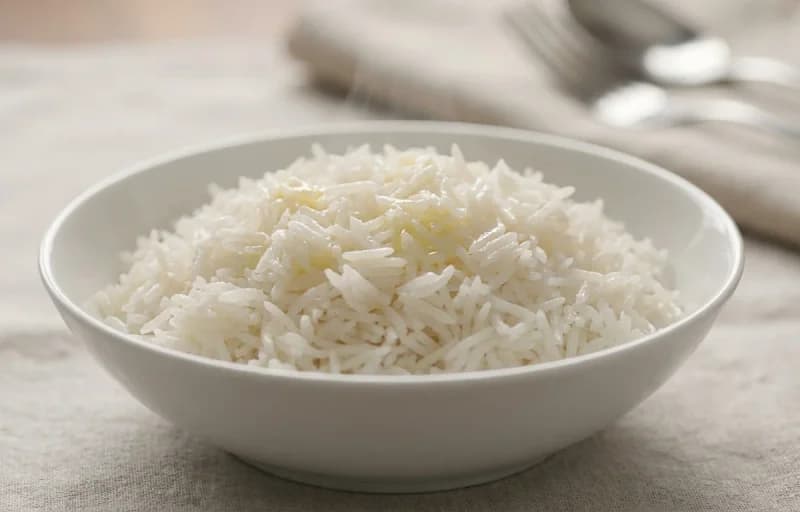
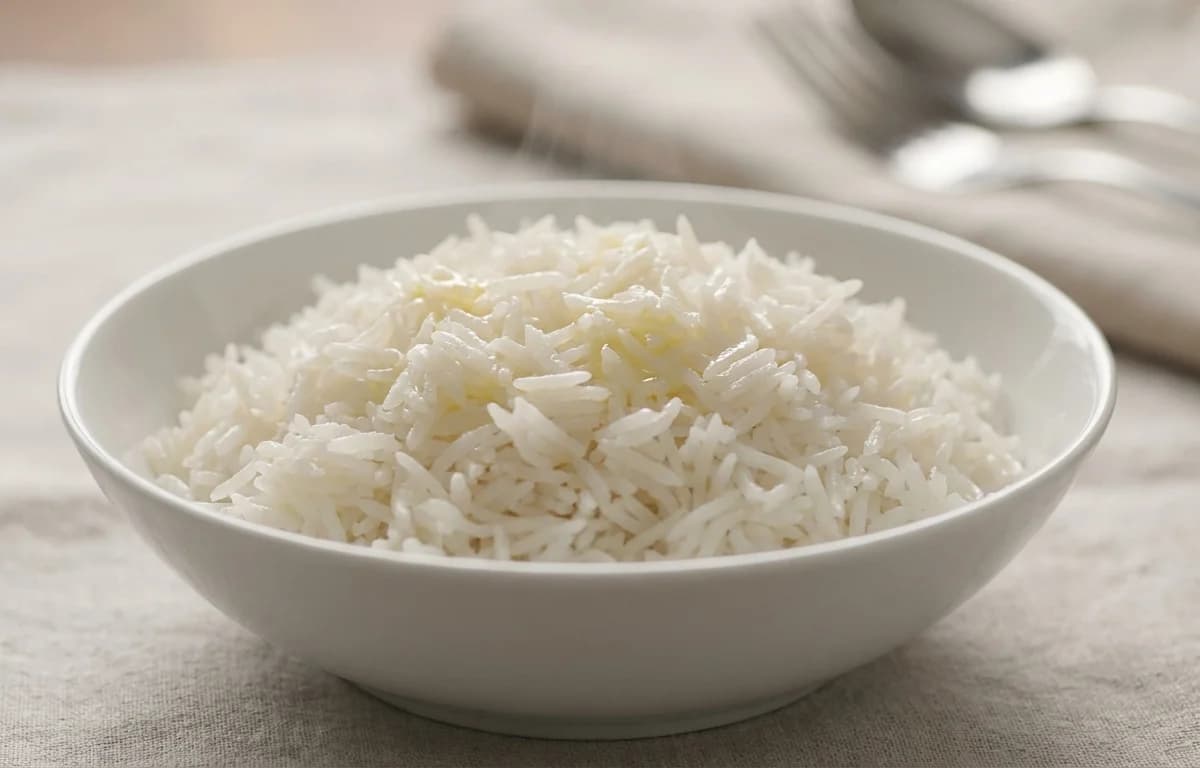
Perfectly fluffy, long-grained basmati rice with a delicate aroma. This simple, foolproof recipe gives you separate, non-sticky grains every time, making it the perfect base for any curry or dal.
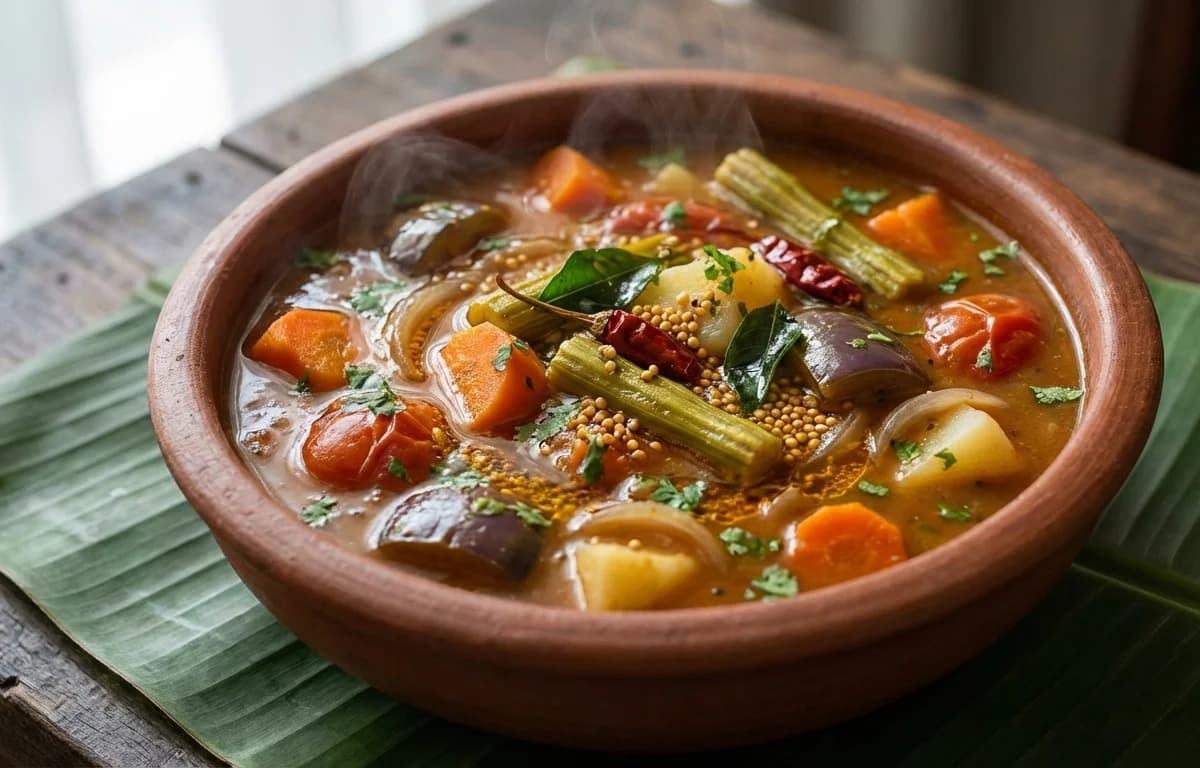
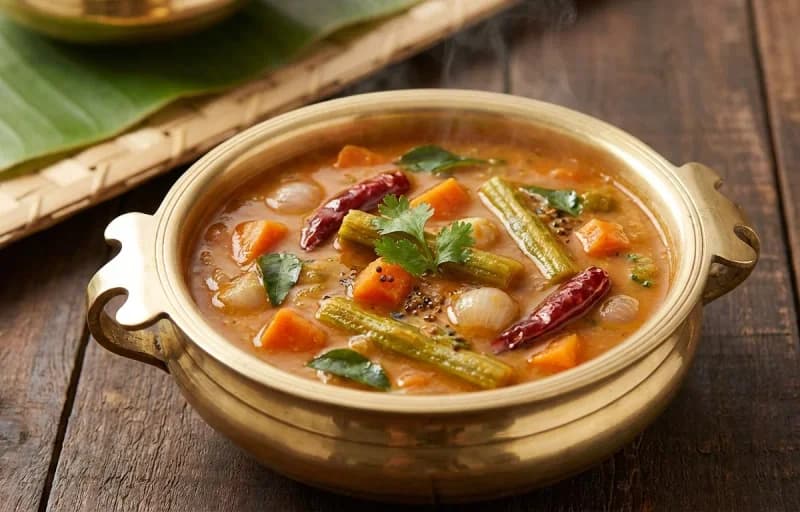
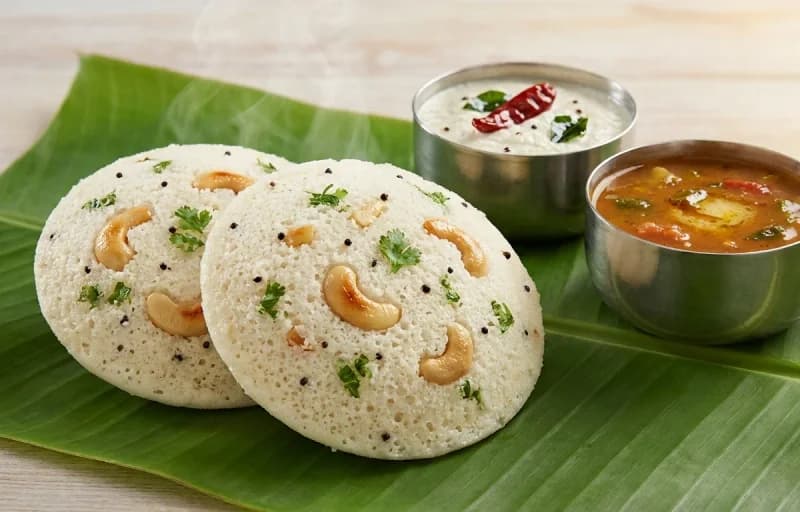
A hearty South Indian stew made with lentils, mixed vegetables, and a special blend of spices. This tangy and flavorful sambar is the perfect accompaniment for rice, idli, or dosa.
About Avial, Steamed Basmati Rice and Vegetable Sambar
Creamy, fiber-rich Avial with tangy Sambar and rice - a soul-satisfying South Indian delight!
This south_indian dish is perfect for lunch. With 812.6499999999999 calories and 22.71g of protein per serving, it's a nutritious choice for your meal plan.
1 tsp
Cumin Seeds
0.5 tsp Turmeric Powder
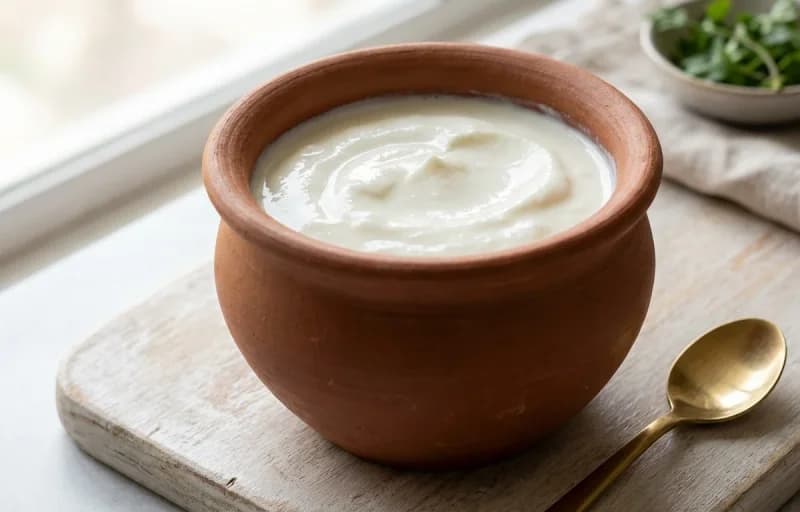
0.5 cup Curd (Slightly sour, whisked well)
1 sprig Curry Leaves (About 10-12 fresh leaves)
1 tbsp Virgin Coconut Oil (For drizzling at the end)
1 tsp Salt (Adjust to taste)
0.5 cup Water (For cooking vegetables)
Instructions
1
Prepare the Coconut Paste
In a blender or mixie jar, combine the fresh grated coconut, green chilies, and cumin seeds.
Pulse 3-4 times without adding any water to create a coarse, crumbly mixture. Avoid grinding it into a smooth paste. Set this aside.
2
Cook Vegetables in Stages (15-18 minutes)
In a heavy-bottomed pot or kadai, place the harder vegetables: yam and drumstick.
Add 1/2 cup of water, turmeric powder, and salt. Cover and cook on medium heat for about 7-8 minutes until they are partially cooked.
Next, add the semi-hard vegetables: carrot, raw banana, and beans. Stir gently, cover, and continue to cook for another 5-6 minutes.
Finally, add the softest vegetable, ash gourd. Mix gently, cover, and cook for 3-4 minutes until all vegetables are tender but still hold their shape and have a slight bite.
3
Combine with Coconut Paste (2-3 minutes)
Add the prepared coarse coconut paste to the cooked vegetables.
Gently mix until the vegetables are evenly coated. Ensure there is minimal water left in the pot.
Cook on low heat for 2-3 minutes, allowing the raw flavor of the coconut to dissipate and the flavors to meld.
4
Add Yogurt and Finishing Touches (10-15 minutes resting)
Turn off the heat completely. Let the pot cool for 1-2 minutes. This is a crucial step to prevent the yogurt from curdling.
Pour in the well-whisked curd and mix gently until everything is well combined.
Drizzle the virgin coconut oil over the top and scatter the fresh curry leaves.
Immediately cover the pot with a lid and let it rest for at least 10-15 minutes. This allows the final aromas to infuse deeply into the dish. Do not stir after adding oil and leaves until ready to serve.
5
Serve
After the resting period, give the Avial one final gentle stir.
Serve warm as a key component of a Sadya (traditional feast) or as a side dish with steamed rice and sambar.
Servings
4
Serving size: 1 serving
262cal
5gprotein
55gcarbs
1gfat
Ingredients
1.5 cup Basmati Rice (Use good quality, aged basmati rice for best results)
2.25 cup Water (For the absorption cooking method)
0.75 tsp Salt (Adjust to taste)
1 tsp Ghee (Optional, for flavor and to prevent sticking)
Instructions
1
Rinse and Soak the Rice (35 minutes)
Place the basmati rice in a large bowl. Add cold water and gently swirl the rice with your fingers. Drain the cloudy water. Repeat this process 3-4 times until the water runs mostly clear. This removes excess starch and prevents stickiness.
Cover the rinsed rice with fresh water and let it soak for 30 minutes. Soaking allows the grains to absorb water, ensuring they cook evenly and elongate beautifully.
After 30 minutes, drain the rice completely using a fine-mesh sieve and set aside.
2
Cook the Rice (15 minutes)
In a medium, heavy-bottomed saucepan with a tight-fitting lid, combine the drained rice, 2.25 cups of fresh water, salt, and ghee (if using).
Bring the mixture to a rolling boil over medium-high heat, uncovered.
As soon as it boils, give it one gentle stir, then immediately reduce the heat to the lowest possible setting. Cover the saucepan tightly with the lid.
Let the rice simmer for 12-15 minutes, or until all the water has been absorbed. Do not lift the lid during this time to prevent steam from escaping.
3
Rest and Fluff (10 minutes)
Turn off the heat but leave the saucepan on the stove, still covered. Let the rice rest and steam for 10 minutes. This step is crucial for finishing the cooking process and achieving a perfect texture.
After resting, remove the lid. Use a fork to gently fluff the rice, separating the long, delicate grains.
Serve hot as a perfect accompaniment to curries, dals, or grilled dishes.
5 cup Water (divided, adjust for desired consistency)
1 pc Drumstick (cut into 2-inch pieces)
1 medium Carrot (peeled and cubed)
0.5 cup Pumpkin (peeled and cubed)
0.5 cup Green Beans (trimmed and cut into 1-inch pieces)
0.75 cup Pearl Onions (peeled)
2 medium Tomato (chopped)
2 pcs Green Chili (slit lengthwise)
1.5 tbsp Tamarind Paste (dissolved in 1/2 cup warm water)
3 tbsp Sambar Powder (use a good quality brand)
1.5 tsp Salt (or to taste)
1 tsp Jaggery (powdered, optional but recommended)
2 tbsp Sesame Oil (also known as gingelly oil)
1 tsp Mustard Seeds
0.5 tsp Urad Dal
0.25 tsp Fenugreek Seeds
2 pcs Dried Red Chili (broken in half)
0.25 tsp Hing (asafoetida)
1 sprig Curry Leaves
2 tbsp Coriander Leaves (freshly chopped, for garnish)
Instructions
1
Pressure Cook the Dal
Place the rinsed toor dal in a pressure cooker. Add 2.5 cups of water and 1/2 teaspoon of turmeric powder.
Secure the lid and pressure cook on medium heat for 4-5 whistles, or approximately 15 minutes, until the dal is completely soft and mushy.
Allow the pressure to release naturally. Open the cooker and whisk the dal vigorously until it is smooth and creamy. Set aside.
2
Cook the Vegetables
In a large, heavy-bottomed pot, add 2 cups of water and bring to a boil.
Add the harder vegetables: drumsticks, carrots, and green beans. Cook for 5-6 minutes.
Add the softer vegetables: pearl onions, pumpkin, and chopped tomatoes. Cook for another 5-7 minutes until all vegetables are tender but still hold their shape.
3
Combine and Simmer
Pour the cooked, mashed dal into the pot with the vegetables. Stir to combine.
Add the tamarind water (paste dissolved in 1/2 cup warm water), sambar powder, salt, and jaggery. Mix well.
Add the slit green chilies. Bring the mixture to a gentle boil.
Reduce the heat to low and let the sambar simmer for 8-10 minutes, allowing the flavors to meld together. Adjust water if the consistency is too thick.
4
Prepare the Tempering (Tadka)
In a small pan (tadka pan), heat the sesame oil over medium heat.
Once hot, add the mustard seeds and wait for them to splutter completely.
Add the urad dal and fenugreek seeds. Sauté for 30 seconds until the urad dal turns light golden. Be careful not to burn the fenugreek seeds.
Add the broken dried red chilies, curry leaves, and hing. Sauté for another 15-20 seconds until the curry leaves are crisp and aromatic.
5
Finish and Serve
Immediately pour the hot tempering over the simmering sambar. You should hear a satisfying sizzle.
Stir gently to incorporate the tempering. Garnish with freshly chopped coriander leaves.
Turn off the heat and let the sambar rest for at least 10-15 minutes before serving. This helps the flavors deepen.