A light and savory Bengali breakfast made with flattened rice, potatoes, and peanuts. This quick and easy pulao is a delightful mix of sweet, tangy, and savory flavors, perfect for a wholesome start to your day.
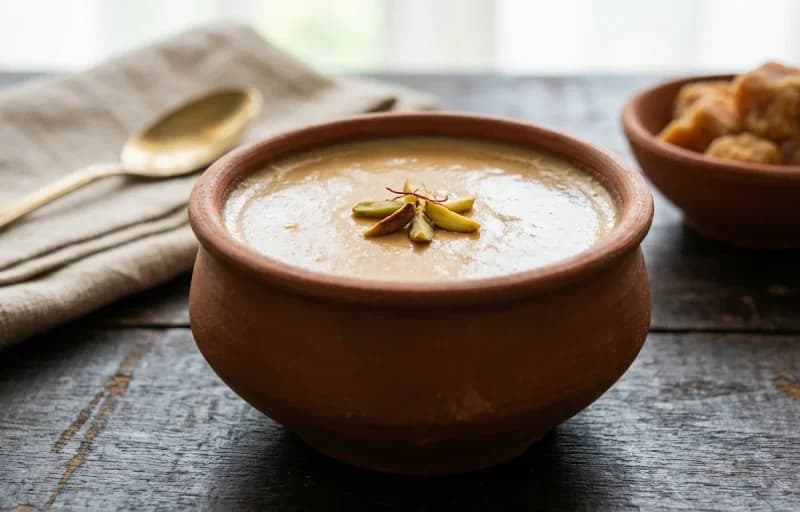
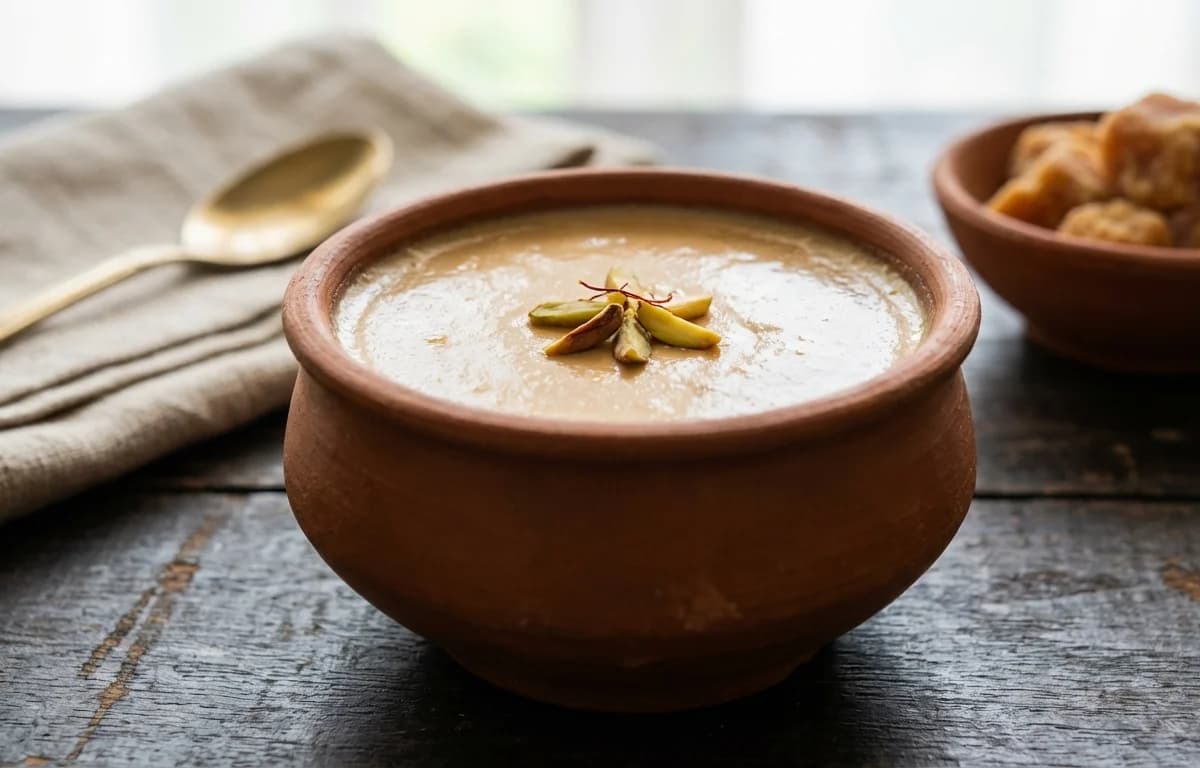
A classic Bengali dessert, this sweet yogurt has a beautiful caramel color and a rich, creamy texture. It's made by reducing milk, sweetening it with caramelized sugar, and allowing it to set naturally. A truly delightful and authentic treat that requires patience but rewards with incredible flavor.
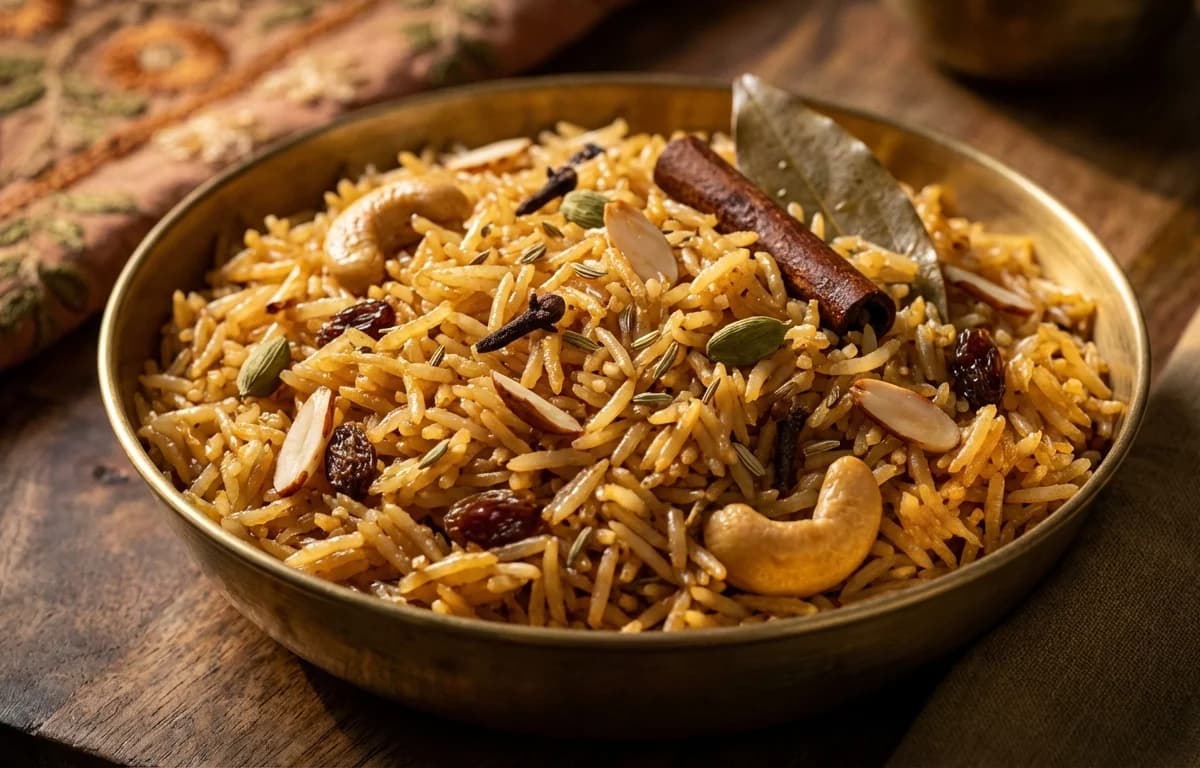
A traditional Punjabi sweet rice dish made with fragrant basmati rice, rich jaggery, and aromatic whole spices. This comforting dessert is perfect for festive occasions or a cozy winter evening. Note: This recipe requires 30 minutes of passive soaking time for the rice.
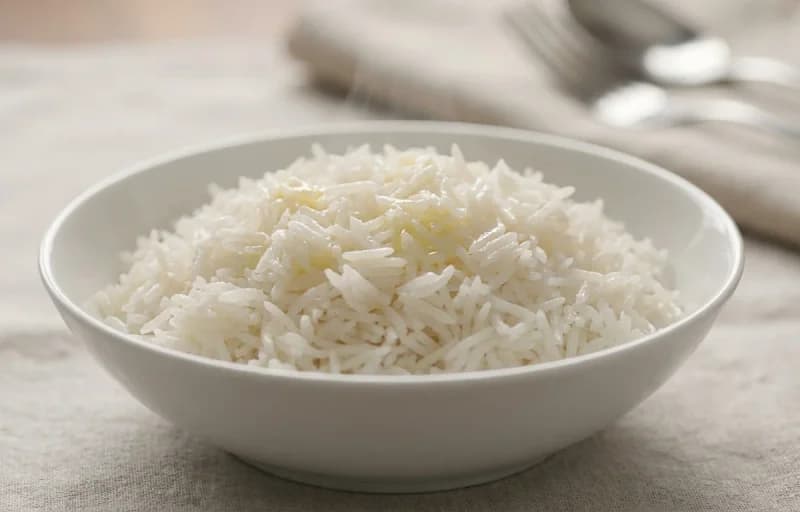
Gut-friendly chira with creamy doi & sweet gur – an energy-giving, homestyle breakfast delight!
This assamese dish is perfect for breakfast. With 1205.95 calories and 20.97g of protein per serving, it's a nutritious choice for your meal plan.
13gfat
2 tbsp Lemon Juice (Freshly squeezed)
2 tbsp Coriander Leaves (Freshly chopped)
2 tbsp Grated Coconut (Fresh or frozen, for garnish (optional))
Instructions
1
Prepare the Poha (Chire)
Place the thick poha in a colander. Rinse it quickly under cold running water for about 15-20 seconds, gently swishing with your fingers.
Ensure all water is drained completely. Let the poha rest in the colander for 10 minutes. It will absorb the residual moisture and become soft and fluffy.
2
Fry Peanuts and Prepare Tempering
Heat oil in a wide pan or kadai over medium heat.
Add the raw peanuts and fry for 2-3 minutes until they are golden brown and crunchy. Remove them with a slotted spoon and set aside.
In the same hot oil, add the mustard seeds. Wait for them to splutter, which should take about 30 seconds.
3
Sauté Aromatics and Cook Potatoes
Once the seeds splutter, add the finely chopped onion and slit green chilies. Sauté for 3-4 minutes until the onions turn soft and translucent.
Add the diced potatoes, mix well, cover the pan, and cook on low-medium heat for 6-7 minutes. Stir occasionally until the potatoes are tender. You can check by pressing a piece with a spatula.
If the potatoes stick, sprinkle a tablespoon of water.
4
Combine and Finish the Pulao
Once the potatoes are cooked, add the turmeric powder and salt. Stir for 30 seconds to cook the raw spice.
Fluff the rested poha with a fork. Add it to the pan along with the sugar.
Gently fold and toss everything together until the poha is evenly coated with the spices and turns a uniform yellow color. Be careful not to mash or break the flakes.
Cook for 2-3 minutes, stirring gently, until the pulao is heated through.
5
Garnish and Serve
Turn off the heat. Add the freshly squeezed lemon juice, fried peanuts, and chopped coriander leaves.
Give it a final gentle mix to combine all the flavors.
Garnish with grated coconut (if using) and serve immediately while hot.
Servings4
Serving size: 1 serving
356cal
9gprotein
63gcarbs
9gfat
Ingredients
1 L Full Cream Milk (Must be full cream/whole milk for the best texture.)
1 cup Sugar (Divided into 3/4 cup for caramel and 1/4 cup for the milk.)
2 tbsp Plain Yogurt (Use thick, full-fat yogurt as a starter culture. Hung yogurt is ideal.)
Instructions
1
Reduce the Milk
Pour the full cream milk into a heavy-bottomed, wide pan. Bring it to a boil over medium-high heat.
Once boiling, reduce the heat to medium-low and let it simmer. Stir occasionally, scraping the sides and bottom to prevent scorching.
Continue to simmer for 35-40 minutes, or until the milk has reduced to about half of its original volume (approx. 500 ml).
2
Caramelize Sugar and Combine
While the milk is reducing, place 3/4 cup of sugar in a separate heavy-bottomed saucepan over low heat.
Allow the sugar to melt without stirring. You can gently swirl the pan to ensure even melting. Cook for 5-7 minutes until it turns into a deep, amber-colored liquid caramel.
Very carefully, pour the hot caramel into the reduced milk. The mixture will hiss and bubble vigorously, so pour slowly and stand back. Stir continuously until the caramel is fully dissolved.
Add the remaining 1/4 cup of sugar to the milk and stir until it dissolves completely. Turn off the heat.
3
Cool the Milk and Prepare Culture
Allow the sweetened milk mixture to cool down until it is lukewarm. The ideal temperature is between 110-115°F (43-46°C). It should feel comfortably warm, not hot, to a clean finger.
In a small bowl, whisk the 2 tablespoons of plain yogurt until it is smooth and lump-free. This ensures it mixes evenly into the milk.
4
Inoculate and Set the Yogurt
Add the whisked yogurt culture to the lukewarm milk. Stir gently with a clean spoon for about 30 seconds to distribute the culture evenly.
Pour the mixture into traditional clay pots (matkas) or any ceramic or glass bowls.
Cover the pots with a lid or a piece of aluminum foil.
5
Ferment the Mishti Doi
Place the covered pots in a warm, dark, and draft-free place to set for 8 to 12 hours. An oven with the light on (but turned off) or a warm cupboard are good options.
Do not disturb or move the pots during this time. After 8 hours, check for doneness by gently tilting a pot; the yogurt should be firm and not jiggle like a liquid.
6
Chill and Serve
Once the Mishti Doi has set, transfer the pots to the refrigerator.
Chill for at least 4-6 hours, or preferably overnight. Chilling is crucial as it firms up the texture and deepens the flavor.
Serve the Mishti Doi chilled, directly from the pot.
2 cup water (divided: 1 cup for syrup, 1 for cooking)
3 tbsp ghee
4 pcs cloves
4 pcs green cardamom pods (lightly crushed)
1 inch cinnamon stick
1 pcs bay leaf
1 tsp fennel seeds
10 pcs almonds (slivered)
10 pcs cashews (halved)
2 tbsp raisins
0.125 tsp salt (a small pinch)
Instructions
1
Prepare the Rice
Rinse 1 cup of basmati rice under cold running water until the water runs clear. This removes excess starch.
Soak the rinsed rice in ample water for 30 minutes. This step is crucial for long, fluffy grains.
After 30 minutes, drain the rice completely in a colander and set aside.
2
Create the Jaggery Syrup
In a small saucepan, combine 1 cup of grated jaggery and 1 cup of water.
Heat over a medium flame, stirring continuously until the jaggery completely dissolves. This should take about 3-4 minutes.
Turn off the heat. Strain the syrup through a fine-mesh sieve or cheesecloth into a bowl to remove any impurities. Set the clean syrup aside.
3
Sauté Aromatics and Nuts
Heat 3 tbsp of ghee in a heavy-bottomed pot or pan over medium heat.
Once the ghee is hot, add 4 cloves, 4 lightly crushed green cardamom pods, a 1-inch cinnamon stick, and 1 bay leaf. Sauté for 30-45 seconds until they release their aroma.
Add 10 slivered almonds and 10 halved cashews. Fry for 1-2 minutes, stirring frequently, until they turn a light golden brown.
Add 2 tbsp of raisins and 1 tsp of fennel seeds. Sauté for another 30 seconds until the raisins plump up.
4
Cook the Sweet Rice
Add the drained basmati rice to the pot. Gently stir and sauté for 2 minutes, being careful not to break the delicate grains.
Carefully pour in the prepared jaggery syrup and the remaining 1 cup of fresh water. Add a small pinch of salt to balance the sweetness.
Stir gently to combine everything. Increase the heat and bring the mixture to a rolling boil.
Once boiling, reduce the heat to the absolute lowest setting. Cover the pot with a tight-fitting lid and let it simmer for 15-18 minutes, or until all the liquid is absorbed and the rice is cooked through.
5
Rest and Serve
Turn off the heat but do not open the lid. Let the rice rest, covered and undisturbed, for at least 10 minutes. This allows the grains to firm up and become fluffy.
After resting, open the lid and gently fluff the rice with a fork to separate the grains.
Serve Gur ke Chawal hot as a delicious dessert or a special festive meal.