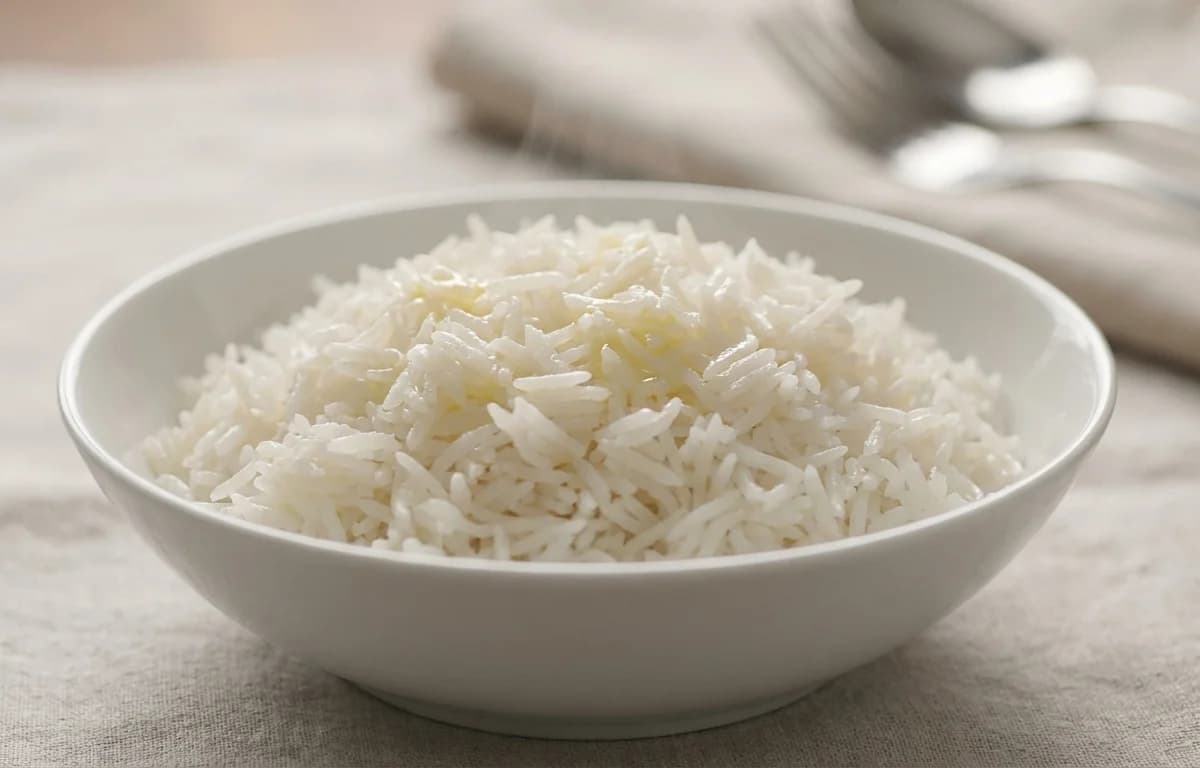
Perfectly fluffy, long-grained basmati rice with a delicate aroma. This simple, foolproof recipe gives you separate, non-sticky grains every time, making it the perfect base for any curry or dal.
Prep35 min
Cook25 min
Soak30 min
Servings4
Serving size: 1 serving
262cal
5gprotein
55gcarbs
Ingredients
1.5 cup Basmati Rice (Use good quality, aged basmati rice for best results)
2.25 cup Water (For the absorption cooking method)
0.75 tsp Salt (Adjust to taste)
1 tsp Ghee (Optional, for flavor and to prevent sticking)
Instructions
1
Rinse and Soak the Rice (35 minutes)
Place the basmati rice in a large bowl. Add cold water and gently swirl the rice with your fingers. Drain the cloudy water. Repeat this process 3-4 times until the water runs mostly clear. This removes excess starch and prevents stickiness.
Cover the rinsed rice with fresh water and let it soak for 30 minutes. Soaking allows the grains to absorb water, ensuring they cook evenly and elongate beautifully.
After 30 minutes, drain the rice completely using a fine-mesh sieve and set aside.
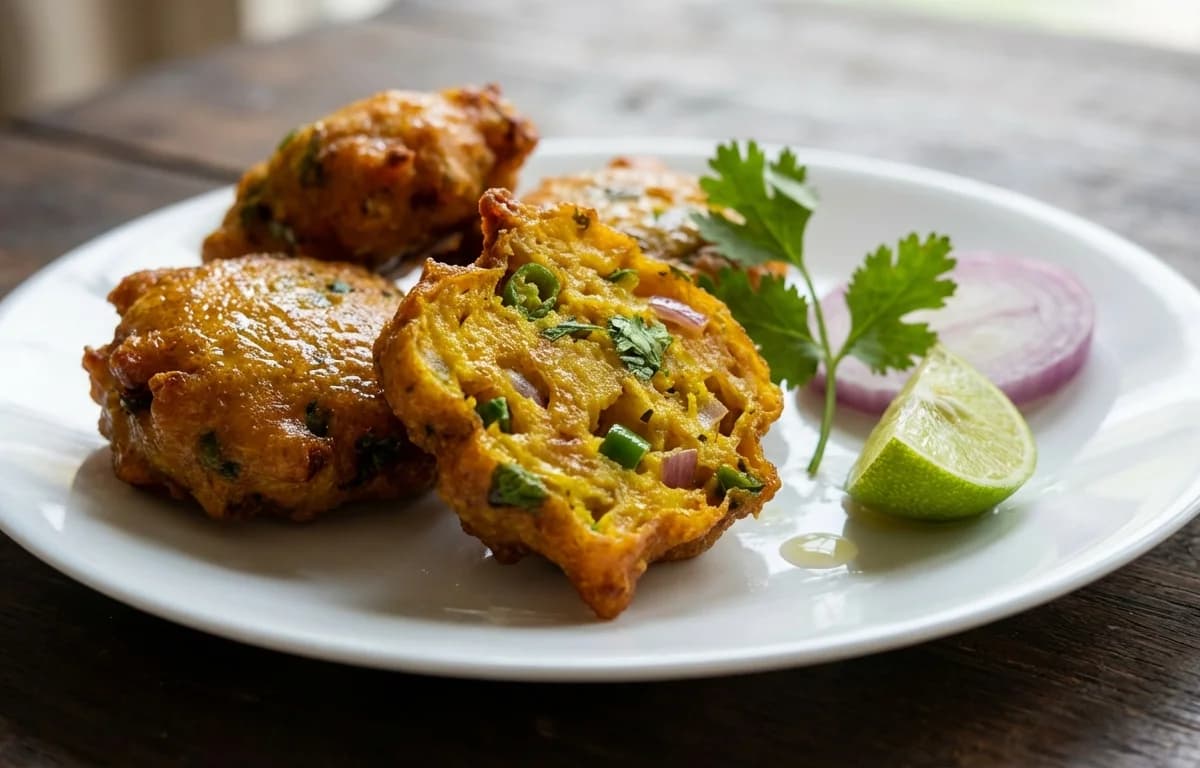
Crispy, savory fritters made from fresh fish roe, mixed with onions, spices, and chickpea flour. This authentic Bengali delicacy is a perfect appetizer or side dish, best enjoyed hot with a squeeze of lime and a side of kasundi.
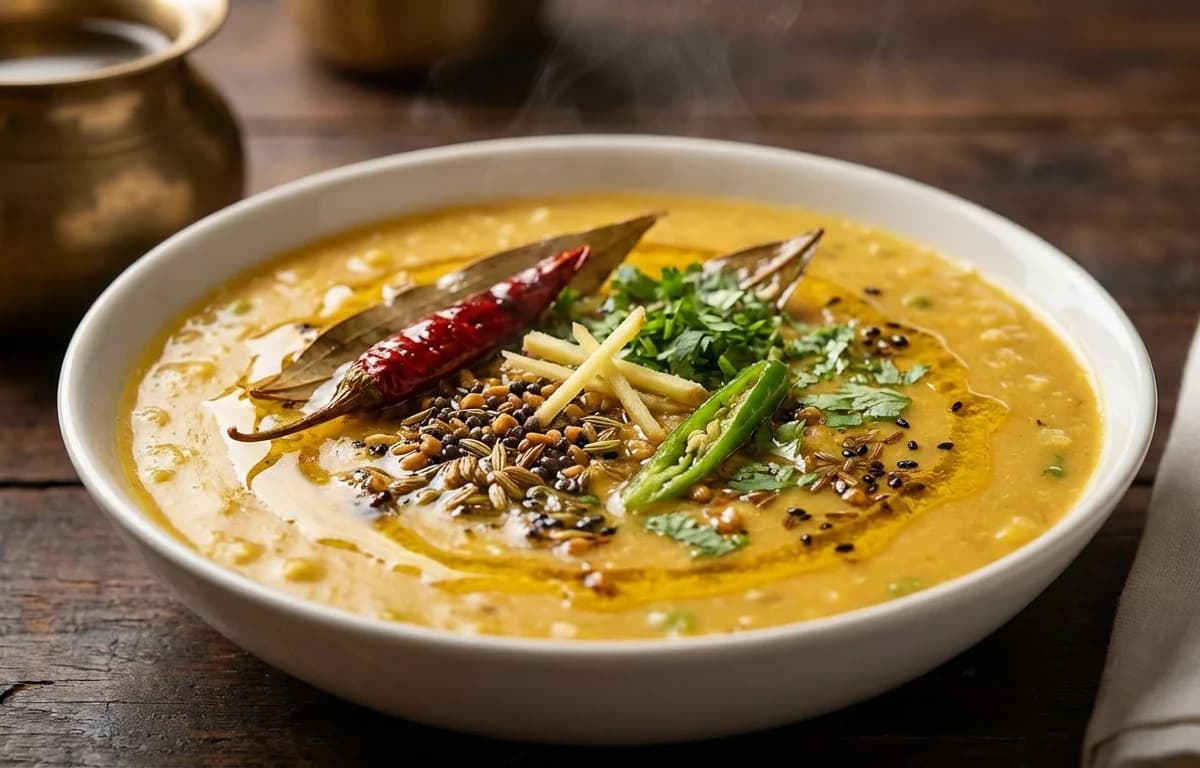
A classic Bengali comfort food, this yellow split pea dal is light, aromatic, and subtly sweet. Flavored with fresh ginger and a traditional panch phoron tempering, it's the perfect simple dish to serve with steamed rice.
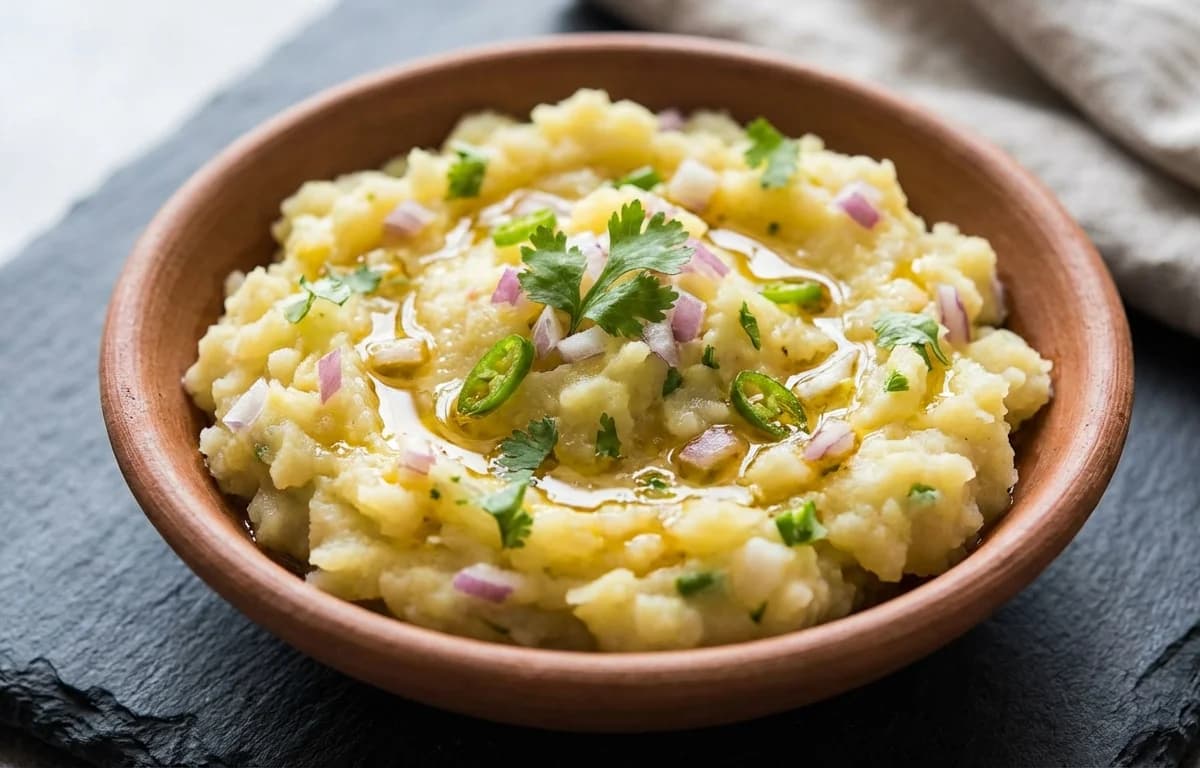
A comforting Assamese-style mashed potato, infused with the pungent kick of raw mustard oil, sharp onions, and fresh chilies. This simple side dish comes together in minutes and is the perfect accompaniment to a plate of hot rice and dal.
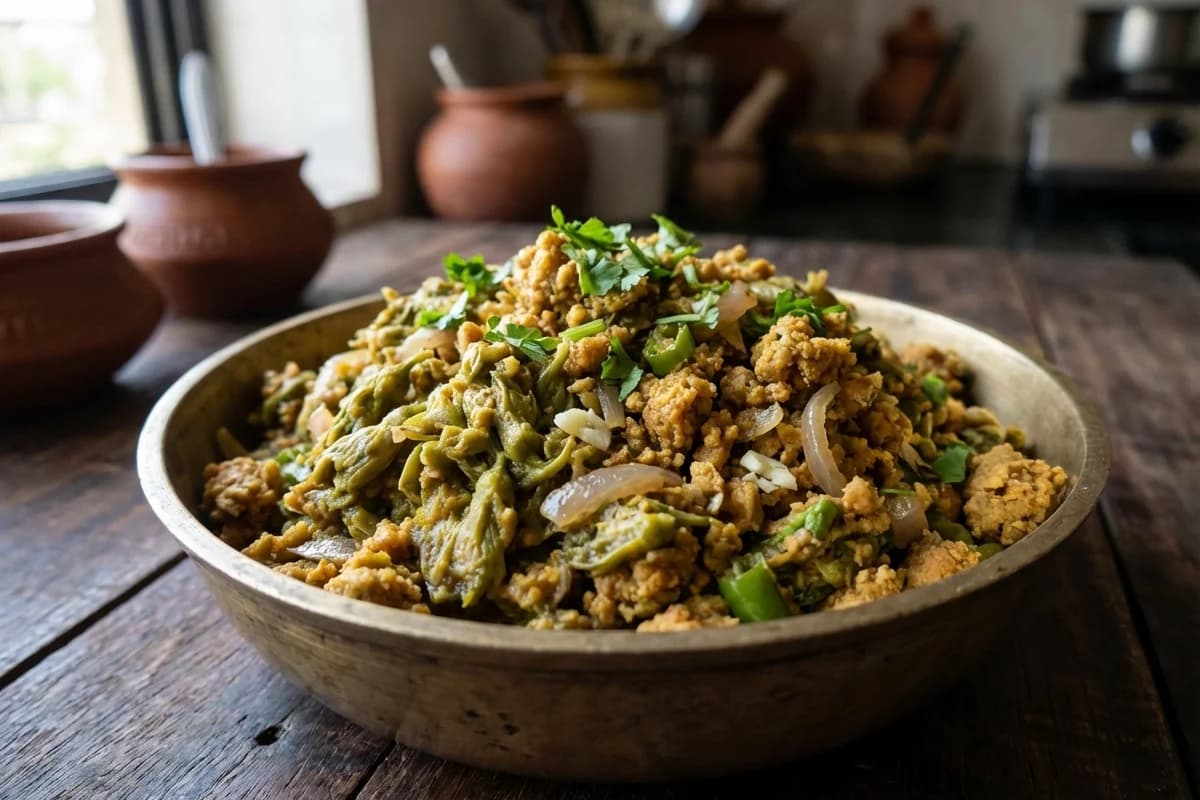
A unique Maharashtrian delicacy from the Vidarbha region, this bhaji features foraged sickle senna flowers. Their distinct bitter taste is balanced with sweet onions and garlic for a truly rustic flavor.
Prep20 min
Cook20 min
Servings4
Serving size: 1 serving
About Steamed Basmati Rice, Masor Koni Bhaja, Matar Dal, Aloo Pitika and Teetaphool Bhaji
Protein-packed fish roe fry, creamy dal, and fluffy rice. A homestyle meal with unique flavors that's soul-satisfying!
This assamese dish is perfect for dinner. With 1078.61 calories and 41.510000000000005g of protein per serving, it's a nutritious choice for your meal plan.
Other Cuisines to Explore
Discover authentic meals from cuisines around the world.
In a medium, heavy-bottomed saucepan with a tight-fitting lid, combine the drained rice, 2.25 cups of fresh water, salt, and ghee (if using).
Bring the mixture to a rolling boil over medium-high heat, uncovered.
As soon as it boils, give it one gentle stir, then immediately reduce the heat to the lowest possible setting. Cover the saucepan tightly with the lid.
Let the rice simmer for 12-15 minutes, or until all the water has been absorbed. Do not lift the lid during this time to prevent steam from escaping.
3
Rest and Fluff (10 minutes)
Turn off the heat but leave the saucepan on the stove, still covered. Let the rice rest and steam for 10 minutes. This step is crucial for finishing the cooking process and achieving a perfect texture.
After resting, remove the lid. Use a fork to gently fluff the rice, separating the long, delicate grains.
Serve hot as a perfect accompaniment to curries, dals, or grilled dishes.
231cal
18gprotein
18gcarbs
11gfat
Ingredients
250 g Fish Roe (Preferably from Rohu or Katla fish, cleaned)
1 medium Onion (Finely chopped)
60 g Besan (Gram flour)
1 tbsp Rice Flour (For extra crispiness)
2 pcs Green Chili (Finely chopped, adjust to taste)
1 tsp Ginger Paste
1 tsp Garlic Paste
0.5 tsp Turmeric Powder
0.5 tsp Red Chili Powder (Adjust to taste)
0.75 tsp Salt (Or to taste)
0.5 cup Mustard Oil (For shallow frying)
2 tbsp Coriander Leaves (Freshly chopped, for garnish)
1 pcs Lime (Cut into wedges, for serving)
Instructions
1
Prepare the Fish Roe Batter
Gently rinse the fish roe under cold water. Carefully remove the thin outer membrane covering the roe sac.
Place the cleaned roe in a mixing bowl. Using a fork or your fingertips, lightly mash the roe. Avoid turning it into a fine paste; a slightly coarse texture is ideal.
To the bowl, add the finely chopped onion, green chilies, ginger paste, and garlic paste.
Sprinkle in the turmeric powder, red chili powder, and salt. Mix everything gently to combine.
Gradually add the besan and rice flour. Mix just until the flours are incorporated and form a thick, scoopable batter that binds the ingredients. Do not overmix.
2
Shallow Fry the Fritters
Heat the mustard oil in a heavy-bottomed pan or skillet over medium heat. To check if the oil is ready, drop a tiny amount of batter into it; it should sizzle immediately and rise to the surface.
Once the oil is hot, take a tablespoon of the roe mixture and carefully slide it into the pan. Gently flatten it with the back of the spoon to form a small, round fritter (bora).
Fry in batches of 4-5 at a time, ensuring not to overcrowd the pan. This helps maintain the oil temperature and ensures even cooking.
Cook for about 3-4 minutes on the first side, until it becomes golden brown and crisp at the edges.
Carefully pick the tiny yellow flowers from their stems, discarding any tough stalks, leaves, or unopened buds.
Place the flowers in a large bowl of water and wash them thoroughly, changing the water 2-3 times to remove all dirt and grit.
Drain the flowers completely in a colander.
2
Boil and Squeeze to Reduce Bitterness (10 minutes)
Bring a medium pot with about 6 cups of water to a rolling boil.
Add the cleaned teetaphool to the boiling water and cook for 5-7 minutes. The flowers will wilt and change color.
Drain the flowers into a colander. Once cool enough to handle, take small portions and squeeze firmly between your palms to remove as much water as possible. This step is crucial for the final texture and for reducing bitterness.
3
Sauté the Aromatics (8 minutes)
Heat oil in a kadai or heavy-bottomed pan over medium heat.
Add the chopped garlic and green chilies. Sauté for 30-45 seconds until fragrant.
Add the finely chopped onions and a pinch of salt. Cook for 6-7 minutes, stirring occasionally, until the onions are soft, translucent, and light golden brown. Their sweetness is key to balancing the dish.
4
Cook the Bhaji (5 minutes)
Add the boiled and squeezed teetaphool to the pan with the onions.
Sprinkle in the turmeric powder and the remaining salt. Mix everything together thoroughly.
Sauté for 4-5 minutes, allowing the flowers to absorb the flavors of the aromatics.
5
Finish with Besan (3 minutes)
Reduce the heat to low and sprinkle the besan (chickpea flour) evenly over the bhaji.
Stir continuously for 2-3 minutes to roast the besan and prevent lumps from forming. The besan will absorb any residual moisture and coat the flowers, giving the dish its characteristic dry texture.
Turn off the heat once the raw smell of the besan is gone.
6
Serve
Serve the Teetaphool Bhaji hot with traditional flatbreads like Jowar Bhakri, Bajra Roti, or Phulka.
Masor Koni Bhaja Recipe - Assamese Fish Roe Fry Dinner
Carefully flip the fritters and cook for another 3-4 minutes on the other side until they are evenly browned, crisp, and cooked through.
3
Drain and Serve
Using a slotted spoon, remove the cooked fritters from the pan.
Place them on a plate lined with paper towels to absorb any excess oil.
Garnish with freshly chopped coriander leaves.
Serve immediately while hot and crispy with lime wedges on the side for squeezing over, and a dipping sauce like kasundi (Bengali mustard sauce) or green chutney.
Reduce the heat to low. Carefully add the dried red chilies and the panch phoron.
Allow the spices to splutter and become aromatic, which should take about 30-45 seconds. Stir to prevent burning.
Add the asafoetida (hing) and give it a final stir for 5 seconds.
4
Combine and Serve (2 minutes)
Immediately and carefully pour the sizzling tempering over the cooked dal in the pressure cooker. It will sizzle loudly.
Quickly cover the cooker with a lid for 1-2 minutes to trap the aromas and let them infuse into the dal.
Uncover, stir gently to combine. Taste and adjust the salt if necessary.
Drizzle with ghee (if using) and serve hot with steamed rice.