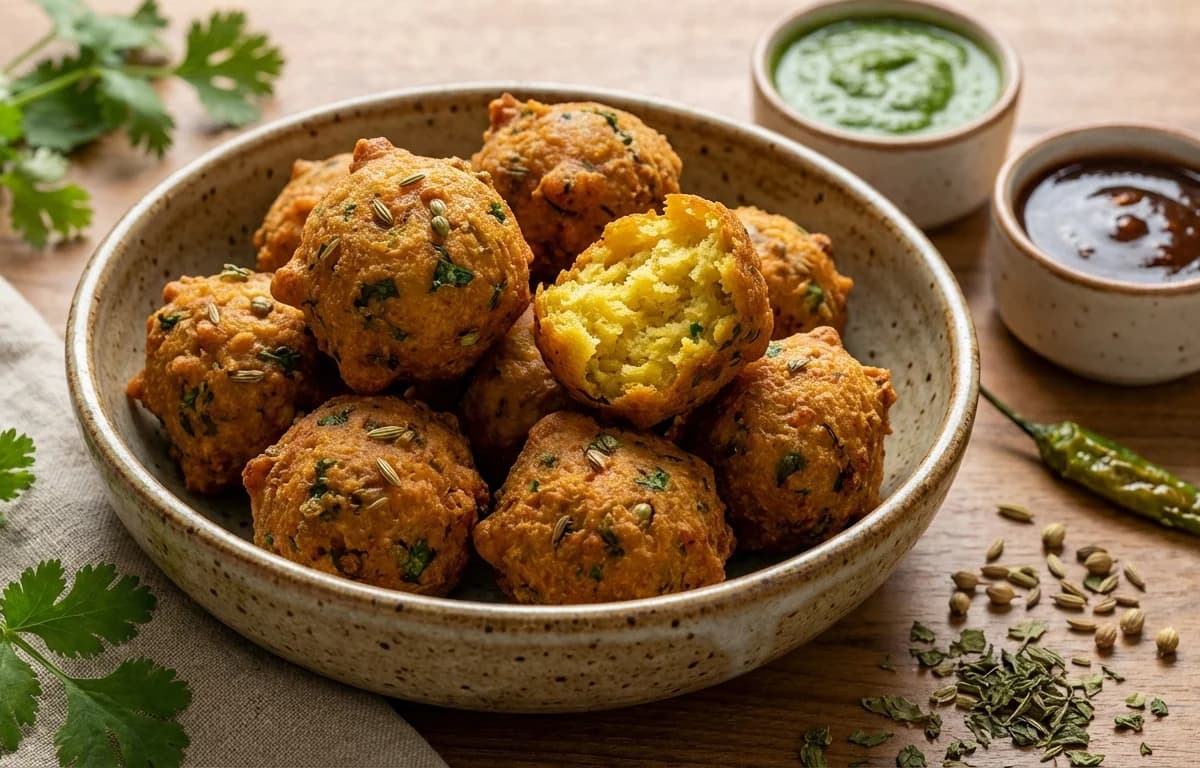
Crispy on the outside, soft and spongy on the inside, these savory fritters are a Gujarati classic from the temple town of Dakor. Flavored with a unique blend of coarsely ground spices, they are an irresistible tea-time snack.
Prep20 min
Cook20 min
Servings4
Serving size: 1 serving
328cal
10gprotein
37gcarbs
17g
Ingredients
1.5 cup Besan (Also known as gram flour.)
0.25 cup Rava (Fine semolina.)
2 tbsp Coriander Seeds (To be coarsely ground.)
1 tbsp Fennel Seeds (To be coarsely ground.)
1 tsp Black Peppercorns (To be coarsely ground.)
1 inch Ginger (Finely grated.)
2 pcs Green Chili (Finely chopped, adjust to taste.)
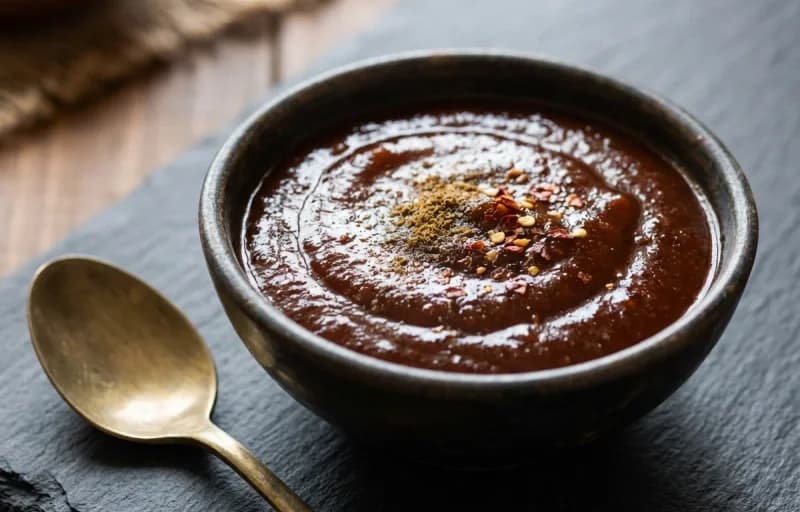
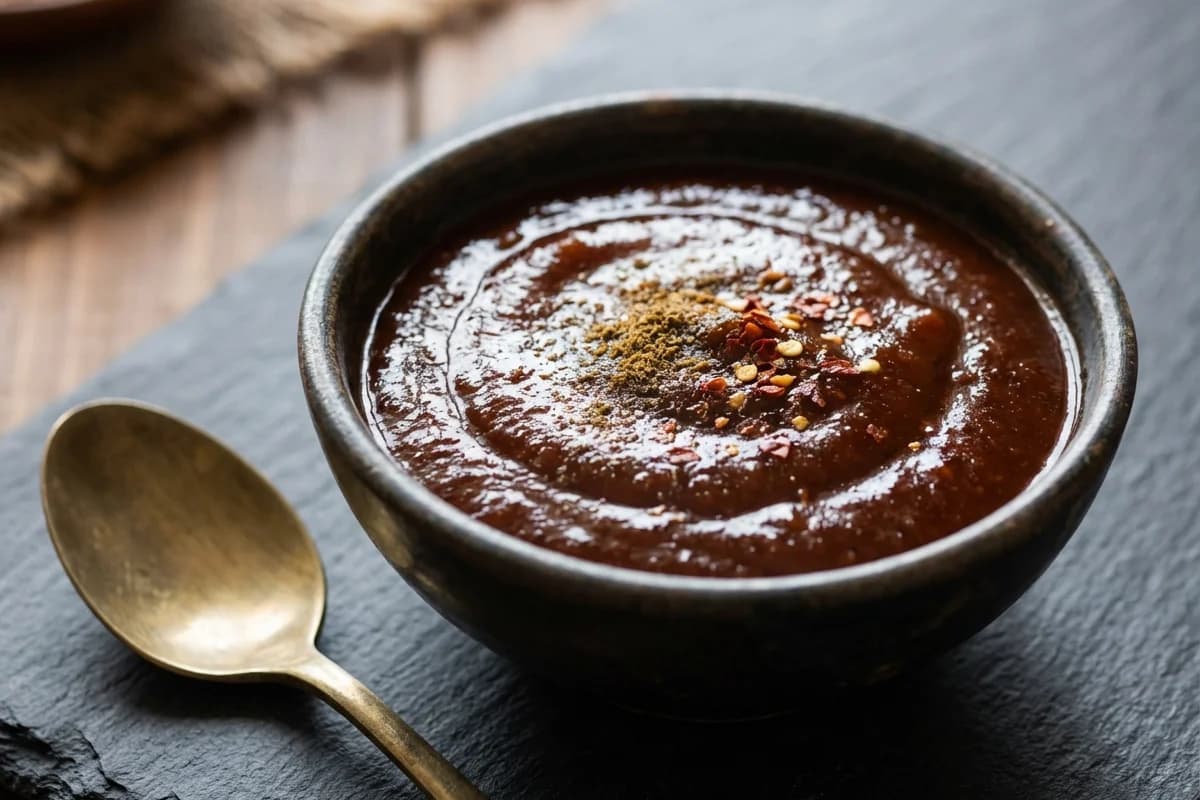
A classic Indian condiment balancing sweet, sour, and tangy notes perfectly. Made from tamarind pulp, jaggery, and spices, this chutney is the soul of chaat and the perfect dip for samosas and pakoras.
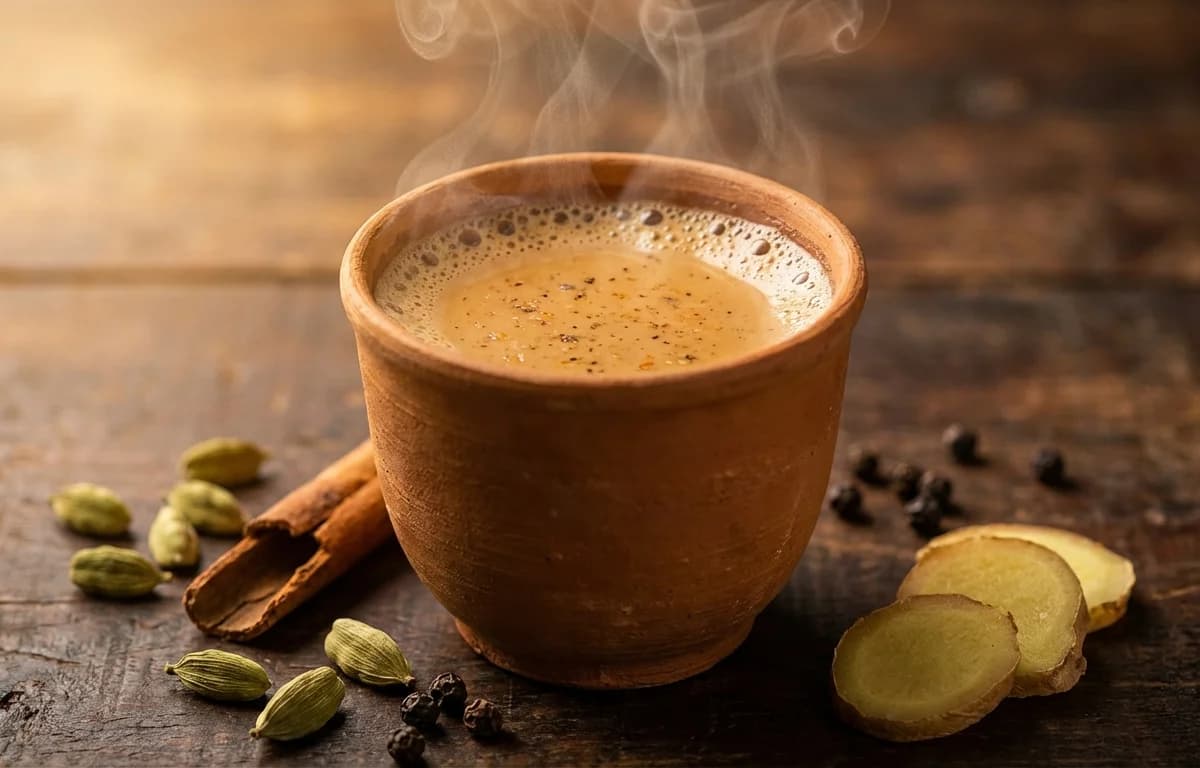
A warm, aromatic blend of robust black tea, creamy milk, and a symphony of whole spices like fragrant cardamom, zesty ginger, and warm cinnamon. This classic Indian beverage is the perfect comforting drink to awaken your senses or unwind after a long day.
About Dakor na Gota, Tamarind Chutney and Masala Chai
Crispy Dakor na Gota with tangy chutney & hot chai – comfort food, perfect for busy evenings!
This gujarati dish is perfect for lunch. With 513.14 calories and 14.959999999999999g of protein per serving, it's a nutritious choice for your meal plan.
fat
0.5 tsp Red Chili Powder (Optional, for extra heat.)
In a spice grinder or using a mortar and pestle, combine the coriander seeds, fennel seeds, and black peppercorns.
Pulse or grind them into a coarse, uneven powder. A chunky texture is essential for the authentic flavor and is the hallmark of this dish.
2
Mix and Rest the Batter
In a large mixing bowl, combine the besan, rava, and the freshly prepared gota masala.
Add the turmeric powder, red chili powder, hing, sugar, salt, crushed kasuri methi, chopped coriander leaves, grated ginger, and green chilies. Whisk everything together to combine.
Gradually pour in about 1 cup of water, whisking continuously to form a thick, smooth, and lump-free batter. The consistency should be similar to that of a thick pancake batter, able to hold its shape on a spoon.
Cover the bowl and let the batter rest for at least 15-20 minutes. This step is crucial as it allows the rava to absorb water and soften, which results in a soft interior.
3
Heat Oil and Activate Batter
Pour oil into a kadai or deep pan and heat it over medium flame. To check if the oil is ready, drop a tiny bit of batter into it; it should sizzle and rise to the surface immediately without changing color too quickly.
Just before you are ready to fry, add the baking soda and lemon juice to the rested batter. Mix gently for about 30 seconds. The batter will become light, airy, and slightly frothy.
4
Fry the Gota
Using your fingers or a spoon, carefully drop small, round portions of the batter into the hot oil. Do not overcrowd the pan; fry in batches to maintain the oil temperature.
Fry on a consistent medium heat for 4-5 minutes, turning them occasionally with a slotted spoon to ensure even cooking.
The gota are done when they are a deep golden brown color and sound crisp.
Remove the fried gota from the oil and place them on a plate lined with paper towels to drain any excess oil.
5
Serve
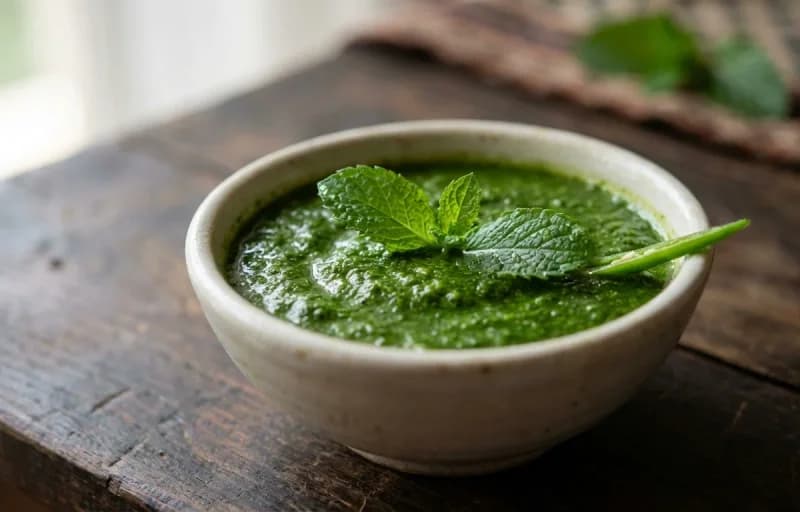
Serve Dakor na Gota hot, traditionally accompanied by a sweet and tangy tamarind chutney, green chutney, or with fried green chilies on the side.
8
Serving size: 1 serving
93cal
1gprotein
24gcarbs
0gfat
Ingredients
100 g Tamarind (Seedless block is preferred)
125 g Jaggery (Grated or powdered for easy melting)
2 cup Water (Hot, for soaking)
1 tsp Roasted Cumin Powder
1 tsp Dry Ginger Powder
0.5 tsp Red Chili Powder (Adjust to your spice preference)
0.5 tsp Black Salt (Also known as Kala Namak)
0.5 tsp Salt (Or to taste)
0.25 tsp Garam Masala
0.25 tsp Hing (Optional, for flavor and digestion)
Instructions
1
Soak the Tamarind
Place the block of seedless tamarind in a heatproof bowl.
Pour 2 cups of hot (not boiling) water over it.
Let it soak for at least 30 minutes, or until the tamarind has softened completely.
2
Extract the Tamarind Pulp
Once softened, use your hands or a sturdy spoon to mash the tamarind thoroughly in the water to release its pulp.
Position a fine-mesh sieve over a saucepan and pour the tamarind mixture through it.
Press the solids with the back of a spoon to extract as much thick pulp as possible. Discard the fibrous residue left in the sieve.
3
Dissolve the Jaggery
Place the saucepan with the tamarind extract on medium heat.
Add the grated or powdered jaggery. Stir continuously until the jaggery dissolves completely, which should take about 3-5 minutes.
4 tsp Assam Black Tea Leaves (Or any other strong black tea.)
1 inch Fresh Ginger (Peeled and coarsely crushed.)
4 pods Green Cardamom Pods (Lightly crushed to open them.)
1 inch Cinnamon Stick
4 pcs Cloves
5 pcs Black Peppercorns (Lightly crushed.)
4 tsp Sugar (Adjust to taste.)
Instructions
1
Prepare the spices. Using a mortar and pestle or the back of a spoon, lightly crush the green cardamom pods, cloves, and black peppercorns. Coarsely crush the peeled ginger.
2
In a medium saucepan, combine 2 cups of water with the crushed ginger, cardamom pods, cinnamon stick, cloves, and peppercorns. Bring the mixture to a rolling boil over medium-high heat. Once boiling, reduce the heat to low and let it simmer for 5-7 minutes. This step is crucial for infusing the water with the spice flavors.
3
Add the black tea leaves to the simmering spice decoction. Allow it to brew for 2 minutes, or until the liquid turns a deep, dark color.
4
Pour in the 2 cups of milk and add the sugar. Increase the heat to medium and bring the chai to a gentle simmer, stirring occasionally. Be careful not to let it boil over. Simmer for another 2-3 minutes until the chai reaches a rich, creamy brown color.
5
Turn off the heat. Strain the chai through a fine-mesh sieve directly into serving cups. For a traditional frothy top, you can pour the chai back and forth between the saucepan and another heatproof vessel a few times before serving. Serve immediately.