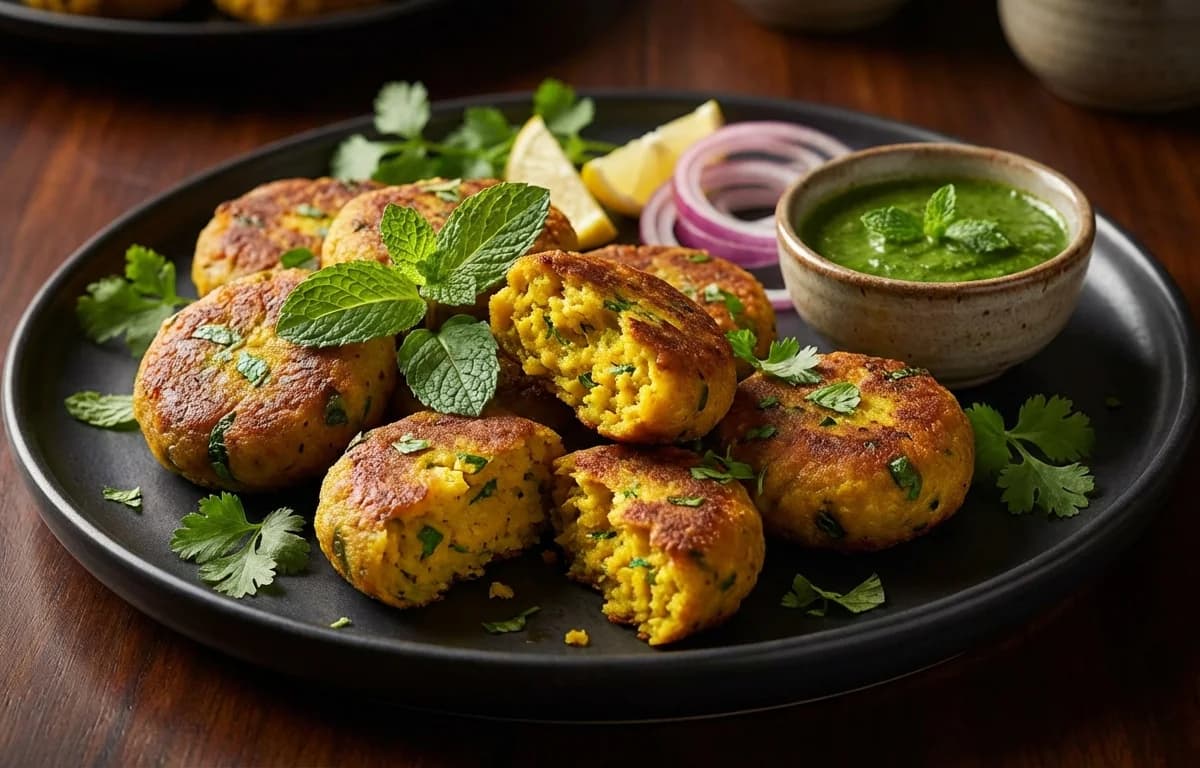
A vegetarian take on the classic Mughlai kebab. Tender, melt-in-the-mouth patties made from chana dal and potatoes, spiced with fragrant garam masala and herbs. Perfect as an appetizer or a high-protein snack.
Prep20 min
Cook45 min
Soak120 min
Servings4
Serving size: 1 serving
335cal
14gprotein
55gcarbs
Ingredients
1 cup Chana Dal (Rinsed and soaked for at least 2 hours)
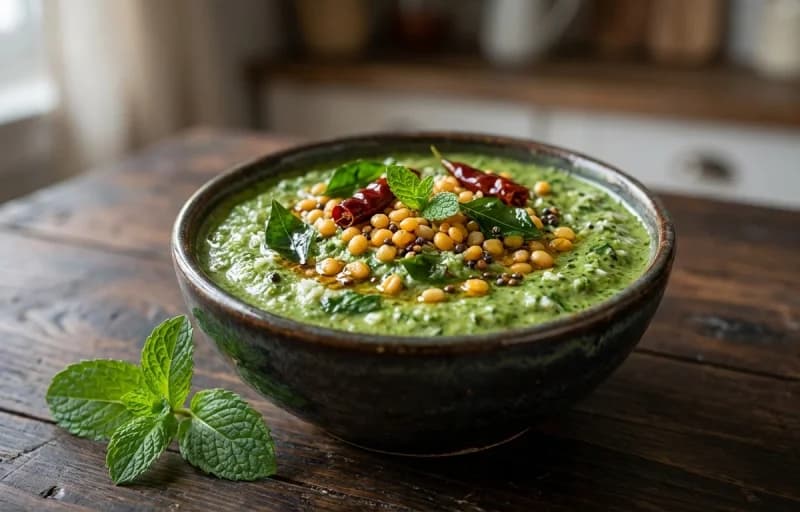
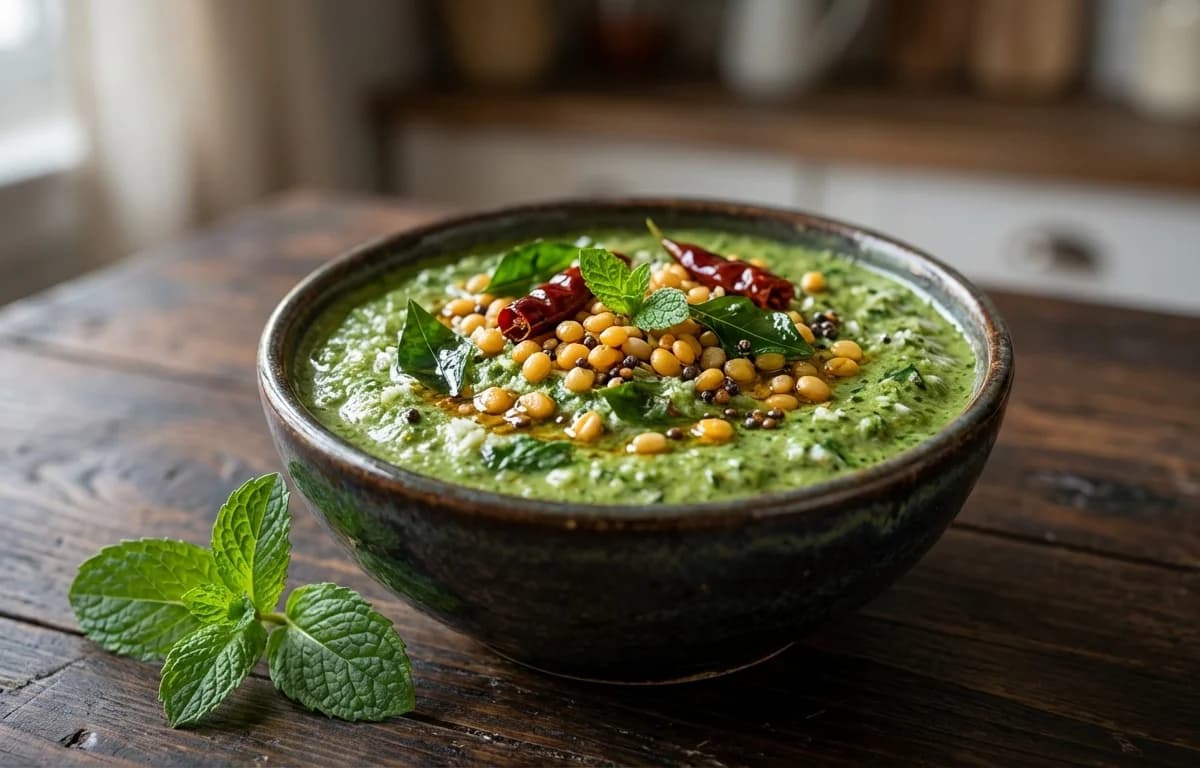
A refreshing and vibrant South Indian condiment made with fresh mint leaves, coconut, and a hint of tamarind. This classic chutney is the perfect zesty accompaniment for idli, dosa, and vada.
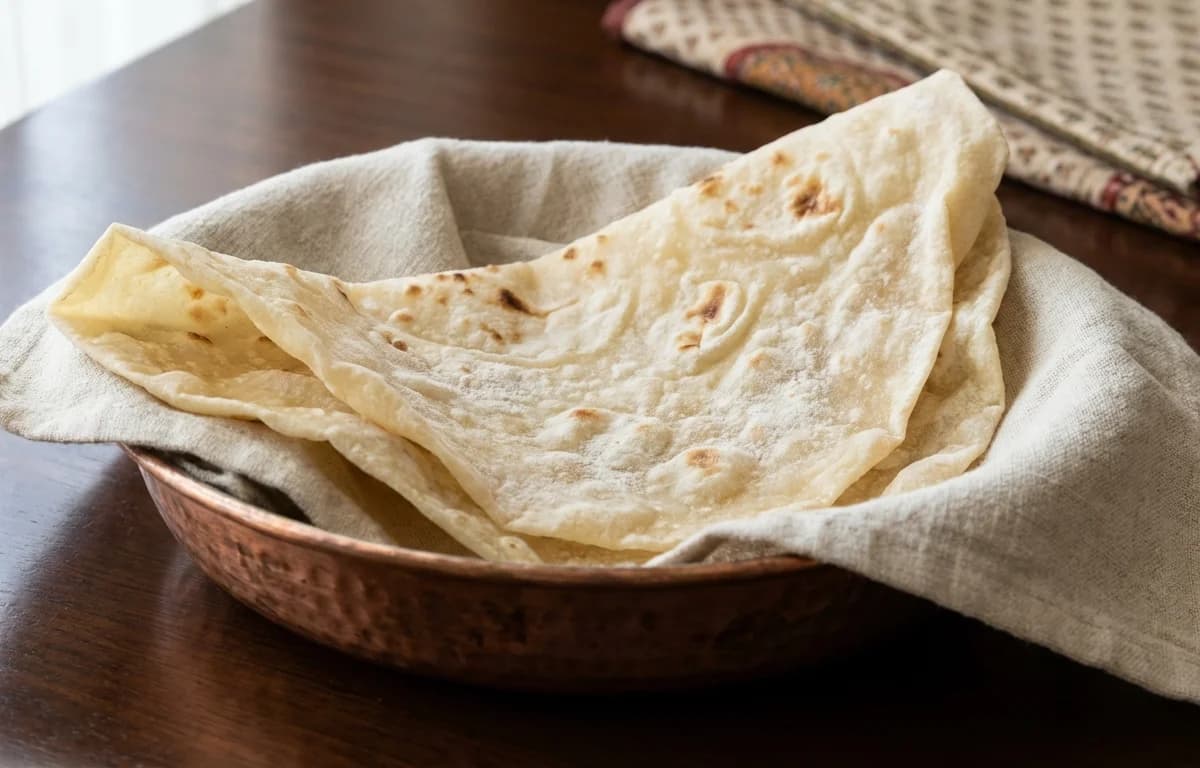
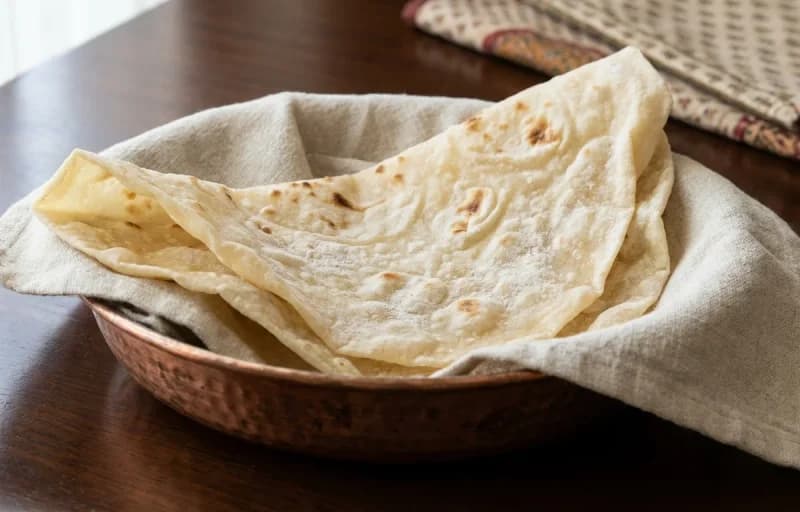
Experience the magic of ultra-thin, soft, and foldable flatbreads, reminiscent of a handkerchief. This Mughlai specialty is perfect for scooping up rich curries and kebabs, and surprisingly fun to make at home.
Drain the soaked chana dal. In a pressure cooker, combine the drained dal, cubed potatoes, 1.5 cups of water, 0.5 tsp of salt, cinnamon stick, cloves, black peppercorns, and bay leaf.
Secure the lid and pressure cook on medium heat for 4-5 whistles, or for about 15-20 minutes, until the dal is completely soft and easily mashable.
Allow the pressure to release naturally. Open the cooker and discard the whole spices (cinnamon, cloves, peppercorns, bay leaf).
Drain any excess water thoroughly. The mixture must be very dry. If it seems wet, cook it in the open cooker on low heat for 3-5 minutes, stirring continuously, until all moisture evaporates.
2
Prepare the Kebab Mixture
Transfer the hot dal-potato mixture to a large bowl or a food processor. Mash or pulse until you get a smooth, dough-like consistency. Using a food processor yields a more authentic, melt-in-the-mouth texture.
Allow the mixture to cool down to room temperature. This is crucial to prevent the onions from releasing water and making the mixture soggy.
Once cooled, add the finely chopped onion, ginger-garlic paste, green chilies, all the powdered spices (garam masala, red chili, turmeric, coriander, cumin), and the remaining salt.
Add the besan, chopped coriander leaves, mint leaves, and lemon juice.
Gently mix everything together until just combined. Do not over-knead. Taste and adjust the seasoning if necessary.
3
Shape the Kebabs
For best results, cover the mixture and refrigerate for 30 minutes. This helps in easy shaping and prevents the kebabs from breaking.
Lightly grease your palms with oil. Divide the mixture into 12 equal portions.
Take one portion, roll it into a smooth ball, and then gently flatten it into a round patty (tikki), about 2 inches in diameter and 1/2 inch thick. Smoothen the edges.
4
Shallow Fry the Kebabs
Heat 1/4 cup of oil in a non-stick skillet or tawa over medium heat. The oil should be hot but not smoking.
Carefully place 4-5 kebabs in the pan, ensuring not to overcrowd it.
Fry for 3-4 minutes on the first side, until it turns golden brown and crisp.
Gently flip the kebabs using a spatula and fry the other side for another 3-4 minutes until equally golden and crisp.
Remove the cooked kebabs and place them on a plate lined with paper towels to drain excess oil. Repeat the process for the remaining kebabs.
5
Serve
Serve the Dal Shami Kebabs hot, garnished with onion rings and a lemon wedge. They pair wonderfully with mint-coriander chutney or tamarind chutney.
6
Serving size: 1 serving
74cal
1gprotein
7gcarbs
5gfat
Ingredients
2 cup pudhina leaves (tightly packed, stems removed)
0.75 cup fresh coconut (grated)
3 pcs green chillies (adjust to taste)
0.5 inch ginger (roughly chopped)
1 tbsp tamarind paste
1.5 tsp urad dal (divided)
1 tsp chana dal
2 tsp sesame oil (divided)
0.5 tsp mustard seeds
1 pcs dried red chilli (broken in half)
0.25 tsp hing
6 pcs curry leaves
0.75 tsp salt (or to taste)
3 tbsp water (as needed for grinding)
Instructions
1
Sauté Aromatics and Mint
Heat 1 teaspoon of sesame oil in a small pan over medium heat.
Add the chana dal and 1 teaspoon of urad dal. Sauté for 1-2 minutes until they turn light golden brown and aromatic.
Add the green chillies and chopped ginger. Sauté for another 30 seconds.
Add the packed mint leaves and sauté for just 1-2 minutes until they wilt. Avoid overcooking to preserve their fresh flavor and vibrant color.
Turn off the heat and allow the mixture to cool down completely.
2
Grind the Chutney
Transfer the cooled mint mixture to a blender or grinder jar.
Add the grated coconut, tamarind paste, and salt.
Grind to a thick, smooth paste. Add water, one tablespoon at a time, only as needed to help the blades move. Scrape down the sides of the jar to ensure even grinding.
3
Prepare the Tempering (Tadka)
Heat the remaining 1 teaspoon of sesame oil in the same small pan over medium heat.
In a large mixing bowl, whisk together 1.5 cups of all-purpose flour, 0.5 cup of atta, and salt.
Add the vegetable oil and rub it into the flour with your fingertips until the mixture resembles fine breadcrumbs.
Gradually pour in the warm milk and warm water, mixing continuously to form a very soft, pliable, and slightly sticky dough. You may not need all the water.
2
Knead and Rest the Dough
Transfer the dough to a lightly oiled surface and knead for 10-12 minutes until it becomes extremely smooth, soft, and elastic. It should spring back when gently pressed.
Place the dough in a greased bowl, cover with a damp cloth or plastic wrap, and let it rest for at least 60 to 90 minutes. This step is crucial for relaxing the gluten, which makes stretching possible.
3
Prepare the Cooking Surface
Invert a large kadai (Indian wok) or a convex tawa over your stove burner.
Heat the inverted kadai on a medium-high flame for 5-7 minutes until it's very hot. To test if it's ready, sprinkle a few drops of water on the surface; they should sizzle and evaporate almost instantly.
4
Divide and Shape the Dough
After resting, gently knead the dough for another minute.
Divide the dough into 8 equal-sized balls. Keep the dough balls covered with a damp cloth to prevent them from drying out.
5
Stretch the Roti
Take one dough ball and dust it generously with all-purpose flour. Roll it out with a rolling pin into a thin circle, about 6-7 inches in diameter.
Gently lift the rolled dough and drape it over the knuckles of both hands. Carefully rotate the dough, allowing gravity to stretch it further until it becomes paper-thin and translucent. Be gentle to avoid tearing.
6
Cook the Roti
Quickly and carefully, drape the stretched roti over the hot inverted kadai.
Cook for about 30-45 seconds, or until you see small bubbles forming on the surface.
Using a pair of tongs, flip the roti and cook the other side for another 20-30 seconds. The roti should be cooked through but remain soft and pale, without any dark brown spots.
7
Fold and Serve
Remove the roti from the kadai and place it on a clean cloth or plate.
Immediately fold it in half, and then in half again to resemble a handkerchief.
Brush with a little ghee if desired. Place the folded roti in a casserole dish or wrap it in a kitchen towel to keep it warm and soft while you cook the rest.