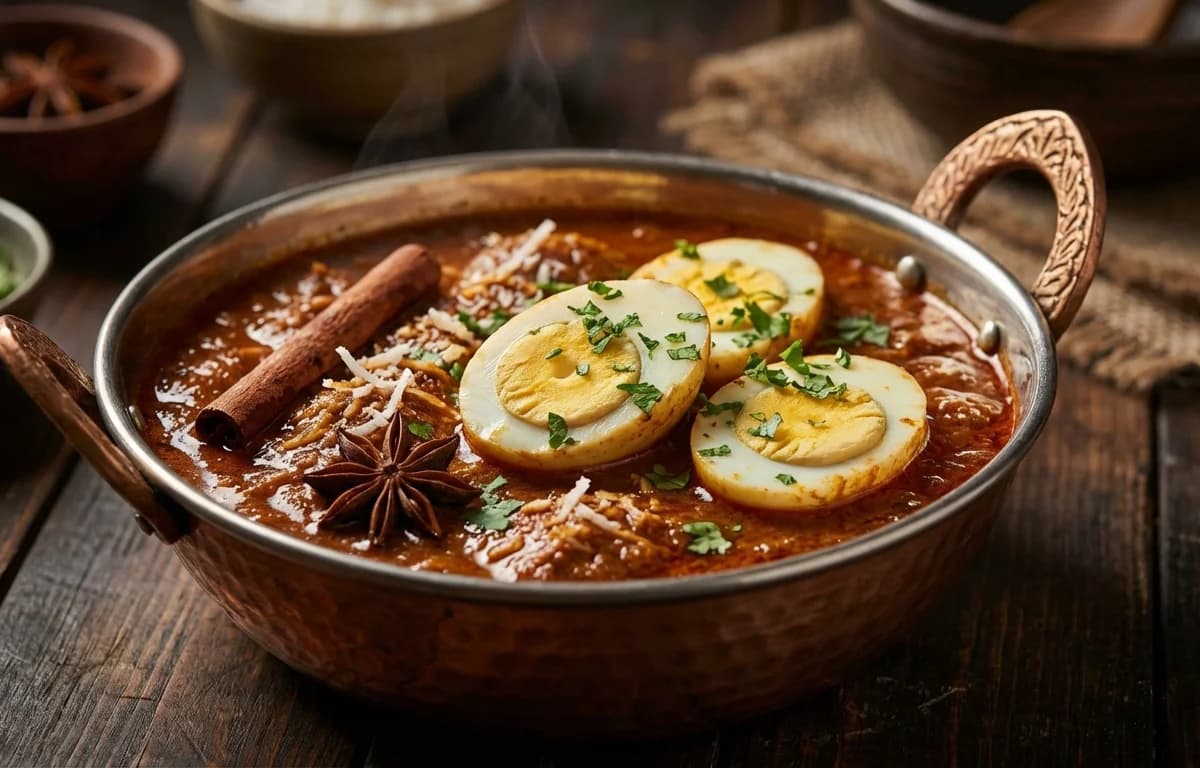
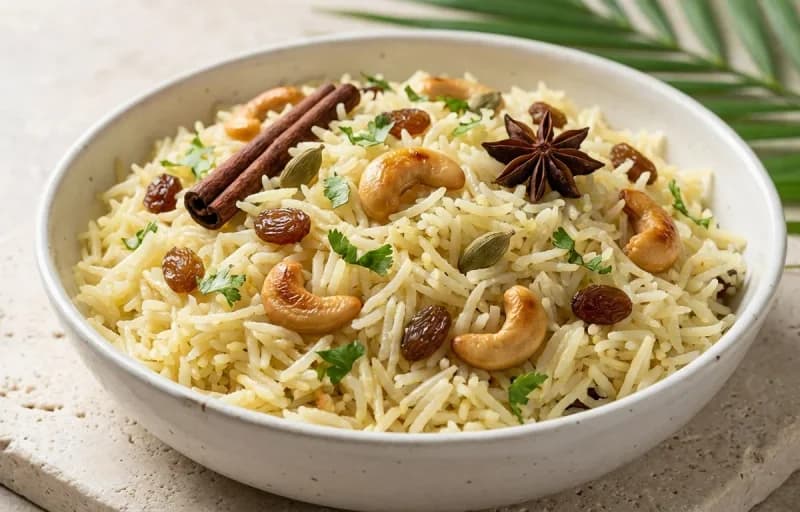
A classic Goan curry featuring hard-boiled eggs simmered in a rich, aromatic gravy. Made with freshly roasted spices and coconut, this dish is a flavor explosion that pairs perfectly with rice or pav.
Prep25 min
Cook35 min
Servings4
Serving size: 1 serving(Serving includes 2 eggs and approximately 1 cup of gravy.)
390cal
16gprotein
19gcarbs
29g
Ingredients
8 pcs Egg (Large, free-range if possible)
1 cup Grated Coconut (Freshly grated is best, but desiccated (unsweetened) works too)
2 pcs Onion (Medium-sized; 1 sliced for masala, 1 finely chopped for curry)
2 tbsp Coriander Seeds
1 tsp Cumin Seeds
1 tsp Black Peppercorns
5 pcs Dried Red Chili (Use a mix of Kashmiri for color and a spicier variety for heat)
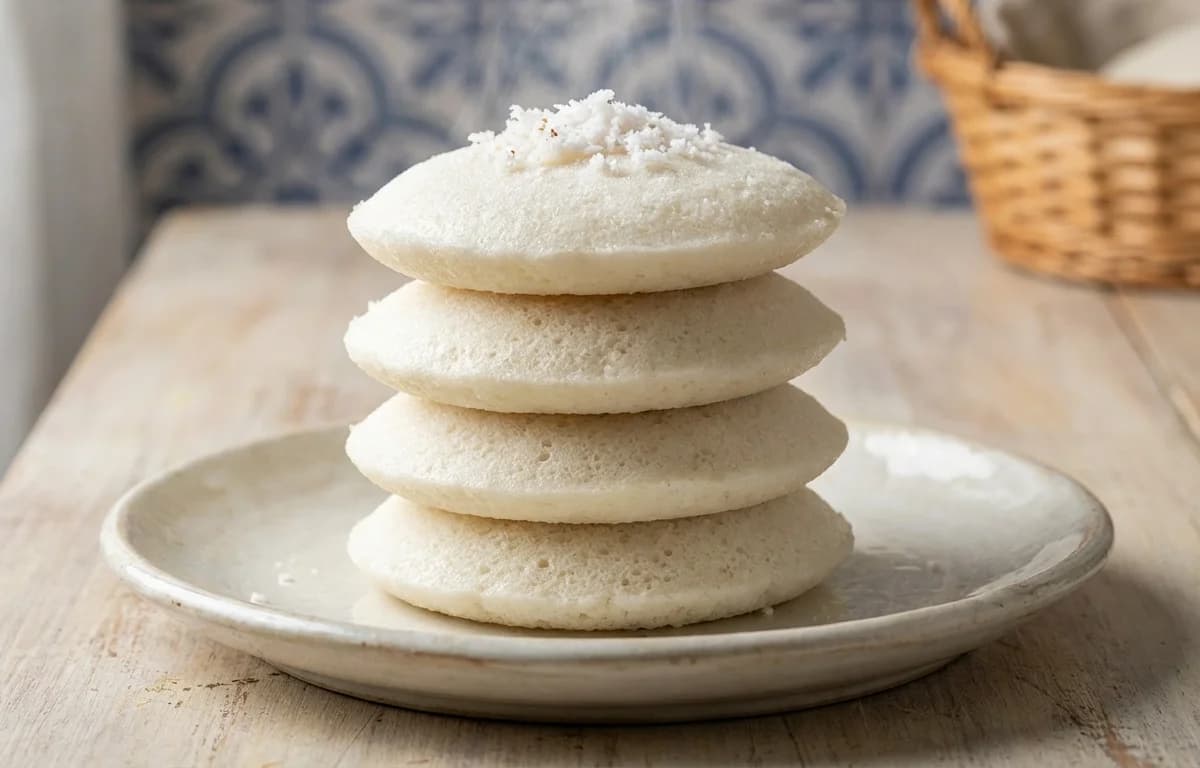
Fluffy, slightly sweet steamed rice cakes from Goa, made with a fermented batter of rice and coconut. Sannas are a perfect, cloud-like accompaniment to spicy Goan curries like sorpotel or vindaloo, expertly soaking up every drop of delicious gravy.
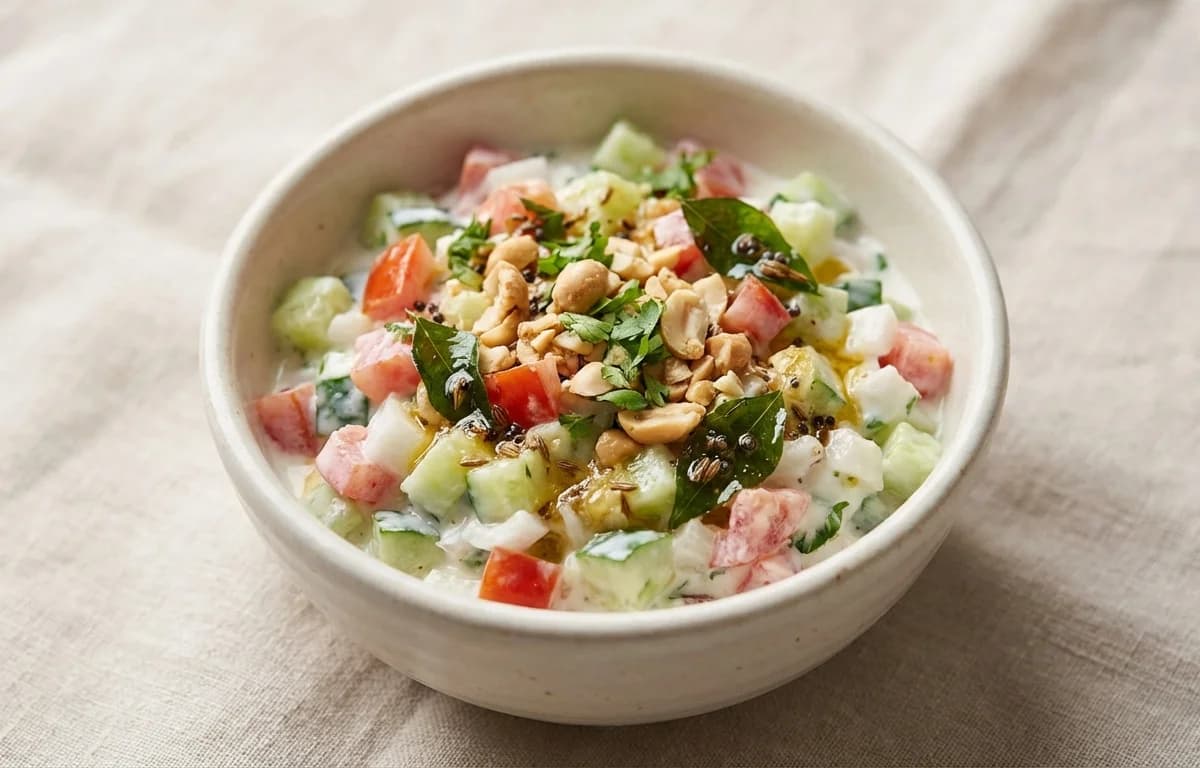
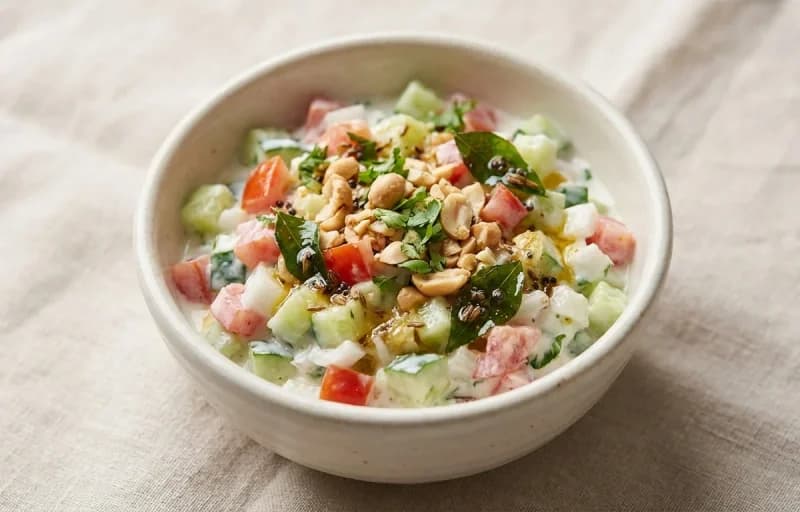
A refreshing Maharashtrian cucumber salad with a crunchy peanut texture and a simple tempering. It's the perfect cooling side dish for any spicy Indian meal, ready in minutes.
Perfectly spiced Goan Egg Xacuti with soft Sanna. A tangy, soul-satisfying meal that's truly unique!
This goan dish is perfect for lunch. With 988.67 calories and 28.85g of protein per serving, it's a nutritious choice for your meal plan.
fat
1 inch Cinnamon Stick
1 pcs Star Anise
0.25 tsp Nutmeg (Freshly grated for best aroma)
6 cloves Garlic
1 inch Ginger (Peeled and roughly chopped)
0.5 tsp Turmeric Powder
1 tbsp Tamarind Paste (Or a lemon-sized ball of tamarind soaked in warm water)
3 tbsp Vegetable Oil (Coconut oil can be used for a more authentic flavor)
2 cup Water (Warm water is preferred)
1.25 tsp Salt (Adjust to taste)
2 tbsp Coriander Leaves (Freshly chopped, for garnish)
Instructions
1
Prepare the Eggs
Place the eggs in a saucepan and cover with cold water by at least one inch.
Bring the water to a rolling boil over high heat. Once boiling, reduce the heat to a simmer and cook for 10 minutes for hard-boiled eggs.
Drain the hot water and immediately place the eggs in a bowl of ice water for 5 minutes to stop the cooking process and make them easier to peel.
Peel the eggs carefully and make 2-3 shallow vertical slits on each one. This helps them absorb the gravy. Set aside.
2
Roast the Xacuti Masala Ingredients
Heat a heavy-bottomed pan or skillet over low-medium heat. Add the grated coconut and dry roast, stirring continuously for 8-10 minutes, until it turns a deep golden brown and releases a nutty aroma. Transfer to a plate to cool.
In the same pan, dry roast the coriander seeds, cumin seeds, peppercorns, dried red chilies, poppy seeds, cloves, cinnamon, and star anise for 2-3 minutes until fragrant. Be careful not to burn them. Add these spices to the plate with the coconut.
Add 1 tbsp of oil to the pan. Sauté the sliced onion, ginger, and garlic until the onion is soft and translucent, about 5-6 minutes. Add this to the same plate.
3
Grind the Masala Paste
Once all the roasted ingredients have cooled down completely, transfer them to a high-powered blender or grinder jar.
Add the turmeric powder, grated nutmeg, and tamarind paste.
Grind to a very fine, smooth paste. Add a few tablespoons of water, a little at a time, as needed to facilitate grinding.
4
Cook the Curry
Heat the remaining 2 tbsp of oil in a wide pan or kadai over medium heat.
Add the finely chopped onion and sauté for 6-8 minutes, until it turns golden brown.
Add the ground Xacuti masala paste. Sauté for 8-10 minutes, stirring frequently, until the paste darkens in color, thickens, and oil begins to separate from the sides. This step is crucial for developing flavor.
5
Simmer and Finish
Pour in 2 cups of warm water and add salt to taste. Stir well to combine everything, ensuring there are no lumps.
Bring the curry to a gentle boil, then reduce the heat to low. Let it simmer for 5-7 minutes, allowing the gravy to thicken and the flavors to meld.
Gently slide the slit hard-boiled eggs into the gravy. Stir carefully to coat them without breaking.
Cover the pan and simmer for another 5 minutes, allowing the eggs to absorb the rich flavors of the curry.
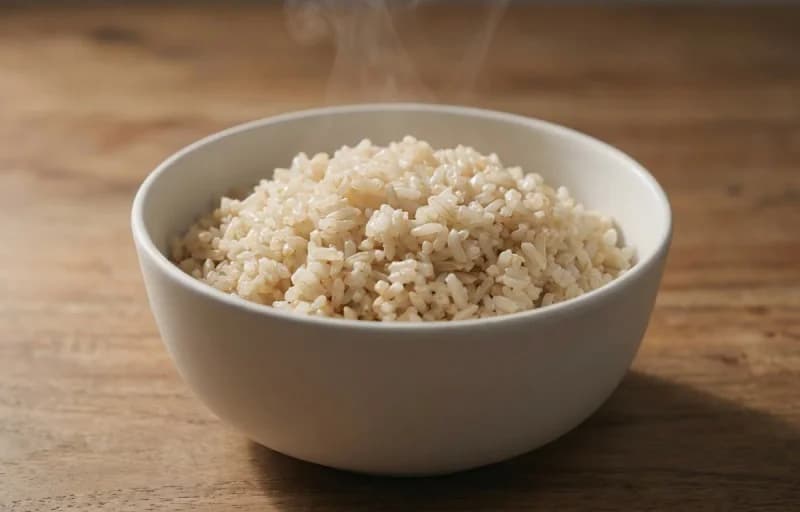
Garnish with freshly chopped coriander leaves. Serve hot with Goan pav, sannas, or steamed rice.
Servings4
Serving size: 1 serving
448cal
7gprotein
76gcarbs
12gfat
Ingredients
300 g Idli Rice (Also known as parboiled rice.)
40 g Thick Poha (Use thick flattened rice flakes for best results.)
100 g Fresh Grated Coconut (Fresh coconut is essential for authentic flavor and texture.)
1 tsp Active Dry Yeast
2 tbsp Sugar (Adjust to your preferred sweetness.)
60 ml Warm Water (For activating yeast. Must be lukewarm, around 40-43°C (105-110°F).)
150 ml Water (For grinding the batter. Add gradually as needed.)
0.75 tsp Salt
1 tbsp Oil (For greasing the molds. Any neutral oil will work.)
Instructions
1
Soak Rice and Poha (4-6 hours)
Rinse the idli rice and thick poha separately under cool running water until the water runs clear.
Combine the rinsed rice and poha in a large bowl.
Add enough water to cover the mixture by at least 2 inches. Cover the bowl and let it soak for a minimum of 4 hours, or up to 6 hours.
2
Grind the Batter (10 minutes)
Thoroughly drain all the water from the soaked rice and poha mixture.
Transfer the mixture to a high-speed blender or a wet grinder.
Add the fresh grated coconut. Start grinding, adding the 150ml of water for grinding gradually until you achieve a smooth, thick, and slightly grainy batter, similar to the consistency of idli batter.
3
Activate Yeast and Ferment Batter (1-2 hours)
In a small bowl, combine the warm water, sugar, and active dry yeast. Stir gently and set aside for 5-10 minutes until the mixture becomes frothy and bubbly, indicating the yeast is active.
Pour the activated yeast mixture into the ground batter. Add the salt.
2 pcs Green Chili (finely chopped, adjust to taste)
3 tbsp Roasted Peanuts (coarsely crushed)
1 cup Curd (thick and whisked until smooth)
3 tbsp Coriander Leaves (chopped)
1 tsp Sugar
0.75 tsp Salt (or to taste)
1 tbsp Ghee
0.5 tsp Mustard Seeds
0.5 tsp Cumin Seeds
0.25 tsp Hing
5 pcs Curry Leaves
Instructions
1
In a medium bowl, combine the finely chopped cucumber, onion, tomato, and green chili. This forms the base of your salad.
2
Add the coarsely crushed roasted peanuts, chopped coriander leaves, and sugar to the vegetable mixture. Mix well. Do not add salt or curd yet to prevent the salad from becoming watery.
3
Prepare the tempering (tadka). Heat ghee in a small tadka pan over medium heat. Once hot, add the mustard seeds and let them splutter completely, about 30 seconds. Add the cumin seeds, hing, and curry leaves. Sauté for another 20-30 seconds until the curry leaves turn crisp and aromatic. Turn off the heat and let the tempering cool for a minute.
4
Just before serving, add the whisked curd and salt to the vegetable bowl. Mix gently until everything is just combined.
5
Pour the slightly cooled tempering over the koshimbir. Give it a final gentle mix. Garnish with a few more coriander leaves if desired and serve immediately for the best texture and flavor.
Using a whisk or your clean hands, mix everything together thoroughly for about a minute to incorporate air.
Cover the bowl with a lid or plastic wrap and place it in a warm, draft-free spot to ferment for 1 to 2 hours. The batter should rise, become bubbly, and almost double in volume.
4
Steam the Sannas (15 minutes per batch)
Prepare your steamer by adding 2-3 inches of water to the bottom pot and bringing it to a rolling boil.
While the water heats, lightly grease your sanna molds, idli plates, or small steel bowls (katoris) with oil.
Gently stir the fermented batter once or twice. Do not overmix, as this will deflate the air pockets.
Pour the batter into the greased molds, filling them about 3/4 full to allow space for them to rise.
Carefully place the molds in the steamer. Wrap the steamer lid with a clean kitchen towel to prevent condensation from dripping onto the sannas. Cover and steam on medium-high heat for 12-15 minutes.
5
Cool and Serve (5 minutes)
Turn off the heat. Let the steamer stand for 2 minutes before opening the lid to prevent the sannas from deflating.
To check for doneness, insert a toothpick or skewer into the center of a sanna; it should come out clean.
Carefully remove the molds from the steamer and let them cool for another 2-3 minutes.
Run a knife or spoon around the edges of the sannas to loosen them and gently demold.
Serve the hot, fluffy sannas immediately with Goan pork sorpotel, chicken xacuti, or coconut chutney.