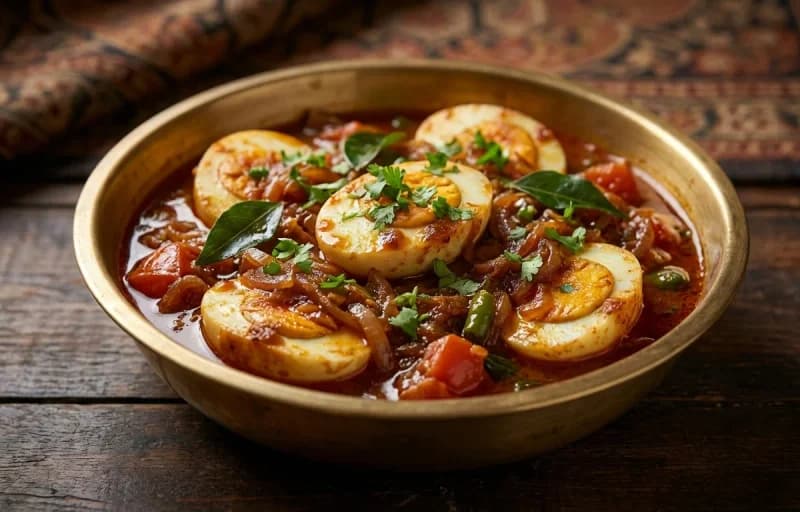
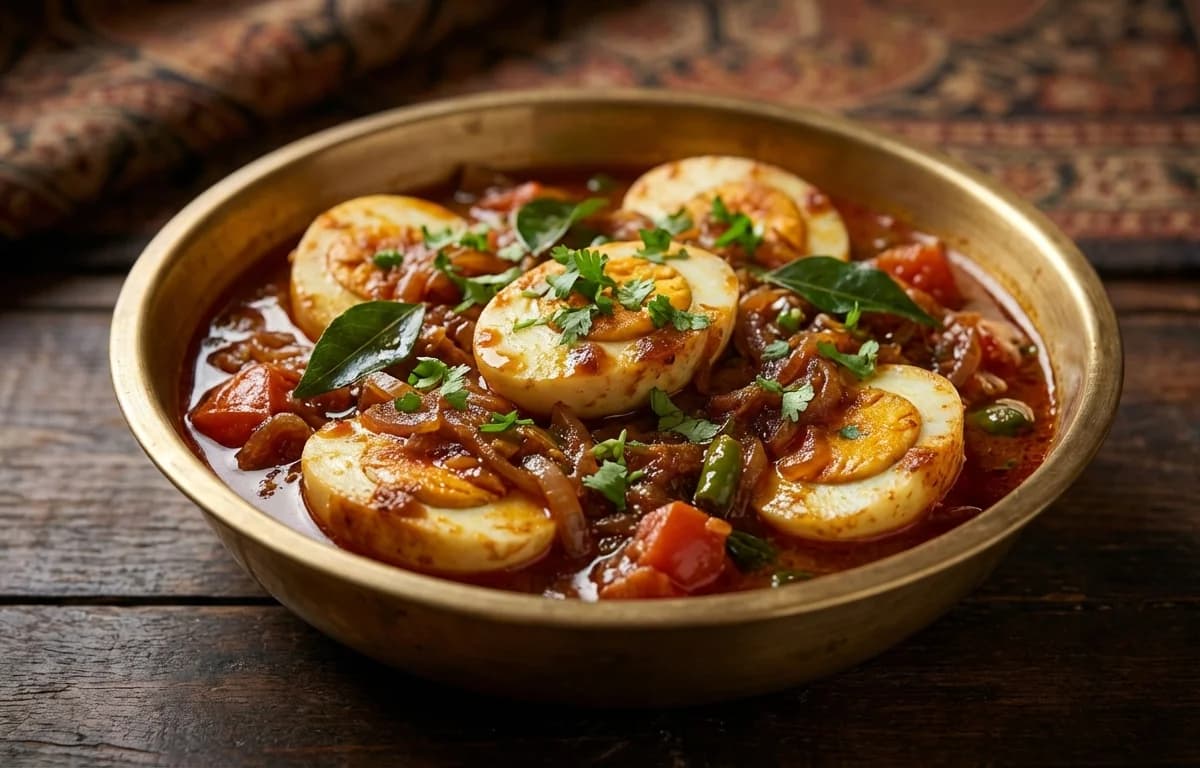
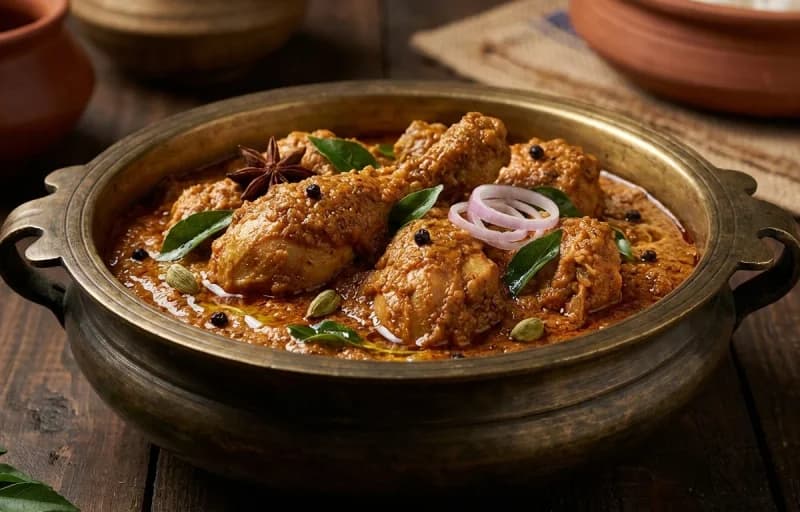
Hard-boiled eggs simmered in a luscious, spicy masala of caramelized onions, tomatoes, and fragrant Kerala spices. This classic dish, known as Mutta Roast, is the perfect partner for appam, idiyappam, or chapatis.
Prep15 min
Cook30 min
Servings4
Serving size: 1 serving(Serving includes 2 eggs with masala.)
309cal
15gprotein
17gcarbs
21g
Ingredients
8 large Egg
4 medium Onion (thinly sliced)
2 medium Tomato (finely chopped)
1.5 tbsp Ginger Garlic Paste
3 whole Green Chilli (slit lengthwise)
3 tbsp Coconut Oil
1 sprig Curry Leaves
0.5 tsp Turmeric Powder
1.5 tsp Kashmiri Red Chilli Powder (adjust to taste)
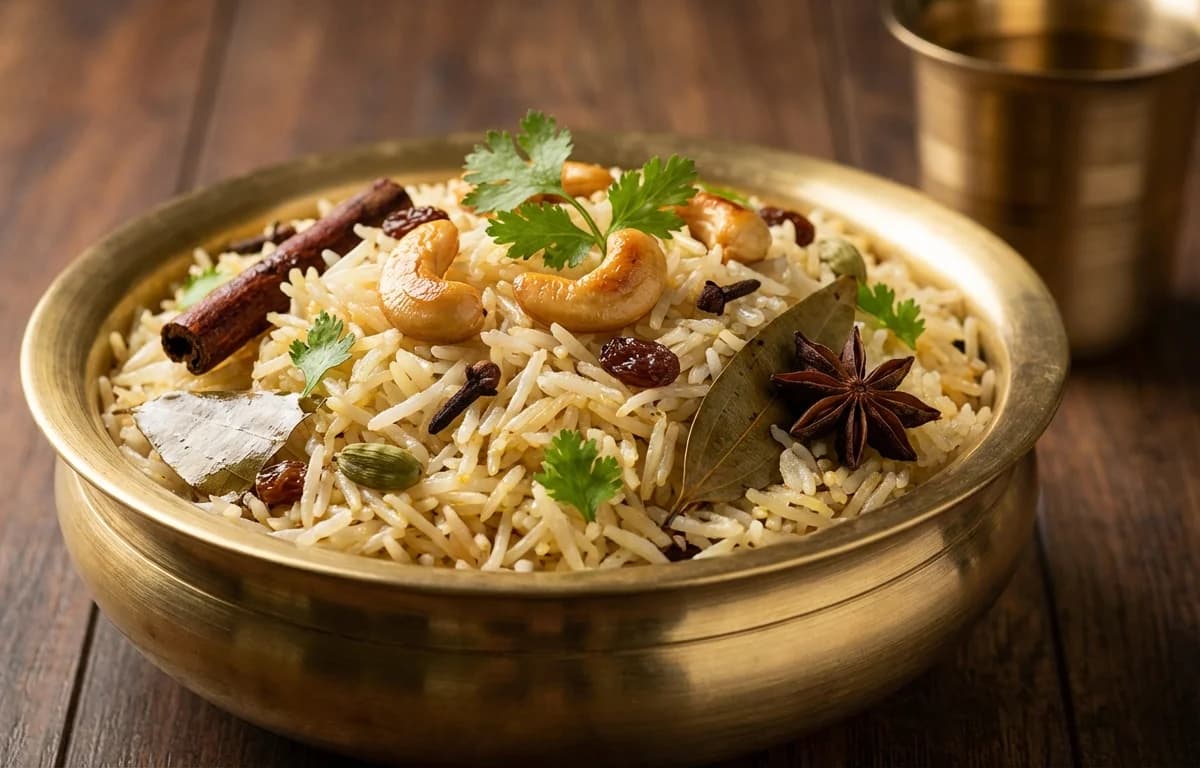
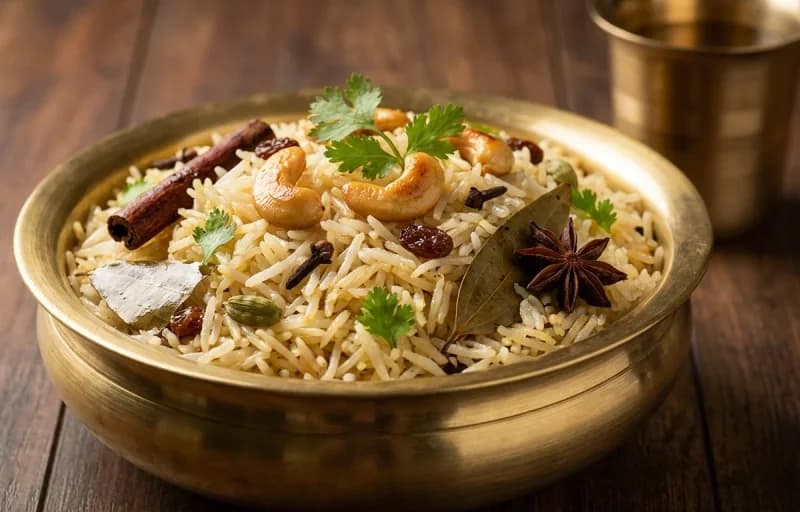
Fragrant basmati rice cooked to fluffy perfection with whole spices and rich, nutty ghee. This South Indian classic, also known as Neychoru, is garnished with fried cashews and raisins for a touch of sweetness and crunch. A truly elegant and simple dish.
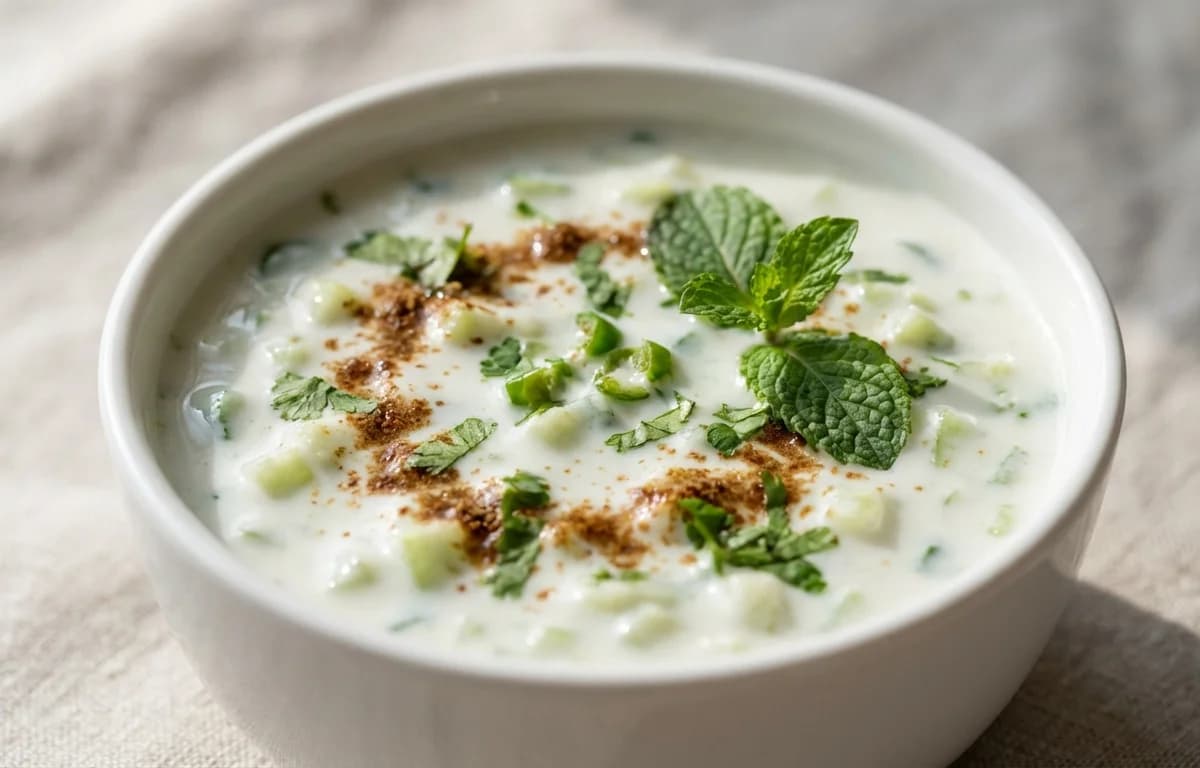
A refreshing and cooling yogurt dip made with grated cucumber, fresh herbs, and mild spices. This classic Indian side dish is the perfect accompaniment to spicy curries, biryanis, and pulaos, ready in just 10 minutes.
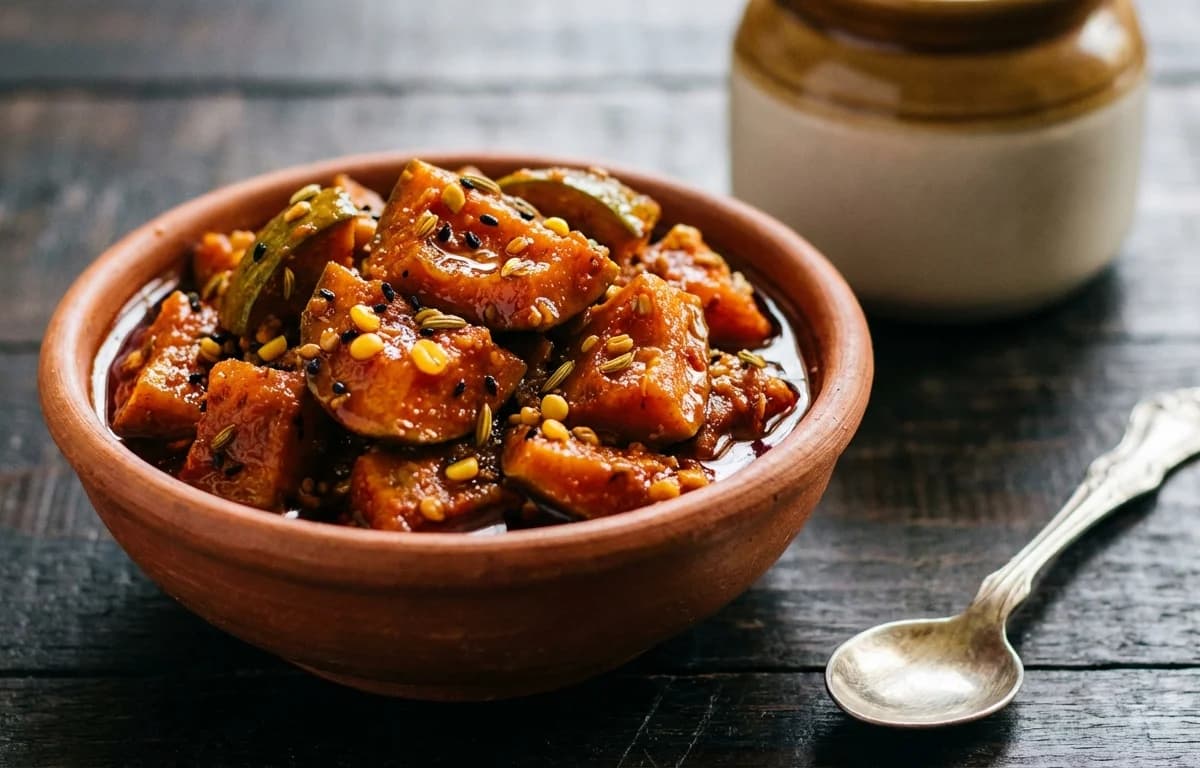
A classic North Indian condiment, 'Aam ka Achar' is made with raw, tangy mangoes, a robust blend of aromatic spices, and pungent mustard oil. This traditional sun-cured pickle is the perfect spicy and sour accompaniment to any meal, from dal-rice to stuffed parathas.
About Kerala Egg Roast, Ghee Rice, Cucumber Raita and Mango Pickle
Aromatic Ghee Rice with perfectly spiced, protein-packed Mutta Roast & cooling Raita. Simply delicious!
This kerala dish is perfect for lunch. With 986.8499999999999 calories and 28.61g of protein per serving, it's a nutritious choice for your meal plan.
fat
1 tsp Garam Masala
1.25 tsp Salt (or to taste)
0.5 cup Water (warm)
Instructions
1
Boil and Prepare the Eggs
Place 8 large eggs in a saucepan and cover with cold water by at least an inch. Bring to a rolling boil over high heat.
Once boiling, turn off the heat, cover the pan, and let it stand for 10-12 minutes to hard-boil the eggs.
Drain the hot water and immediately run cold water over the eggs. Once cool enough to handle, peel them carefully.
Make 2-3 shallow, lengthwise slits on each peeled egg. This is crucial for the masala to penetrate the eggs.
2
Shallow-Fry the Eggs
Heat 1 tbsp of coconut oil in a wide, heavy-bottomed pan (kadai) over medium heat.
Add a pinch of turmeric powder and a pinch of Kashmiri red chilli powder to the hot oil.
Gently place the slit eggs into the pan. Sauté for 2-3 minutes, turning them carefully, until they develop a light golden, slightly crisp layer. Remove the eggs from the pan and set aside.
3
Caramelize the Onions
In the same pan, add the remaining 2 tbsp of coconut oil. Once hot, add the thinly sliced onions and a pinch of salt (this helps draw out moisture).
Sauté the onions on medium-low heat for 12-15 minutes, stirring occasionally. Be patient; they should become soft, translucent, and then a deep golden brown. This slow caramelization is the secret to the dish's flavor and texture.
Add the ginger-garlic paste, slit green chillies, and the sprig of curry leaves. Sauté for 1-2 minutes until the raw aroma disappears.
4
Cook the Masala
Add the finely chopped tomatoes to the pan. Cook for 4-5 minutes, stirring and mashing them with your spoon, until they turn soft and pulpy.
Reduce the heat to low. Add all the spice powders: turmeric powder, Kashmiri red chilli powder, coriander powder, and garam masala. Add the remaining salt.
Stir continuously for 2-3 minutes until the spices are fragrant and you see oil starting to separate from the masala at the edges.
5
Simmer with Eggs
Pour in 1/2 cup of warm water and stir well, scraping the bottom of the pan to combine everything into a thick, luscious gravy. Bring to a gentle simmer.
Add the fried eggs back into the pan.
Gently toss the eggs to coat them thoroughly with the masala. Cover the pan and let it simmer on low heat for 5-7 minutes. This allows the eggs to absorb all the wonderful flavors of the gravy.
6
Garnish and Serve
Turn off the heat. Taste and adjust the salt if necessary.
Garnish with a few fresh curry leaves if desired. Let it rest for 5 minutes before serving.
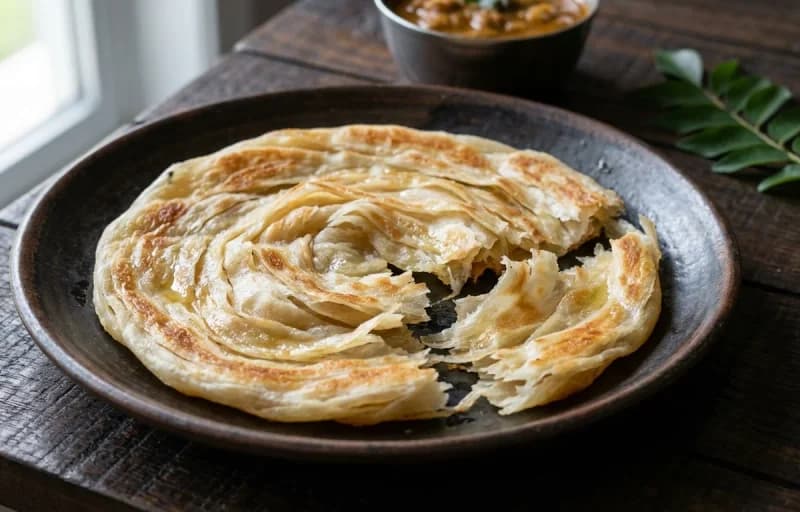
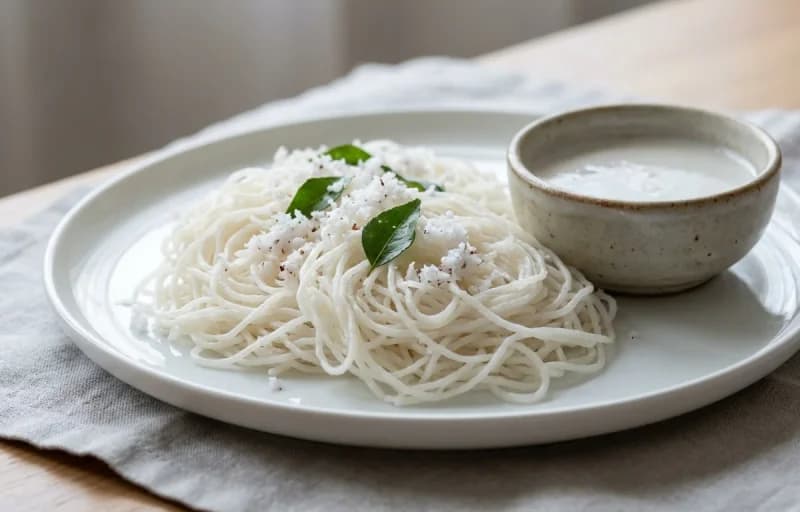
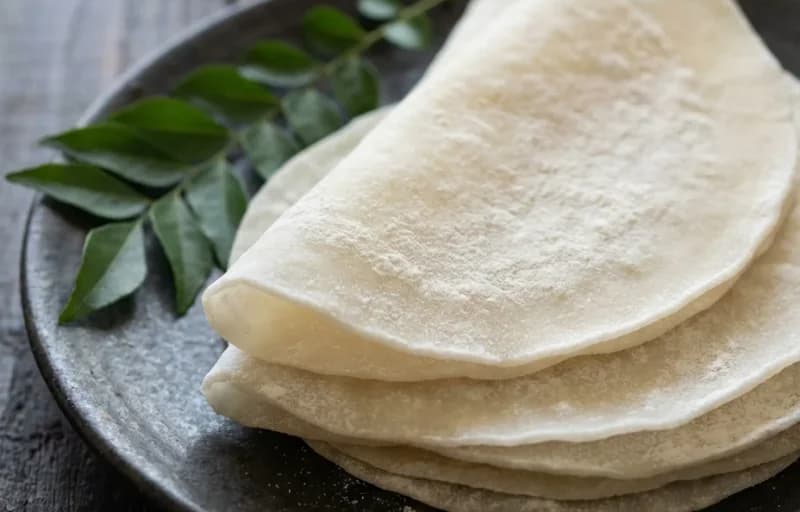
Serve hot with traditional Kerala appam, idiyappam (string hoppers), parotta, or chapatis.
Servings
4
Serving size: 1 serving
507cal
8gprotein
82gcarbs
16gfat
Ingredients
2 cup Basmati Rice (long grain)
4 tbsp Ghee
1 pcs Onion (large, thinly sliced)
3.5 cup Water (hot)
1 inch Cinnamon Stick
4 pcs Cloves
3 pcs Green Cardamom (slightly crushed)
1 pcs Bay Leaf
1 pcs Star Anise (optional)
12 pcs Cashew Nuts (whole or halved)
1 tbsp Raisins (golden)
1.5 tsp Salt
2 tbsp Coriander Leaves (chopped, for garnish)
Instructions
1
Prepare the Basmati Rice
Rinse the basmati rice under cold running water until the water runs clear. This removes excess starch.
Soak the rinsed rice in fresh water for at least 30 minutes. This helps the grains elongate and cook evenly.
After soaking, drain the rice completely in a colander and set it aside.
2
Fry the Garnishes
Heat 2 tbsp of ghee in a heavy-bottomed pot or pressure cooker over medium heat.
Add the cashew nuts and fry for 1-2 minutes until they turn a light golden brown.
Add the raisins and continue to fry for about 30 seconds until they plump up. Be careful not to burn them.
Remove the fried cashews and raisins with a slotted spoon and set them aside for garnish.
3
Sauté Aromatics and Rice
In the same pot, add the remaining 2 tbsp of ghee.
Once hot, add the whole spices: cinnamon stick, cloves, green cardamom, bay leaf, and star anise. Sauté for 30-40 seconds until they release their aroma.
2 cup Curd (Thick, plain, and chilled. Greek yogurt or hung curd works well.)
1 medium Cucumber (Peeled and grated. English or Persian cucumbers are preferred.)
1 tsp Roasted Cumin Powder (Freshly ground for best aroma.)
2 tbsp Coriander Leaves (Finely chopped.)
1 tbsp Mint Leaves (Finely chopped.)
0.5 tsp Salt (Adjust to taste.)
0.25 tsp Black Salt (Also known as Kala Namak.)
1 pcs Green Chilli (Finely chopped, deseed for less heat.)
0.25 tsp Sugar (Optional, to balance the tang of the yogurt.)
Instructions
1
Prepare the Cucumber (4 minutes)
Wash, peel, and grate the medium cucumber using a box grater.
Place the grated cucumber in a fine-mesh sieve or a muslin cloth. Press down firmly or squeeze to remove as much water as possible. This is the most crucial step to prevent a watery raita.
Set the squeezed cucumber aside.
2
Prepare the Yogurt Base (2 minutes)
In a medium-sized mixing bowl, add the thick curd (yogurt).
Whisk the curd for about a minute until it is completely smooth and creamy, with no lumps.
Add the roasted cumin powder, salt, black salt, and optional sugar to the whisked yogurt. Mix well to combine the spices evenly.
3
Combine and Chill (4 minutes + chilling time)
Add the squeezed grated cucumber, finely chopped green chilli, coriander leaves, and mint leaves to the spiced yogurt base.
Gently fold all the ingredients together until everything is well incorporated.
Taste and adjust the seasoning if necessary. You may need more salt or a pinch more sugar depending on the sourness of your yogurt.
1 kg Raw Mangoes (Use a firm, sour, pickling variety like Ramkela or Rajapuri)
2 cup Mustard Oil (To be heated to smoking point and then cooled completely)
0.75 cup Salt (Use non-iodized or sea salt for best results)
5 tbsp Red Chili Powder (Adjust to your spice preference)
2 tbsp Turmeric Powder
4 tbsp Fennel Seeds (Also known as Saunf)
4 tbsp Split Mustard Seeds (Also known as Rai ki Dal)
2 tbsp Fenugreek Seeds (Also known as Methi Dana)
2 tsp Nigella Seeds (Also known as Kalonji)
1 tsp Asafoetida (Also known as Hing)
Instructions
1
Prepare the Mangoes (Day 1)
Wash the raw mangoes thoroughly. Wipe them completely dry with a clean kitchen towel. It is critical that there is no moisture.
Cut the mangoes into 1-inch cubes, discarding the inner stone but keeping the peel on.
Place the mango pieces in a large, dry glass or ceramic bowl. Add 1/2 cup of the salt and all the turmeric powder.
Mix well to coat every piece. Cover the bowl with a cloth or a loose lid and let it sit at room temperature for 24 hours. The mangoes will release a significant amount of water.
2
Dry the Mangoes (Day 2)
After 24 hours, drain all the water released by the mangoes. You can discard this brine.
Spread the mango pieces in a single layer on a clean cloth or a large tray.
Let them dry under a fan or in a shady, well-ventilated area for 4-5 hours until the surface moisture has evaporated. They should feel dry to the touch but not hard.
3
Prepare the Spice Mix and Oil
While the mangoes are drying, gently dry roast the fennel seeds and fenugreek seeds in a pan on low heat for 1-2 minutes until fragrant. Let them cool completely.
Add the thinly sliced onions and sauté for 5-7 minutes until they become soft and golden brown.
Add the drained rice to the pot. Gently sauté for 2 minutes, ensuring the grains are well-coated with ghee. Be careful not to break the delicate rice grains.
4
Cook the Rice
Pour in 3.5 cups of hot water and 1.5 tsp of salt. Stir gently just once to combine.
Bring the water to a rolling boil over high heat.
For Pot Method: Once boiling, reduce the heat to the lowest setting, cover with a tight-fitting lid, and cook for 15-18 minutes, or until all the water is absorbed.
For Pressure Cooker Method: Secure the lid and cook on medium heat for 2 whistles. Turn off the heat and allow the pressure to release naturally.
5
Rest, Garnish, and Serve
Once cooked, let the rice rest, covered and undisturbed, for 10 minutes. This step is crucial for firm, separate grains.
After resting, gently fluff the rice with a fork to separate the grains.
Garnish with the fried cashews, raisins, and freshly chopped coriander leaves.
Serve hot with your favorite curry, korma, or dal.
Cover the bowl and refrigerate for at least 20-30 minutes. This allows the flavors to meld together and enhances the cooling effect.
4
Garnish and Serve
Just before serving, give the chilled raita a gentle stir.
Garnish with an extra sprinkle of roasted cumin powder and a few fresh mint or coriander leaves.
Serve chilled as a side dish with biryani, pulao, kebabs, or any spicy Indian meal.
Grind the roasted seeds along with the split mustard seeds into a coarse powder using a spice grinder or mortar and pestle.
In a large, dry mixing bowl, combine this coarsely ground spice mix, red chili powder, nigella seeds, asafoetida, and the remaining 1/4 cup of salt.
In a separate pan, heat the mustard oil until it reaches its smoking point (you'll see faint white fumes). Turn off the heat and let it cool down completely to room temperature. This step is crucial to mellow the oil's raw pungency.
4
Combine and Bottle the Pickle
Add the dried mango pieces to the bowl containing the spice mix. Toss well until each piece is thoroughly coated.
Pour about 1.5 cups of the completely cooled mustard oil over the mango-spice mixture. Mix everything thoroughly with a clean, dry spoon.
Carefully transfer the pickle into a sterilized, completely dry glass or ceramic jar (a 'barnī'). Pack it down gently to remove air pockets.
5
Mature the Pickle (7-10 Days)
Cover the mouth of the jar with a clean piece of muslin cloth and secure it with a string. This allows moisture to escape while keeping dust out.
Place the jar in direct sunlight for 7 to 10 days. Shake the jar gently or stir with a dry spoon once every day to redistribute the oil and spices.
After 3-4 days, the mango pieces will have softened and settled. Pour the remaining 0.5 cup of cooled mustard oil over the top to create a protective layer that submerges the mangoes.
After the sunning period, the mangoes will have softened and absorbed the flavors. The pickle is now ready. Replace the muslin cloth with an airtight lid and store in a cool, dry place. It can last for over a year.